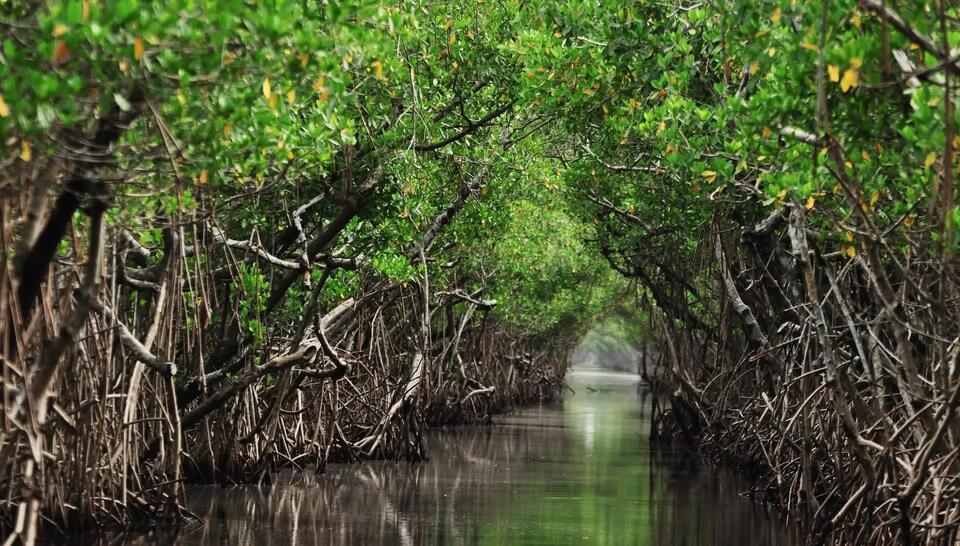
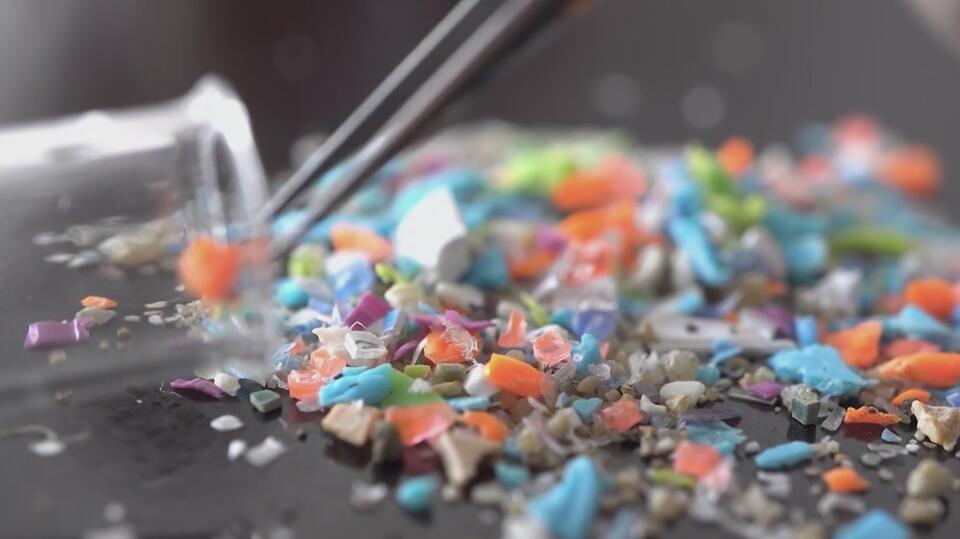
James Brady+FollowCrabs vs Microplastics: Nature’s Plot TwistPlot twist: fiddler crabs in polluted mangroves are eating microplastics—and breaking them down! Scientists just found out these little guys can process plastic at record rates, speeding up its decomposition. It’s not a total fix (the plastic gets even tinier and stays in the food chain), but it’s wild to see nature adapting in real time. Who knew crabs would be unexpected heroes in the fight against pollution? #Science #microplastics #environment00Share
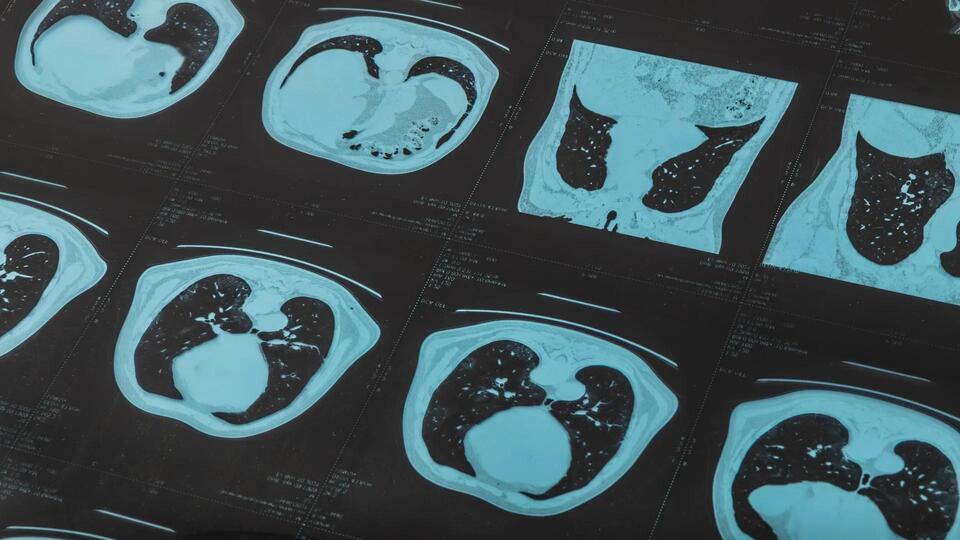
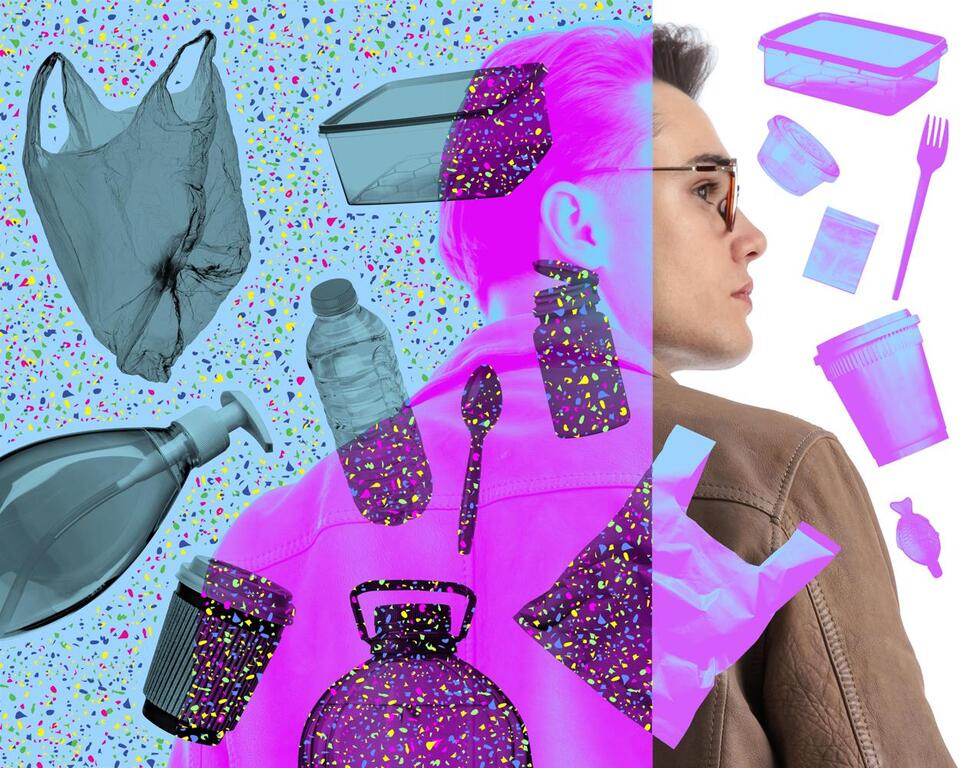
maria25+FollowMicroplastics: Are We Freaking Out for Nothing?Turns out, some scientists are throwing shade at those scary microplastics-in-our-bodies studies. A few experts say the evidence isn’t as solid as we thought, and we might be panicking over flawed research. But before you toss your reusable water bottle, remember: microplastics are still everywhere, and most research agrees they’re not great for us or the planet. The real drama? We may need to rethink what we actually know about these tiny invaders. #Health #BodyHealth #microplastics00Share
Edward Parrish+FollowPlastic Water Bottles: More Than Just Trash?Just when you thought plastic water bottles were only bad for the planet, a new study says those microplastics might actually mess with your pancreas, too. Researchers found that PET particles (the stuff in most bottles) caused fat buildup and inflammation in pigs’ pancreases—yikes! Since pigs’ bodies are a lot like ours, this could mean real trouble for humans. Time to swap those plastic bottles for something reusable? #Health #BodyHealth #Microplastics00Share
martinezlaura+FollowAre Microplastics in Our Bodies Overhyped?Turns out, all those scary headlines about microplastics invading every part of our bodies might not be as solid as we thought. Scientists are now saying a lot of those studies could be picking up false positives or just straight-up contamination. The tech to actually detect these tiny plastics in human tissue isn’t perfect yet, so we might not know as much as we think. Still, cutting down on plastic use is probably a good idea! #Science #microplastics #science20Share
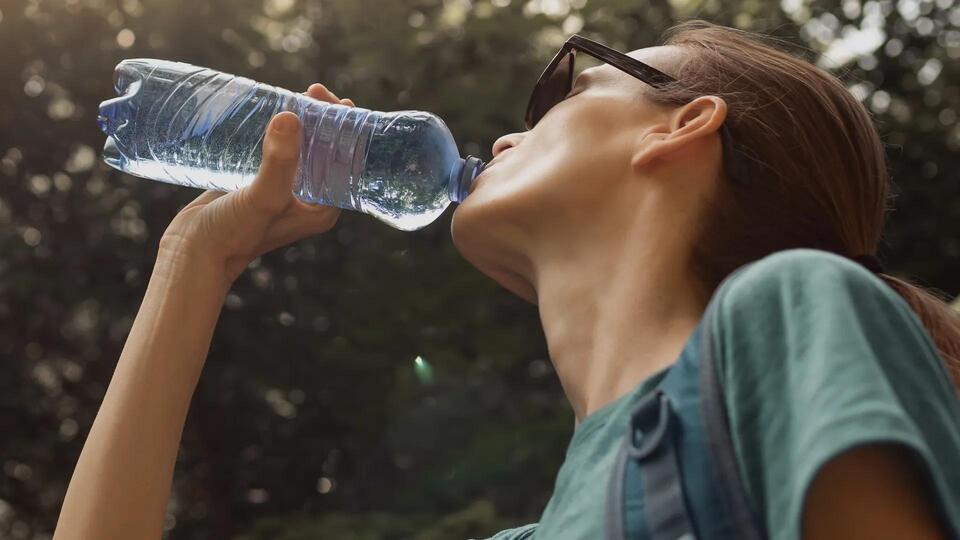
suarezpatricia+FollowPlastic Bottles = Microplastic Bombs?Just found out that if you’re sipping from plastic water bottles every day, you could be gulping down up to 90,000 microplastic particles a year—almost double what you’d get from other sources. These tiny bits sneak in during manufacturing and even just from the bottle sitting in the sun. Experts say it’s fine in a pinch, but maybe don’t make it your daily habit. Anyone else low-key grossed out? #Health #BodyHealth #microplastics30Share
martinezlaura+FollowMicroplastic Clouds Are a Thing Now?!Did you know the air in big cities isn’t just full of smog and dust, but actual clouds of microplastics? Scientists found up to 180,000 plastic particles per cubic meter floating over places like Guangzhou and Xi’an. These tiny plastics can get into our lungs and even carry chemicals and germs. Rain helps wash them down, but traffic keeps pumping more into the air. Kinda makes you wonder what we’re all breathing in every day! Would you trust your city’s air? #Science #microplastics #airpollution00Share
aguilarallison+FollowMicroplastics Are Hiding in Your Food?!Did you know you could be eating up to 1.5 million microplastic particles a day? It’s not just seafood—chewing gum, salt, apples, tea, and even your morning coffee are sneaky sources. Swapping plastic grinders for metal, using glass bottles, and ditching plastic teabags can help cut down your intake. And yes, chewing the same gum longer actually helps! Who knew our snacks were so...plastic? #Health #BodyHealth #microplastics01Share
Patrick Simmons+FollowMicroplastics: The Ocean’s Unwanted DeliveryTurns out, tiny ocean critters like copepods are basically running a microplastics delivery service—moving hundreds of plastic bits a day from the surface to the deep sea and up the food chain. Scientists tracked how fast these plastics move through their guts (about 40 minutes!) and found they’re spreading way faster than we thought. This means microplastics are not just everywhere in the ocean—they’re also ending up in our seafood, salt, and even bottled water. Anyone else suddenly craving less sushi? #Science #microplastics #oceanhealth10Share
Patrick Simmons+FollowMicroplastics Are Messing With Climate ScienceTurns out, all those tiny plastic bits floating in the ocean aren’t just bad for sea life—they’re also throwing off decades of climate research! Scientists just realized microplastics can sneak into ocean samples and mess up carbon measurements, which are used to predict climate change. Basically, our models might be way off. Wild, right? Oh, and those microplastics are in our food and water, too. Anyone else suddenly craving a reusable water bottle? #Science #microplastics #climatechange00Share
Charles Christensen+FollowMicroplastics & Your Brain? Yikes!Just when you thought microplastics were only a problem for the oceans, new research says they might be messing with our brains, too. Scientists found that these tiny plastic bits can sneak past the blood-brain barrier, spark inflammation, and trigger changes linked to Alzheimer’s and Parkinson’s. It’s wild (and a little scary) to think our plastic habits could be raising our risk for serious brain diseases. Time to rethink those plastic containers and bottled waters? #Health #BodyHealth #Microplastics00Share