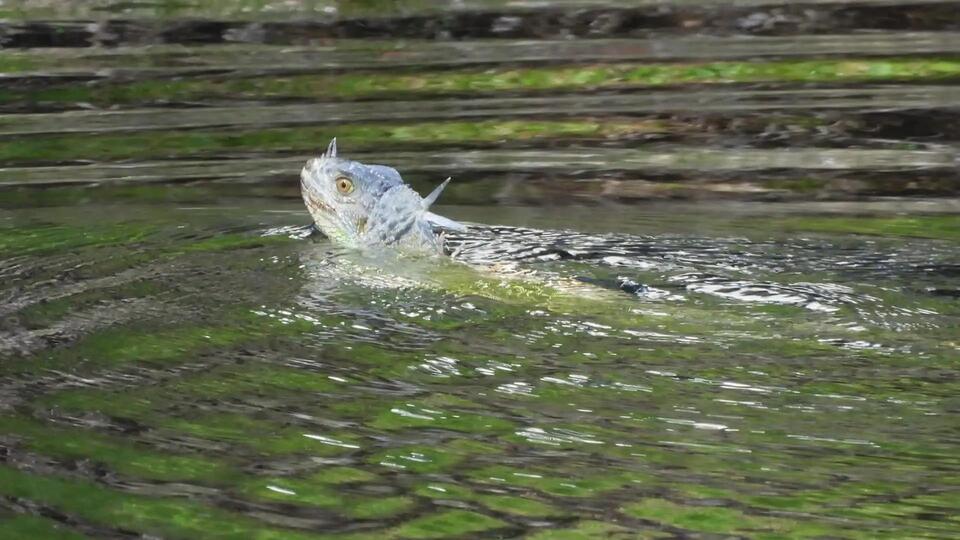
Tamara Jones+FollowFlorida’s wild iguana hunts: Would you dive in?People in South Florida are literally diving headfirst into canals to catch invasive green iguanas—by hand! Led by Mike Kimmel, aka the Python Cowboy, these hunts are part adventure, part environmental mission. Iguanas have become a real headache here, wrecking yards, burrowing into canal banks, and even threatening flood control systems. The state lets folks remove them year-round, but the real challenge is keeping up with their rapid spread. Would you ever try a hands-on hunt like this, or do you think there’s a better way to protect our neighborhoods and wildlife? #Science #FloridaLife #InvasiveSpecies00Share
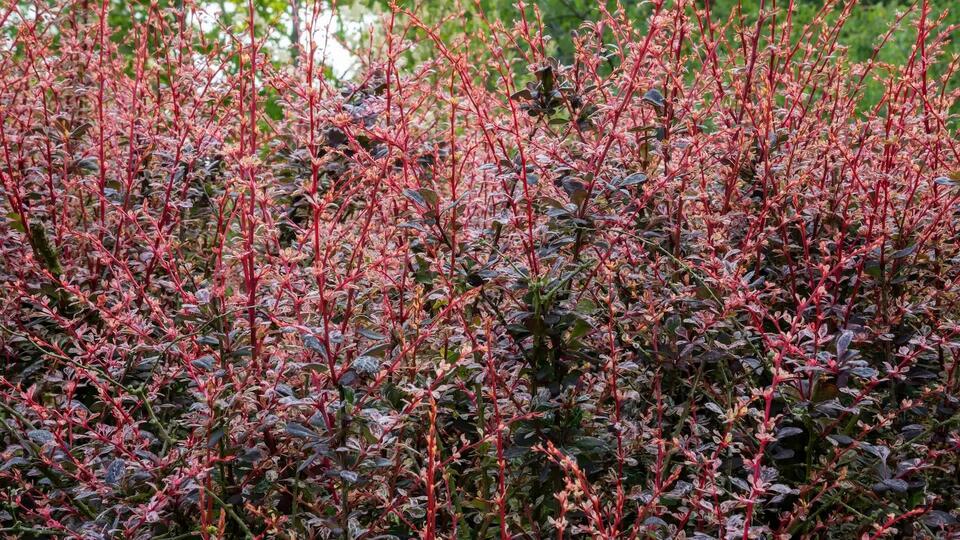
William Wilkerson+FollowThis Plant Is Wrecking Yards EverywhereJapanese barberry might look harmless, but it’s actually a total menace for your yard and local wildlife. It creates the perfect hideout for ticks and mice (hello, Lyme disease risk), and it’s spreading like crazy across North America. Gardeners on Reddit are sharing horror stories about trying to get rid of it—apparently, the roots are next-level stubborn. If you want a healthy, tick-free yard, experts say it’s time to ditch this invasive plant and go native! #Home #gardeningtips #invasivespecies00Share
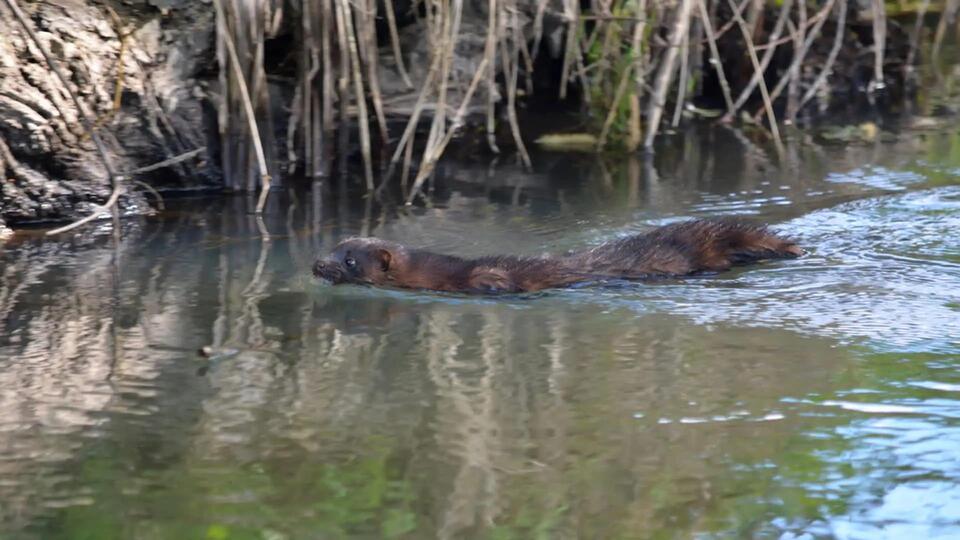
William Mckinney+FollowDogs vs. Minks: Ireland’s Wild New PlanIreland’s going full detective mode on invasive American minks—using dogs and volunteers! The government’s testing out a pilot project where trained pups sniff out minks, and local volunteers help trap them and track progress. Why? These minks are bad news for native birds and biodiversity. If this works, it could be a game-changer for fighting invasive species. Would you join a squad like this to help wildlife? #Pets #Ireland #InvasiveSpecies50Share
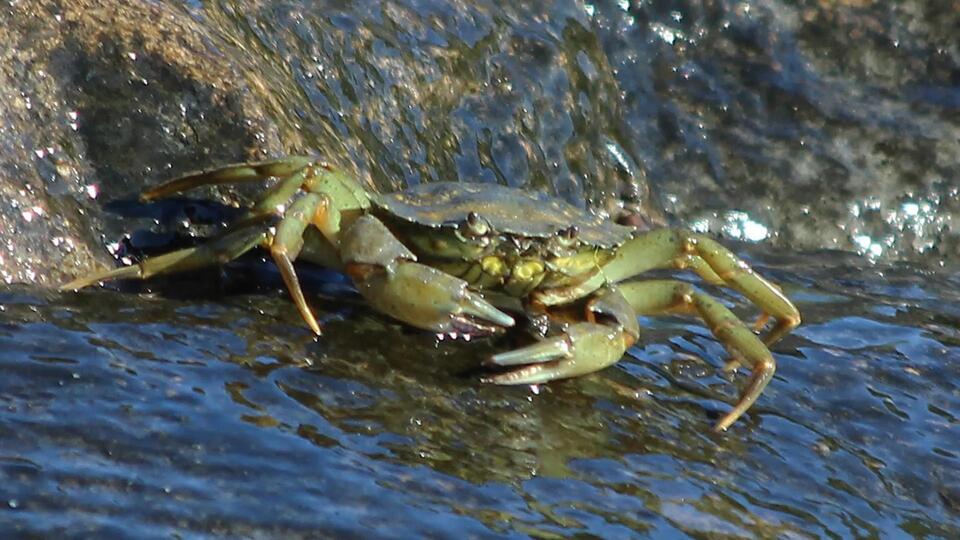
Michael Alvarez+FollowBoston chef’s tasty fix for invasive crabsEuropean green crabs are taking over Massachusetts’ coastline, but chef Tracy Chang has a delicious plan: eat them! She’s serving up green crab broth in dishes like sambus and ramen, turning an environmental headache into a community feast. These crabs are a big threat to local marine life and coastal habitats, but their rich, flavorful stock is perfect for soups and curries. Chang’s creative approach, backed by The Nature Conservancy and Greencrab.org, could help restore balance to our waters. Would you try a green crab dish if it helped the environment? Let’s talk about it! #Food #BostonEats #InvasiveSpecies00Share
Melvin Mosley+FollowSpotted Lanternfly Eggs Are Everywhere?!Spotted lanternflies are making their way into Ontario, and experts are freaking out! Their eggs look like muddy smears and can show up on literally any outdoor surface—cars, trees, you name it. These bugs can destroy vineyards, orchards, and even trees, so everyone’s being asked to snap a pic and report any sightings. If you’re traveling from the U.S., double-check your stuff for hitchhikers. Let’s not let these invaders take over! #Science #spottedlanternfly #invasivespecies10Share
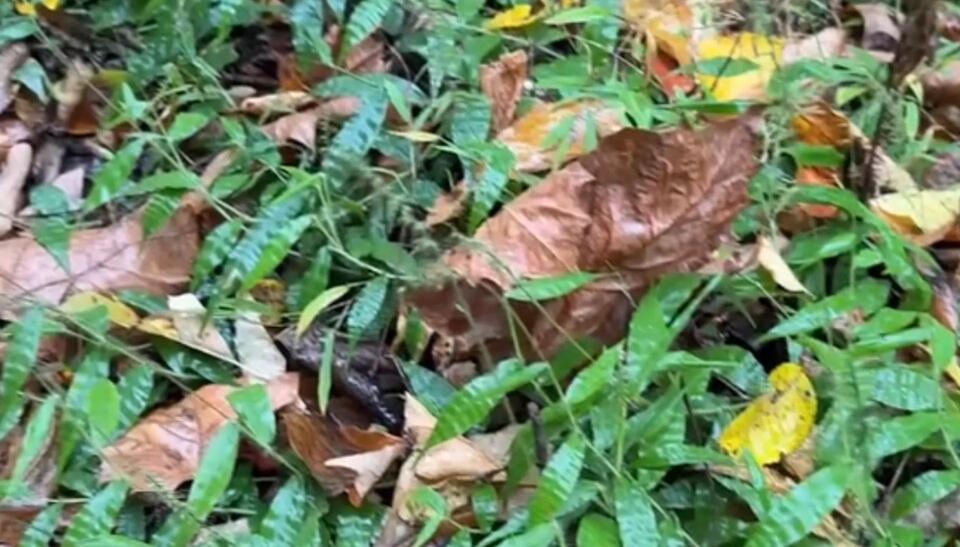
martinezlaura+FollowWatch out for this sticky invader on local trailsWavyleaf basketgrass is taking over forests across the Mid Atlantic, and it’s not just an eyesore—it’s a real headache for hikers and nature lovers. The seeds are super sticky, clinging to your shoes, clothes, and even your pets, making it easy to accidentally spread this invasive plant to new places. It crowds out native plants, messes with wildlife habitats, and is tough to remove. If you’re out hiking and spot this plant in seed, try to avoid it and check your gear before heading home. Anyone else battling invasives in their yard or favorite park? #Science #InvasiveSpecies #Nature30Share
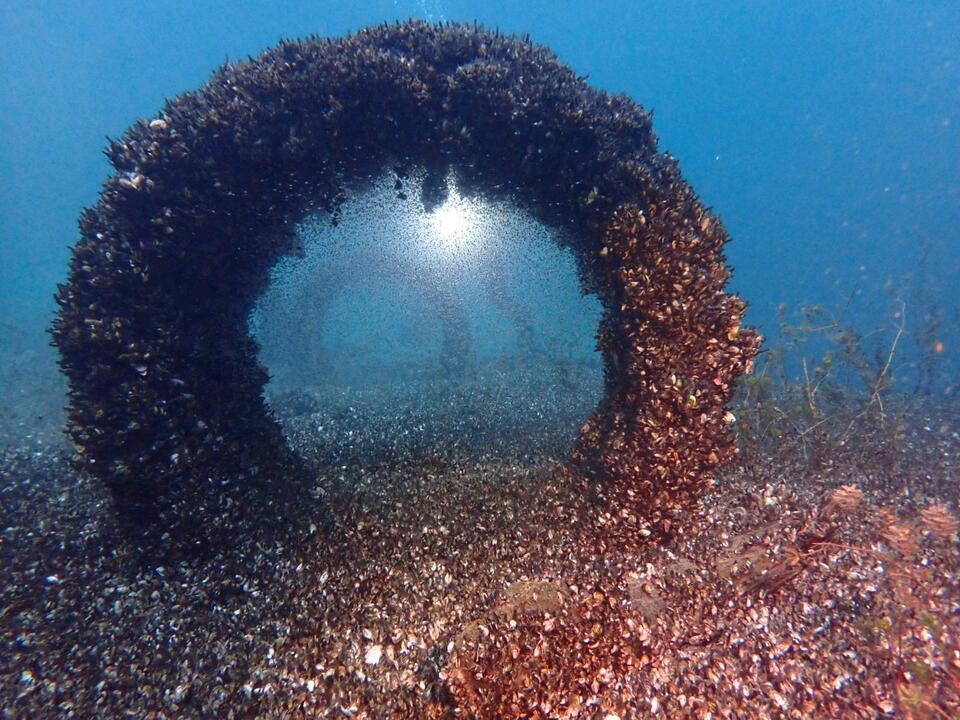
martinezlaura+FollowLake Geneva’s Mussel Takeover Is WildQuagga mussels have totally hijacked Lake Geneva, clogging up pipes, wrecking cooling systems, and even threatening research labs and airports. These tiny invaders breed like crazy—one female can lay a million eggs! Now, the lake’s ecosystem is flipped: native species are gone, and the water’s so clear it’s messing with the whole food chain. Locals can’t even walk barefoot on the beach anymore. Scientists say there’s no going back—Lake Geneva is forever changed. #Science #LakeGeneva #InvasiveSpecies00Share
William Mckinney+FollowSpotted: Killer Hornet Alert in NZ!Yellow-legged hornets (aka Asian hornets) just showed up in New Zealand for the first time ever, and officials are freaking out. These guys are bad news for bees and the whole ecosystem. If you see one (or a nest), snap a pic but don’t touch—just call the hotline! The race is on to stop them before they take over like they did in Europe and the US. Wild, right? #Pets #InvasiveSpecies #NewZealand10Share
James Brady+FollowFlorida’s wild iguana problem just got realGreen iguanas are taking over Florida yards, munching on gardens, damaging seawalls, and even threatening local wildlife. The state just rolled out new rules making it easier for residents to catch, remove, or even sell these invasive reptiles. Some folks are getting creative—using iguana eggs in recipes or selling the lizards out of state. With the cold snap, you might spot stunned iguanas falling from trees (don’t worry, they’re not dead—just frozen!). The big question: Will these new efforts finally help Floridians reclaim their backyards? What’s your take on the best way to handle these scaly invaders? #Science #FloridaLife #InvasiveSpecies4033Share
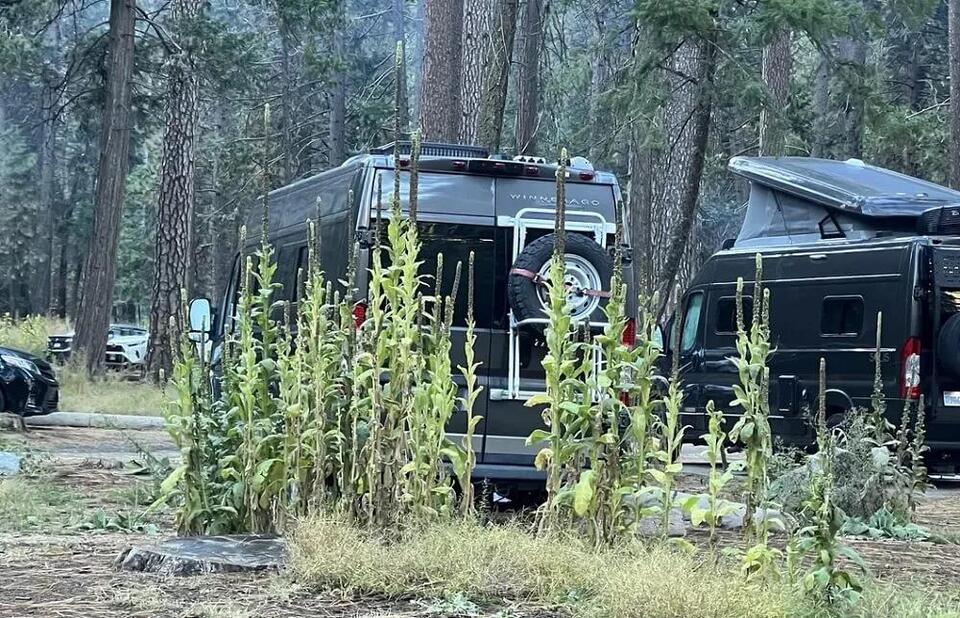
boothconnor+FollowYosemite’s wild invader: Mullein takes overTall, alien-looking plants are popping up all over Yosemite campsites, and they’re not just a quirky sight—they’re mullein, an invasive species that’s crowding out native plants and threatening the park’s ecosystem. It’s wild to see how quickly these non-native plants can take over, changing the landscape and making life harder for local wildlife. Some folks in Colorado have even seen entire fields taken over by mullein! This really makes you think about how important it is to protect native plants and be mindful of what we introduce into our environment. Have you noticed invasive species where you live? #News #Yosemite #InvasiveSpecies00Share