Tag Page historyfacts

#historyfacts
The Story Behind...

People have been pouring their secrets onto paper for thousands of years, long before cute notebooks and lock-and-key diary sets ever existed. Ancient civilizations kept personal journals to record dreams, prayers, confessions, and warnings for the future. These weren’t just “dear diary” moments… they were survival notes. People wrote to remember what their minds tried to forget. By the Middle Ages, diaries turned into a quiet rebellion. When you couldn’t speak freely in public, you spoke on the page. When society told you to stay quiet, the ink said otherwise. And when real life got too heavy, the diary became the one place you could say the truth without getting judged, punished, or silenced. In the 1800s, diaries became more personal and emotional, especially for women and young people whose voices the world didn’t value yet. Their diaries became proof that they lived, felt, loved, struggled, and survived in ways history books didn’t care to record. A lot of what we know about everyday life back then comes from people who never thought anyone would read their pages. Today, diaries look different—notes apps, voice memos, private folders, journaling apps—but the purpose is the same. A diary is the place you tell the truth you don’t feel safe saying out loud. It’s where you sort your emotions before they spill out in the wrong direction. It’s where you keep track of who you used to be and who you’re becoming. No matter what the world looks like, people will always need a place to put their heart when it feels too full. Diaries aren’t just books… they’re mirrors, release valves, healing tools, and time capsules of our inner world. #TheStoryBehind #Diaries #HistoryFacts #DidYouKnow #LearnSomethingNew
The Story Behind...

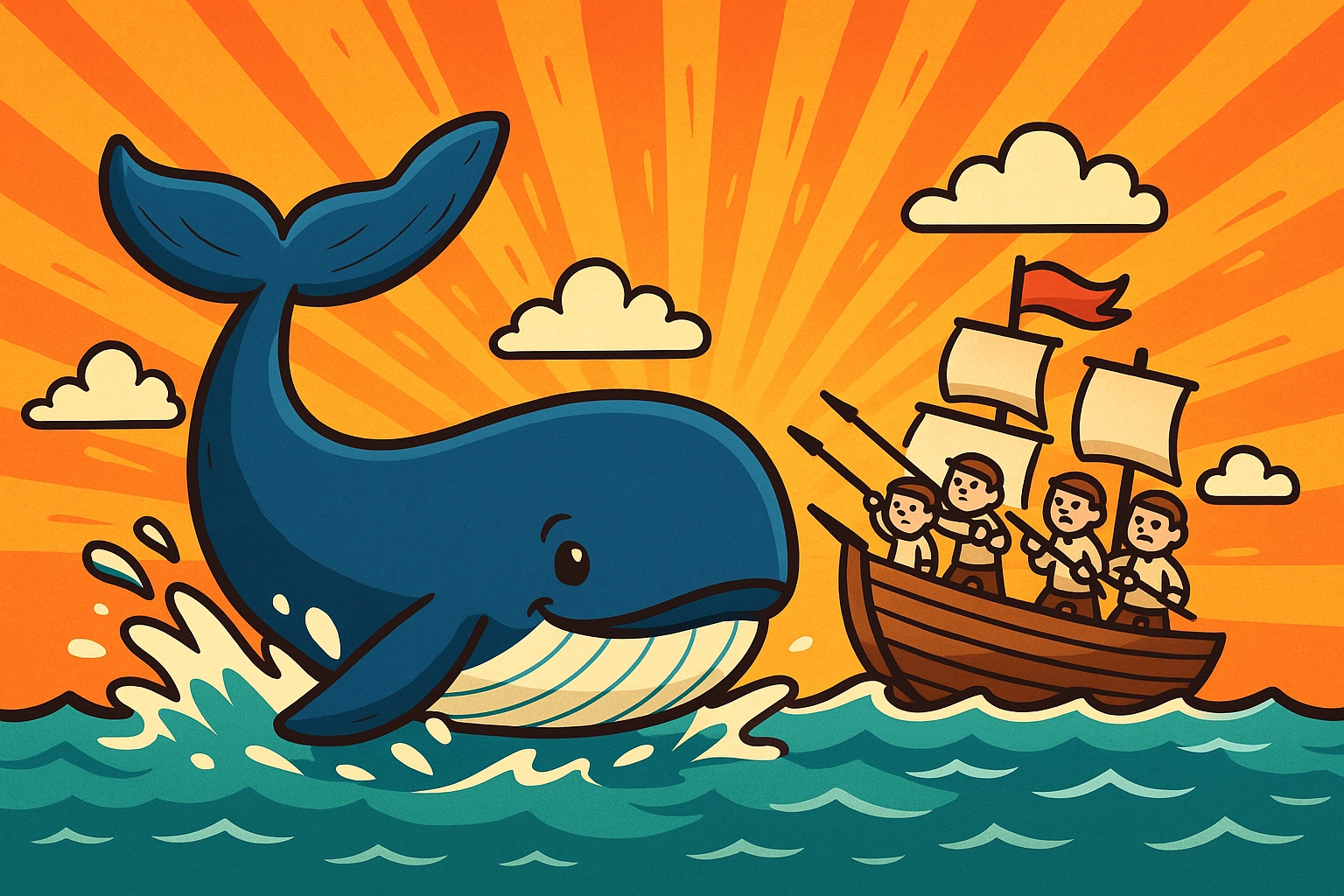
Whaling didn’t start as a brutal industry. Thousands of years ago, coastal communities survived on anything the ocean offered — including whales that washed ashore. Those early hunts were small, respectful, and rooted in survival, not profit. Everything changed in the 1600s and 1700s. As European and American ships expanded across the oceans, whales became “liquid gold.” Whale oil lit lamps, powered machinery, greased factories, and made nations rich. The bones were turned into tools, umbrellas, corsets, even furniture. A whole economy was built on the backs of the largest animals on Earth. But the work was violent. Sailors chased whales for hours, stabbed them with harpoons, and watched them bleed across the sea. Ships risked storms, freezing waters, and being dragged under by whales fighting for their lives. Thousands of men died doing it. By the 1800s, the demand was so great that entire whale populations collapsed. Species were pushed to the edge of extinction long before anyone cared about conservation. The turning point came when petroleum replaced whale oil and new laws began protecting marine life. What was once a booming industry became a symbol of human greed and carelessness. Today, most countries have banned commercial whaling, but a few still continue the old traditions under different names. The legacy of whaling is complex — part survival, part industry, part destruction. It shows how far humans will go to chase profit, and how quickly a giant of the sea can disappear when the world decides it’s “useful.” #TheStoryBehind #Whaling #HistoryFacts #OceanHistory #HiddenHistory #DidYouKnow #NewsBreakCommunity #LearnSomethingNew #WildlifeHistory

You've reached the end!
Tag: historyfacts - Page 2 | LocalAll