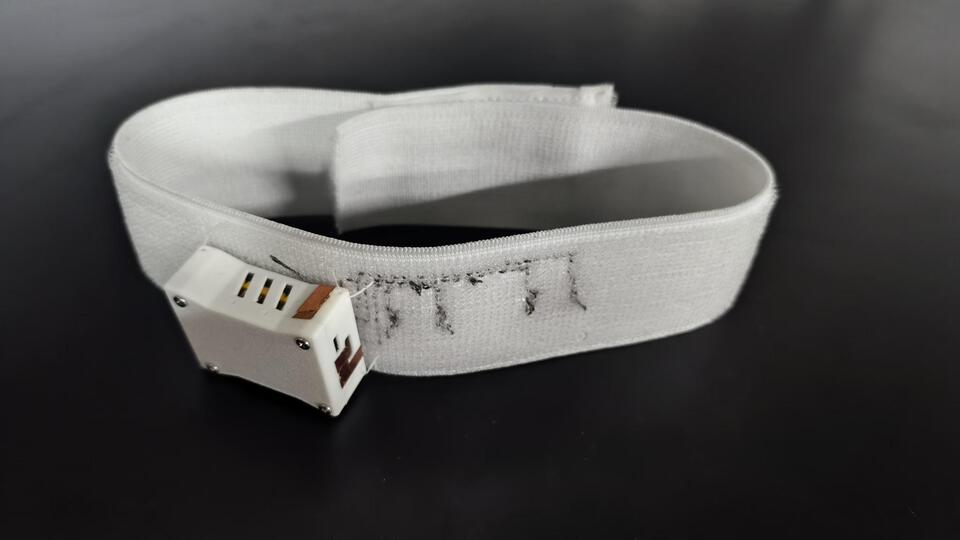
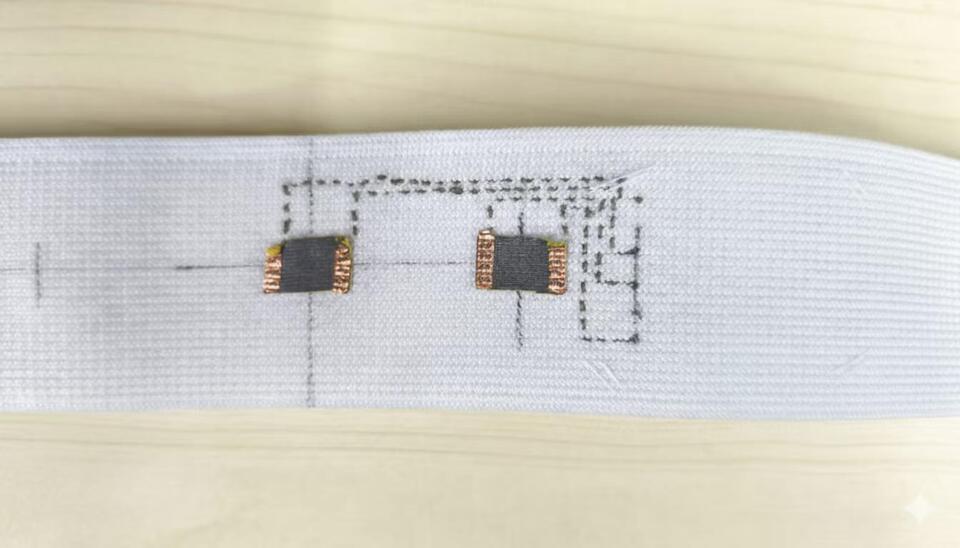
Christopher Rice+FollowWould You Trust AI to Speak for You?Imagine regaining your voice after a stroke—without surgery. The new Revoice wearable from Cambridge uses sensors and artificial intelligence to decode speech and even emotion from throat vibrations, translating them into spoken words. It’s washable, comfortable, and could mean independence for millions. But here’s the debate: Would you trust an AI-powered device to interpret your words and feelings, or does this tech cross a line? #Tech #AIInnovation #HealthTech00Share
Angela Chavez+FollowWould You Trust a Breath-Based Glucose Tracker?Needle-free glucose monitoring has always sounded like science fiction, but the new isaac device is changing the conversation. Instead of drawing blood, it analyzes your breath for metabolic signals. For people with diabetes, this could mean fewer finger pricks and earlier alerts for dangerous swings. But can a breath sensor really keep up with the accuracy of traditional monitors? Would you feel confident relying on this tech for your health? Let’s debate: is this the future, or just hype? #Tech #HealthTech #DiabetesCare00Share
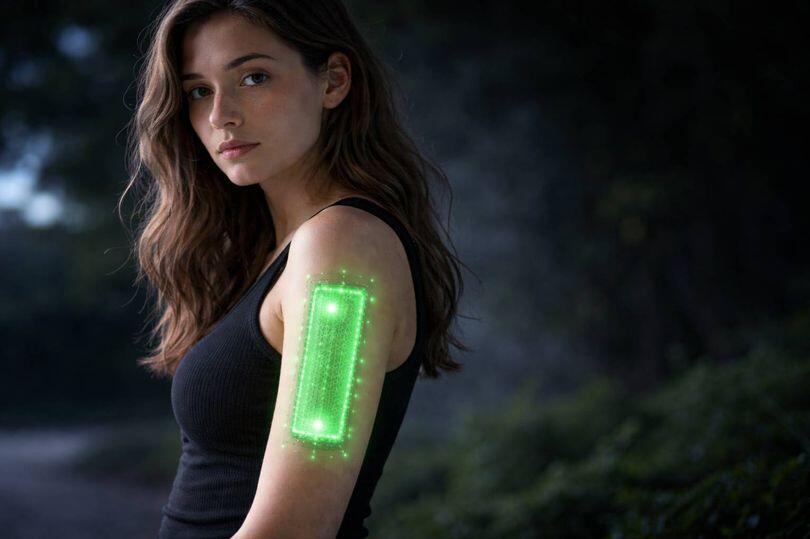
Amanda Crosby+FollowWould You Wear Living Skin Tech?Imagine swapping your smartwatch for a living skin implant that glows green when your body detects early signs of illness. Japanese researchers have engineered this next-gen health tech using stem cells, creating a self-sustaining sensor that tracks internal biomarkers and gives you a visual health update—no batteries required. Is this the future of personal health monitoring, or does it raise new privacy and bioethics concerns? Would you trust your body to bio-integrated tech? #Tech #HealthTech #Wearables00Share
David Garcia+FollowCan We Trust AI With Our Health?Google just pulled some AI-generated health summaries after they were caught giving dangerously inaccurate info about liver tests. As someone who loves tech but also values real expertise, this raises a big question: should we trust generative AI with something as critical as medical advice? Is this a sign that AI still needs more guardrails, or is it just growing pains? Where do you draw the line between innovation and risk? #Tech #AIethics #HealthTech00Share
Spencer Brewer+FollowSwallow a Pill, Send a Signal?Imagine a pill that literally tells your doctor you took it! Scientists have created a capsule that sends a radio signal from your stomach once you swallow it. It’s designed for people who really need to stick to their meds—think transplant patients or those with serious infections. The tech is still being tested, but wow, talk about next-level accountability (and maybe a little Big Brother vibes?). Would you be cool with your meds checking in for you? #Health #BodyHealth #healthtech00Share
Hannah Jones+FollowGoogle’s AI Health Advice: Helpful or Harmful?Google just scaled back its AI-powered health summaries after a wave of backlash over dangerous misinformation. The AI was serving up medical advice that ignored crucial personal factors—think age, gender, ethnicity—potentially putting lives at risk. As tech keeps pushing into healthcare, should we trust search engines with our health, or is this a wake-up call for stricter oversight? Would you rely on AI for medical info? Let’s debate. #Tech #GoogleAI #HealthTech10Share
Cheryl Bennett+FollowWeight Loss Is About to Get WildWeight loss is about to look totally different by 2026! Experts say those weekly GLP-1 shots (like Wegovy) will be rebranded as full-on metabolic game-changers—not just weight loss helpers. Pills, implants, and even incision-free surgeries are coming, making things way easier. Plus, AI could help personalize your plan, and digital apps might soon be legit prescriptions. Basically, the future of weight loss is all about options, convenience, and results that last. #Fitness #WeightLoss #HealthTech10Share
Kathleen Pham+FollowAre AI Billing Bots Making Healthcare Riskier?Let’s talk about the digital headaches from the latest medical record system updates. The push for smarter, faster billing has unleashed a wave of “zombie codes” and AI-driven upcoding—patients are getting billed for services they never received, or charged more because the software misreads the doctor’s notes. Is this just growing pains, or are we letting automation run wild in healthcare? Have you spotted any strange charges since January? Sound off below! #Tech #healthtech #AIsafety00Share
Kelly Sanchez+FollowWould You Trust AI to Predict Your Future?Just tried Waterlily, an AI tool that forecasts when you might need long-term care. It crunched my data and told me I’ll likely need help at 86, with a price tag that’s hard to swallow. It’s wild how algorithms are shaping life planning, but can we really trust them with something this personal? Would you use AI to map out your future, or is this a step too far? Let’s debate. #Tech #AIethics #HealthTech00Share
Harold Sosa+FollowThis Color Chart Could Change Doctor VisitsEver tried to describe a weird color to your doctor and felt totally awkward? There’s now a free online tool that works like a paint chart for bodily fluids—yep, urine, poop, and more. It gives exact shades and codes, so everyone’s on the same page (and no more guessing what ‘greeny-brown’ means). It’s already helping doctors worldwide diagnose faster and cut down on miscommunication. Honestly, why didn’t we have this sooner? #Health #MentalHealth #healthtech10Share