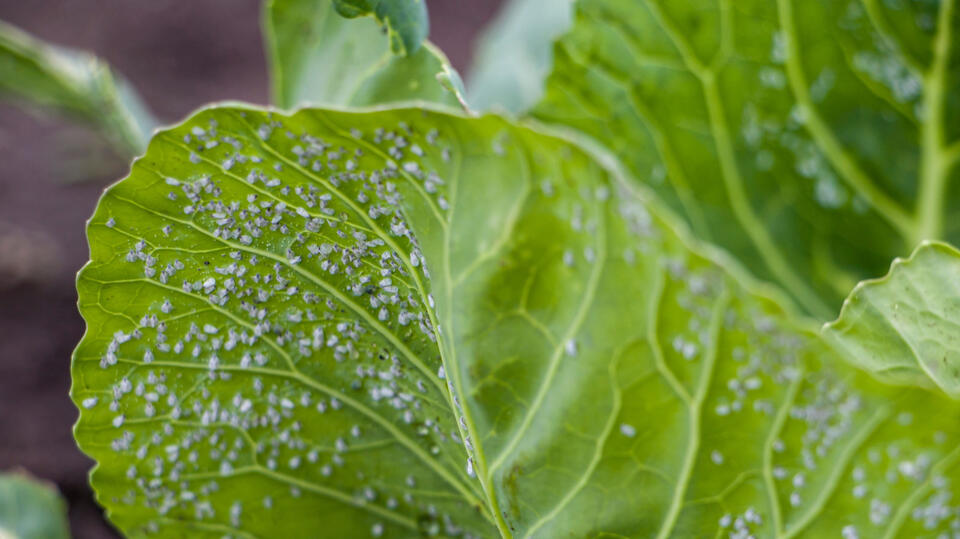
Adam Boyer+FollowStop garden pests with this kitchen stapleTurns out, you don’t need harsh chemicals to keep aphids and whiteflies off your plants—just a little milk from your fridge. Many gardeners swear by a simple milk-and-water spray to tackle pests and even prevent powdery mildew. It’s cheap, easy, and safe for pollinators, making it a win for anyone who wants to keep their garden all-natural. There’s some debate about the best milk type and dilution, but most agree it works best when sprayed under leaves in the early morning or evening. Have you tried this trick? What’s your go-to garden pest fix? #Home #gardeningtips #naturalpestcontrol20Share
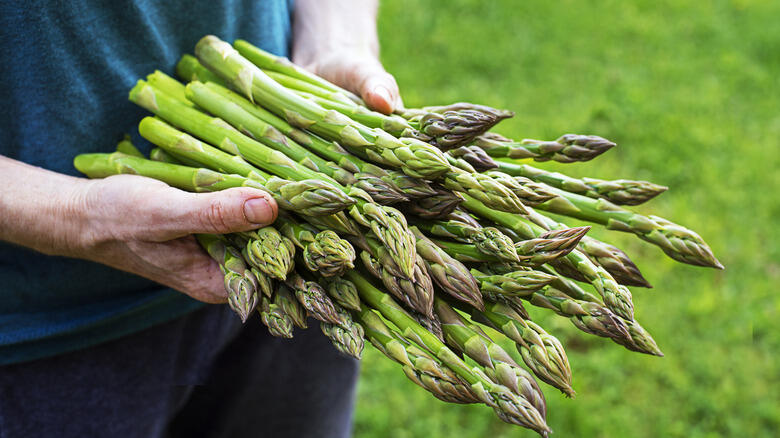
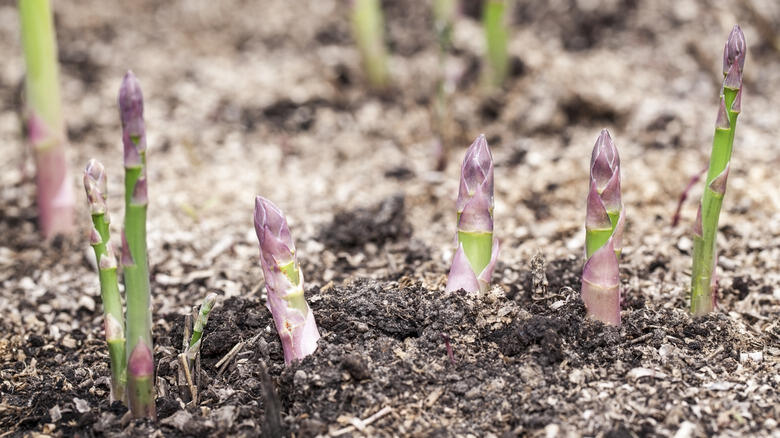
evanshaley+FollowFireplace Ash = Asparagus Superfood?Who knew the secret to epic asparagus is hiding in your fireplace? Wood ash is loaded with calcium and potassium, and it’s basically a natural, neutral fertilizer that keeps those asparagus beds thriving for years. Just sprinkle a little in winter or early spring (not too much!), and watch your spears get fatter and stronger. Bonus: it helps fight off weeds and balances your soil’s pH. Next time you clean out the fireplace, save that ash! #Home #gardeningtips #asparagus00Share
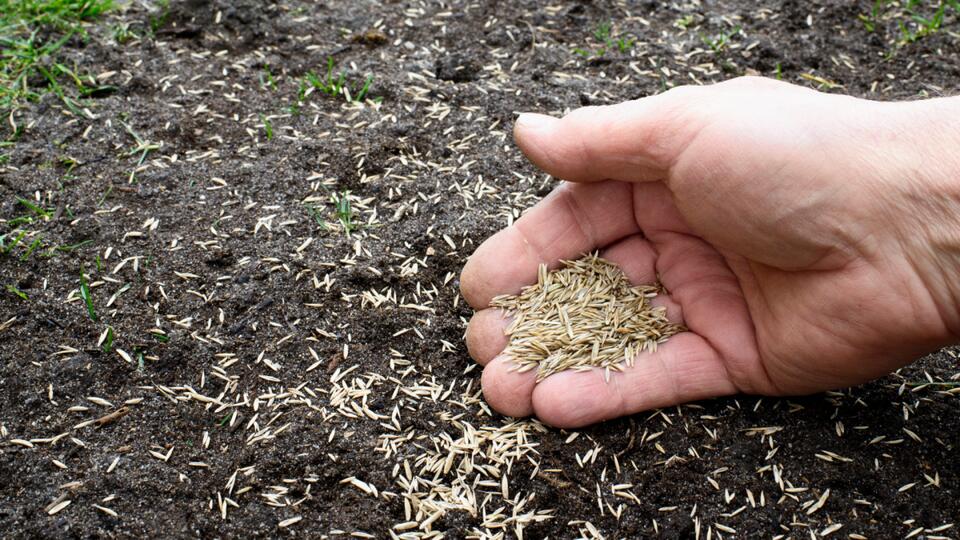
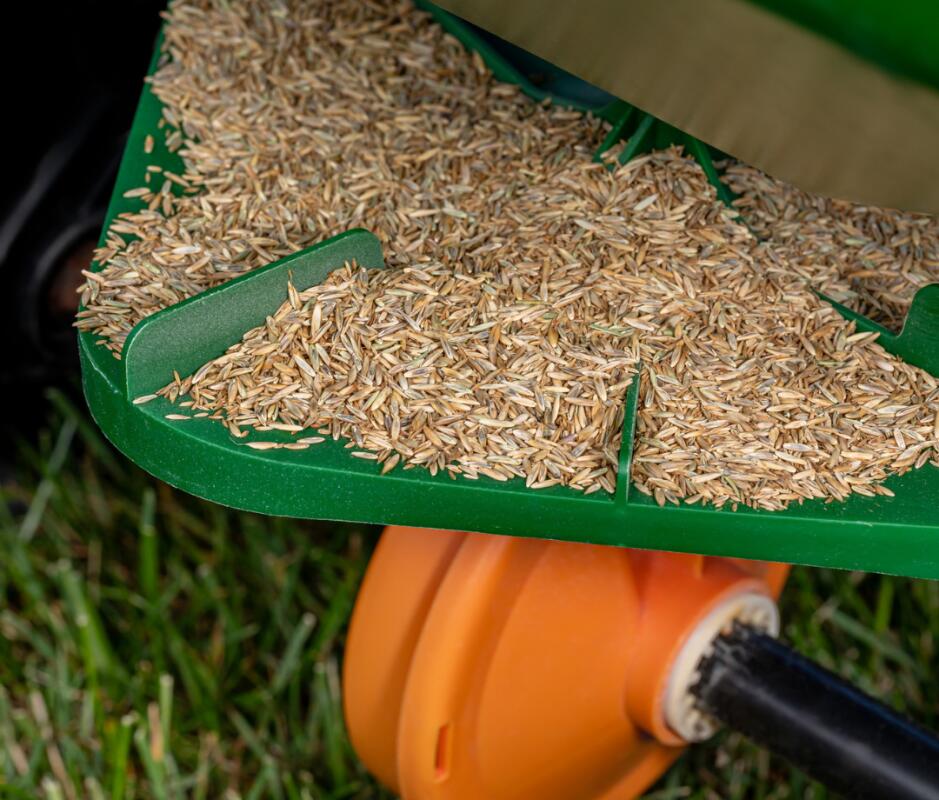
Susan Ball+FollowWhy January is a secret weapon for your lawnMissing the fall planting window doesn’t mean you have to wait until spring to seed your lawn. If your ground isn’t frozen, dormant seeding in January can give your grass a head start. The winter freeze-thaw cycle naturally cracks the soil, letting seeds settle in without all the heavy labor. Plus, seeds germinate right as spring hits, giving them more time to grow before summer heat. Just check your soil temp (below 40°F is key), avoid frozen ground, and try seeding before a snowfall for best results. Anyone tried this winter trick before? #Home #LawnCare #GardeningTips150Share
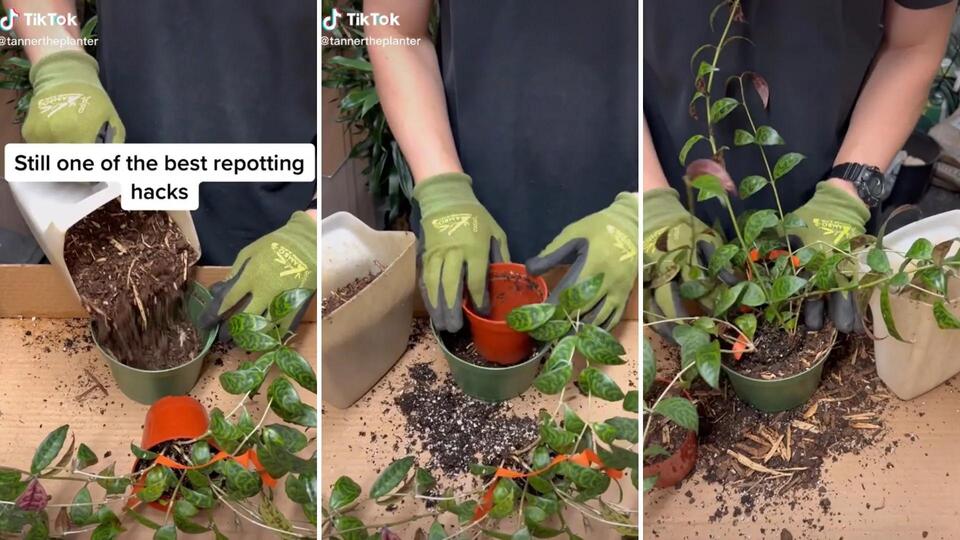
Adam Boyer+FollowThis Plant Repotting Hack Is GeniusWhy did no one tell me about this plant hack sooner?! If you’ve ever struggled to repot your plants without making a mess or stressing out your green babies, you NEED to try this. Just use your old pot to make a perfect hole in the new one—no more guessing or off-center plants. Even pro gardeners are shook. Seriously, this trick is a game-changer for anyone with houseplants! #Home #PlantHack #GardeningTips10Share
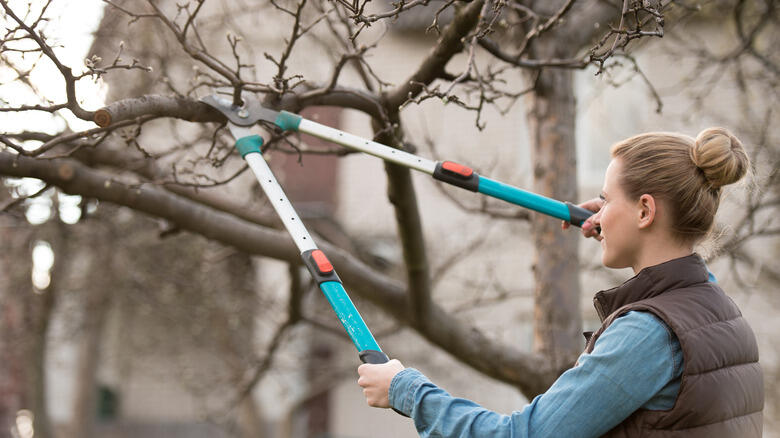
Jamie Brown+FollowWhy January is the best time to prune beech treesPruning your beech trees in January can make a huge difference come spring—think fuller canopies, fewer pests, and healthier growth. Since beech trees drop their leaves in fall, winter is the perfect window to trim away dead or crowded branches. This not only boosts airflow and sunlight but also helps prevent fungal diseases. Just don’t go overboard; you want to keep that lush look! If you’ve got young beech trees, shaping them now pays off later. Anyone else make winter pruning part of their garden routine? Share your tips or before-and-after pics! #Home #gardeningtips #beechtrees00Share
William Wilkerson+FollowBackyard surprise: Why landscape fabric failsFinding old landscape fabric buried in your yard is more than just a hassle—it’s a wake-up call for gardeners everywhere. Not only does this stuff make weed control harder in the long run, but it also compacts soil, blocks nutrients, and even adds microplastics to your garden. After 23 years, one homeowner finally dug it up and shared a better way: using cardboard and wood chips. They’re natural, break down over time, and actually help your soil thrive. Have you ever battled with buried plastic or tried this eco-friendly swap? Let’s hear your yard horror stories and gardening wins! #Home #gardeningtips #backyardhacks00Share
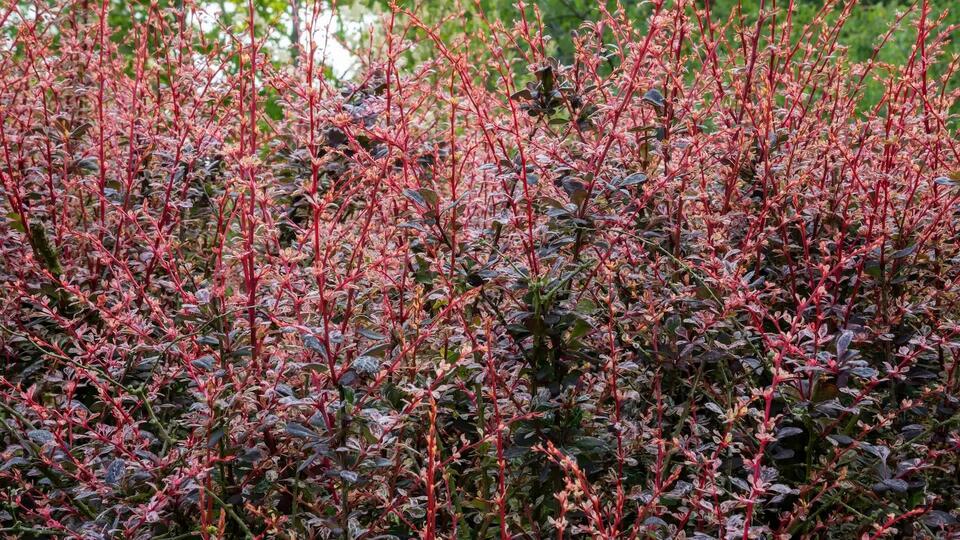
William Wilkerson+FollowThis Plant Is Wrecking Yards EverywhereJapanese barberry might look harmless, but it’s actually a total menace for your yard and local wildlife. It creates the perfect hideout for ticks and mice (hello, Lyme disease risk), and it’s spreading like crazy across North America. Gardeners on Reddit are sharing horror stories about trying to get rid of it—apparently, the roots are next-level stubborn. If you want a healthy, tick-free yard, experts say it’s time to ditch this invasive plant and go native! #Home #gardeningtips #invasivespecies00Share
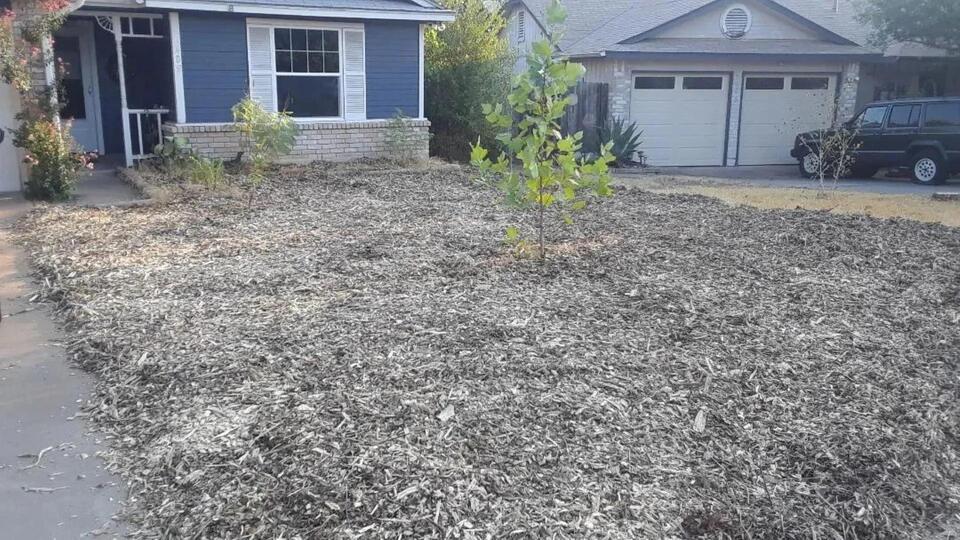
evanshaley+FollowWhy wood chips might not kill your grass for goodTurns out, smothering your lawn with wood chips isn’t always a permanent fix—one homeowner found out the hard way when their grass made a dramatic comeback after three years. After covering a dead lawn with several inches of wood chips (sourced for free from tree removal crews), they enjoyed a lush sunflower garden—until the grass pushed through the mulch, stronger than ever. The trick they missed? Laying down a barrier like cardboard first. It’s a real eye-opener for anyone considering ditching their grass for a more eco-friendly yard. Has anyone else tried this method or had a similar surprise? #Home #gardeningtips #lawncare10Share