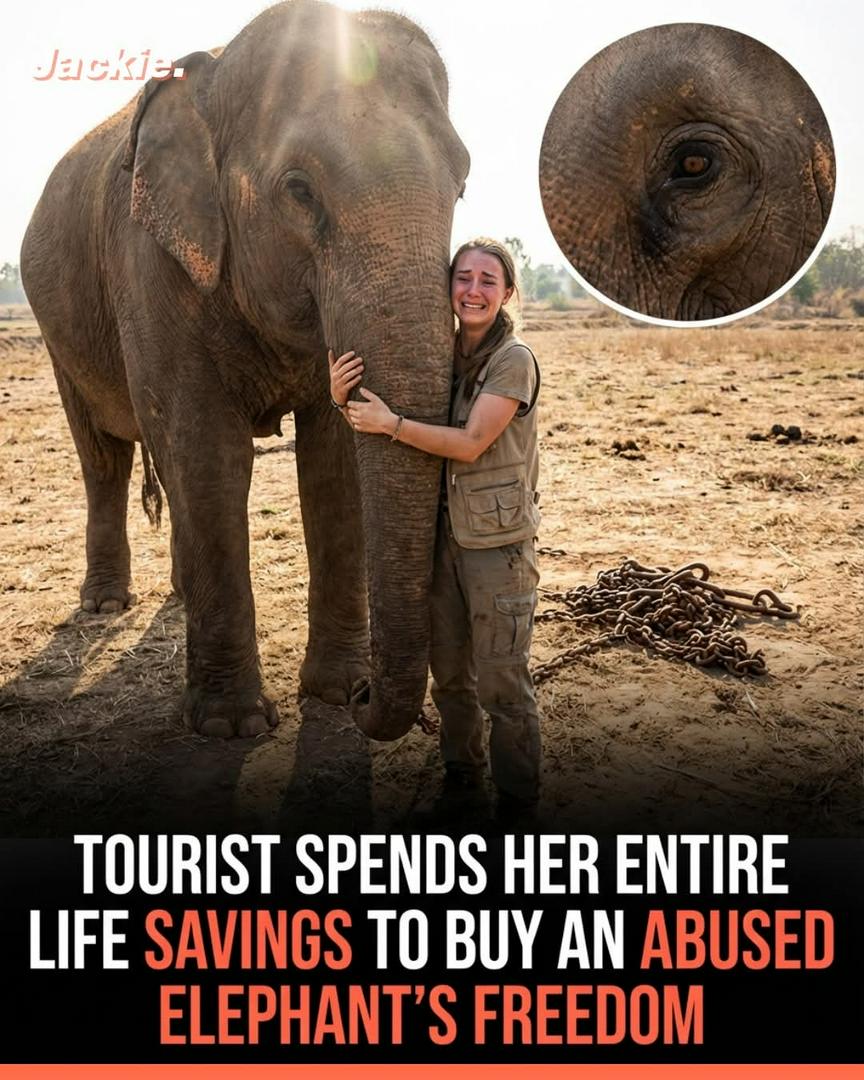
Tiffani chavez+Follow"She had saved $5,000 for a luxury trip to Thailand. But she didn't spend it on hotels. While walking past a trekking camp, Sarah saw ""Nala,"" an elderly elephant chained to a concrete post. Nala was swaying back and forth—a sign of extreme distress. Her eyes looked dead. She had been carrying tourists on her back for 40 years. Sarah locked eyes with the giant animal and started crying. She found the owner and made an offer. She emptied her entire savings account right there in the dirt. ""I'm not renting her,"" Sarah said. ""I'm buying her retirement."" A friend snapped a photo of the moment the heavy chains were finally unlocked. Nala touched Sarah's face with her trunk, letting out a low rumble that vibrated through the ground. She now lives in a sanctuary, and Sarah went home broke, but richer than ever. Freedom is the only souvenir worth buying. 🐘❤️ #ElephantRescue #AnimalRights #Thailand #Kindness #Freedom #StopAnimalAbuse #TravelWithPurpose #ViralStory"92274Share
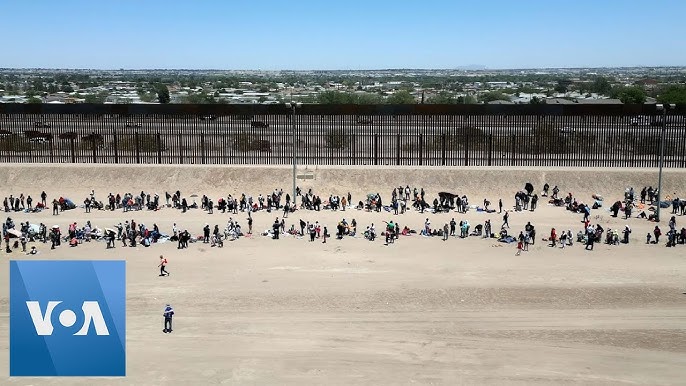
pbrewer+FollowVisiting the US-Mexico Border Changed How I See “Freedom” 🇺🇸🇲🇽 I thought visiting the US-Mexico border near El Paso would be a quick stop — just to “see the wall.” But standing there, watching families on both sides wave to each other through metal bars, I felt something crack inside me. On the American side, tourists took selfies like it was an attraction. On the Mexican side, I saw a woman holding a baby, crying as she looked across. The distance between them was less than ten feet, but it felt like a lifetime. We talk about “freedom” like it’s something America owns. But that day, I realized it’s not about where you live — it’s about whether you’re allowed to cross. And some people never are. #Travel #America #Freedom10351Share