Tag Page facebookrepost

#facebookrepost
Hatter Gone Mad

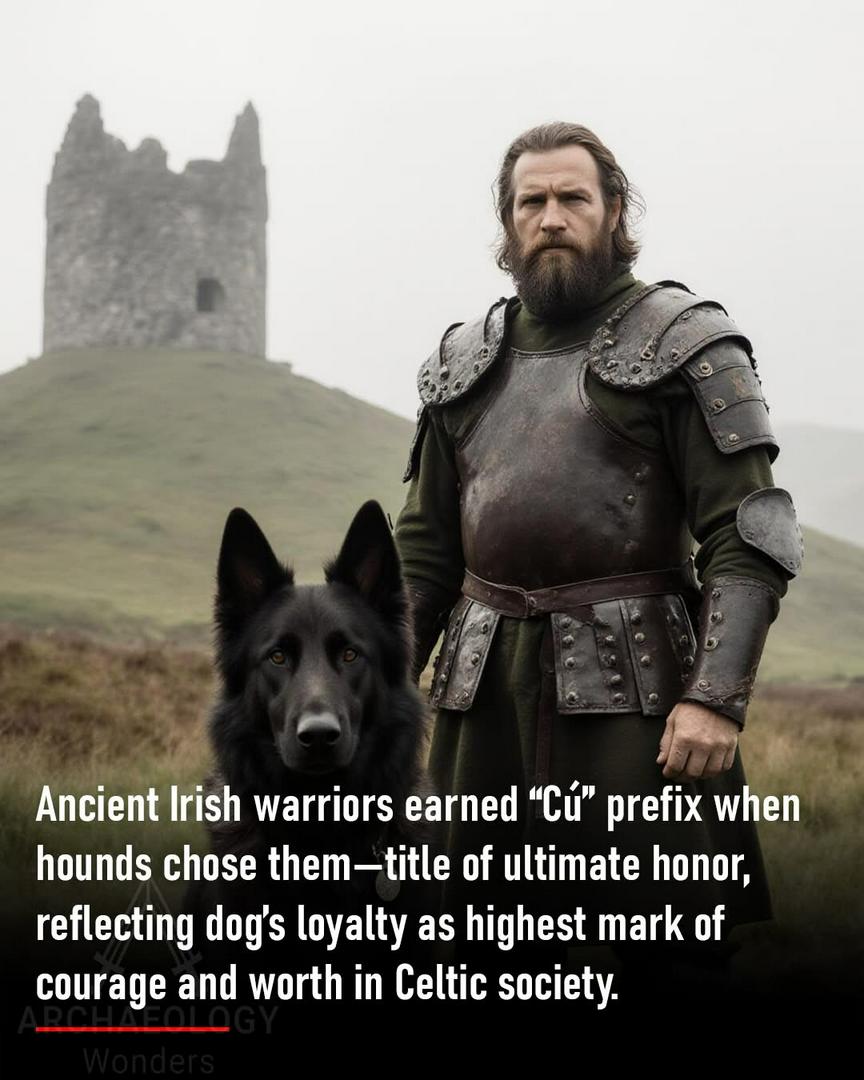
In ancient Ireland, dogs weren’t mere companions—they embodied loyalty, courage, and divine favor. Celtic society revered hounds as symbols of the warrior ideal: swift, fierce, and bound by unbreakable bonds. So profound was this respect that a king or hero proven worthy of a hound’s devotion earned the honorific prefix “Cú” (“hound”) before his name, marking him as one trusted by the noblest of beasts. This wasn’t casual flattery. The title reflected a cultural belief: only the truly valorous deserved a dog’s unwavering allegiance. Legends abound of hounds refusing food after their master’s death or fighting to the end beside fallen lords. The greatest hero, Cú Chulainn—“Hound of Culann”—earned his name after slaying a ferocious guard dog in youth, then offering to take its place until a replacement grew. “Cú” elevated men to mythic status: Cú Roí, Cú Faol—names echoing through sagas as paragons of honor. To bear it meant embodying the hound’s virtues: fidelity beyond reason, ferocity in defense, and a heart that chose its master freely. Ancient Ireland saw in dogs a mirror of the soul’s highest calling—loyalty not commanded, but given. #Facebookrepost

Hatter Gone Mad

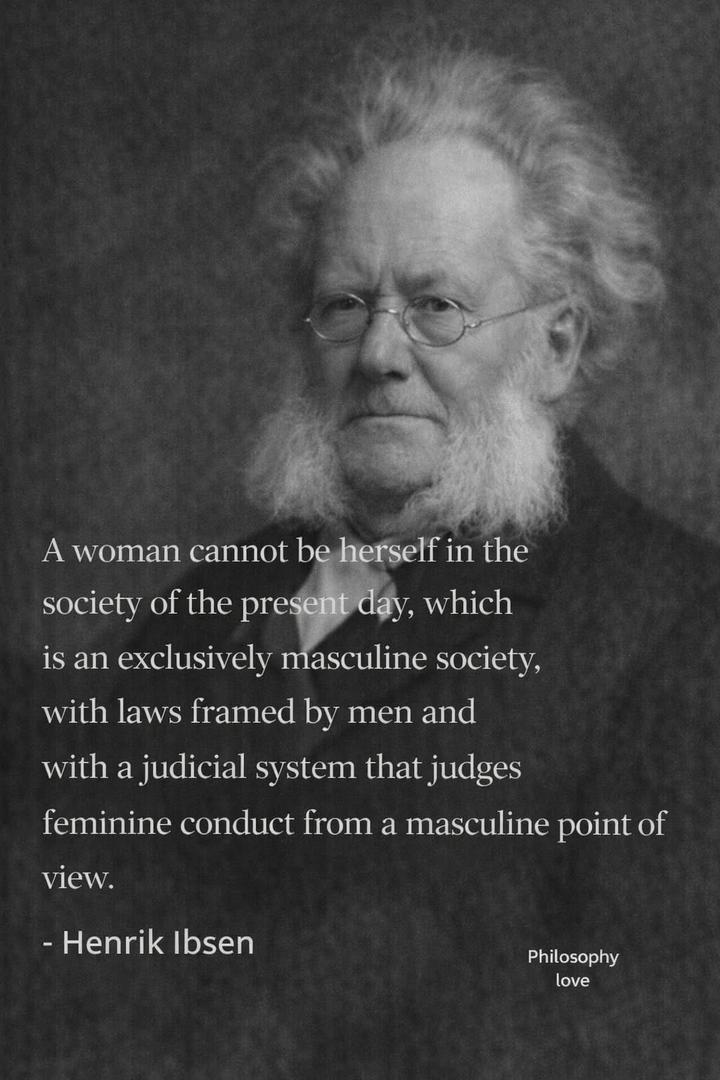
Henrik Ibsen / . "A woman cannot be herself in the society of the present day, which is an exclusively masculine society, with laws framed by men and with a judicial system that judges feminine conduct from a masculine point of view." . "Henrik Johan Ibsen was a Norwegian-Danish playwright and theatre director. As one of the founders of modernism in theatre, Ibsen is often referred to as "the father of realism" and one of the most influential playwrights of his time. His major works include Brand, Peer Gynt, An Enemy of the People, Emperor and Galilean, A Doll's House, Hedda Gabler, Ghosts, The Wild Duck, When We Dead Awaken, Rosmersholm, and The Master Builder. Ibsen is the most frequently performed dramatist in the world after Shakespeare, and A Doll's House was the world's most performed play in 2006. Ibsen's early poetic and cinematic play Peer Gynt has strong surreal elements. After Peer Gynt Ibsen abandoned verse and wrote in realistic prose. Several of his later dramas were considered scandalous to many of his era, when European theatre was expected to model strict morals of family life and propriety." #facebookrepost