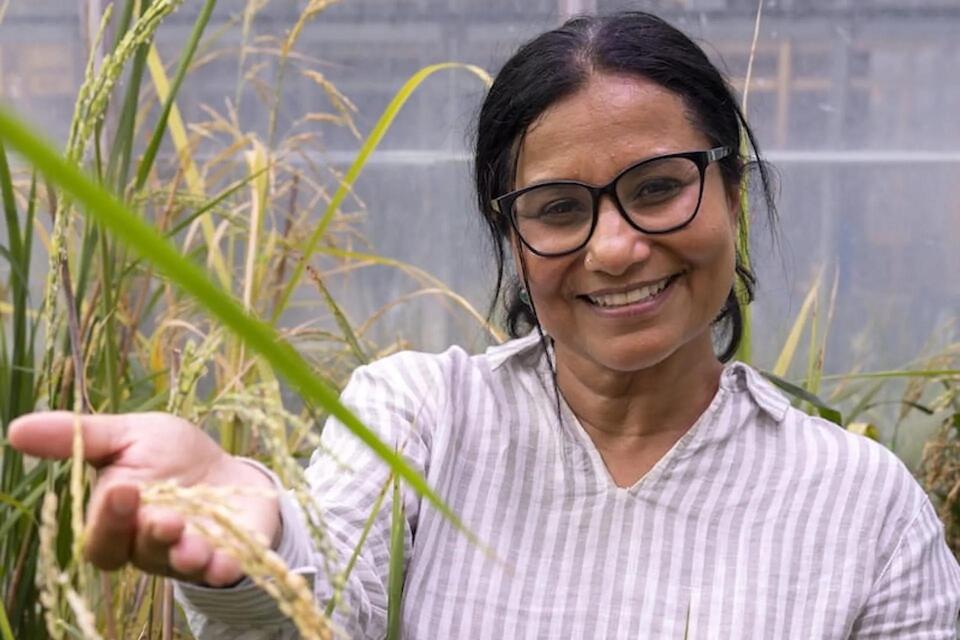
Zachary Gutierrez+FollowRice’s Secret Weapon Against Climate ChangeScientists just found a gene in rice that could be a total game-changer for our food supply. This “HYR” gene helps rice survive hotter nights and even droughts—meaning better yields and tastier grains, even as the planet heats up. Considering rice feeds half the world, this is huge. Imagine if all our staple crops had this kind of superpower! Science for the win! #Science #FoodSecurity #ClimateChange00Share
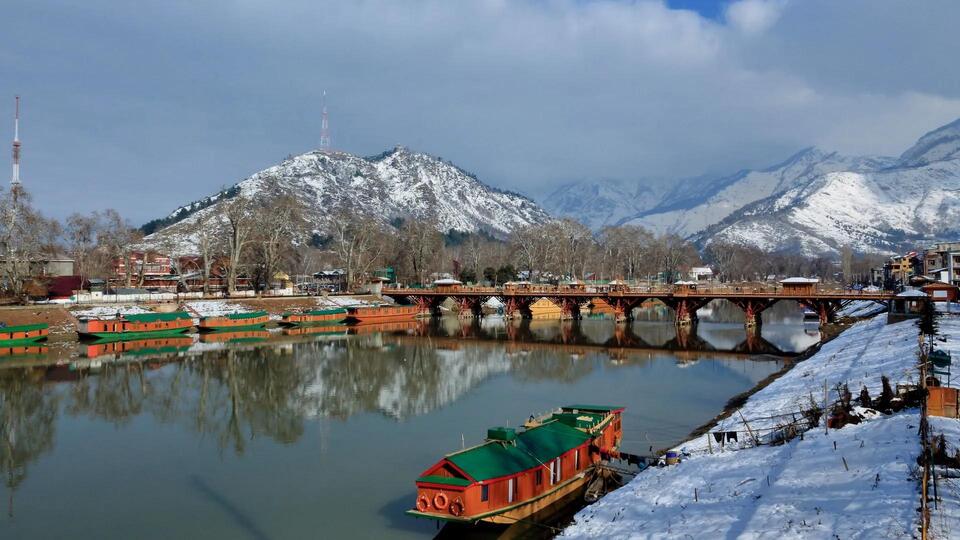
Tamara Jones+FollowHimalayan Snow Drought Is Getting RealDid you see the Himalayas are having a snow drought? Like, barely any snow on those iconic peaks this winter! It’s not just a bummer for tourists and skiers—locals are worried about water shortages, crop damage, and even wildfires. Experts say the region’s warming way faster than the rest of the world, so this could be the new normal. Even with some late snow, the effects might stick around. Wild, right? #Science #Himalayas #ClimateChange00Share
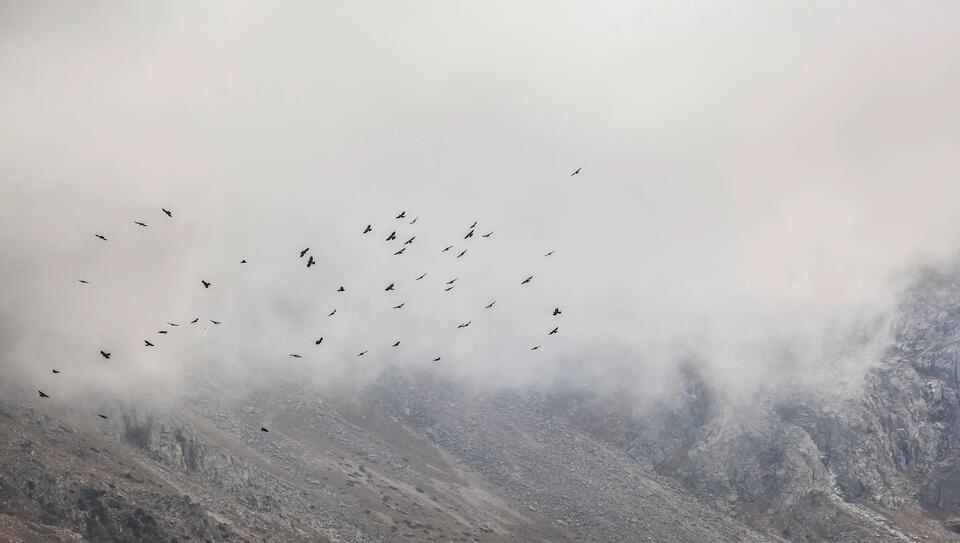
James Brady+FollowBirds Are Literally Climbing Mountains!Birds in Europe are moving higher up mountains every year—over 1.5 feet annually—just to escape the heat. Researchers tracked 177 species and found 63% now live at higher elevations than 20 years ago. It’s not just the sunny slopes; even shady sides are seeing this shift. Climate change is forcing birds to pack up and move, which could mess with entire ecosystems. Want to help? Make your yard bird-friendly with native plants and less reflective windows! #Science #ClimateChange #Birds90Share
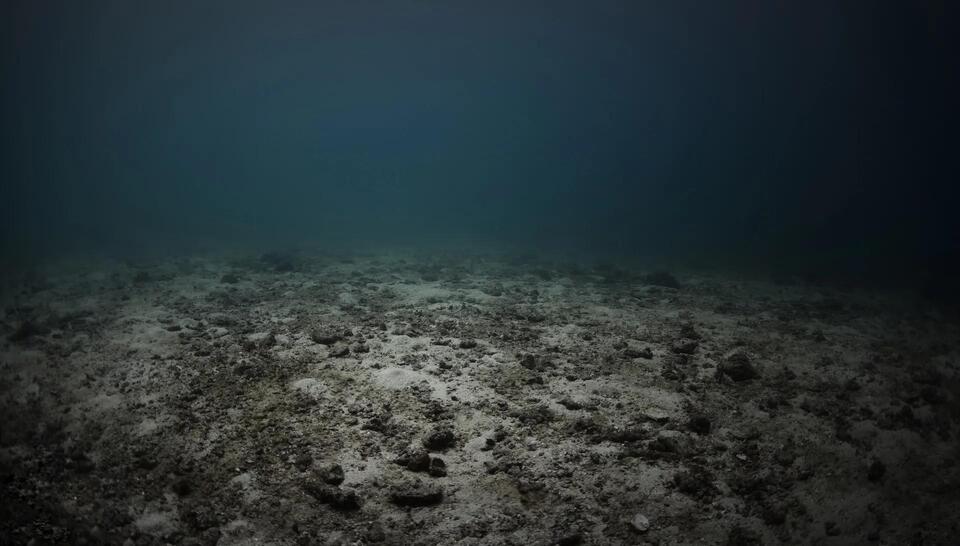
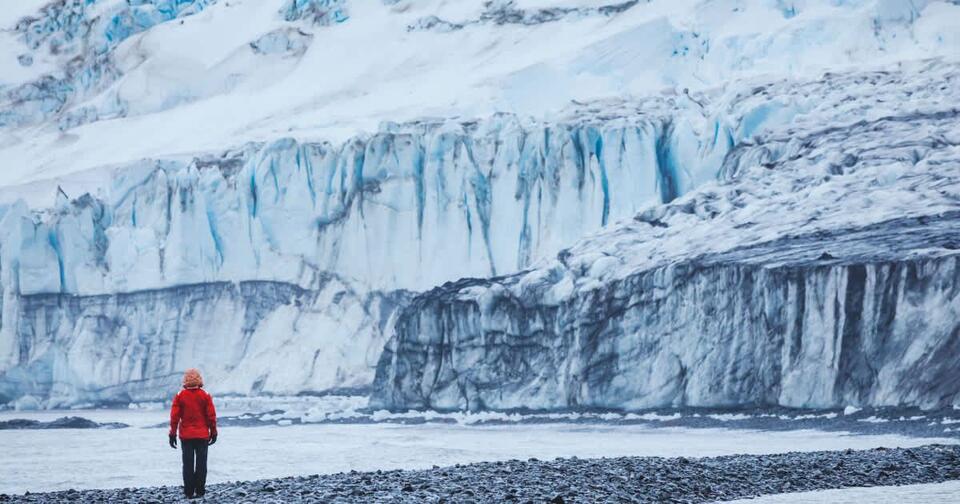
Michael Flores+FollowAncient Antarctic Waters Spill Their SecretsScientists just uncovered wild evidence that, thousands of years ago, warming in the Southern Ocean triggered a massive carbon release—helping end the last Ice Age. Now, with Antarctic waters heating up again, there’s a real risk history could repeat itself, unleashing more carbon and cranking up global temps. It’s like the planet’s own warning signal, reminding us that what happens at the bottom of the world doesn’t stay there. Wild, right? #Science #ClimateChange #Antarctica00Share
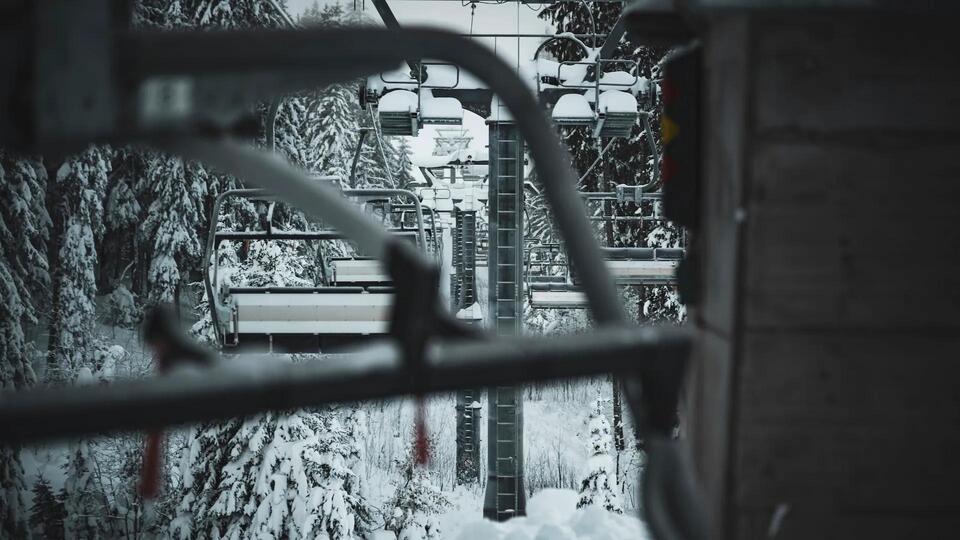
Brad Ramirez+FollowSki Resorts Are Reinventing Winter FunDid you know iconic ski resorts are scrambling to adapt as snow seasons shrink? The Swiss Alps are seeing less snow and more rain, with some resorts delaying openings and relying on artificial snow. To keep things going, they're investing in new tech like the 'Snow Compass' to predict snow days and shifting to year-round activities—think festivals, wellness centers, and snow tubing. Winter tourism isn’t disappearing, it’s just getting a major makeover! Would you visit a ski resort for non-ski fun? #Travel #SkiResorts #ClimateChange00Share
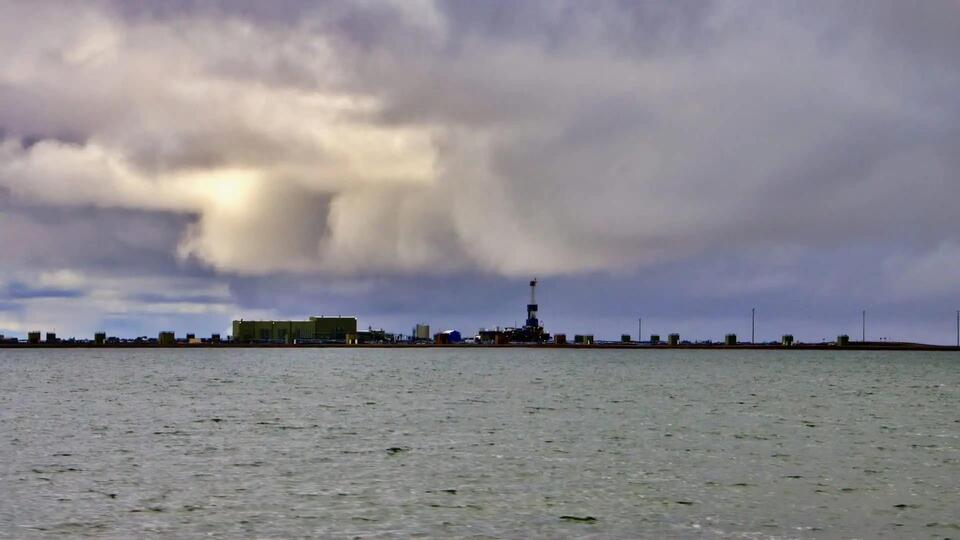
Arthur Booker+FollowHow Oil Fields Are Melting the Arctic FasterHere’s a wild one for your next coffee break: Scientists just found that pollution from North America’s biggest oil field is creating a chemical loop that’s melting Arctic ice even faster. Basically, cracks in the ice let out water vapor, which forms clouds that trap heat, causing more melting—and the cycle keeps going. The kicker? Pollution levels there rival big cities! Rising sea levels and crazier weather could hit closer to home than you think. Time to rethink those energy choices! #Business #Industry #ClimateChange20Share
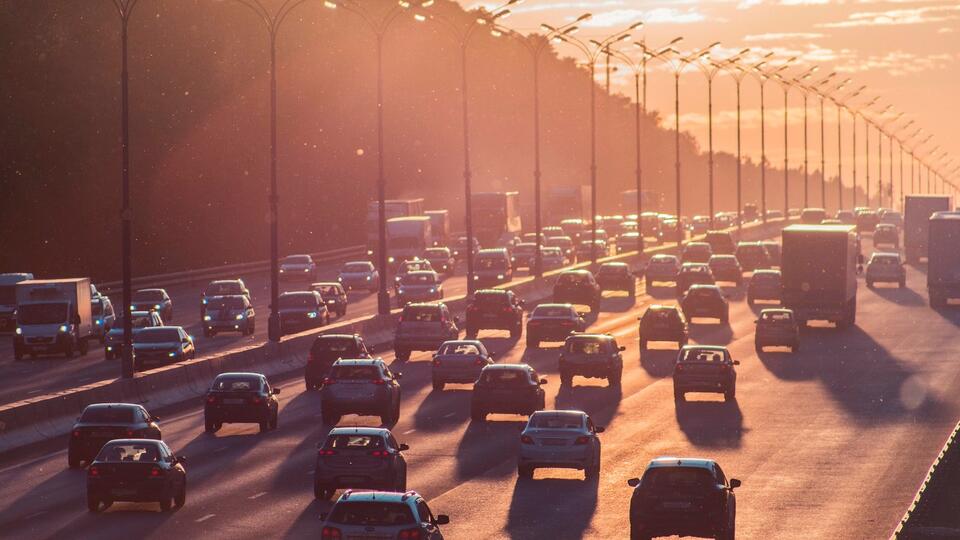
Leah Pierce+FollowCar Brands Getting Called Out Down UnderAustralia is about to put car companies on blast for missing CO₂ targets—literally naming and shaming brands that pollute too much. Meanwhile, the U.S. is going the opposite way, rolling back rules and letting automakers off the hook for gas guzzlers. The result? Aussies get a public scoreboard for emissions, while Americans get fewer climate rules. Which approach would make you switch brands? #Cars #climatechange #cars20Share
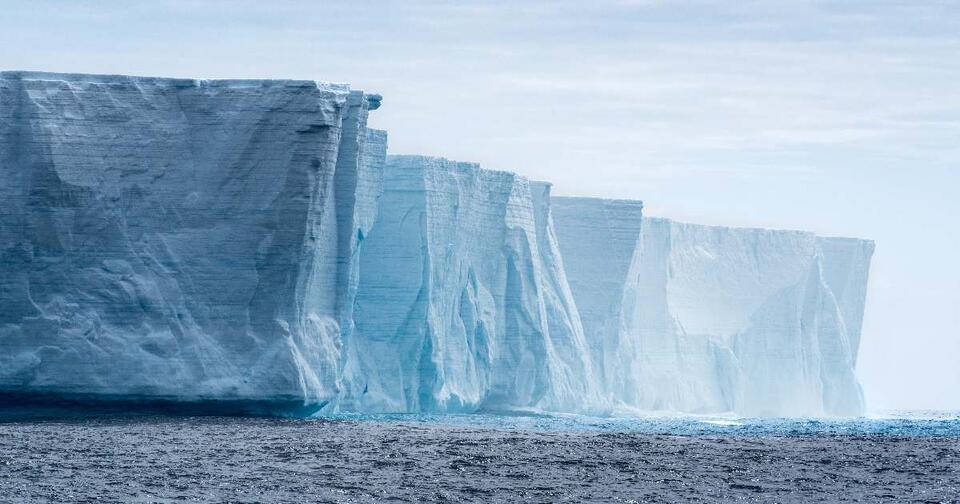
Richard Vaughan+FollowDoomsday Glacier Drama: It’s Cracking Up!The Thwaites ‘Doomsday Glacier’ is living up to its name, and scientists are officially freaking out. Cracks have doubled in length over 20 years, and now the ice shelf is basically hanging on by a thread. Warmer ocean water is making things worse, creating a vicious cycle of melting. If this keeps up, rising sea levels could be a real-life disaster movie for coastal cities. Mother Nature’s not playing around! #Science #DoomsdayGlacier #ClimateChange20Share
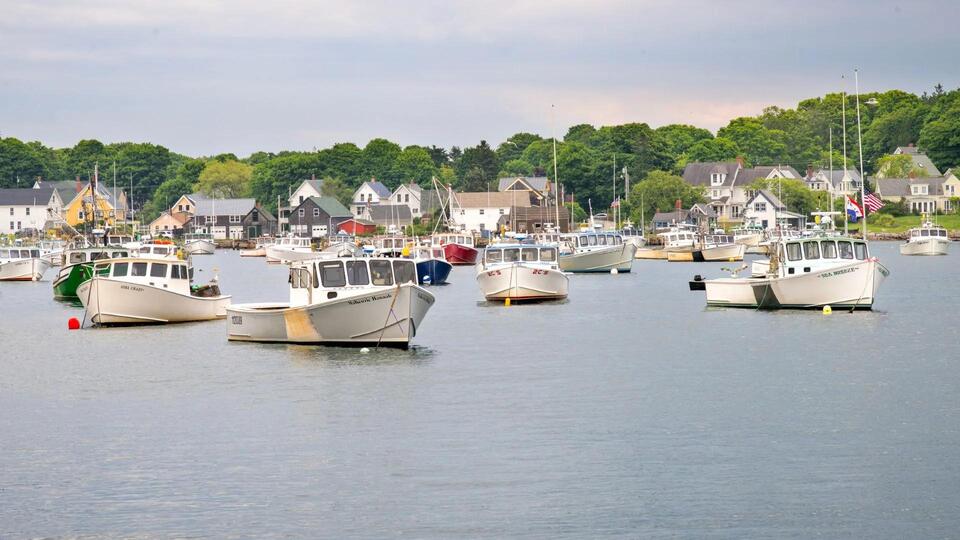
Zachary Gutierrez+FollowKelp Forests Under Attack!Did you know Maine’s iconic kelp forests are vanishing fast? Warming oceans and a takeover by invasive red algae (plus hungry sea urchins) are wiping them out. These algae even release chemicals that stop new kelp from growing! Losing kelp means less habitat for fish, trouble for local fisheries, and a shaky coastal ecosystem. Scientists are scrambling to find heat-resistant kelp and ways to fight back, but it’s a race against time. Would you miss kelp if it disappeared? #Science #ClimateChange #InvasiveSpecies00Share
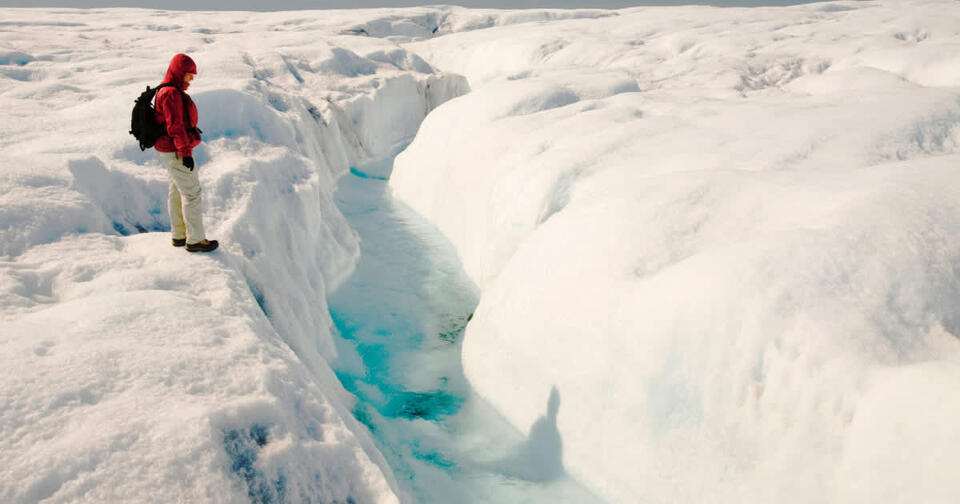
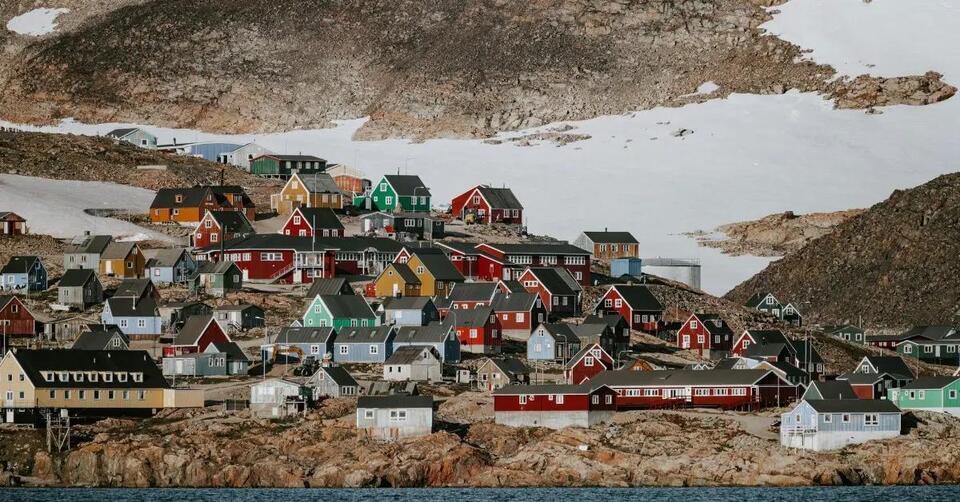
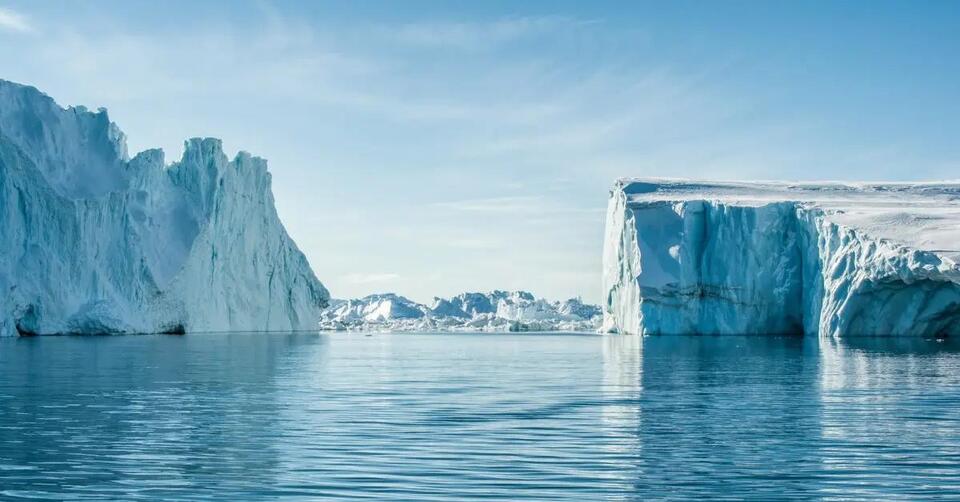
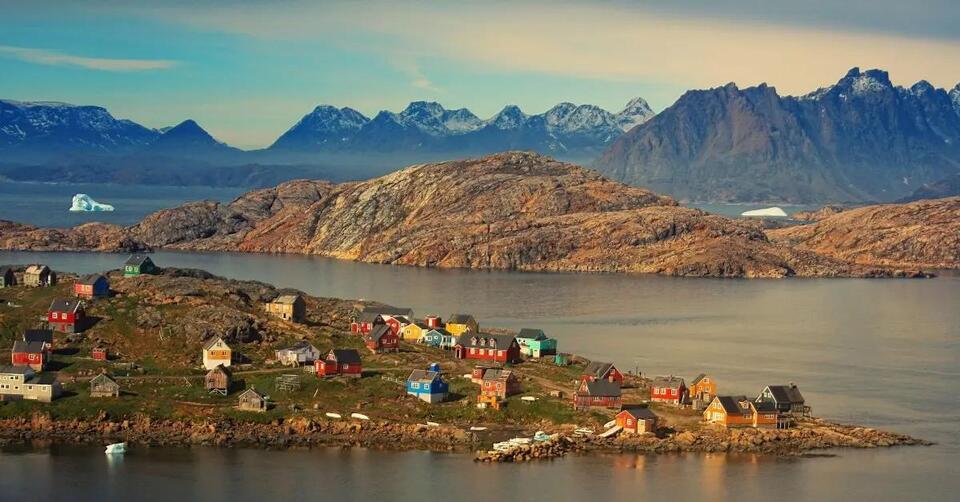
Richard Vaughan+FollowGreenland’s Secret Could Flood Cities FasterScientists just found soft sediments under Greenland’s ice sheet, and it’s a total game-changer. Turns out, the ice is sliding into the ocean way faster than anyone thought, which could mean sea levels rise sooner than expected. Coastal cities might need to speed up their plans to deal with flooding, and it’s not just about wet feet—think ruined crops, more disease, and even mosquitoes moving in. Wild how one discovery can shake up everything we thought we knew! #Science #Greenland #ClimateChange10Share