Tag Page cancerresearch

#cancerresearch
justme

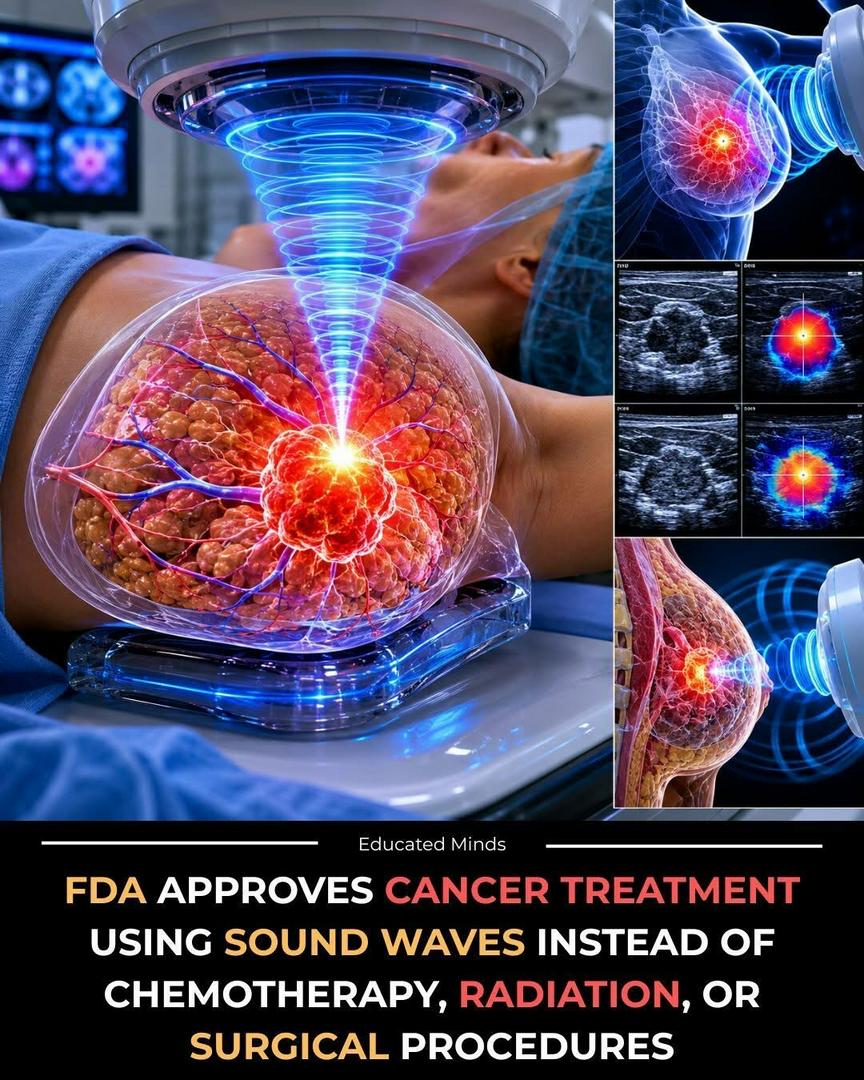
A newly approved cancer treatment can destroy tumors without a single cut. The U.S. Food and Drug Administration has approved a groundbreaking therapy that uses focused sound waves to target and destroy tumors from outside the body. Known as histotripsy, the technology can liquefy targeted tumor tissue while leaving nearby healthy tissue largely untouched. No scalpel. No radiation. No surgical incision. Because the procedure is noninvasive, many patients can go home the same day. It may also be an option for some people who are unable to undergo traditional surgery. Early results have attracted significant attention from researchers. In one landmark study, the treatment achieved a 95% success rate in meeting its clinical performance goals while producing very few major complications. For now, the technology is primarily being used for certain liver tumors, but scientists are already investigating whether it could eventually be adapted to treat cancers in other parts of the body. Fun fact: Histotripsy works by creating microscopic bubbles inside tissue. As the bubbles rapidly form and collapse, they mechanically break apart tumor cells without using heat or surgical instruments. Could treatments like this eventually make many cancer surgeries a thing of the past? #CancerResearch #MedicalInnovation #Health #fblifestyle #EducatedMinds Sources U.S. Food and Drug Administration (FDA) – Authorization of HistoSonics Histotripsy System for Liver Tumors HistoSonics – Pivotal Clinical Trial Results Radiological Society of North America (RSNA) – Research on Histotripsy for Liver Tumor Treatment

justme

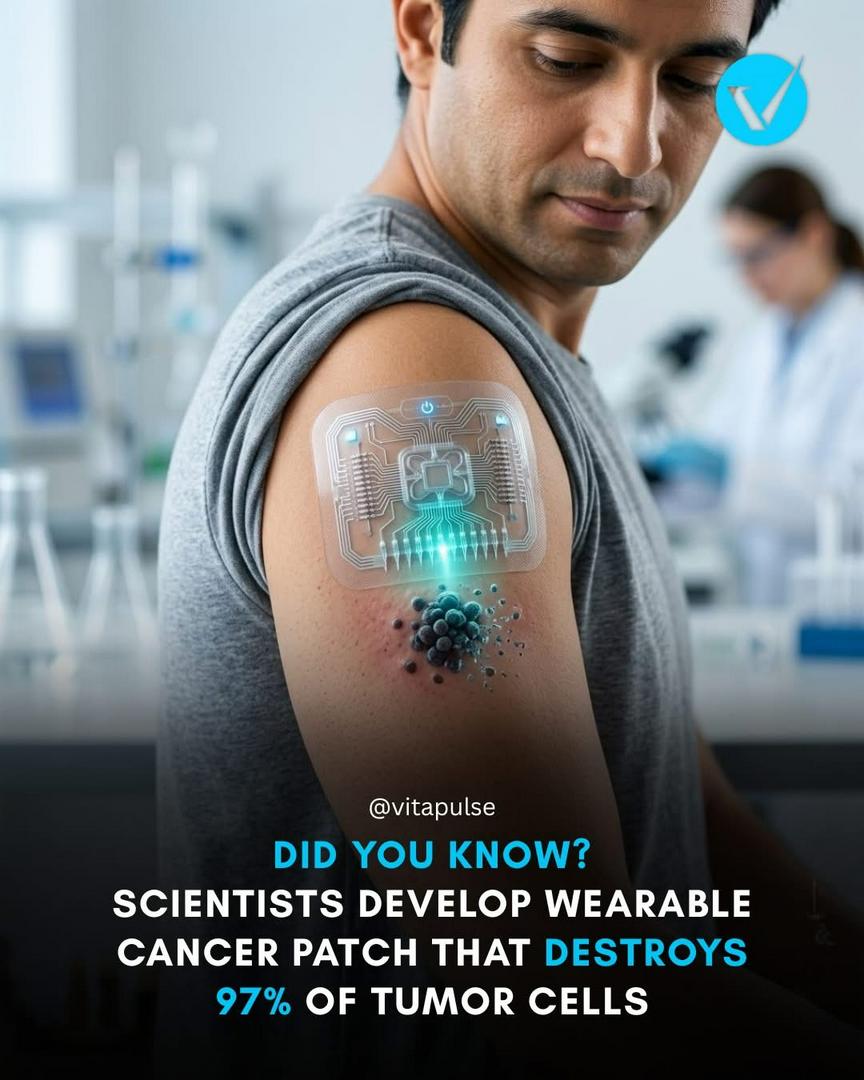
Scientists have developed a wearable patch designed to target and destroy cancer cells without the need for invasive surgery. The technology is attracting attention because it could offer a less painful and more convenient treatment option for certain patients. The patch works by delivering targeted therapy directly to the affected area. By focusing treatment where it is needed most, researchers aim to reduce damage to healthy tissues while improving the effectiveness of cancer treatment. Early findings show the patch eliminated up to 97% of cancer cells in experimental testing. These results are encouraging and suggest that wearable medical technologies could play a larger role in future cancer care. Further research is underway to evaluate the safety and effectiveness of this technology across different patient groups and treatment settings. This advancement demonstrates the potential of innovative medical solutions to improve care and expand future treatment options. #CancerResearch #MedicalInnovation #Healthcare #ScienceNews #HealthTechnology

justme

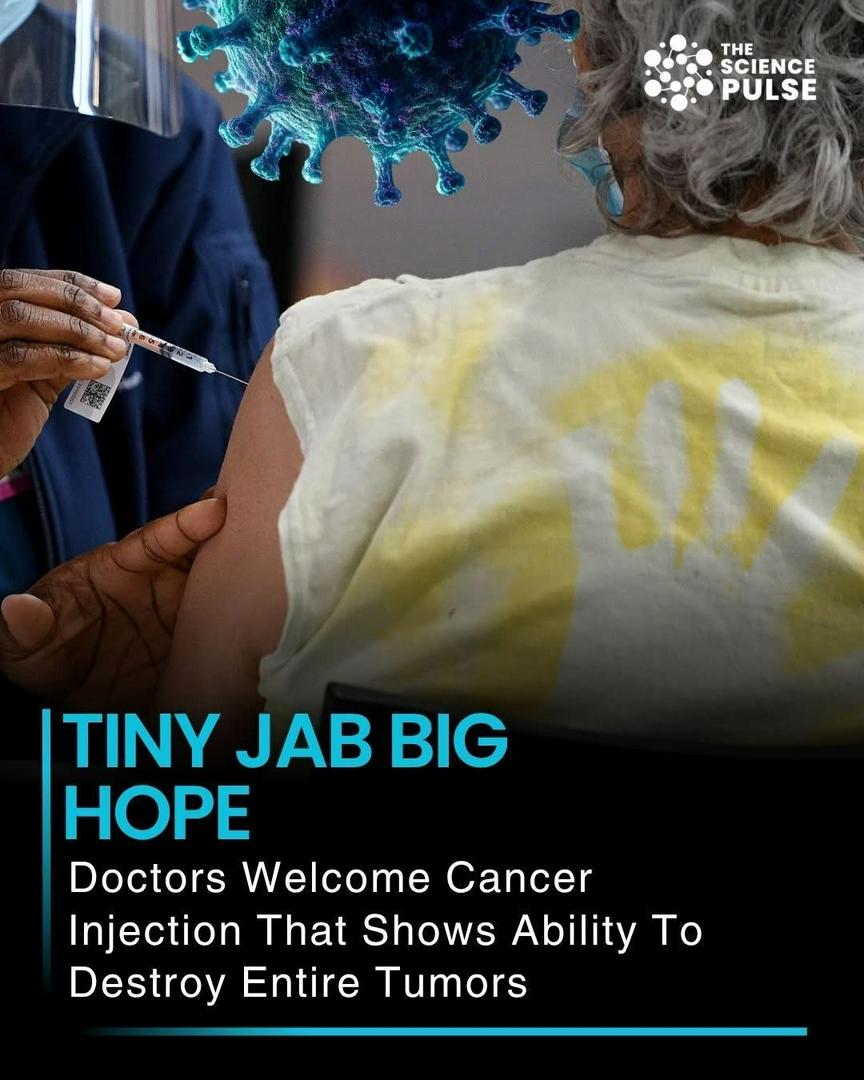
A new cancer injection is making global headlines after doctors reported powerful results in patients with advanced head and neck cancer that had returned or spread after standard treatments stopped working. The treatment is called amivantamab. In an international trial, 102 patients received the jab once every 3 weeks. Tumors shrank or disappeared in 43 patients, and in 15 patients, doctors reported that the tumors were completely eradicated. What makes this breakthrough so exciting is the way the dr8g works. It blocks EGFR and MET, 2 signals cancer cells can use to grow and resist treatment. At the same time, it helps the immune system recognize and attack the tumor more effectively. This is not a universal cure, and researchers are still studying who benefits most. But for people with treatment resistant cancer and limited options, these results are being called unusually strong and deeply hopeful. The injection may also be easier for patients than long intravenous treatments, because it is given under the skin in a quicker outpatient process. #TheSciencePulse #fblifestyle #cancerresearch #medicalbreakthrough

LataraSpeaksTruth

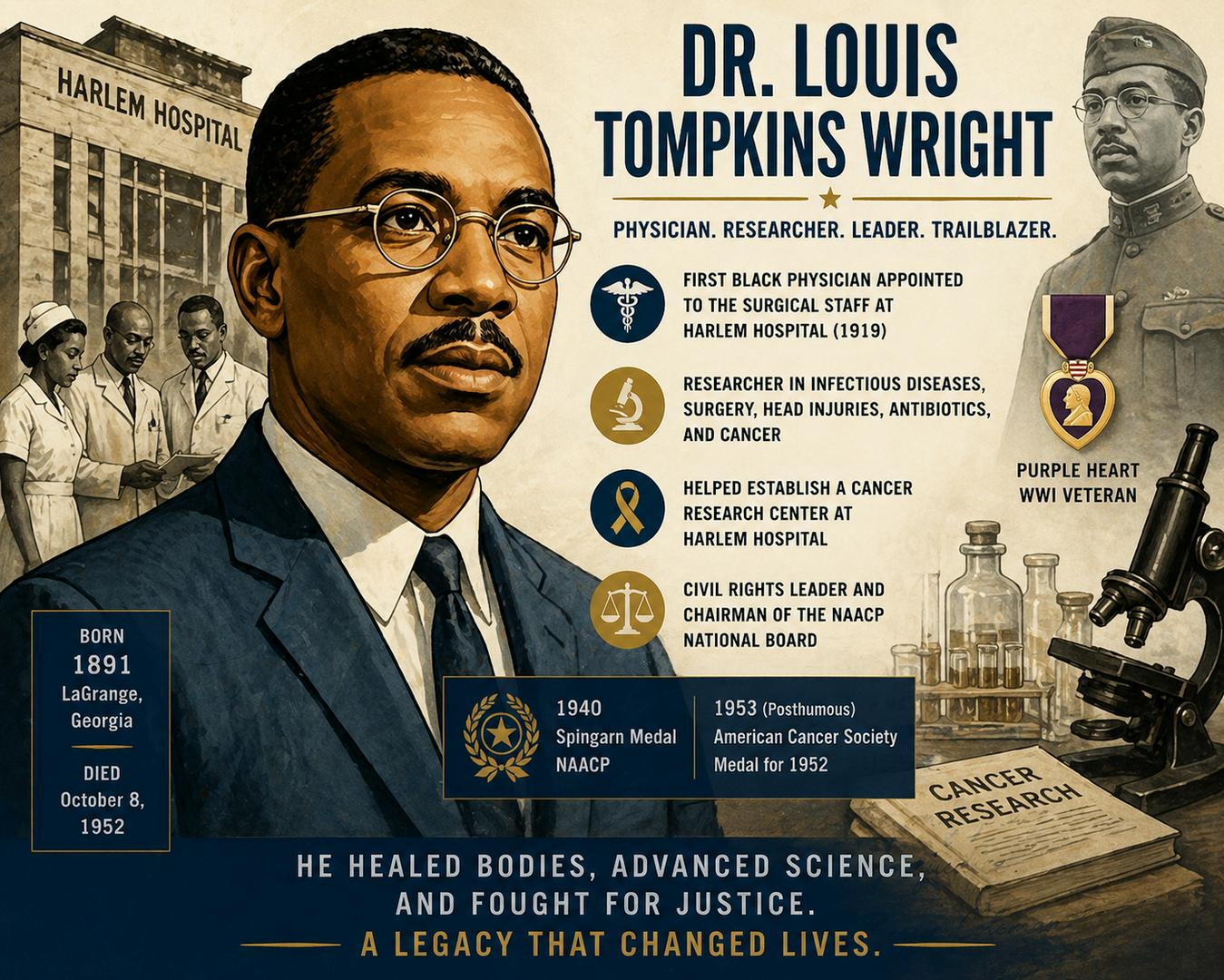
Dr. Louis Tompkins Wright was one of the most important Black physicians of the 20th century. Born in LaGrange, Georgia, in 1891, Wright graduated from Harvard Medical School in 1915. After serving in World War I with the U.S. Army Medical Corps, he returned home with lasting injuries from a gas attack and received the Purple Heart. In 1919, Wright joined Harlem Hospital in New York City. He became the first Black physician appointed to its surgical staff and spent more than three decades helping raise the hospital’s medical standards. His work helped open doors for Black doctors and nurses at a time when racial discrimination blocked many from serving in major hospitals. Wright was also a medical researcher. He studied infectious diseases, surgery, head injuries, antibiotics, and cancer. He helped establish a cancer research center at Harlem Hospital and supported scientific work that later connected to advances in chemotherapy research. Beyond medicine, Wright was a civil rights leader. He served for years with the NAACP and became chairman of its national board. In 1940, he received the NAACP’s Spingarn Medal for his service to medicine and justice. Dr. Wright died on October 8, 1952. In 1953, he was posthumously awarded the American Cancer Society Medal for 1952, recognizing his contributions to cancer research. #BlackHistory #MedicalHistory #LouisTWright #HarlemHospital #CancerResearch

justme

Three leading U.S. universities have announced a breakthrough in oncology that utilizes precisely targeted light to treat cancer, moving away from traditional invasive methods. In laboratory tests, this light-based therapy successfully obliterated 99% of aggressive cancer cells without the use of chemotherapy, toxic drugs, or radiation. This approach represents a significant shift toward non-toxic interventions that prioritize the preservation of healthy biological systems. The mechanism involves a specialized molecule that remains inert within the body until it is exposed to a specific wavelength of light. Once activated, the molecule triggers a process where cancer cells are stimulated to self-destruct from within. This entire procedure takes only minutes to complete, causing tumors to collapse while leaving the surrounding healthy tissue completely untouched and functional. This level of precision addresses the primary drawback of chemotherapy, which often acts as an indiscriminate force attacking both cancerous and healthy cells alike. By eliminating the systemic trauma of nausea, hair loss, and immune collapse, this light therapy offers a more humane alternative to traditional treatments. This innovation marks a pivotal moment in medical science, turning the fight against cancer into a targeted, localized recovery process. #CancerResearch #MedicalInnovation #Biotechnology