Tag Page americanhistory

#americanhistory
Ursa Mahan-Worlds

Voting Rights Act-For Foundational black Americans part two

I believe alot of Americans do not appreciate the history behind to Voting Rights Act of 1965. Especially minority immigrants who seem to take these rights for granted. Foundational black Americans weren't really thinking about all of the so-called people of color who are a recent addition to the American landscape. They just wanted a voice for their work, military service, free labor, and taxes they paid into. Foundational black Americans have been relatively silent concerning these non-white immigrants who's infiltrated American society. They've been very disrespectful to American history, our benefits, and sacrifices. Especially when it comes to the history of Foundational black Americans. Voting righs, equal housing, bilingual education, military desegregation, the 14th amendment, equal business opportunities, etc. are all laid at their feet when most touch American soil. They also have access to a plethora of immigration agencies Foundational black Americans Freedman do not. Maybe it's time to dismantle these Civil rights that MY ancestors fought for and make everyone fight for their own rights. Since they show no gratitude to their benefactors. Asians had the nerve to fight against OUR AFFIRMATIVE ACTION...which they had no business having a say in OUR American history AT ALL. Foundational black Americans are not minorities OR IMMIGRANTS. WE'RE FREEDMAN with our own unique history. All of these 1960s civil rights have been usurped and taken over by a bunch of grifting newcomers who have no appreciation of America's history. Their ancestors weren't enslaved, lynched, didn't fight in all of America's wars, they're not part of OUR HISTORY. We're not a black and brown history, people of color, marginalized history, minority immigrants, etc.etc. We have a UNIQUE AMERICAN HISTORY and we demand a unique recognition. We need our own civil rights laws based on our American history. #AmericanHistory,#FoundationalblackAmericans,#CivilRights

Voting Rights Act-For Foundational black Americans 

part two
LataraSpeaksTruth

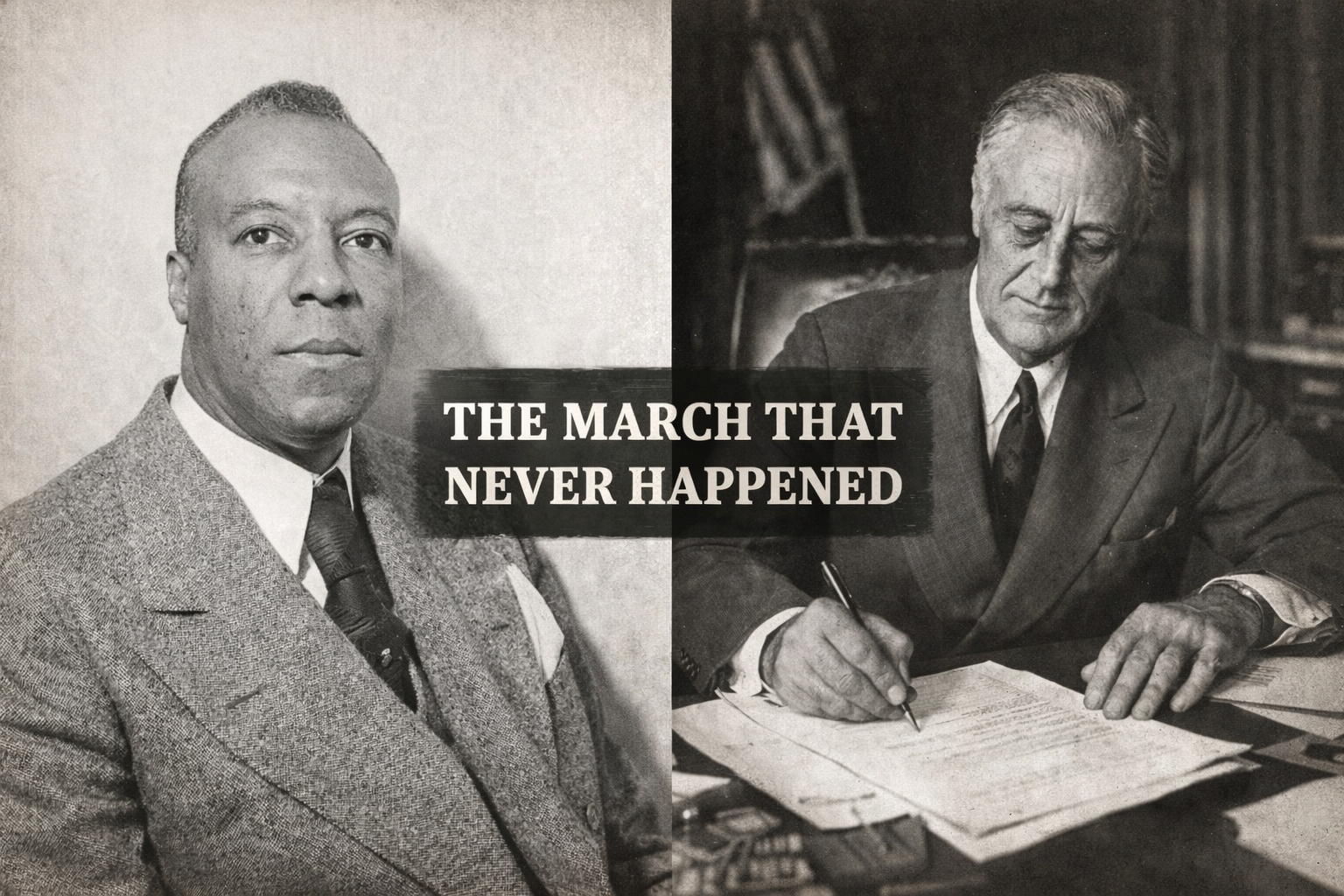
In 1941, as the United States ramped up for World War II, Black workers were largely excluded from defense industry jobs despite the surge in federal contracts and factory expansion. Segregation and discrimination were openly enforced, even as the nation claimed to be fighting for democracy overseas. A. Philip Randolph, president of the Brotherhood of Sleeping Car Porters, challenged that contradiction head-on. He understood that moral appeals alone would not move power… leverage would. Randolph issued a call for a March on Washington, proposing to bring tens of thousands of Black workers to the nation’s capital to protest discriminatory hiring practices in defense industries and federal employment. This was not a symbolic gesture. It was a calculated show of force rooted in labor organizing, discipline, and numbers. The message was unmistakable… access to wartime jobs was not negotiable, and equality would not be postponed for national convenience. The pressure reached the White House. Before the march could take place, President Franklin D. Roosevelt intervened. In June 1941, he signed Executive Order 8802, banning racial discrimination in defense industries and establishing the Fair Employment Practices Committee to investigate violations. It marked the first federal action against employment discrimination since Reconstruction. The March on Washington never happened. It didn’t need to. Roosevelt stepped in because the pressure was undeniable. Randolph called off the march because the demand had been met. The moment stands as proof that organized resistance does not always need to march to win… sometimes the threat alone is enough to force power to move. #APhilipRandolph #MarchOnWashington #ExecutiveOrder8802 #BlackLaborHistory #AmericanHistory #WWIIHomeFront #FairEmployment #CivilRightsBeforeTheMovement #HistoryMatters

Malinda Graham

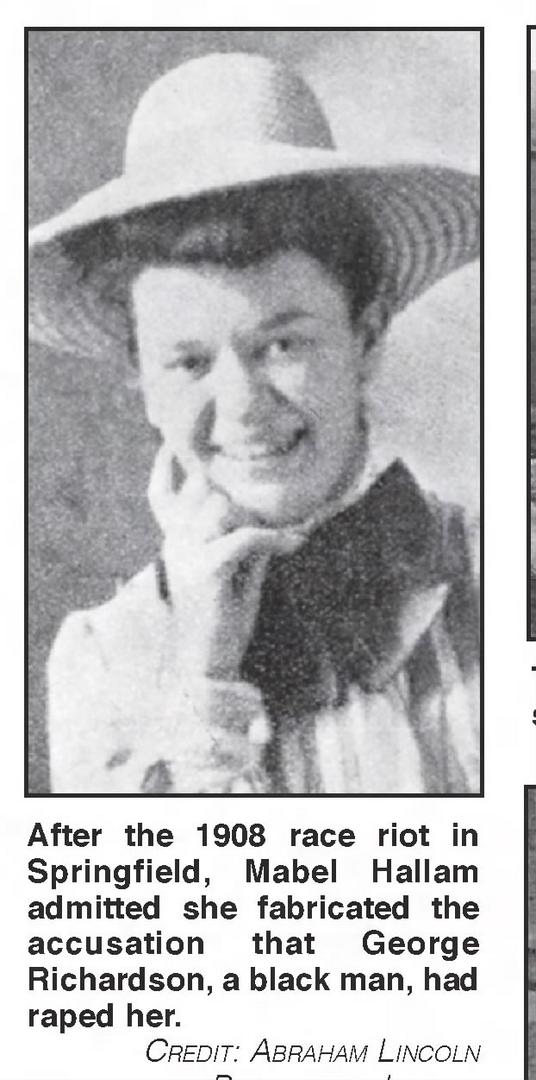
The Springfield race riot of 1908 consisted of events of mass racial violence committed against African Americans by a mob of about 5,000 white Americans and European immigrants in Springfield, Illinois, between August 14 and 16, 1908. Two black men had been arrested as suspects in a rape, and attempted rape and murder. The alleged victims were two young white women and the father of one of them. The alleged victim later confessed to lying. When a mob seeking to lynch the men discovered the sheriff had transferred them out of the city, the whites furiously spread out to attack black neighborhoods, murdered black citizens on the streets, and destroyed black businesses and homes. The state militia was called out to quell the rioting. #Springfield #LiesAndDeception #LiesAndTruth #AmericanHistory #Racism #LiesInHistoryBooks #lies #History

LataraSpeaksTruth

The Wanderer… 1858

On November 28, 1858, one of the last known illegal slave ships to reach the United States secretly landed on Jekyll Island, Georgia. The vessel, called the Wanderer, arrived with more than 400 kidnapped men, women, and children from West and Central Africa… all smuggled in defiance of the federal ban on the transatlantic slave trade that had been in place since 1808. The Wanderer was originally built as a luxury yacht, but was converted into a human trafficking vessel financed by wealthy Southern men determined to profit from an illegal trade. Survivors were quickly dispersed across Georgia and the Deep South, sold into forced labor. Only a fraction of the captives lived long after arrival. Though federal officials investigated, no one was punished. The Wanderer became a symbol of how far traffickers were willing to go to protect their wealth… and how little accountability existed for crimes committed against Africans even after the trade was outlawed. #LataraSpeaksTruth #HistoryMatters #AmericanHistory #UntoldStories #JekyllIsland #Wanderer1858 #LearnThePast

The Wanderer… 1858
LataraSpeaksTruth

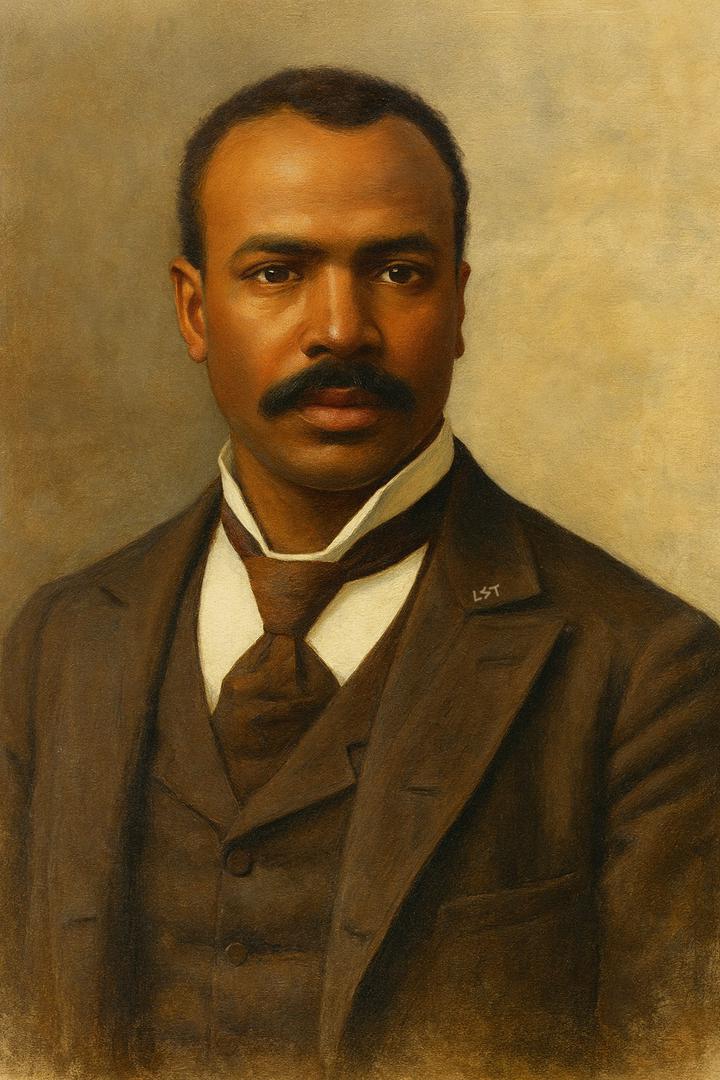
Born December 8, 1868, Henry Hugh Proctor entered the world just as Reconstruction was slipping away. The promises were fading, the tension was thick, and yet he grew into a leader who insisted that hope could be rebuilt if people were willing to do the work. Proctor did not simply become a minister. He became a community strategist, the kind of pastor who believed that faith without structure and support was just noise. When he stepped into leadership at Atlanta’s First Congregational Church, he treated the space like fertile ground. He preached, yes, but he also organized libraries, a gym, job assistance programs, cultural clubs, safe housing for young Black women, and music programs that strengthened spirits in a city determined to limit Black opportunity. He built a full-life resource center long before that phrase existed, proving that the church could be both sanctuary and engine. Proctor helped co-found the National Convention of Congregational Workers Among Colored People, creating a network for Black ministers who were pushing for progress in their own communities. After the violence of the 1906 Atlanta massacre, he worked on interracial committees that aimed to cool the hostility poisoning the South. He did this quietly, intentionally , and with the kind of steady courage that often goes unnoticed by history books. He was not chasing spotlight. He was shaping lives. His influence stretched far beyond his pulpit, carried in the people who found safety, dignity, and opportunity through the institutions he helped build. December 8, 1868 marks the birth of Henry Hugh Proctor, pioneering minister and committed community reformer. #HenryHughProctor #BlackHistory #OnThisDay #CommunityBuilder #AtlantaHistory #ReconstructionEra #FaithAndJustice #UnsungHeroes #AmericanHistory

LataraSpeaksTruth

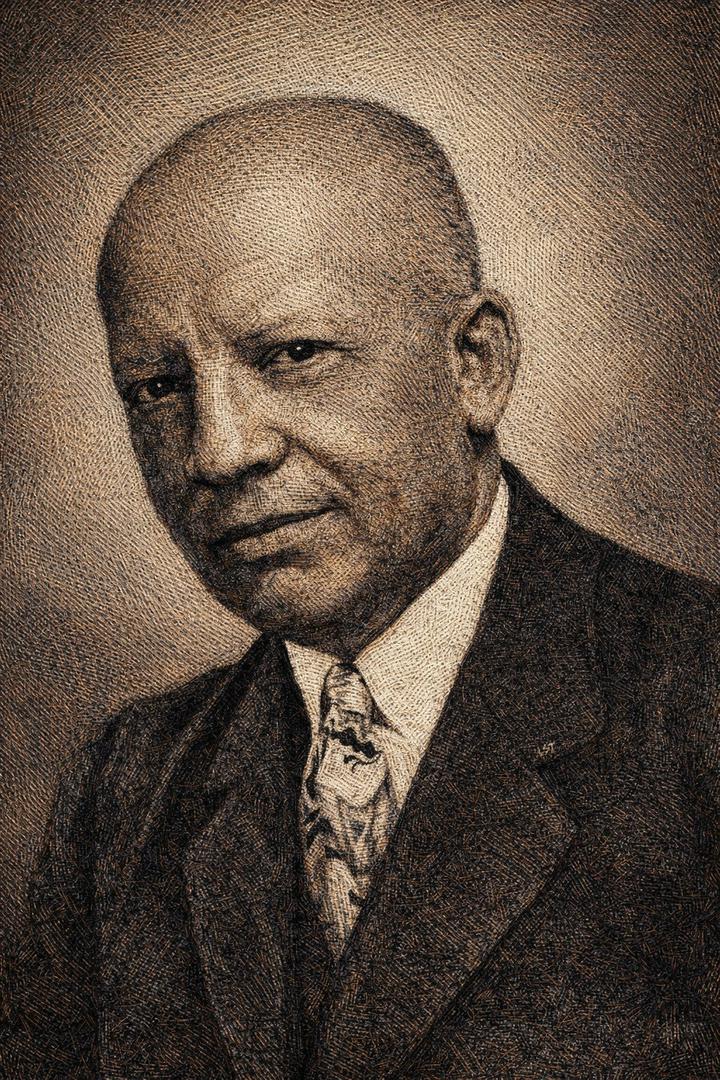
Carter Godwin Woodson was born on December 19, 1875, in New Canton, Virginia. Born to parents who had been enslaved, Woodson grew up in poverty and spent much of his early life working in coal mines to support himself and his family. Despite limited access to formal education during his childhood, he pursued learning relentlessly and completed high school in just two years once he was able to attend regularly. Woodson went on to earn degrees from Berea College and the University of Chicago before making history in 1912 as one of the first African Americans to receive a doctorate in history from Harvard University. At the time, he was also the only person whose parents had been enslaved to earn a PhD from the institution. His academic achievements, however, were only part of his lasting impact. As a historian, Woodson became increasingly concerned with how African American history was ignored, misrepresented, or entirely omitted from mainstream education. He believed that a society could not fully understand itself while excluding the experiences and contributions of an entire group of people. In response, he dedicated his career to research, writing, and institution building. In 1916, Woodson founded the Association for the Study of African American Life and History to promote scholarly research and public education. Ten years later, he established Negro History Week, choosing February to align with the birthdays of Frederick Douglass and Abraham Lincoln. This observance laid the groundwork for what later became Black History Month. Often referred to as the Father of Black History, Woodson spent his life challenging historical erasure and advocating for education rooted in truth. His work reshaped how history is studied and remembered in the United States, leaving a legacy that continues to influence classrooms, institutions, and public discourse today. #ThisDayInHistory #AmericanHistory #EducationHistory #HistoryMatters #Scholars #Legacy #December19

LataraSpeaksTruth

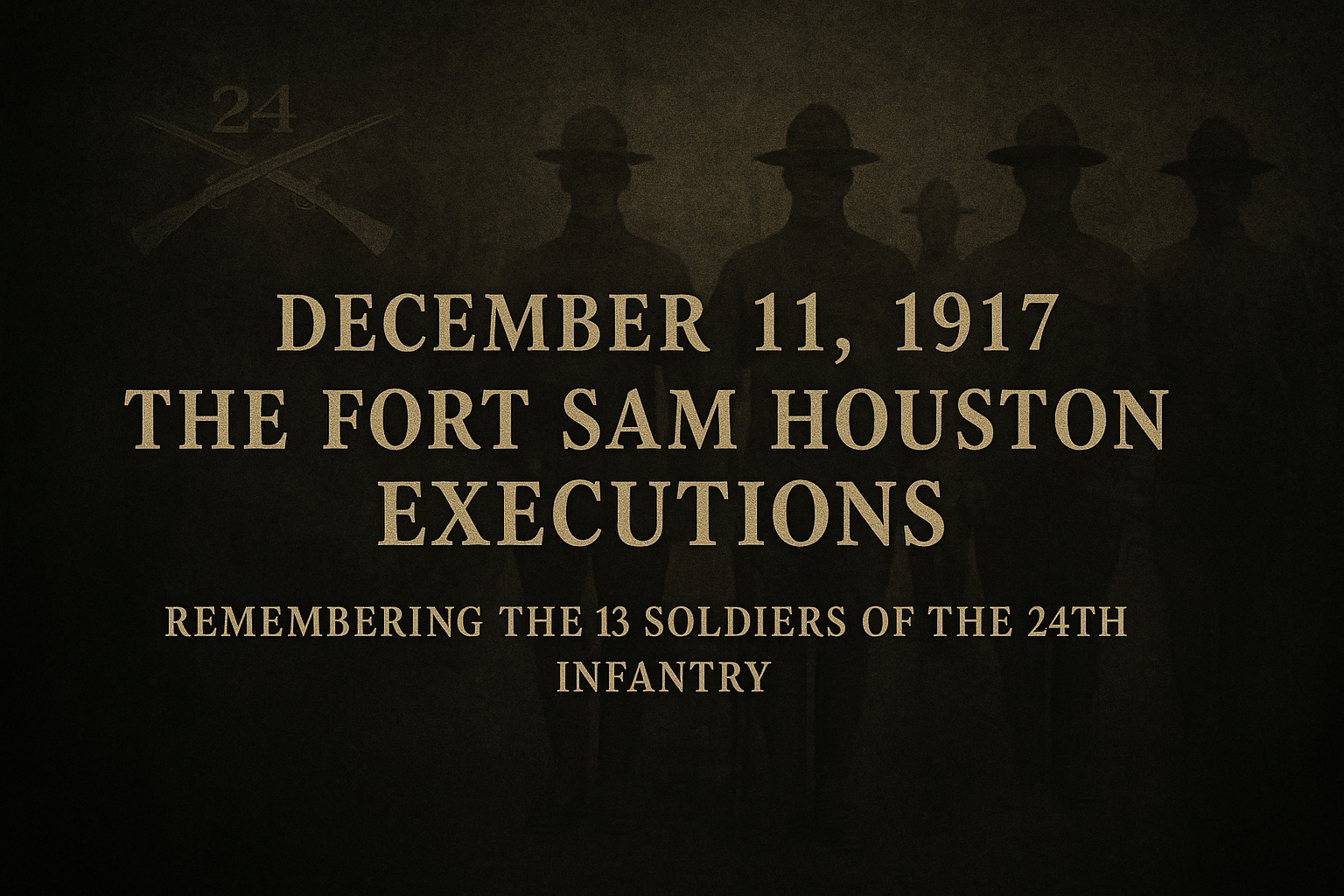
On December 11, 1917, before sunrise, the U.S. Army carried out one of the harshest mass executions in its history. Thirteen Black soldiers of the 3rd Battalion, 24th Infantry Regiment were hanged at Fort Sam Houston after the first court martial linked to the Houston Riot of August 1917. The men had been stationed at Camp Logan in segregated Houston, where Black soldiers faced constant harassment from police and white residents. Tension boiled over after a Black soldier was assaulted and arrested, and confusion inside the camp led many to believe that an armed white mob was on the way. Fear clashed with hostility, violence broke out, and several people were killed. When the trials began, more than one hundred Black soldiers faced charges in what became the largest court martial in U.S. Army history. Legal counsel was limited, testimony often conflicted, and the system allowed almost no room for appeal. Before dawn on December 11, thirteen men were executed in secret. Their families were not notified, and they had no chance to seek clemency. Their names were James Wheatley, Charles Baltimore, William Brackenridge, Thomas C. Hawkins, Carlos J. Rivers, Jesse Moore, Albert D. Wright, Nels P. Christensen, William C. Nesbit, James Divine, Clyde Sneed, Frank Johnson, and Pat MacWhorter. Two more court martials followed, bringing the total number of executed soldiers to nineteen. For decades the full story was reduced or distorted, but historians and communities kept pressing for truth. In 2023, the Army finally vacated all the convictions and acknowledged that the trials had been unjust and shaped by racial discrimination. Remembering this date means facing the reality of what happened and honoring the men whose service was met with unequal justice at home. #BlackHistory #OnThisDay #HoustonRiot #24thInfantry #MilitaryHistory #AmericanHistory #NewsBreakCommunity

LataraSpeaksTruth

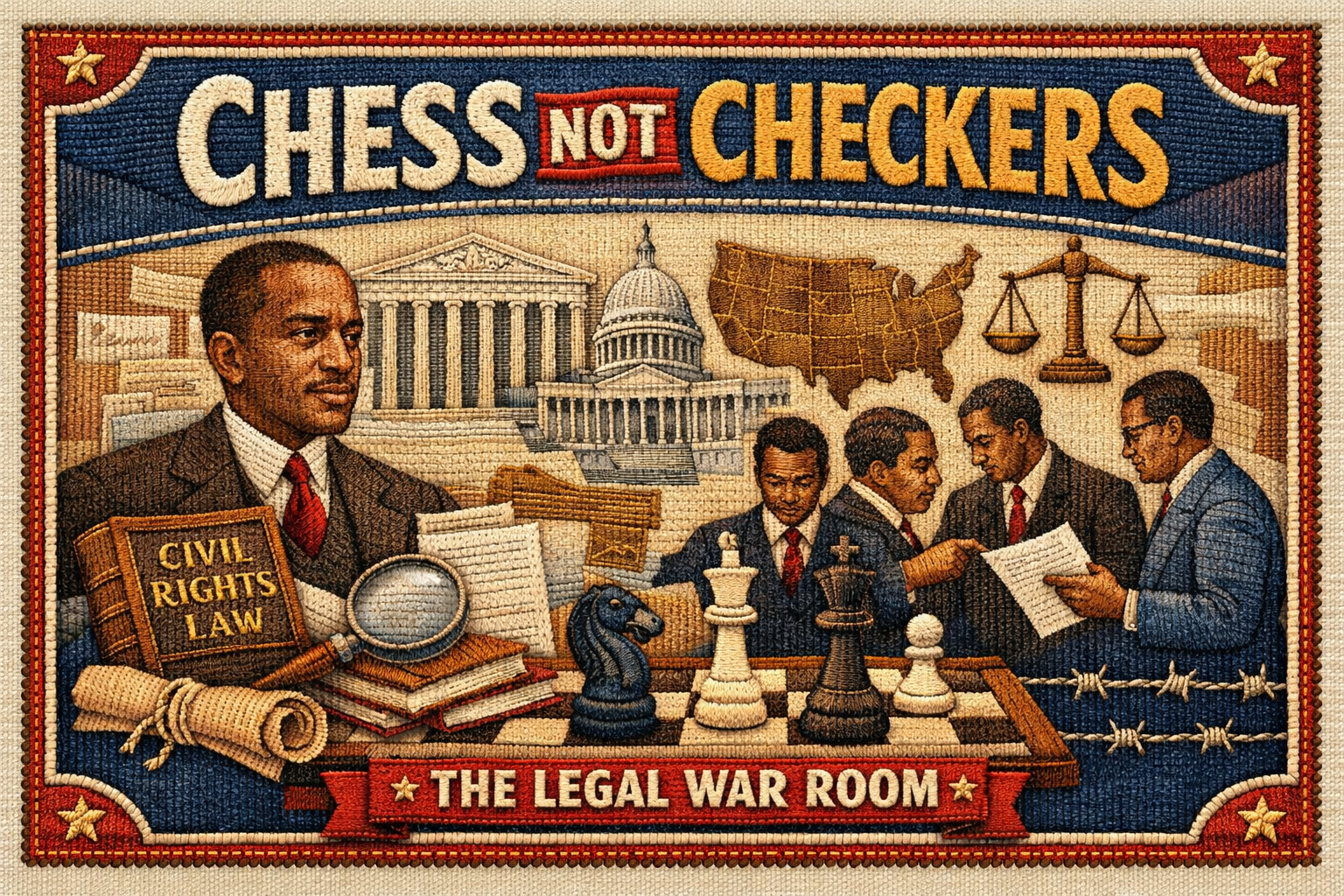
January 1, 1931 marks a quiet but serious turning point in American history. Charles Hamilton Houston becomes vice-dean of Howard University School of Law and almost immediately reshapes it into something more than a classroom. He builds a legal training ground with a single purpose: strategy. Houston understood that segregation would not fall simply because it was unjust. It would fall only if it could be proven unconstitutional. So he trained lawyers to work with discipline and precision, to identify weaknesses in the law, document inequality in detail, and build cases strong enough to force the courts to act. This was not protest law. It was methodical law. Students were sent into the South to gather evidence, photograph conditions, interview communities, and expose how “separate but equal” failed in practice. Houston demanded excellence because he knew the stakes. Courts move slowly and only when the record leaves them no alternative. That strategy later became the legal foundation for cases like Brown v. Board of Education. Lawyers such as Thurgood Marshall did not emerge by chance. They were shaped by years of deliberate training and long-term planning. January 1, 1931 reminds us that some of the most important changes in history do not arrive with noise. They begin quietly, in classrooms, with patience, discipline, and a clear understanding of how power actually works. #January1 #OnThisDay #AmericanHistory #LegalHistory #HowardUniversity #CivilRightsHistory #BlackHistory #LongGame #QuietPower

LataraSpeaksTruth

The Eutaw Riot – October 25, 1870

In Eutaw, Alabama, a public gathering of Black citizens met in the courthouse square during the Reconstruction era to discuss upcoming elections and community progress. Tensions in the area had been rising, and the event turned tragic when conflict broke out between white and Black residents. Historical accounts report that several people lost their lives and many were injured. In the days that followed, voter turnout among Black citizens fell sharply due to widespread fear and intimidation. This shift helped change the political outcome in Greene County, marking a major setback for Reconstruction efforts in Alabama. The Eutaw Riot became one of the most notable examples of how resistance to racial equality influenced Southern politics after the Civil War. It stands as a reminder of how fragile progress can be when unity gives way to fear. #BlackHistory #EutawRiot #ReconstructionEra #AmericanHistory #LataraSpeaksTruth

The Eutaw Riot – October 25, 1870