Tag Page americanhistory

#americanhistory
LataraSpeaksTruth

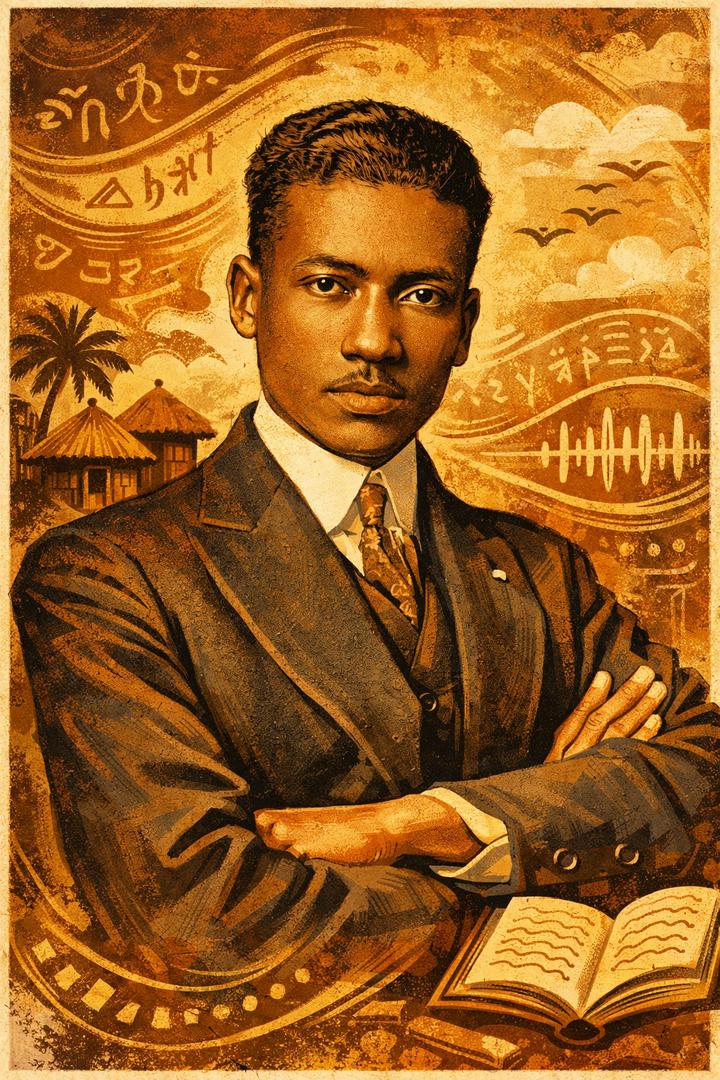
Lorenzo Dow Turner didn’t just study language…he rescued it from erasure. At a time when mainstream scholarship insisted that the descendants of enslaved Africans had lost their original languages and intellectual systems, Turner did the unthinkable…he listened. And what he heard shattered a lie that had been protected for generations. Through years of meticulous research, field recordings, and direct engagement with Gullah Geechee communities, Lorenzo Dow Turner proved that Gullah Geechee speech was not broken English or linguistic decay. It was retention. African grammar, vocabulary, tonal patterns, and structure had survived the Middle Passage and centuries of forced assimilation. Languages like Wolof, Mende, Yoruba, and others were still echoing in everyday speech along the Sea Islands of the American South. This was more than linguistics. It was evidence of memory. Of continuity. Of intelligence that refused to die quietly. Turner showed that culture didn’t disappear under bondage…it adapted, disguised itself, and passed from mouth to ear when books were forbidden and history was denied. Why does this matter now. Because language is proof of humanity. If language survived, then so did knowledge systems, values, and ways of understanding the world. Turner’s work dismantled the myth that enslavement erased African identity. It didn’t. It challenged the idea that survival must look pristine to be legitimate. Sometimes survival sounds like a cadence. A rhythm. A way of speaking that carries centuries inside it. Lorenzo Dow Turner didn’t just document a people. He restored truth to the record. #LorenzoDowTurner #GullahGeechee #LanguageIsMemory #CulturalSurvival #HiddenHistory #AfricanDiaspora #AmericanHistory #Linguistics #WeRemember

LataraSpeaksTruth

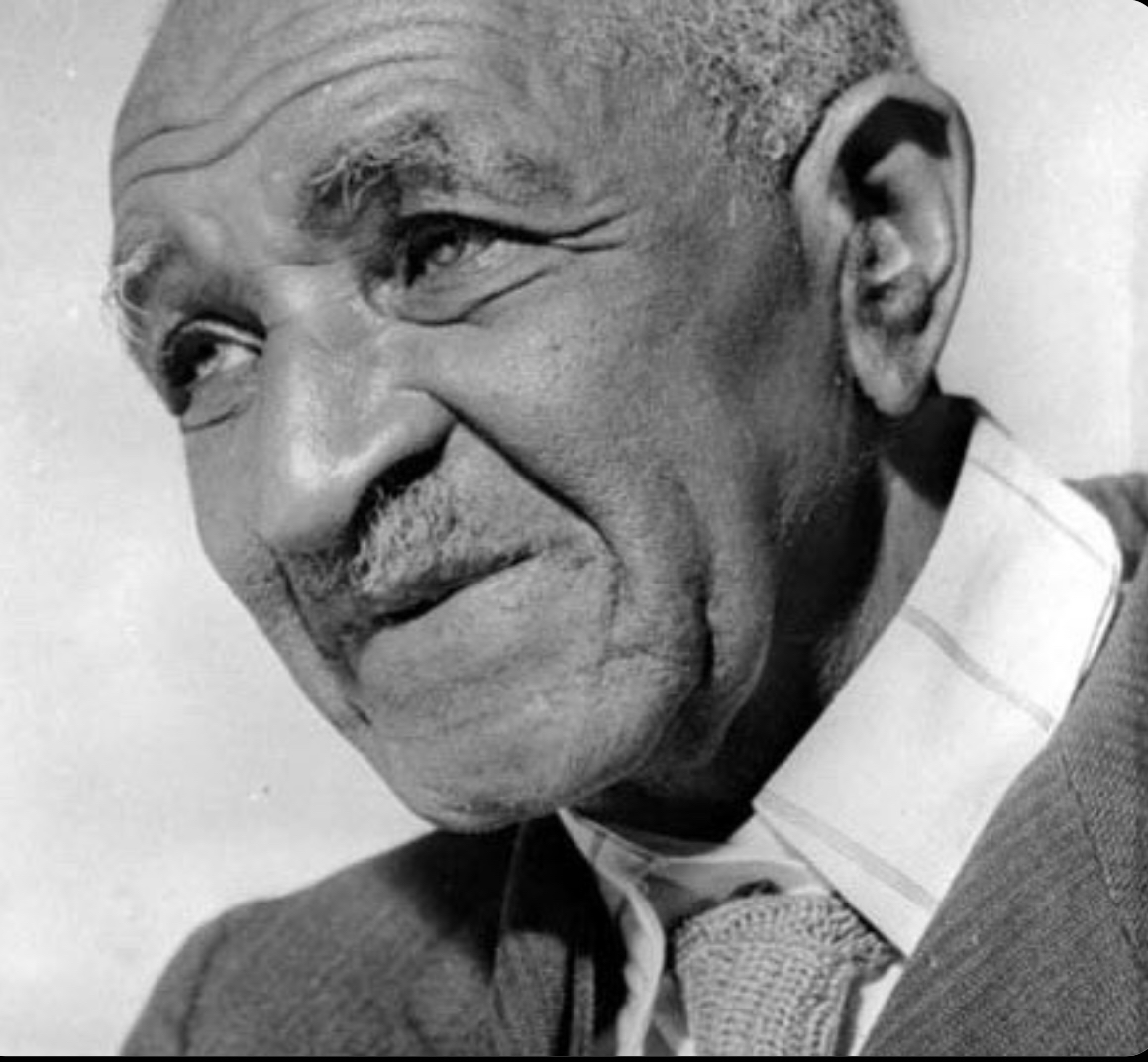
On January 5, 1943, George Washington Carver passed away in Tuskegee, Alabama. He did not leave this world in some distant, unreachable past. He died in a time that still overlaps with living memory. When Carver took his final breath, my grandmother was nine years old. And my grandmother is still here. That fact alone changes how his story feels. It collapses the distance between history and now. Carver was not just a figure from textbooks or black and white photographs. He lived in a world that still exists through the elders among us. He walked the same country they did. He shared the same century. His lifetime touches ours through them. Seeing his image in color makes that reality even harder to ignore. The lines in his face, the calm in his expression, the unmistakable presence of a man who was fully here. Not symbolic. Not abstract. Real. Brilliant. Human. It forces a pause and a reckoning with how close greatness actually is. Carver devoted his life to knowledge, education, and service. He chose impact over profit and purpose over recognition. His work continues to shape agriculture and science, but this moment reminds us of something quieter and just as powerful. History is not as far away as we think. Sometimes it is only one generation removed, living right beside us, waiting for us to notice. #GeorgeWashingtonCarver #LivingHistory #OnThisDay #January5 #AmericanHistory #Legacy #Tuskegee #HistoryFeelsDifferent #ThenAndNow

LataraSpeaksTruth

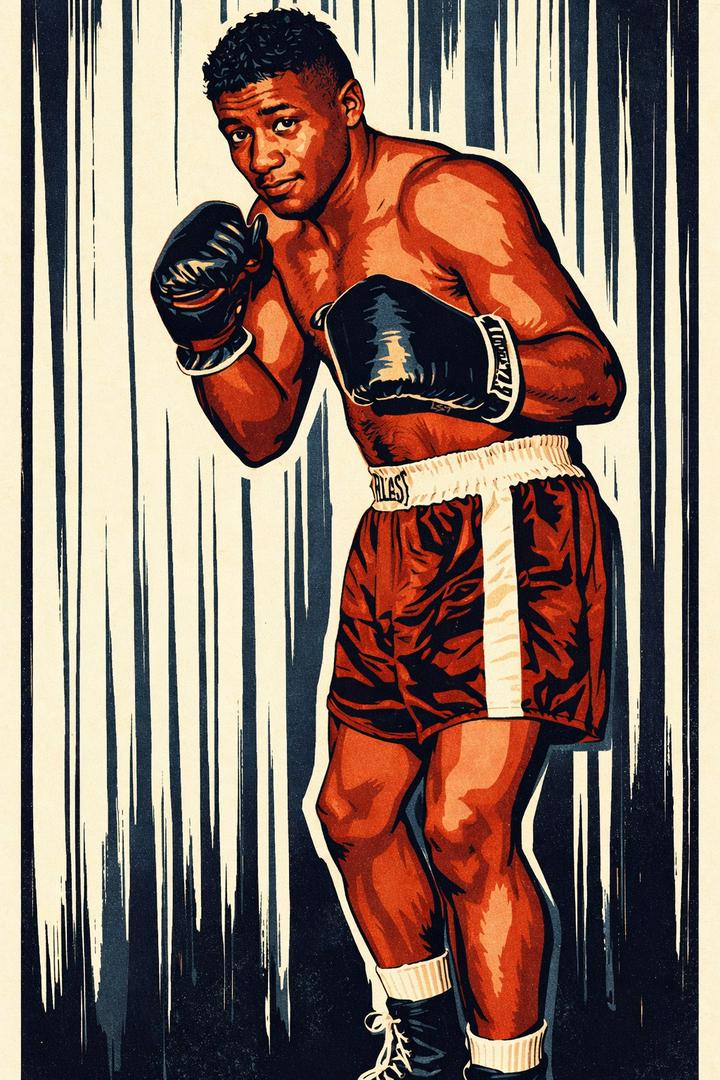
January 4 marks the birth of Floyd Patterson, born January 4, 1935, a champion whose legacy is often quieter than it deserves to be. Patterson rose from a troubled childhood to become the youngest heavyweight champion in boxing history at just 21 years old, a record that stood for decades. He wasn’t loud, cruel, or theatrical. He fought with precision, speed, and discipline, representing an older tradition of boxing rooted in craft rather than spectacle. In a sport that rewarded intimidation, Patterson carried himself with humility, which made him both admired and misunderstood. His career is often framed around his losses to Sonny Liston, but that framing misses the larger truth. Patterson became the first heavyweight champion in history to lose the title and later reclaim it, a feat that required resilience most champions never have to test. Outside the ring, he was thoughtful and deeply affected by criticism, yet he continued to fight, train, and show up anyway. Floyd Patterson proved that strength does not always announce itself and that greatness does not require cruelty to be real. January 4 is not empty history. It belongs to a man who showed that dignity could survive even in the most unforgiving arena. #January4 #OnThisDay #FloydPatterson #BoxingHistory #HeavyweightChampion #SportsHistory #AmericanHistory #BlackHistory #Legacy #Resilience

LataraSpeaksTruth

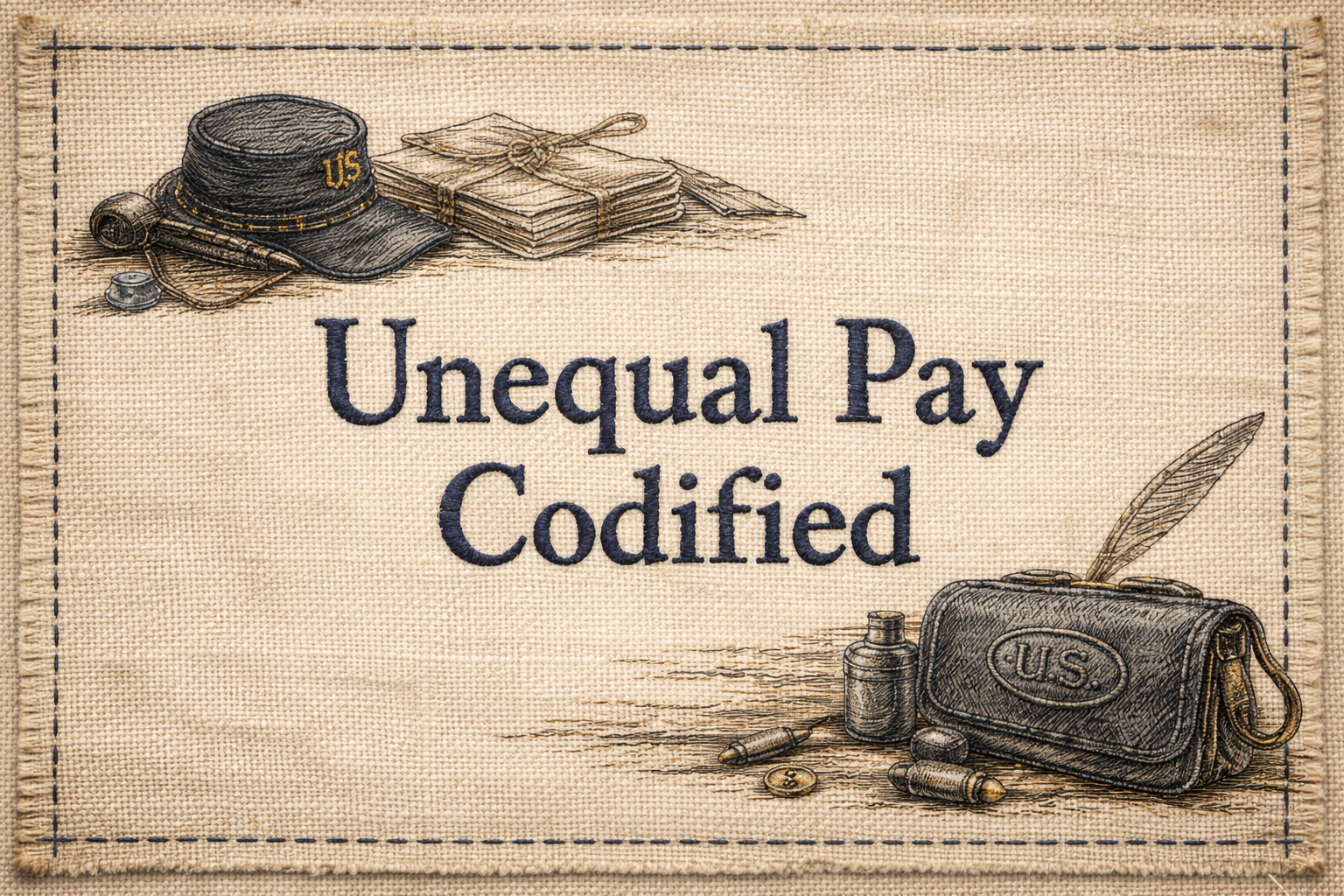
Unequal pay does not always begin with silence or confusion. Sometimes it begins with a signature. When inequality is written into policy, it stops being an attitude and becomes a rule. Bias can be denied. Policy cannot. During the Civil War, Black soldiers in the Union Army performed the same labor, faced the same danger, and fought the same enemy as white soldiers. They marched, drilled, guarded, built, and bled under the same flag. Yet federal policy declared their service worth less. Congress and the War Department set pay scales that ensured Black troops earned lower wages and lost additional money to deductions. This inequality was not accidental or temporary. It was deliberate. No announcement was needed. A ledger entry was enough. Once unequal pay became regulation, it moved quietly through clerks, officers, and administrators. Injustice became routine because it was procedural. What matters most is the response. Black soldiers did not simply endure the policy. Many refused their pay rather than legitimize discrimination. Others organized petitions and protests demanding equal wages. Their resistance was disciplined and principled. They understood that accepting unequal compensation meant accepting the logic behind it. This history reveals a larger truth about American institutions. Progress and prejudice have often advanced together. Freedom has frequently arrived with conditions attached. Equality has rarely been granted without pressure. When inequality is written into policy, it wears the disguise of legitimacy. Challenging it requires refusal, resistance, and records that expose how power operates. That is how injustice survives. And that is how it is challenged. #UnequalPay #CodifiedInequality #HiddenHistory #MilitaryHistory #BlackSoldiers #SystemicPolicy #ResistanceHistory #AmericanHistory #InstitutionalPower

LataraSpeaksTruth

Phase Five. Dispute. After erasure was set into record, its consequences surfaced in open conflict. As descendants sought recognition, land, and citizenship, they encountered systems that demanded proof through documents designed to exclude them. Identity became something argued rather than lived. Throughout the twentieth century and into the present, Black American Indians and Freedmen descendants challenged enrollment decisions, treaty violations, and roll classifications. Many were told their ancestry did not qualify, despite documented lineage and historical presence within their communities. Courts, tribal councils, and federal agencies became battlegrounds where identity was weighed against paperwork. Treaties that had promised citizenship to formerly enslaved people within Native nations were reinterpreted or ignored. Roll closures locked families out permanently. Blood quantum standards narrowed belonging with each generation. Descendants were required to prove themselves using records created during enumeration and erasure, turning absence on paper into evidence against them. Dispute exposed the mechanics of erasure. It revealed how neutral-appearing policies produced exclusion and how legal recognition became separated from lived history. For many, the question was no longer who they were, but whether the system would acknowledge what already existed. This phase is not about resolution. It is about resistance within constraint. It explains why identity remains contested today, why recognition is uneven, and why historical injury continues to shape present-day struggles. Dispute is the sound of erasure being challenged, even when the rules were written to prevent success. #Dispute #BlackAmericanIndian #Freedmen #TreatyRights #ArchivalSeries #HistoricalRecord #IdentityContested #AmericanHistory

LataraSpeaksTruth

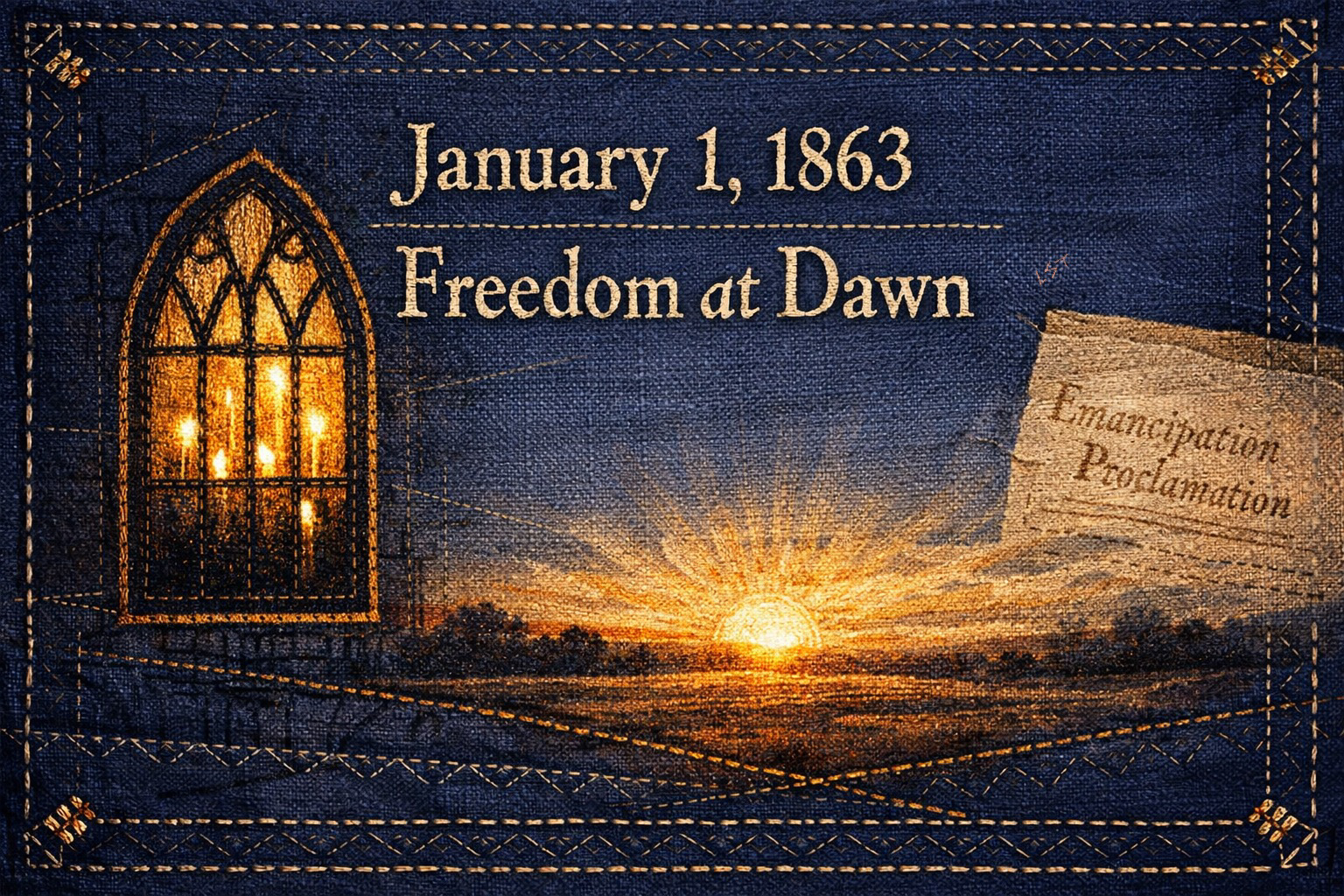
January 1, 1863 marked a turning point that was as complicated as it was historic. On that morning, the Emancipation Proclamation took effect under President Abraham Lincoln. It declared freedom for enslaved people in states still in rebellion against the Union. It did not apply everywhere. It did not free everyone. It did not end slavery outright. But it cracked the foundation of a system that had defined the nation for over two centuries. The night before, Black communities gathered for Watch Night services. Churches filled with people praying, singing, and waiting through midnight. This was not passive hope. It was survival sharpened by experience. Families knew freedom on paper did not guarantee safety in practice. Still, they watched the clock because symbolism matters. Timing matters. Midnight mattered. At dawn, freedom existed in law. By dusk, reality complicated it. Enforcement depended on Union military presence, and in many places Confederate control remained firm. Many enslaved people remained in bondage. Others faced retaliation, displacement, or danger as they moved toward Union lines. The proclamation was limited by design, framed as a wartime measure rather than a universal declaration. Even so, it transformed the Civil War. The fight was no longer only about preserving the Union. It became explicitly tied to ending slavery. It opened the door for Black men to serve in the Union Army and reframed enslaved people from property to persons in federal policy. It also signaled to the world that the United States had tied its war effort to a moral reckoning, however incomplete. January 1, 1863 was not the end of slavery. That came later, unevenly and violently, with resistance that still echoes today. But it was a hinge moment. A night of prayer turned into a morning of possibility. Freedom arrived at dawn on paper, by dusk in fragments, and only became real through human courage. #OnThisDay #January1 #EmancipationProclamation #WatchNight #BlackHistory

LataraSpeaksTruth

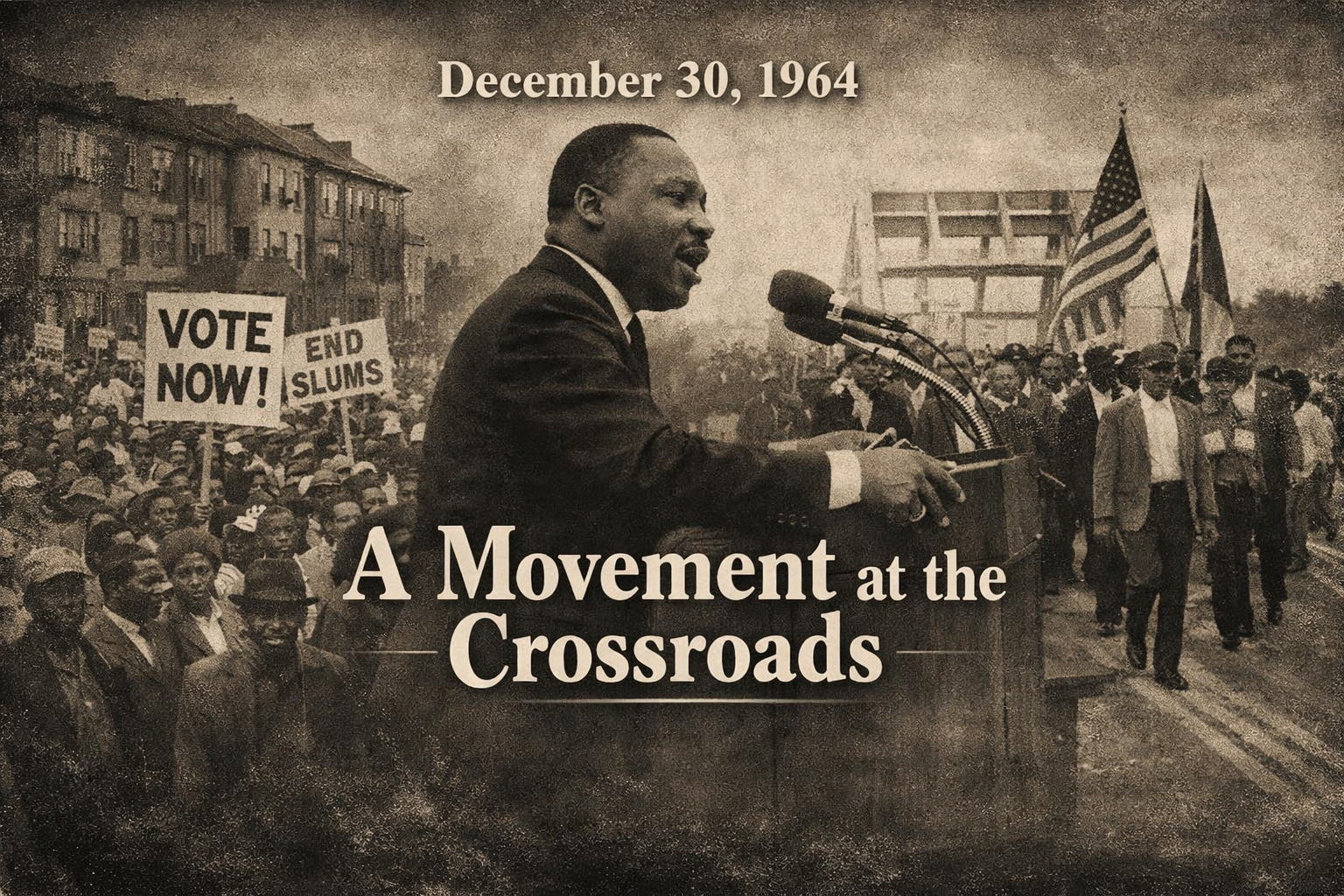
December 30, 1964 marked a moment of transition for the modern civil rights movement. In late December, Martin Luther King Jr. delivered one of his final major public addresses of the year as the movement stood between legislative victory and unresolved reality. The Civil Rights Act had been signed months earlier, yet resistance to enforcement remained widespread, underscoring that legal change had not automatically produced social or economic equality. King used his end of year speeches to signal where the struggle was headed next. While segregation laws had been formally dismantled, economic inequality, barriers to voting access, and entrenched segregation in Northern cities were becoming increasingly visible. He warned that discrimination was no longer confined to the South or expressed solely through explicit statutes, but embedded in housing patterns, employment practices, education systems, and political participation nationwide. By December 1964, King was placing greater emphasis on the connection between racial justice and economic justice. He spoke openly about poverty, unemployment, and the limits of symbolic progress when millions remained excluded from opportunity. Voting rights, still obstructed through intimidation and administrative barriers, emerged as a central priority, setting the stage for the campaigns that would define 1965. This period marked a shift in tone and strategy. The movement was moving beyond confronting visible segregation toward challenging structural inequality, a transition that would intensify public debate and resistance. King’s late December address reflected a movement no longer focused solely on passing laws, but on transforming the deeper conditions shaping American life. #History #USHistory #CivilRightsMovement #MartinLutherKingJr #VotingRights #EconomicJustice #AmericanHistory #SocialChange

LataraSpeaksTruth

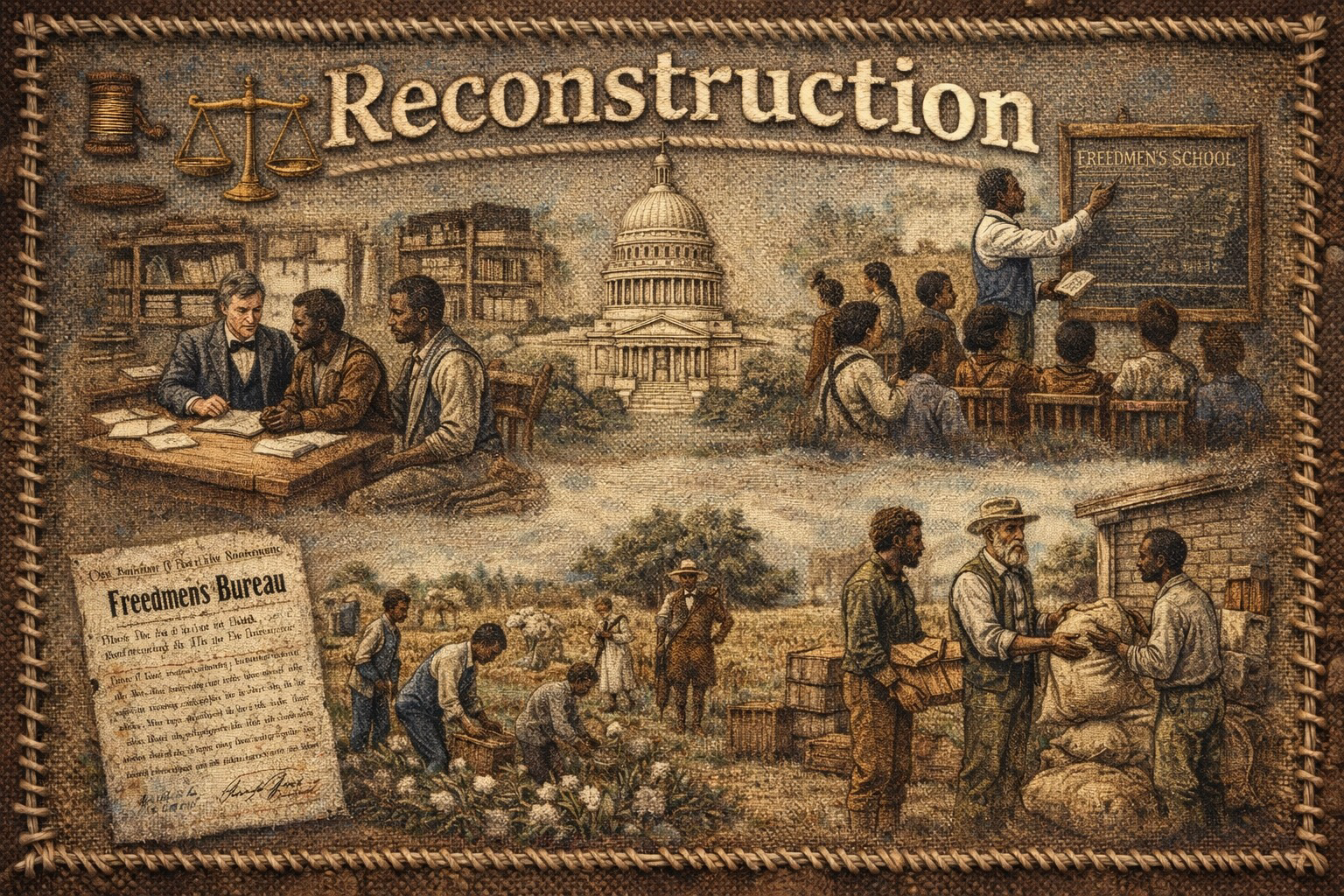
In late December 1865, as the Civil War formally faded into history, the realities of freedom were still being figured out in real time. During this period, including December 27, federal offices were actively organizing the early work of the Freedmen’s Bureau, an agency created to manage the transition from slavery to freedom for millions of newly emancipated Black Americans. Although the Bureau had been established earlier in the year, late December marked a critical phase of implementation. Agents were assigning teachers to newly formed schools, overseeing labor contracts between freed people and landowners, and distributing emergency food, clothing, and medical aid. These were not symbolic gestures. They were survival decisions that shaped daily life during Reconstruction. This work exposed the contradictions of the era. The Bureau was expected to protect freed people while also stabilizing Southern labor systems. Education expanded rapidly but faced violent resistance and chronic underfunding. Labor contracts offered oversight but often preserved unequal power dynamics. Each administrative choice carried long-term consequences. Reconstruction did not arrive as a finished promise. It emerged through paperwork, negotiations, and fragile systems built under pressure. Late December 1865 captures that reality clearly…freedom had been declared, but the structure to sustain it was still being assembled. #Reconstruction #FreedmensBureau #1865 #BlackHistory #AmericanHistory #PostCivilWar #EducationHistory #LaborHistory

Tag: americanhistory - Page 3 | LocalAll