Cris+FollowShocked by Your Last Repair Bill? Why Service Pricing Secrets Are Costing Capital Region Homeowners Big Time Ever scrolled through Nextdoor and seen endless contractor recommendations—but zero talk about costs? You’re not alone. Homeowners are often left guessing if they got a fair deal or got ripped off. Let’s lift the veil on what locals are really paying. The Hidden Service Call Fee Before tools even touch the job, expect a diagnostic charge: • Standard visits: $75–$150 • Reputable pros: $100–$200 • Emergencies? Brace for $150–$300 Good news: This often credits toward repairs if you proceed. Hourly Rates That Add Up Fast Wondering why that “quick fix” wasn’t so quick on your wallet? Here’s what pros charge: • Electricians: $100–$150/hour; minor tasks $120–$300 total • Plumbers: $75–$150 upfront; $150–$250/hour for experts • Handymen: $50–$150/hour; minimums $75–$200 • Lawn pros: Mowing $40–$80/visit; cleanups $100–$300 based on scope Why Costs Are Skyrocketing Over the last decade, prices have surged thanks to soaring fuel, insurance, tools, and skilled labor demands. These aren’t extras—they’re baked into every quote. What’s “Normal” in Our Region? For everyday fixes: $75 at the low end, $100–$200 commonly, up to $200–$350 for complex work. Know these benchmarks to spot overcharges. Don’t let secrecy inflate your bills. Share pricing stories in your community, compare multiple quotes, ask about fees upfront, and confirm credits. Empower yourself—your wallet will thank you. #AffordableLiving #UpstateNY #NYisastate 20Share
Cris+FollowHow to Read Your National Grid "Budget Plan" Statement To avoid the "True-Up" shock, you need to look past the "Total Amount Due" and focus on the Account Summary section of your bill. This is where the math behind the curtain is revealed. The Three Red Flags to Watch For 1. The Deferred Balance (The "Hidden Debt") • Where to find it: Usually located under the "Budget Billing Summary" section. • The Math: This is the difference between the cost of the energy you actually used and the budget payments you've made. • The Trap: If this number is a large positive balance halfway through your plan year, your monthly payment is likely too low. National Grid will eventually "catch up" by either spiking your monthly bill or sending a massive bill in Month 12. 2. Actual vs. Budget Comparison • Where to find it: Look for a line titled "Actual Charges Since Last Settlement." • The Math: Compare this to "Budget Charges Since Last Settlement." • The Trap: If your Actual Charges are consistently higher than your Budget Charges, you are effectively taking an interest-free loan from the utility company that must be repaid in full the moment you move out or cancel the plan. 3. The "Review Month" Notice • Where to find it: The "Important Messages" box on the first or second page. • The Warning: National Grid usually reviews these plans every 3, 6, or 9 months. If you see a message stating your "Budget amount has been adjusted," check your new amount immediately. If it has jumped more than 15%, it’s a sign that the 2026 rate hikes are outpacing your current payment plan. Quick Audit Checklist • [ ] Is my Deferred Balance over $200? (If yes, expect a payment hike soon). • [ ] Am I in "Month 11" of my plan? (Prepare for the Month 12 "Settlement" bill). • [ ] Did I just install a new appliance or heat pump? (The budget plan won't account for this increase until the next review). #nationalgrid #AffordableNY #AffordableLiving #NYS 30Share
Brad Caldwell+FollowWould You Move to a Brand New Town?Housing prices got you down? Some cities are so desperate for affordable homes, they’re thinking about building entirely new towns from scratch—think walkable neighborhoods, not just endless suburbs. The idea: start fresh, make it easier to build, and design places where you don’t need a car for everything. But here’s the catch: it’s tough to create a real community and jobs from zero, and most projects get stuck in red tape. Would you take a chance on a brand new city? #RealEstate #housingmarket #affordableliving00Share
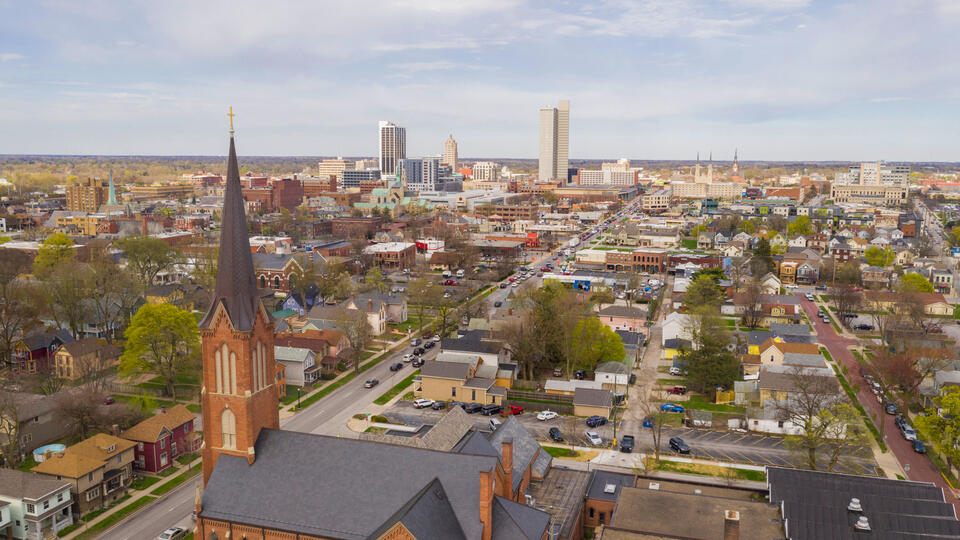
russellolson+FollowWhere to Find Homes Under $250K in 2025Feeling like homeownership is out of reach? Turns out, there are still cities where you can snag a house for under $250K—think Pittsburgh, Oklahoma City, Fort Wayne, Harrisburg, and Cleveland. The big shift? As prices soar everywhere else, these spots offer a chance to own without giving up city perks like cool restaurants, river trails, and music scenes. Just remember: neighborhood and utility costs can vary, so do your homework before packing up! #RealEstate #HomeBuyingHacks #AffordableLiving00Share
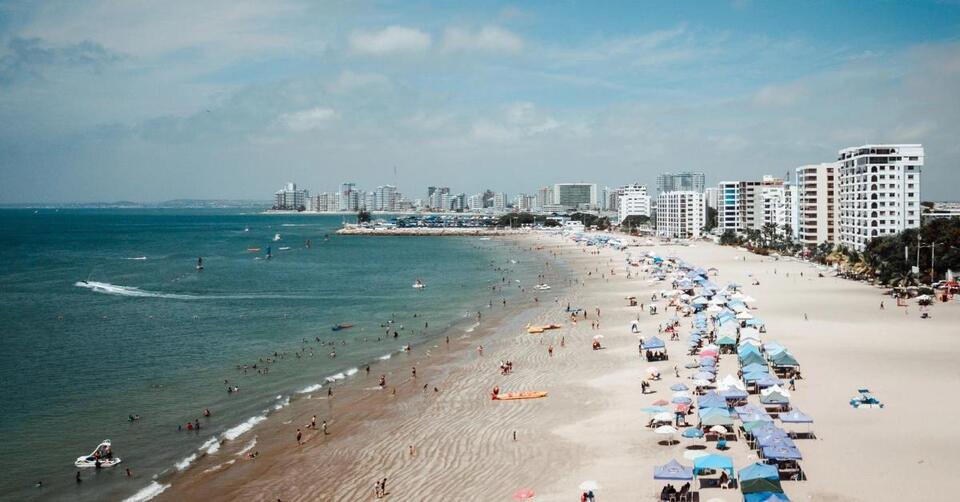
megan01+FollowDream Beach House for Less Than You ThinkEver fantasized about owning a beach house but thought it was out of reach? Turns out, you can snag a seaside home in places like Greece, Mexico, or Portugal for under $250K—sometimes way less! The catch? Buying abroad means learning the local rules and maybe fixing up a place, but the payoff is a daily ocean view. Pro tip: Always get a local expert to help you avoid surprises. Who knew your next coffee could be on your own patio by the sea? #RealEstate #BeachHouseDreams #AffordableLiving10Share
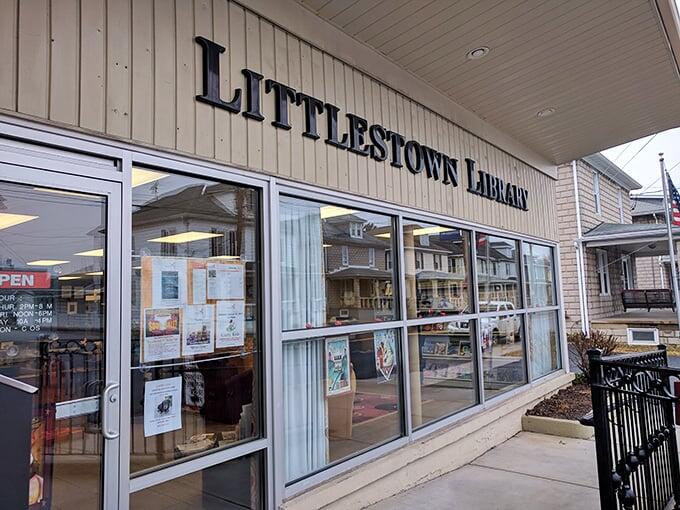
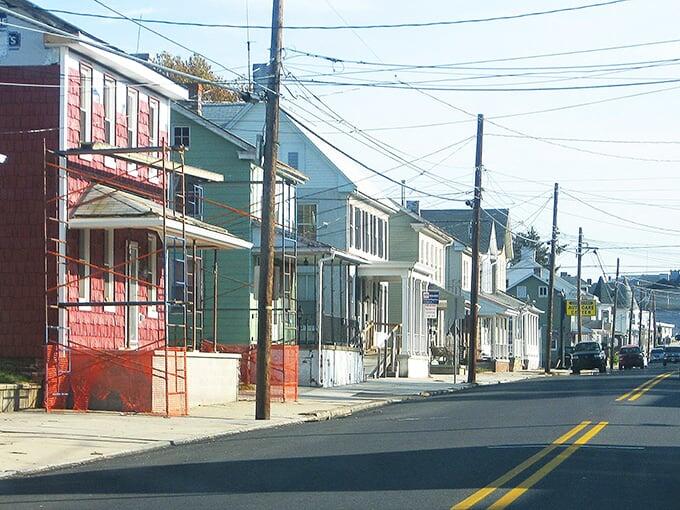
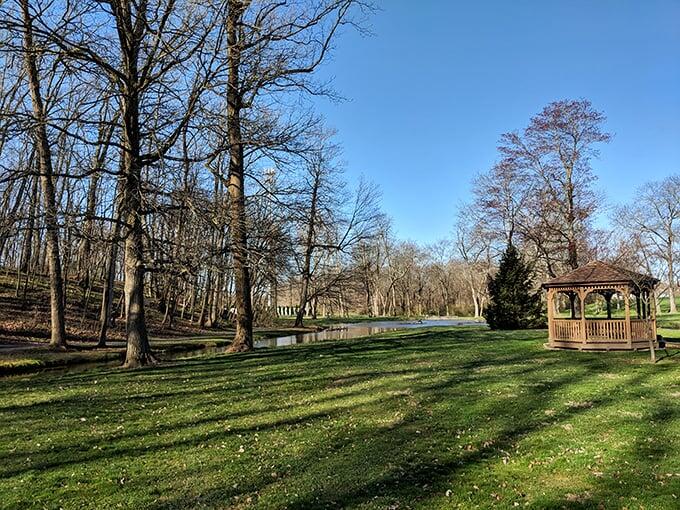
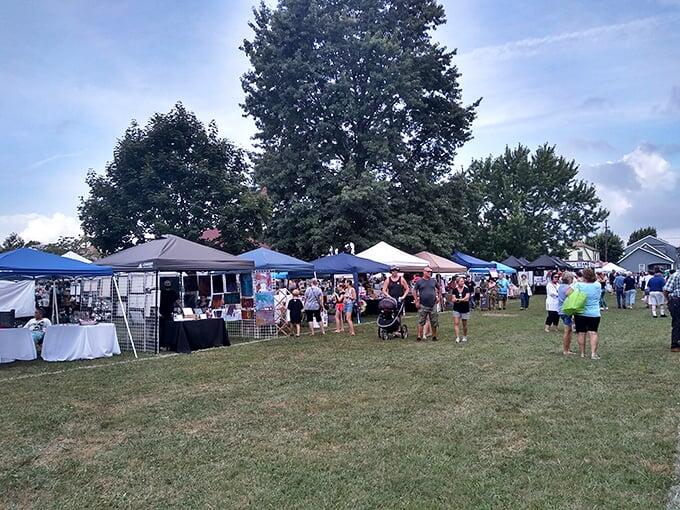
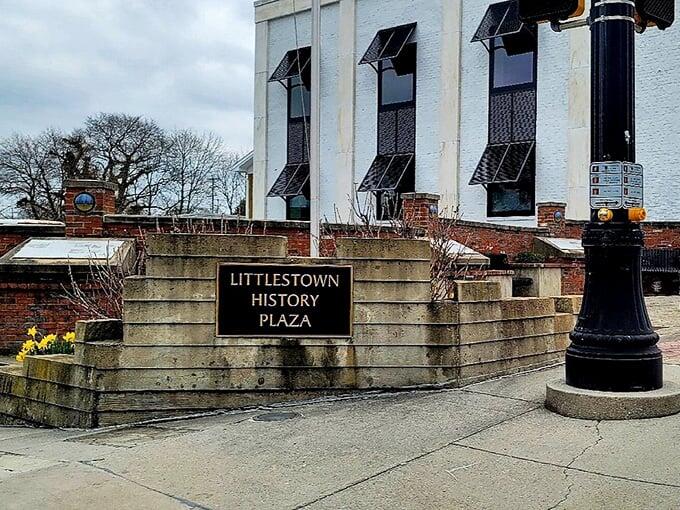
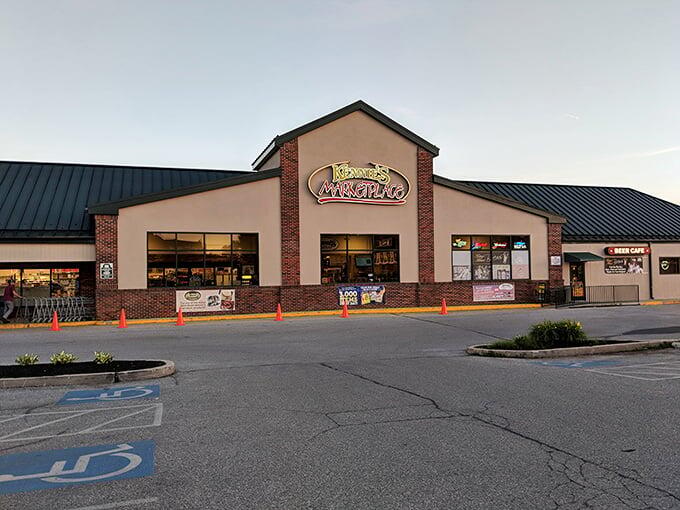
davenportmeghan+FollowRetire comfortably in Littlestown for $1,200/monthLiving well in retirement doesn’t have to mean draining your savings—just ask the folks in Littlestown, PA. This friendly borough near the Maryland border lets retirees enjoy small-town charm, walkable streets, and a real sense of community, all on a budget that’s almost unheard of these days. With affordable homes, low property taxes, and everyday costs that leave room for life’s pleasures (like a cinnamon roll from Crouse’s Bakery), Littlestown proves you don’t need a fortune to live richly. What would you do with extra breathing room in your retirement budget? #RealEstate #RetirementLiving #AffordableLiving616Share