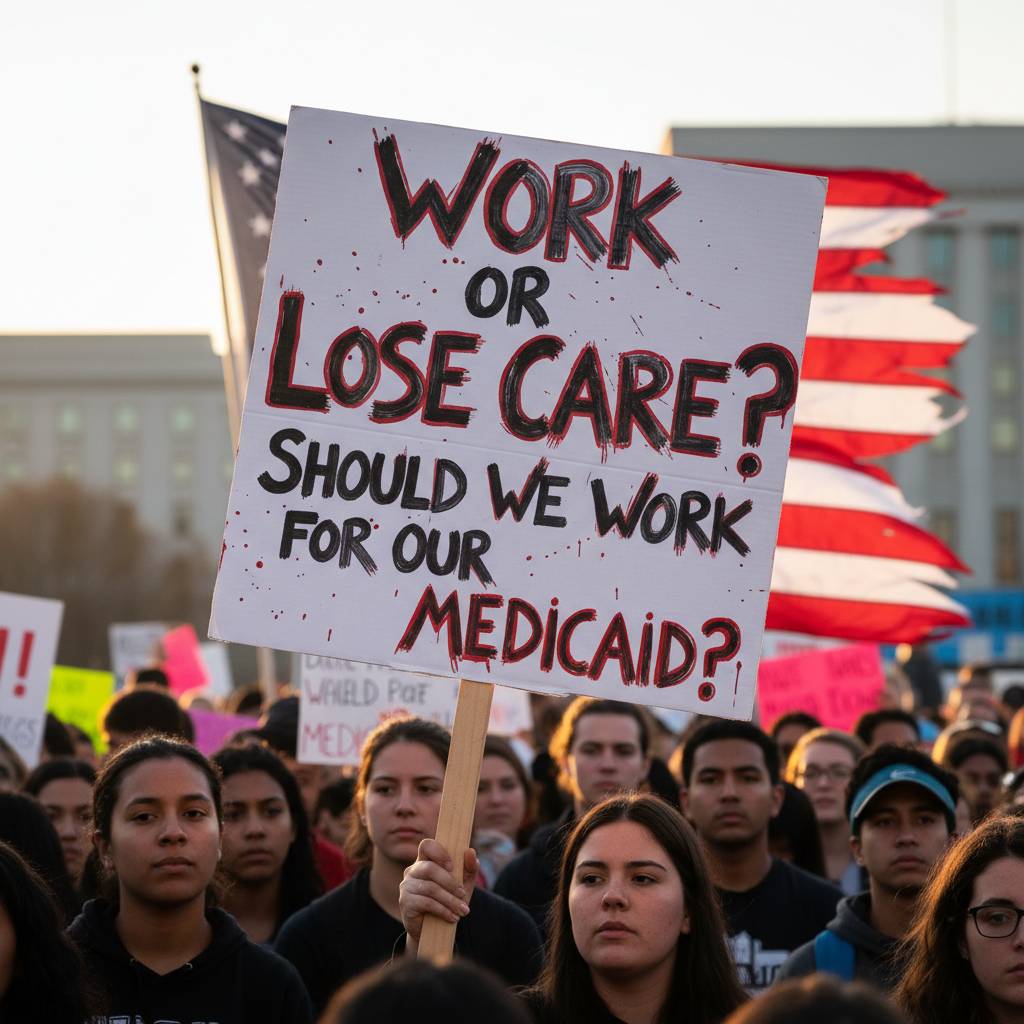
Headline: Work or Lose Medicaid? States Debate Controversial Rules
Requirements on the Table
Some states are considering—or already enforcing—rules that could make Medicaid recipients work, volunteer, or join job training programs to keep their health coverage. The goal? Encourage self-sufficiency. The concern? Millions could lose vital care.
Who Gets Medicaid
Low-income Americans, including children, seniors, pregnant women, and people with disabilities.
Provides free or low-cost health coverage
States can request federal waivers to attach work requirements.
Early Examples
Arkansas (2018): Thousands lost coverage—not always for failing to work, but often for failing to report hours correctly.
Kentucky: Attempted program blocked by courts over concerns for vulnerable residents.
Supporters Say:
Encourages workforce participation
Reduces dependency on government programs.
May improve health outcomes and overall well-being.
Critics Say:
Health care shouldn’t be conditional
Could worsen chronic illnesses and increase emergency costs.
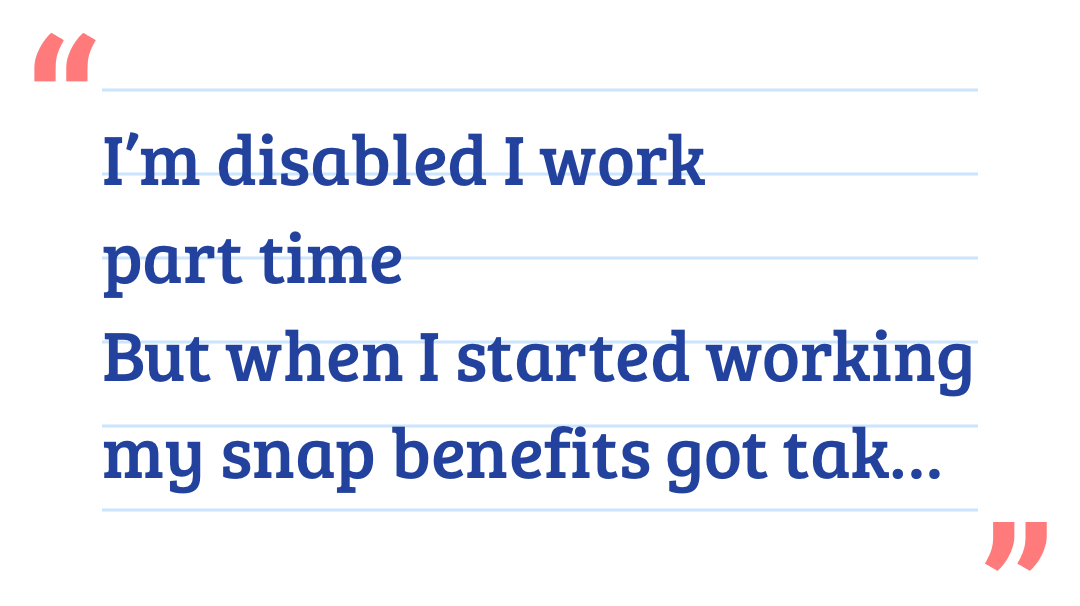
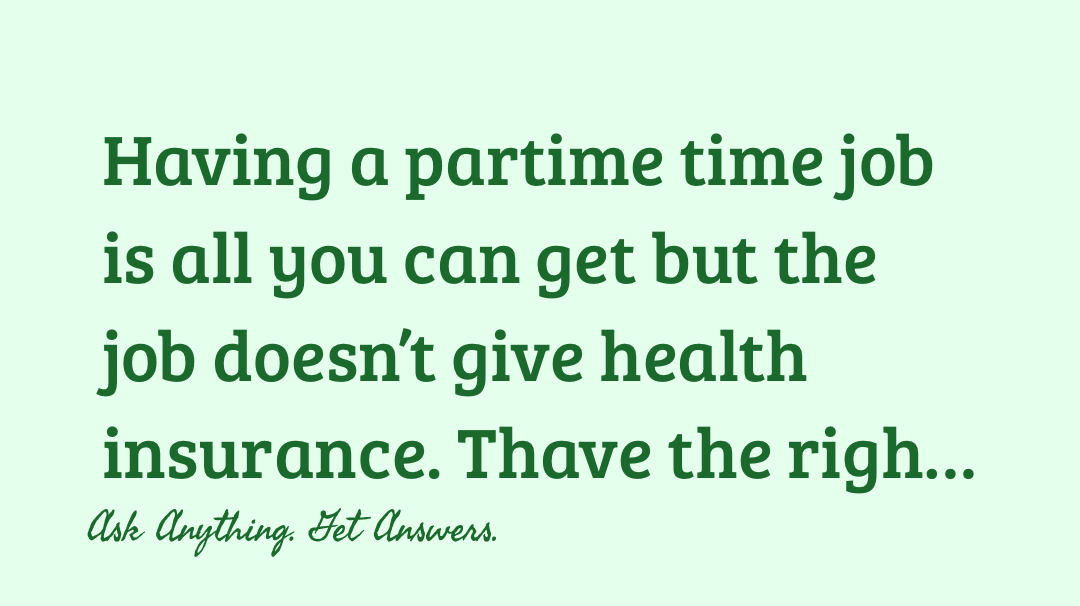
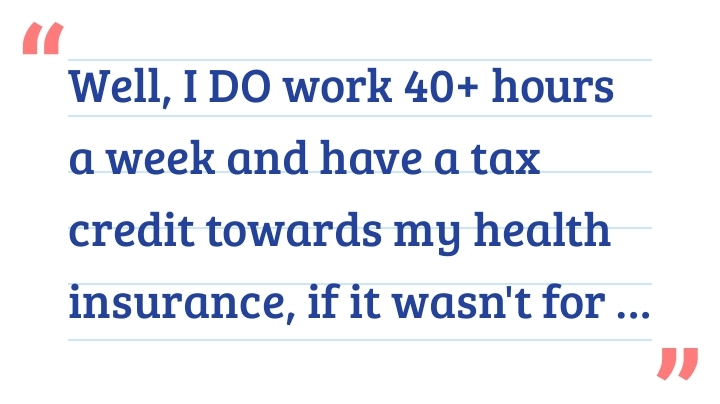
Barriers like transportation, childcare, and unstable jobs make compliance difficult.
The Big Question
Should healthcare depend on employment, or is coverage a safety net to help people survive
—and eventually thrive—while they work toward stability?
What’s Next
More states are considering similar policies
Healthcare providers, advocacy groups, and lawmakers are watching closely.
Millions of Americans could be affected if work requirements expand.
Public Opinion Divided
Some see requirements as common sense
Others view them as an unfair barrier to care
For now, Medicaid recipients in affected states face uncertainty, while the conversation over work requirements continues to shape how millions access the healthcare they need.
#WorkOrLoseCare