Tag Page WomenInHistory

#WomenInHistory
LataraSpeaksTruth

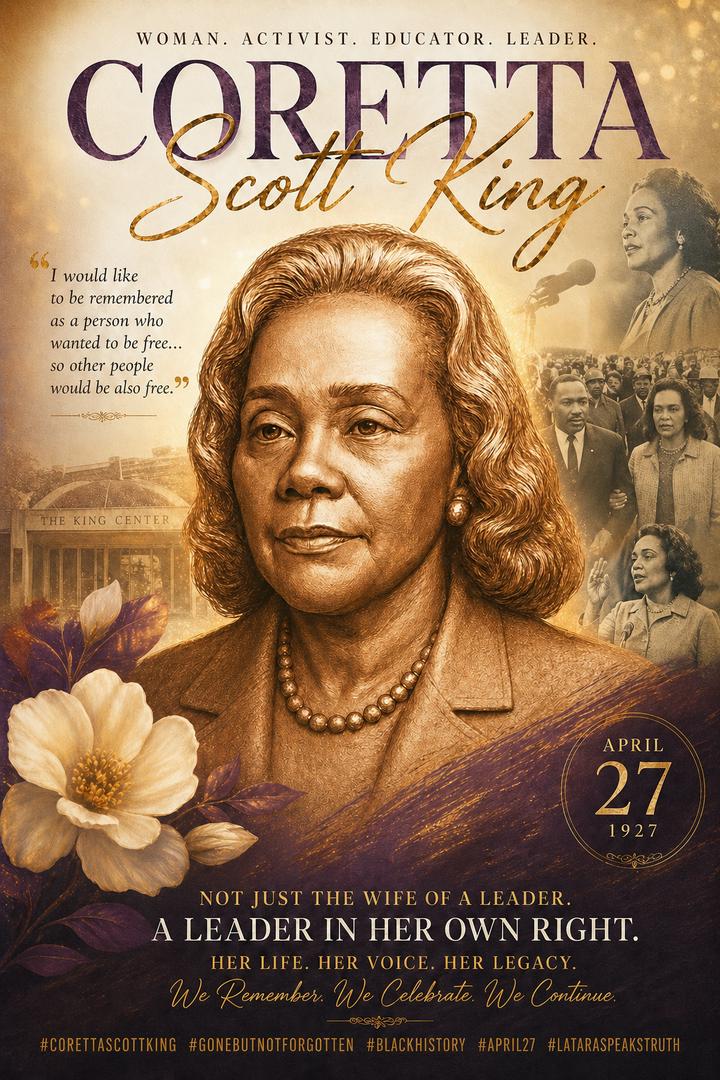
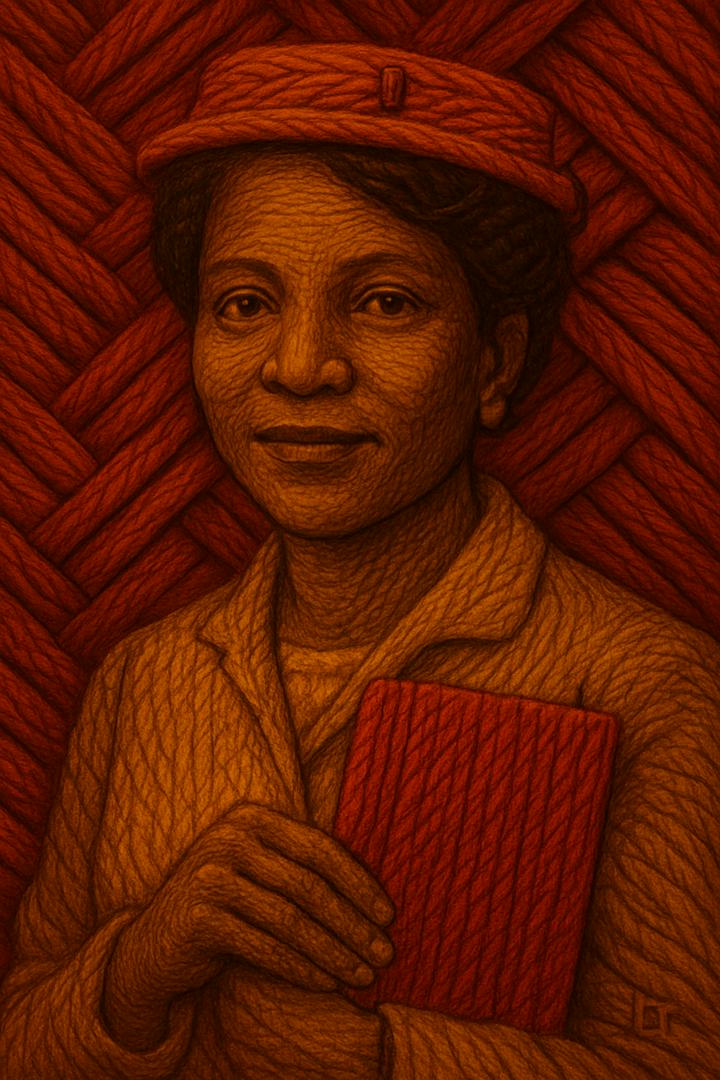
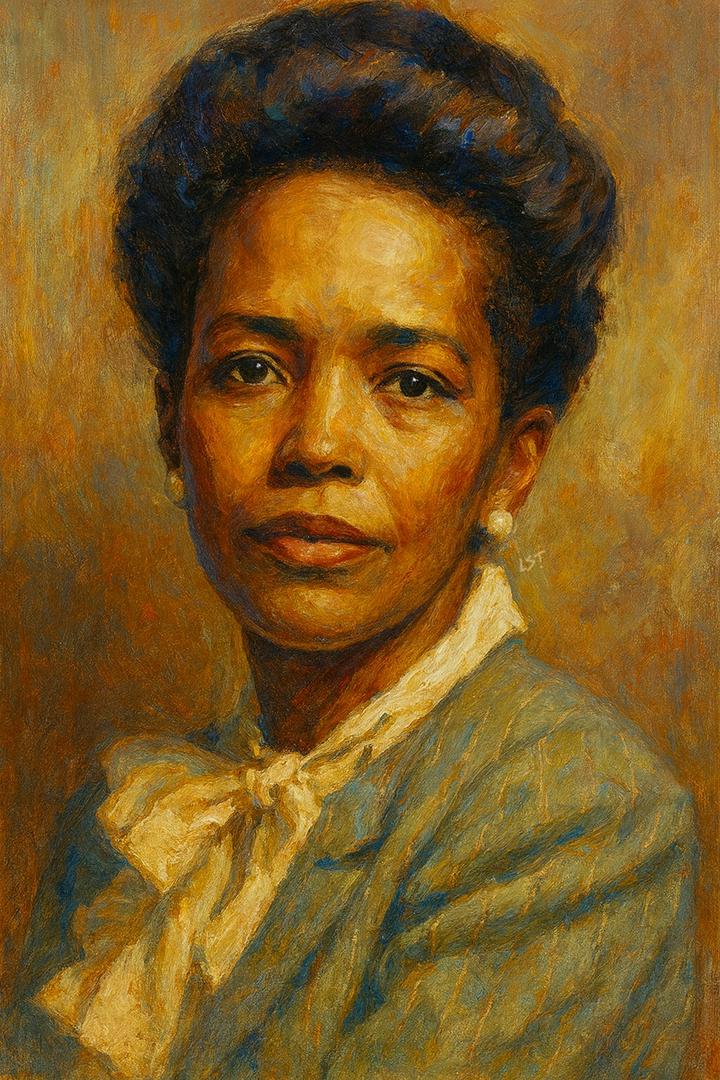
Coretta Scott King is remembered by many as the wife of Dr. Martin Luther King Jr., but that description is far too small for the life she lived. Born on April 27, 1927, in Heiberger, Alabama, Coretta Scott King built her own path through education, music, activism, and public service. She studied at Antioch College and later at the New England Conservatory of Music, where her voice was trained before it became part of a much larger calling. She was a woman of purpose long before history placed the King name beside hers. After Dr. King was assassinated in 1968, Coretta Scott King did not retreat from the work. She carried grief, motherhood, leadership, and public responsibility all at once. She founded The King Center in 1968 and spent years preserving his legacy while continuing to speak on peace, poverty, equality, and human rights. Coretta Scott King passed away on January 30, 2006, but her presence remains deeply woven into the history she helped protect. She was not just standing beside a leader. She was a leader. She was not just preserving a dream. She was helping carry it through some of the hardest years after the cameras moved on. On her birthday, we remember Coretta Scott King with honor. Gone, but not forgotten. And still deserving every flower. #CorettaScottKing #GoneButNotForgotten #BlackHistory #WomenInHistory #LataraSpeaksTruth

justme

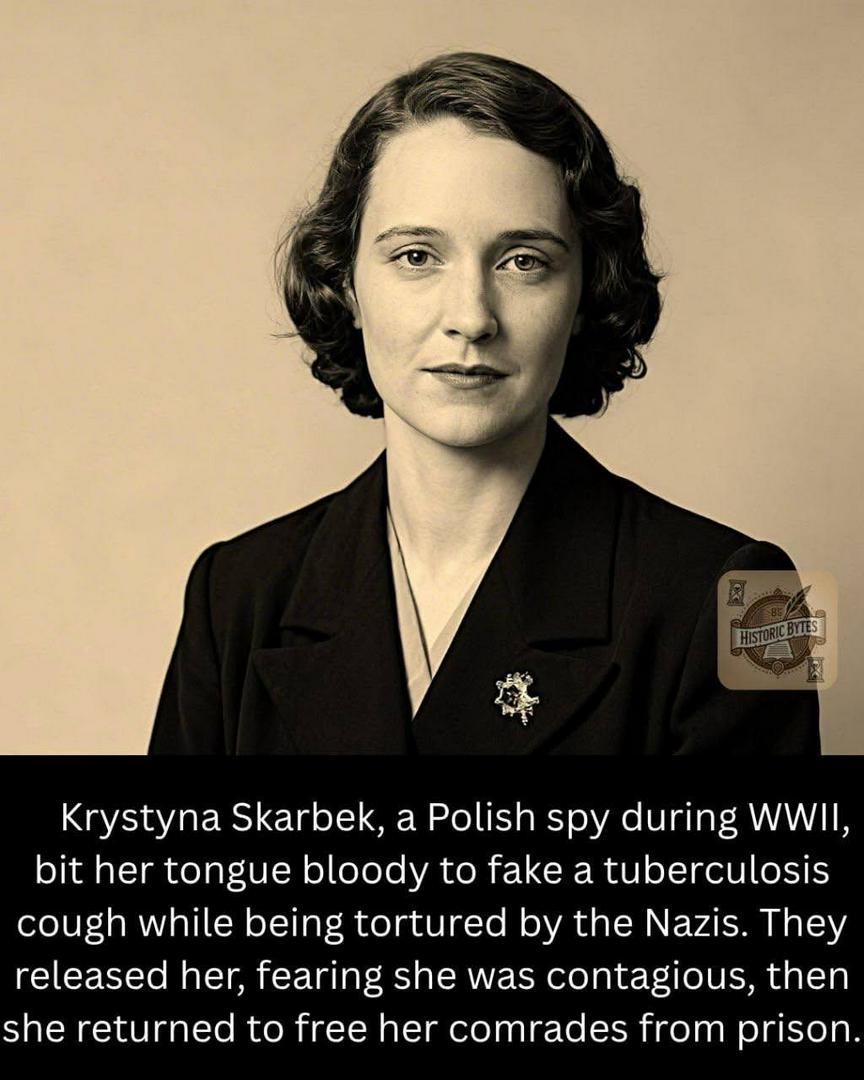
Krystyna Skarbek was born in Warsaw in 1908, the daughter of a Polish aristocrat and a Jewish banking heiress. Before the war she had been a beauty queen, an expert skier, and a sometime cigarette smuggler across the Tatra Mountains. When Germany invaded Poland in September 1939, she presented British intelligence with a plan: she would travel to neutral Hungary, ski across the Carpathians into occupied Poland, gather intelligence, and bring out resistance fighters and information. They agreed. She was operating behind enemy lines before the SOE, Britain’s sabotage and espionage organization, had even been formally established, making her the first British female agent of the war and eventually its longest-serving. She made multiple crossings into occupied Poland through some of the most dangerous terrain in Europe, smuggling money, weapons, and coded radio materials in both directions. On one crossing she carried rolls of microfilm documenting German preparations for Operation Barbarossa hidden inside her gloves. Churchill, upon seeing the intelligence, named her his favorite spy. In January 1941, the Gestapo arrested her and her partner, Polish officer Andrzej Kowerski, in Budapest. Two days into interrogation, Skarbek bit her own tongue hard enough to draw blood, coughed violently, and spat the blood in front of her captors. The Gestapo, who had a well-documented terror of tuberculosis, called a doctor. What the doctor found on an X-ray confirmed the fiction: old lung scarring from exhaust fumes at a garage where Skarbek had worked years earlier. He diagnosed likely tuberculosis. Both prisoners were released immediately. The British ambassador arranged passports under new names. Krystyna Skarbek became Christine Granville, a name she kept for the rest of her life. #womeninhistory #ww2 #fblifestyle

LataraSpeaksTruth

In February 1956, Autherine Lucy became the first Black student to enroll at the University of Alabama. Her admission came only after a federal court ordered the school to accept her, not because the institution was ready to change. What followed exposed exactly how fragile that so-called order was. Almost immediately, hostile crowds formed on campus. White students and outsiders hurled insults, threats, and objects. Classes were disrupted. The environment became dangerous. Yet instead of stopping the violence or holding attackers accountable, university officials made a different choice. They suspended Lucy. The reason given was “for her own safety.” In reality, the school removed the person being targeted while allowing the chaos around her to continue. She had broken no rules. She had not provoked unrest. Her only offense was entering a space that was determined to remain unchanged. The suspension came within weeks of her arrival, followed by her eventual expulsion. The message was clear. Integration would be treated as the problem, not the resistance to it. That moment became a pattern repeated across the country. Progress was framed as disruption. Courage was labeled disorder. Institutions protected themselves first, even when the law demanded otherwise. Decades later, the University of Alabama quietly reversed course. Lucy’s expulsion was annulled. She was invited back. She later received an honorary doctorate. History moved forward, but not without first trying to erase her. Hurricane Lucy wasn’t destruction. It was pressure meeting truth. The storm wasn’t her presence. It was the reaction to it. #BlackHistory #OnThisDay #CivilRightsHistory #HiddenHistory #EducationHistory #HistoryMatters #WomenInHistory

LataraSpeaksTruth

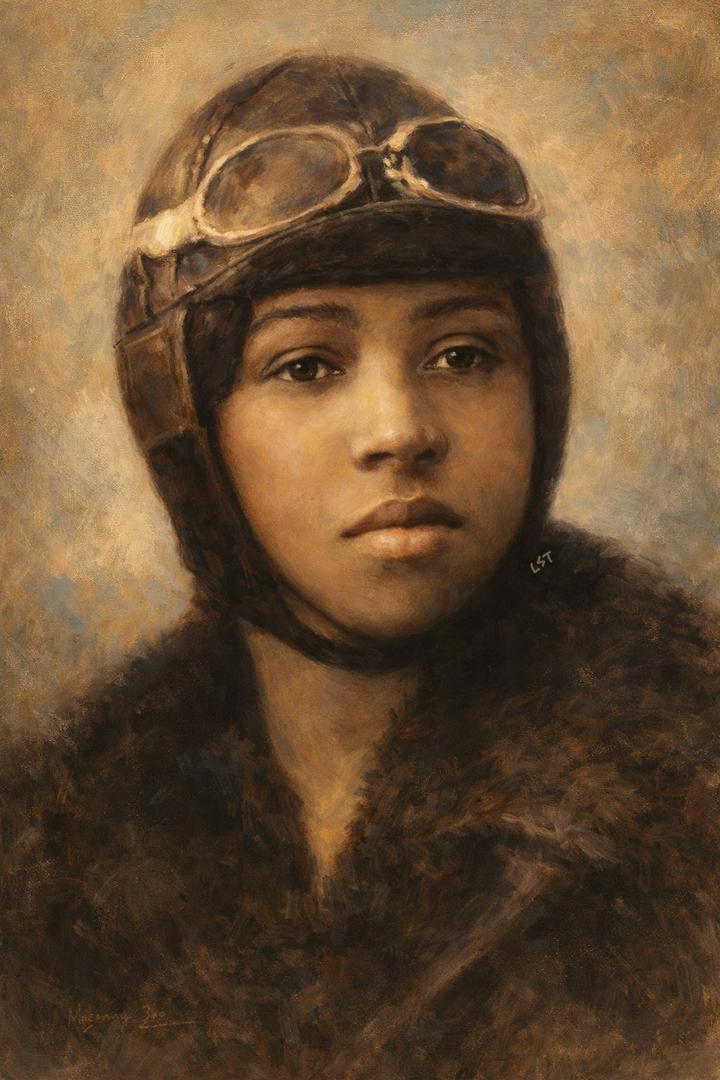
On January 26, 1892, Bessie Coleman was born into a country that told her exactly what she could not be. She listened long enough to understand the rules…and then broke every one of them. When no flight school in the United States would admit a Black woman, Bessie didn’t argue. She learned French, left the country, and trained in France. In 1921, she earned her pilot’s license, becoming the first Black woman and first Native American woman to do so. Not because the system opened a door…but because she refused to wait for one. Bessie didn’t fly for novelty. She flew with purpose. She believed aviation should belong to everyone, and she dreamed of opening a flight school so others wouldn’t have to leave the country just to learn. She refused to perform at airshows that enforced segregation. If audiences were divided, she walked. Progress without dignity wasn’t progress to her. As a barnstormer, she stunned crowds with daring aerial maneuvers, turning the sky into a stage for possibility. Each flight was a quiet rebellion against limitation, proof that skill and courage don’t ask permission. Her life ended too soon. Bessie Coleman died in a plane crash in 1926 at just 34 years old. But her impact never grounded. Every pilot who followed, every barrier lifted higher, carries a trace of her flight path. Some people change history by staying. Others change it by leaving, learning, and coming back stronger. Bessie Coleman did all three. Born January 26. Legacy everlasting. #BessieColeman #January26 #OnThisDay #WomenInHistory #AviationHistory #Trailblazer #AmericanHistory #HistoryMatters #Legacy #BlackExcellence

LataraSpeaksTruth

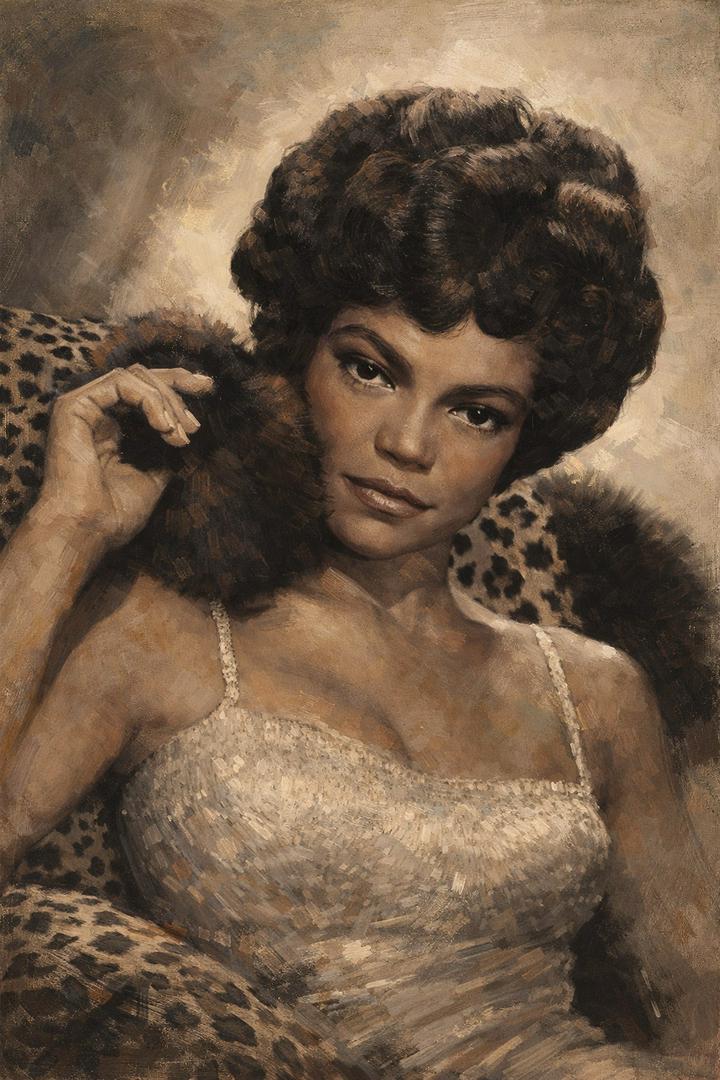
Celebrating a Legend: Eartha Kitt’s 99th Heavenly Birthday Today, we pause to honor a woman who never asked for permission and never needed approval. On what would have been her 99th birthday, we remember Eartha Kitt…a force of nature wrapped in elegance, intellect, and unapologetic truth. A sharecropper’s daughter from South Carolina who carved her way into Broadway, Hollywood, and the global music stage with raw talent, a signature growl, and an iron spine. Born January 17, 1927, Eartha’s life is a testament to resilience. Her early years were marked by hardship and instability, yet she refused to let that define her future. Her voice and presence caught the attention of Orson Welles, who cast her in Dr. Faustus and famously called her “the most exciting woman in the world.” He wasn’t wrong. Eartha didn’t just sing songs like “C’est Si Bon” or “Santa Baby”…she inhabited them. She redefined sophistication and power for Black women in entertainment at a time when both were tightly controlled. In the 1960s, she broke another barrier as Catwoman on Batman, proving that femininity could be seductive, commanding, and dangerous all at once. Her boldest role, however, was herself. After speaking out against the Vietnam War at a White House luncheon in 1968, Eartha was effectively blacklisted in the U.S. She did not apologize or soften her stance. She took her talent overseas, thrived in Europe, and returned years later to standing ovations on Broadway. Her words on love, independence, and self-worth still resonate today. As we approach her centennial, Eartha Kitt remains the blueprint for living boldly, speaking honestly, and never shrinking to be accepted. Happy Heavenly Birthday to a true original. #EarthaKitt #HeavenlyBirthday #Legend #Icon #WomenInHistory #Catwoman #CulturalLegacy #Resilience
LataraSpeaksTruth

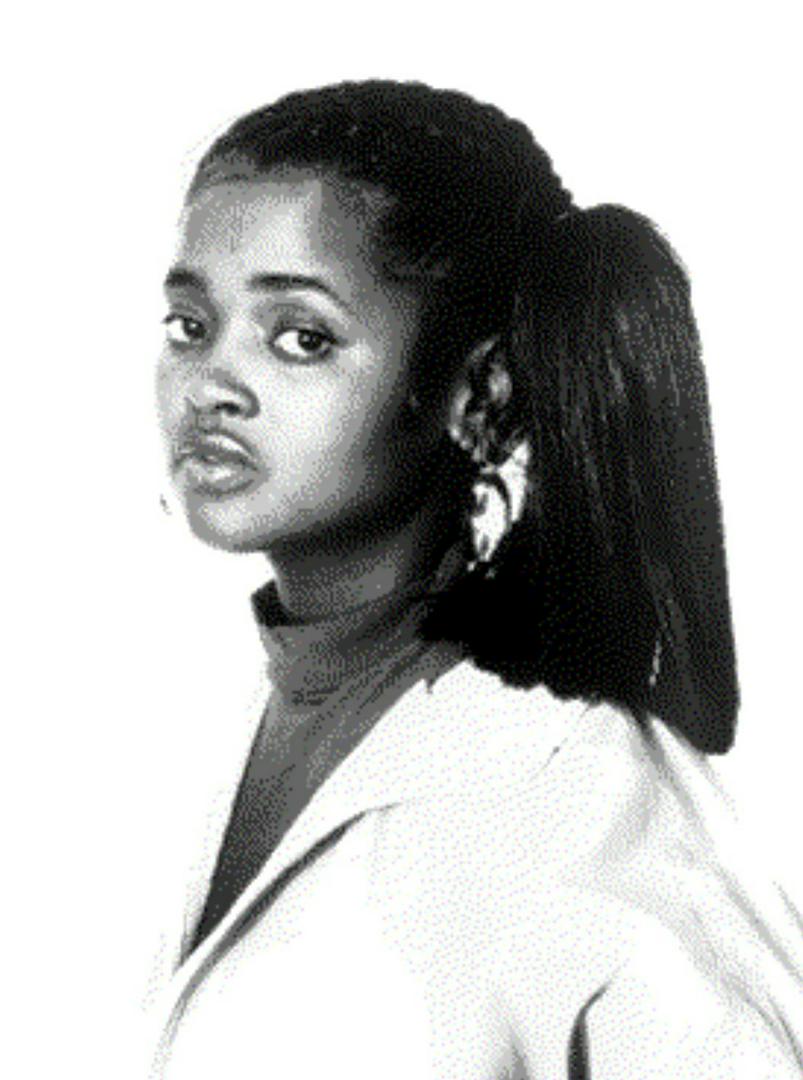
December 24, 1989 sits inside a cultural shift that was already gaining momentum. Around this period, Sister Souljah was emerging into national visibility as part of a wave of Black women whose political voices were becoming impossible to ignore in media, hip hop, and public debate. This was not overnight attention. It was the result of sustained organizing, sharp analysis, and a refusal to dilute language for comfort. By the late 1980s, hip hop had become more than music. It was a public forum, and the media was struggling to manage voices that spoke outside approved boundaries. Sister Souljah entered that space fully aware of the consequences. She spoke plainly, challenged dominant narratives, and refused to perform respectability to be heard. What unsettled audiences was not only her message, but her presence as a young Black woman asserting intellectual authority in spaces that were not built for her leadership. December 1989 reflects a threshold moment. Conversations about power, accountability, and representation were becoming more visible and more confrontational. Black women were no longer content to be supporting voices in movements shaped by others. They were naming realities in real time and forcing public engagement. Sister Souljah’s rise during this period signaled that shift clearly. This moment matters because history does not move only through laws or elections. It moves through voices that refuse silence when silence is expected. December 24, 1989 stands inside that awakening, when speaking boldly became an act of record, not rebellion. #OnThisDay #December24 #1989 #CulturalHistory #MediaAndPower #WomenInHistory #PoliticalVoice #HipHopEra #HistoryMatters

LataraSpeaksTruth

Ella Baker was born on December 13, 1903, and she died on December 13, 1986. Eighty three years, same date. That alone tells you this is someone worth pausing for. But her real legacy is not about dates. It is about how movements are built, and who actually holds them up. Ella Baker was a strategist, organizer, and political thinker who believed real change comes from ordinary people, not charismatic figureheads. She worked with the NAACP, helped launch the Southern Christian Leadership Conference, and later played a critical role in the formation of the Student Nonviolent Coordinating Committee. While others gave speeches, she built systems. While others stood at podiums, she stood in community meetings, kitchens, and church basements. She openly challenged the idea that movements need a single leader. Her philosophy was simple but radical. Strong people do not need strong leaders. They need tools, knowledge, and space to organize themselves. That belief shaped student activism across the South and helped fuel voter registration drives, grassroots education, and long term organizing that rarely made headlines but changed lives. Ella Baker was not interested in fame. She was interested in results. She pushed back when voices were ignored. She insisted women be taken seriously in organizing spaces. She believed young people were not the future of movements but the present. Many of the freedoms later generations benefited from were protected and expanded by work she helped guide, often without credit. Her story reminds us that history is not only made by the loudest voice in the room. Sometimes it is made by the one making sure everyone else is heard. December 13 is her day. And remembering her means remembering how change actually happens. #EllaBaker #OnThisDay #December13 #HiddenFigures #HistoryMatters #GrassrootsOrganizing #SNCC #NAACP #CivilRightsHistory #Leadership #WomenInHistory #OurHistory

LataraSpeaksTruth

VIOLA LIUZZO… THE WOMAN WHO REFUSED TO LOOK AWAY

Viola Fauver Liuzzo was a thirty nine year old White mother of five from Detroit who made a choice most people only talk about. She saw the images from the events in Selma in March of 1965 and felt something inside her shift. While many people sat on the sidelines, she packed her car, left her family, and drove to Alabama because she believed protecting human dignity was everybody’s responsibility. She volunteered with the organization working to secure equal voting rights and helped transport marchers between Selma and Montgomery. On the night of March twenty fifth, as she drove with a young Black volunteer named Leroy Moton, a car filled with men from a violent extremist group pulled beside them on the highway. They opened fire. Viola Liuzzo was killed instantly. Leroy survived by pretending to be dead. One of the men in that car was later identified as an informant for federal agents, which sparked decades of questions about what really happened that night. Her death became a turning point. It shook the country. It pushed the conversation into every living room. It helped bring national support behind the Voting Rights Act of 1965. Yet she was attacked by people who wanted to erase her sacrifice. They tried to ruin her reputation. They tried to silence her name. Her family paid the price for decades. But history kept her in the light because truth has a way of rising again. Viola Liuzzo stood where many refused to stand. She offered her life because she believed that injustice anywhere was a threat to every home, every family, and every child. Her legacy asks a simple question. What do you do when you see wrong happening in front of you. Do you turn away or do you step forward like she did. #AmericanHistory #HistoricalFigures #LegacyStories #WomenInHistory #CourageAndCharacter #UnsungHeroes #StoriesWorthKnowing #EverydayHeroes #HistoryMatters #RealPeopleRealImpact

VIOLA LIUZZO… THE WOMAN WHO REFUSED TO LOOK AWAY
You've reached the end!