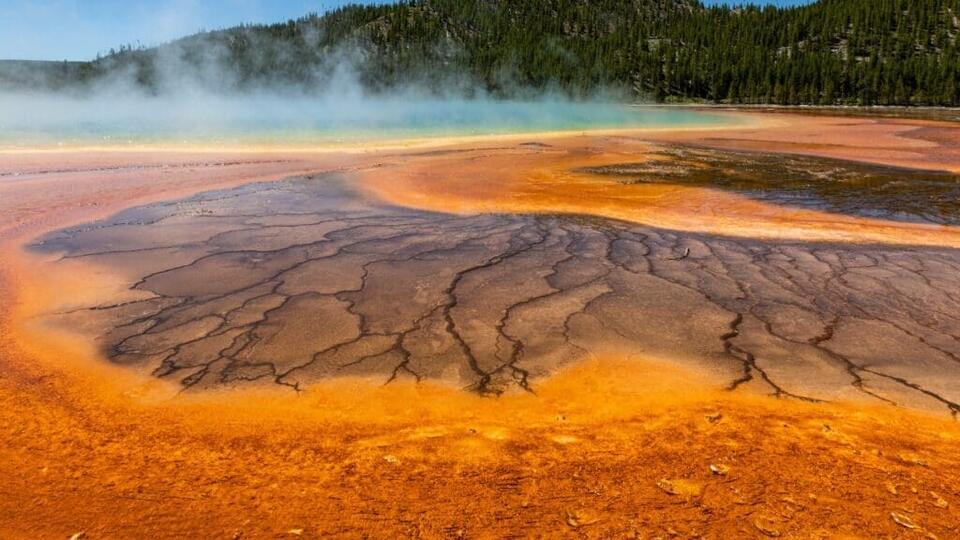
robertjones+FollowYellowstone’s ground is pulsing againYellowstone’s surface is on the move, rising and falling in a slow, steady rhythm that scientists compare to breathing. This latest pulse is happening along the north rim of the caldera, where the ground has started to lift after a quiet stretch. The change is tiny—just centimeters—but it’s a sign of the powerful volcanic system simmering miles below. Researchers say this “breathing” is normal for Yellowstone and not a warning of eruption, but it’s a fascinating reminder of how alive the landscape really is. What do you think—does knowing the ground is shifting underfoot change how you see Yellowstone? #News #Yellowstone #Volcano71Share
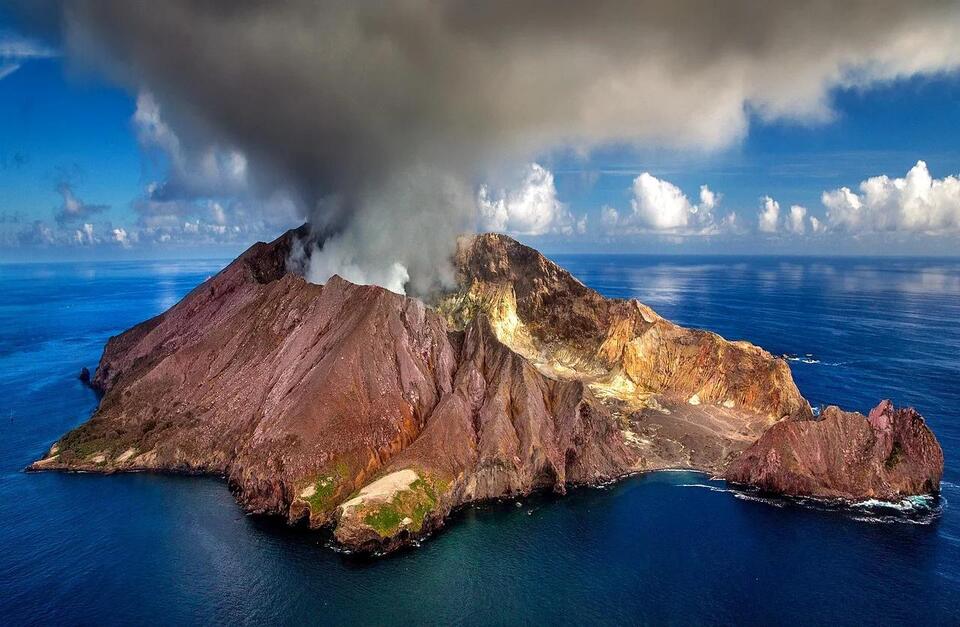
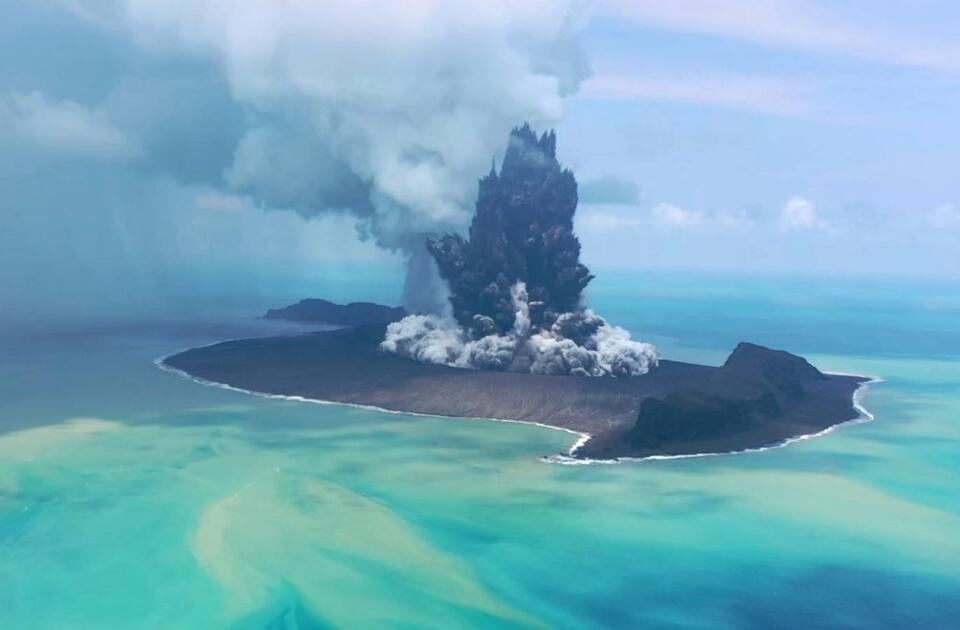
Tamara Jones+FollowA Brand New Island Just Popped Up!Earth just pulled off a wild magic trick—a brand new island literally appeared overnight after a seafloor volcano erupted! Scientists are geeking out because this is a rare chance to watch a fresh island form in real time. Right now, it’s all jagged rocks and steaming cliffs, but soon, birds and plants could move in. How cool is it that our planet is still making new land? Nature never stops surprising us! #Science #EarthScience #Volcano146Share
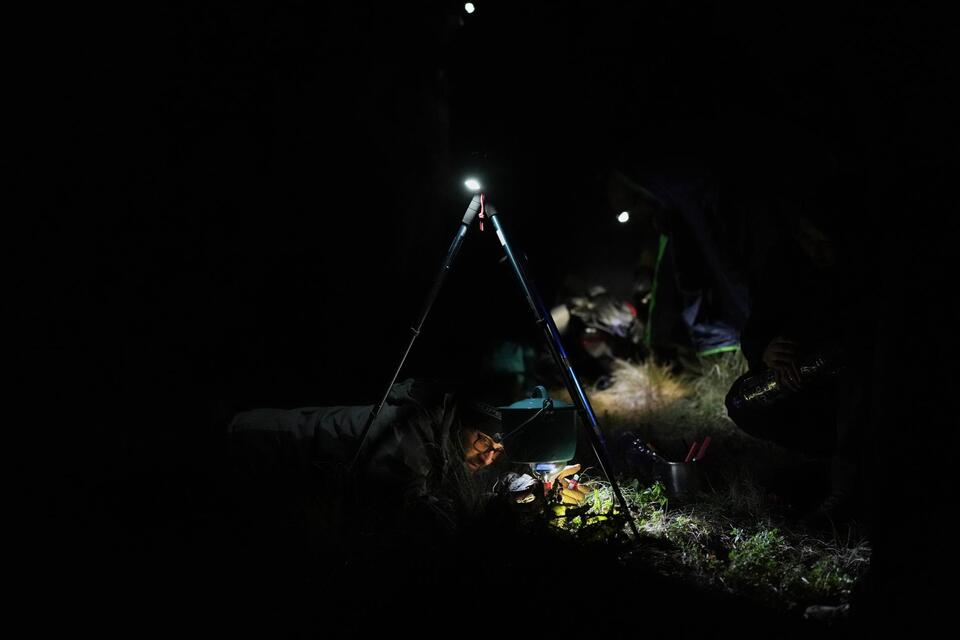
Jessica Hodge+FollowInside Mexico’s Volcano: Scientists Spill SecretsImagine climbing an active volcano just to see what’s bubbling inside! Scientists finally mapped the guts of Mexico’s Popocatépetl, revealing where all that magma hides. After years of hauling gear up the slopes and dodging eruptions, they’ve got a 3D image showing magma pools deep below the surface. This could be a game-changer for predicting eruptions and keeping millions safe. Who knew volcano science could be this wild? #Science #Popocatépetl #Volcano20Share
Tamara Jones+FollowVolcano Blasts Water to Edge of Space!Did you know the 2022 Hunga Tonga eruption shot so much water vapor into the atmosphere, it actually cooled the stratosphere instead of warming it? Scientists say this underwater blast was so powerful, it reached the edge of space—something satellites had never seen before! The craziest part? The effects are still being measured years later, and it’s totally changed how we think volcanoes can mess with Earth’s climate. Wild! #Science #volcano #science10Share
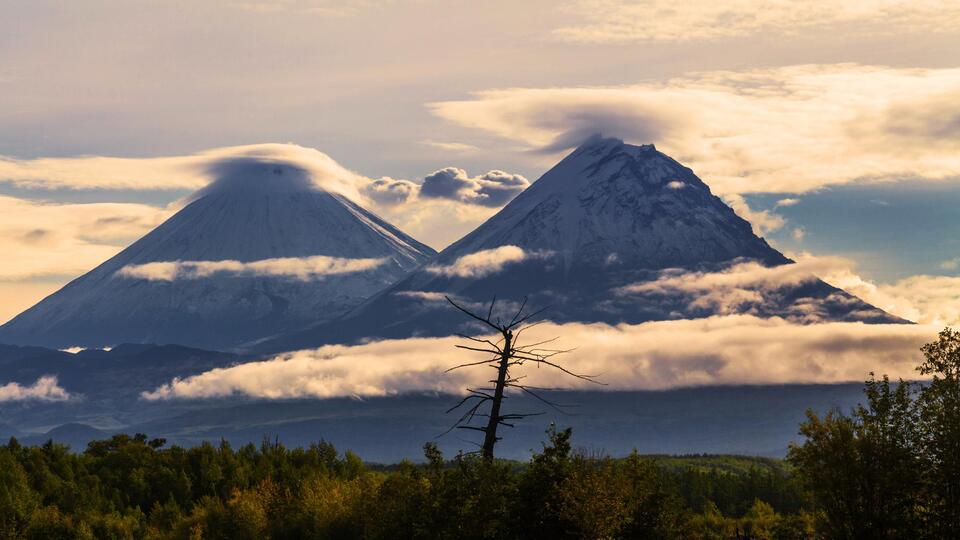
martinezlaura+FollowThis Volcano’s Epic Comeback!Bezymianny volcano in Russia is basically the comeback kid of the geological world. After blowing its top off in 1956, it’s been rebuilding itself for nearly 70 years—and it’s almost back to its original height! Scientists say it’s growing so fast, it could be fully restored by 2035. But heads up: volcanoes like this can collapse again, so the drama isn’t over yet. Nature’s got some serious patience and power! #Science #volcano #nature50Share
Michael Flores+FollowDormant Volcano Wakes Up After 10,000 YearsA volcano in Ethiopia, Hayli Gubbi, just erupted for the first time in over 10,000 years—talk about a comeback! The ash shot 45,000 feet into the sky, even reaching India in just 35 hours. Flights got canceled, villages got blanketed in ash, and people miles away felt the shockwave. Scientists had spotted some warning signs, but this eruption was still wild and unpredictable. Just a reminder: even the quietest volcanoes can surprise us! #Science #volcano #eruption40Share
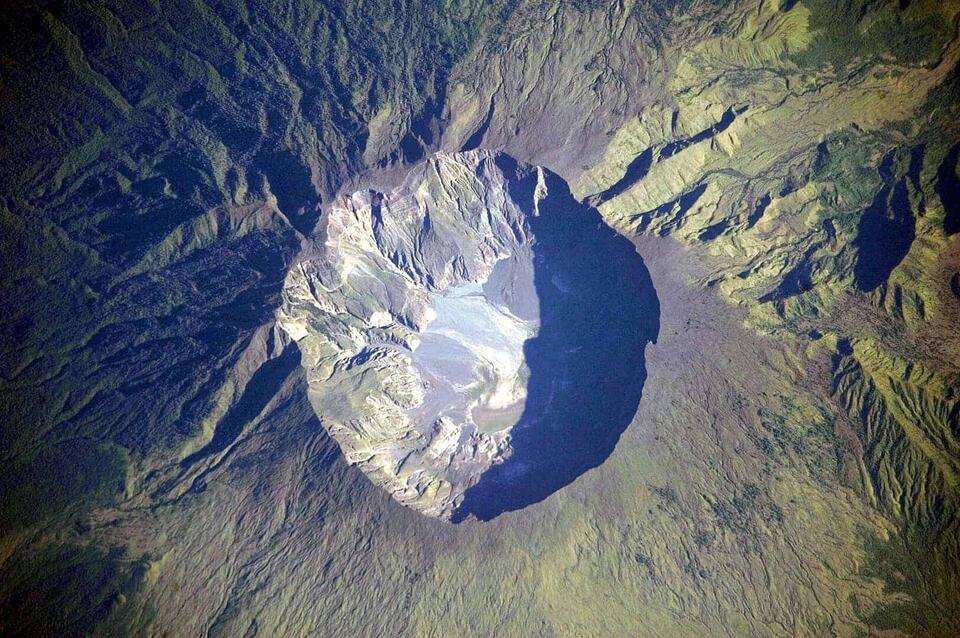
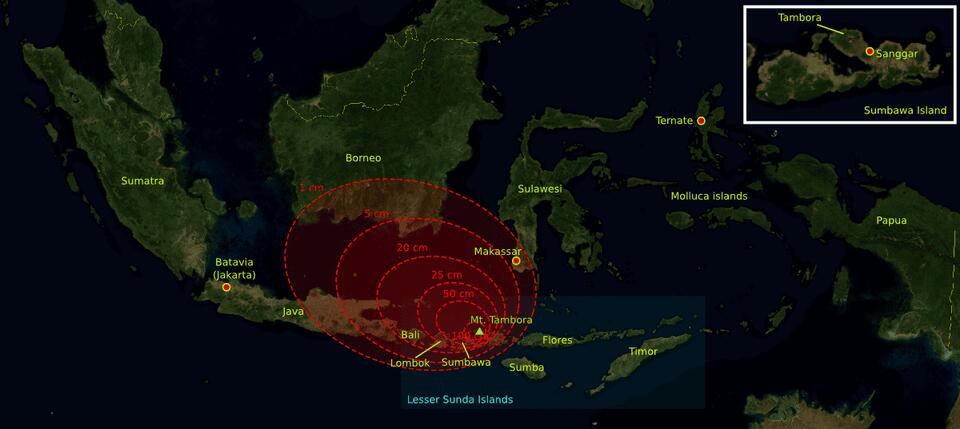
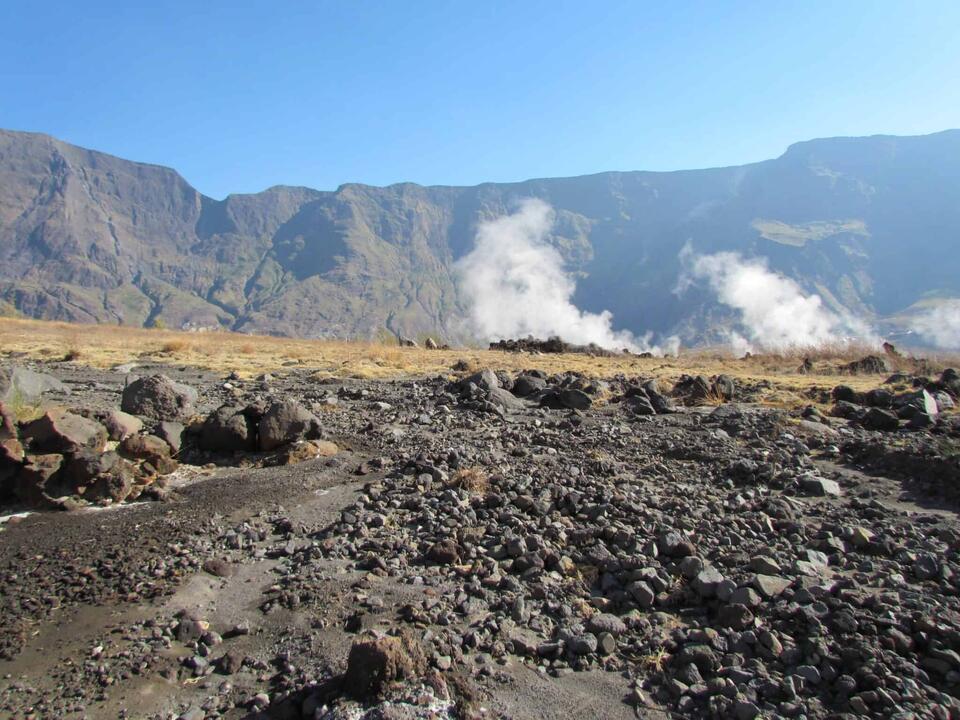
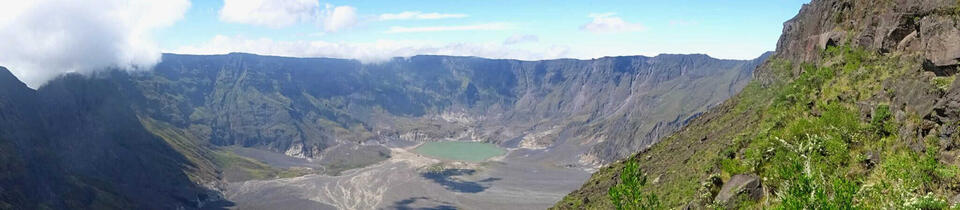
Melvin Mosley+FollowThis Volcano Changed the World—LiterallyDid you know the biggest volcanic eruption ever actually caused a global summer to vanish? Mount Tambora in 1815 exploded so massively, it wiped out villages, killed tens of thousands, and even made 1816 the “Year Without a Summer.” Crops failed, people starved, and the world’s weather went wild. The eruption was so loud it was heard 2,000 km away! It’s wild to think one volcano could shake up the whole planet like that. #Science #MountTambora #Volcano30Share
Patrick Simmons+FollowVolcanoes: The Real Killer Isn’t LavaWho knew the biggest threat from a volcano isn’t the lava? Scientists just cracked the code on predicting when a volcano’s slopes might collapse—think landslides and tsunamis, not just fiery eruptions. Turns out, hot gas and massive waves are the real dangers, and these new models could help communities get ahead of disaster. Imagine being able to monitor the riskiest spots before things go sideways. Wild, right? #Science #ScienceNews #Volcano30Share