Tag Page VirginiaHistory

#VirginiaHistory
LataraSpeaksTruth

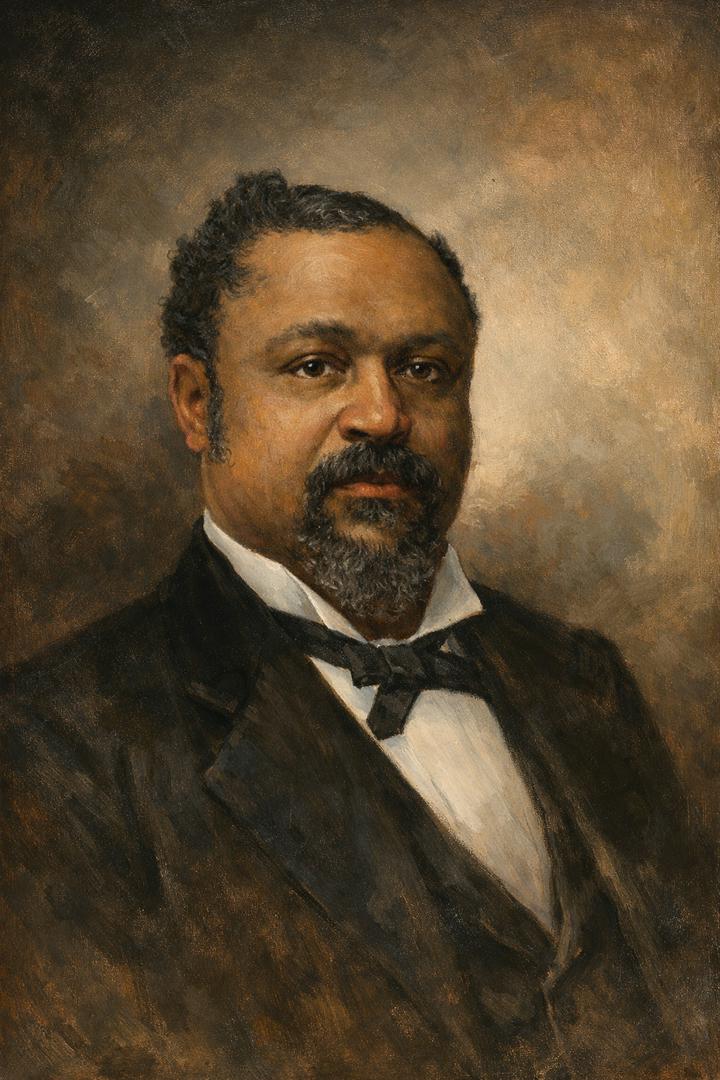
Blanche Kelso Bruce was born enslaved on March 1, 1841, near Farmville in Prince Edward County, Virginia. As a child, he received an education that was rare for someone held in bondage, and he carried that learning like a tool he refused to put down. When the Civil War began, Bruce left slavery and made his way west to Kansas. After that, he worked as a teacher in Hannibal, Missouri, helping educate newly freed Black children during the turbulent first years after emancipation. In 1868 he moved to Mississippi during Reconstruction and built a life in public service. He served on the Mississippi Levee Board, then held county office in Bolivar County as sheriff and later as tax collector from 1872 to 1875. In February 1874, Mississippi’s state legislature elected him to the United States Senate. He served from March 4, 1875, to March 3, 1881. Bruce was the second African American to serve in the U.S. Senate, and the first to complete a full six year term. In 1879 he became the first African American to preside over the Senate, a moment that carried weight far beyond the chamber. After his Senate service, Bruce continued in federal roles. In 1881 President James A. Garfield appointed him Register of the Treasury. He later served as Recorder of Deeds for Washington, D.C., and returned again as Register of the Treasury in 1897. Bruce died in Washington, D.C., on March 17, 1898, and was buried at Woodlawn Cemetery. Sources used for verification include the U.S. Senate’s biography of Bruce and the Biographical Directory of the United States Congress. #BlancheKelsoBruce #USSenate #ReconstructionEra #MississippiHistory #VirginiaHistory #AmericanHistory #BlackHistory #CivilWarEra #PoliticalHistory #HistoryMatters

LataraSpeaksTruth

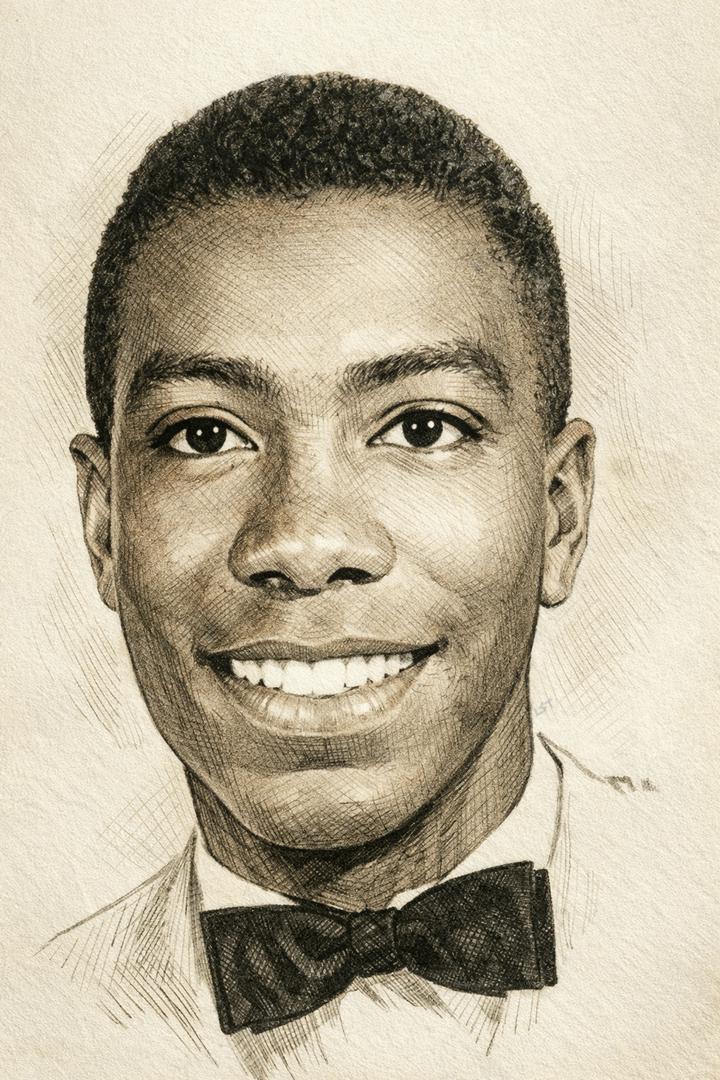
Some names get remembered because they were loud. Coach Carlyle Whitelow should be remembered because he stayed steady. Born Sept. 6, 1932, Whitelow grew up around Bridgewater College. His parents worked in campus dining, and as a kid he spent time on those grounds while they worked. In 1955, he enrolled at Bridgewater and became the first Black student to complete four years of study there. He was also the first Black student-athlete to compete in intercollegiate athletics at the college, and is recognized as the first Black athlete in Virginia to compete at a predominantly white college. That took more than talent. That took nerve, dignity, and a backbone that did not bend. After earning his physical education degree in 1959, he taught in public schools, including in Staunton, then returned to Bridgewater in 1969 as the college’s first Black faculty member. For 28 years, he coached and taught, including football, basketball, and tennis. In 1979, he was named ODAC men’s tennis coach of the year. He coached Bridgewater’s first ODAC men’s tennis player of the year and helped guide the program’s first NCAA men’s tennis tournament participant. Bridgewater inducted him into its Athletics Hall of Fame in 2001. People who knew him did not just talk about wins. They talked about character. The kind of coach who showed up, stayed consistent, and made you better without needing credit for it. Whitelow passed away Oct. 15, 2021. In 2025, he was inducted into the inaugural ODAC Hall of Fame, a fitting honor for a man who opened doors others could walk through. Thank you to my follower and friend I.R. Bama for putting his name on my radar. This legacy deserves more light. #BridgewaterCollege #ODAC #CollegeSports #Tennis #Coaching #SportsHistory #VirginiaHistory #BlackHistory #HiddenFigures #Legacy #HallOfFame

LataraSpeaksTruth

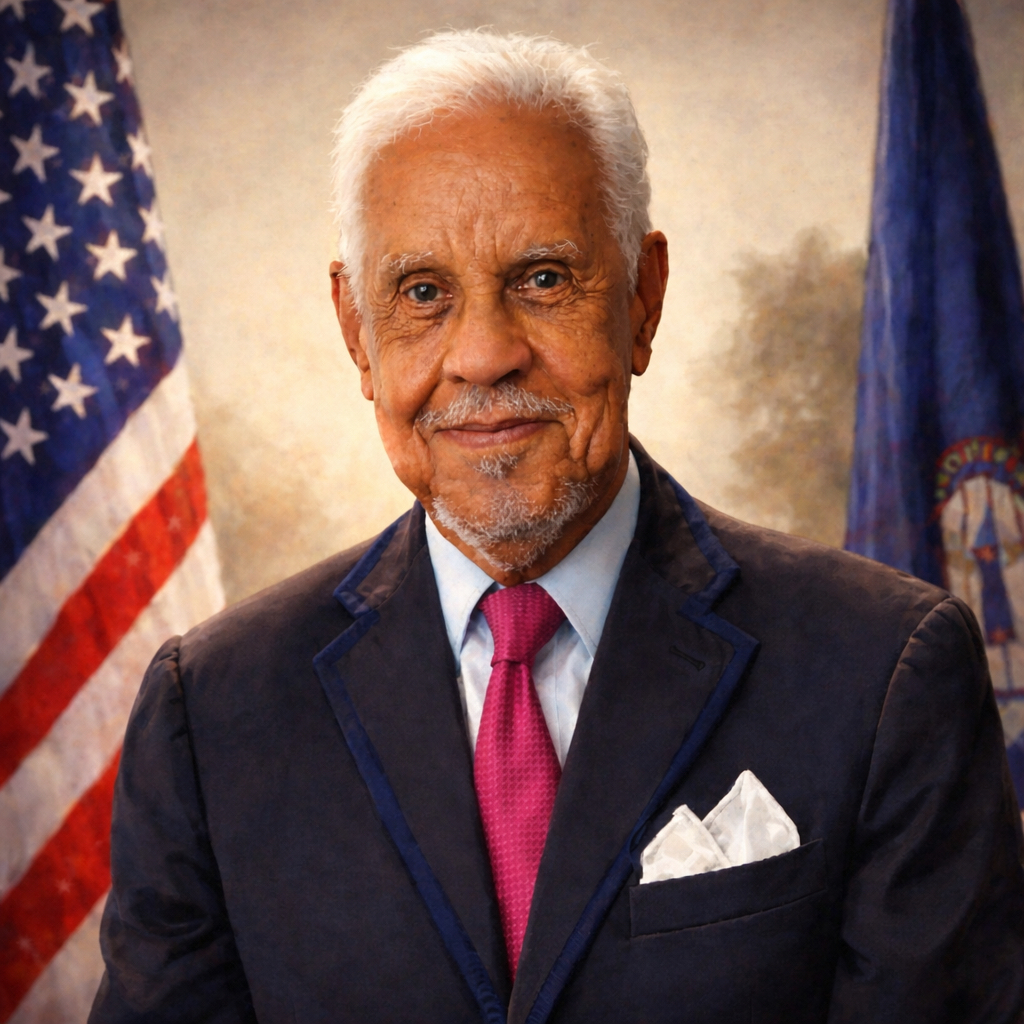
On January 13, 1990, L. Douglas Wilder was sworn in as governor of Virginia, becoming the first African American ever elected governor of any U.S. state. That moment did not arrive wrapped in celebration alone. It arrived heavy with history, expectation, and the quiet understanding that something permanent had just shifted. Virginia was not a neutral stage. It was a former capital of the Confederacy, a state shaped by laws and customs designed to keep power narrowly held. Wilder did not inherit that history. He confronted it directly by winning. No appointment. No workaround. Just votes, counted and certified, placing him in an office that had never before been occupied by someone who looked like him. The significance of that day stretched far beyond Richmond. Wilder’s inauguration challenged a long-standing assumption about who could govern at the highest levels of state power. It forced institutions to reconcile with the fact that progress was no longer theoretical. It was sworn in, standing at the podium, ready to lead. Being first came with scrutiny. Every decision carried symbolic weight. Every misstep risked being treated as confirmation rather than context. Yet Wilder governed with precision and restraint, focusing on fiscal responsibility, education, and public safety, refusing to perform history instead of making it. January 13, 1990 stands as a reminder that progress does not always arrive loudly. Sometimes it arrives formally, constitutionally, and undeniably. A door once closed did not creak open. It swung, and it stayed that way. #OnThisDay #January13 #USHistory #PoliticalHistory #VirginiaHistory #HistoricFirst #AmericanLeadership #BlackExcellence #HistoryMatters

You've reached the end!