Tag Page USMilitary

#USMilitary
Cops911

The United States Marine Corps – A Symbol of Strength and Loyalty

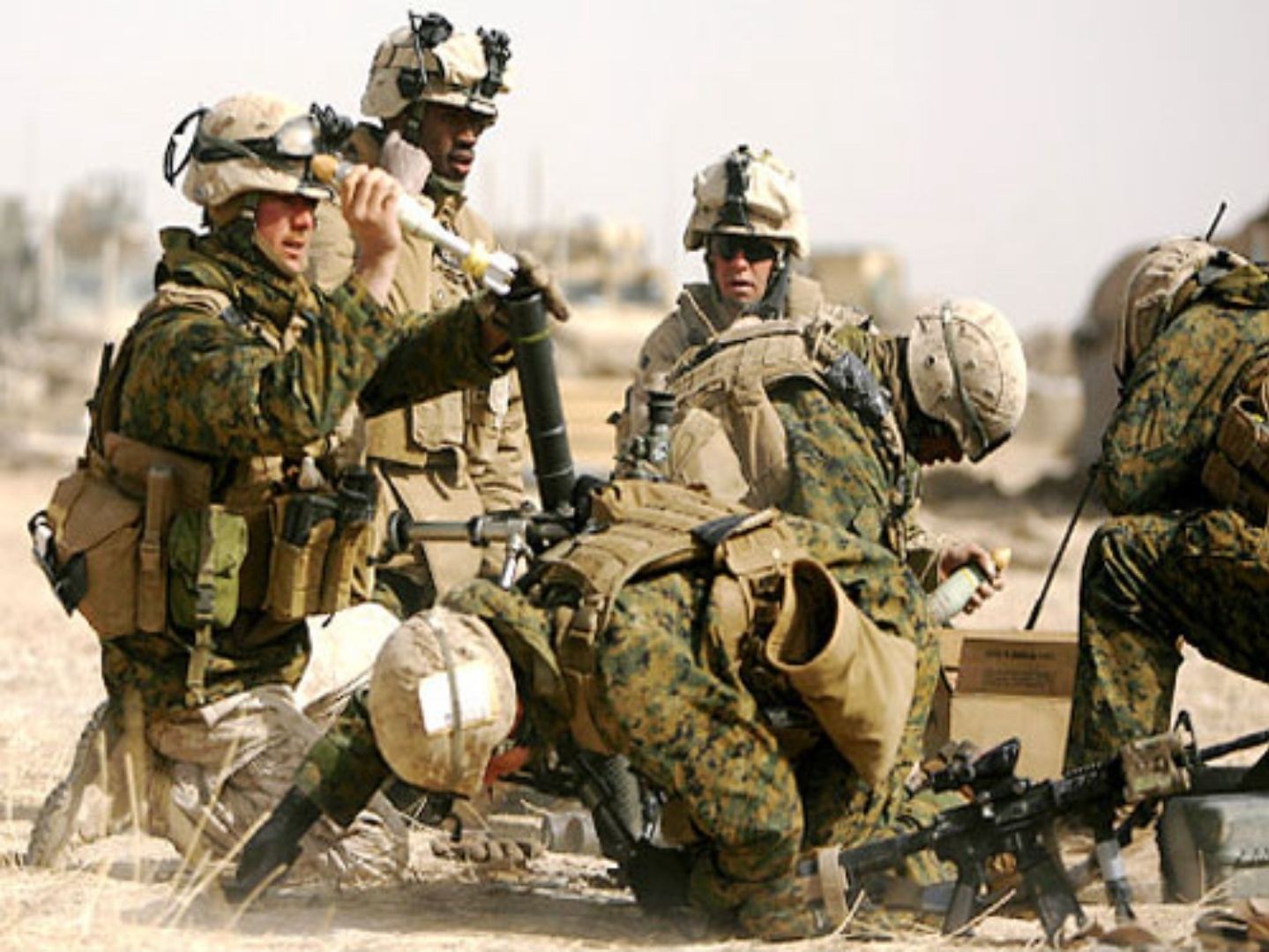
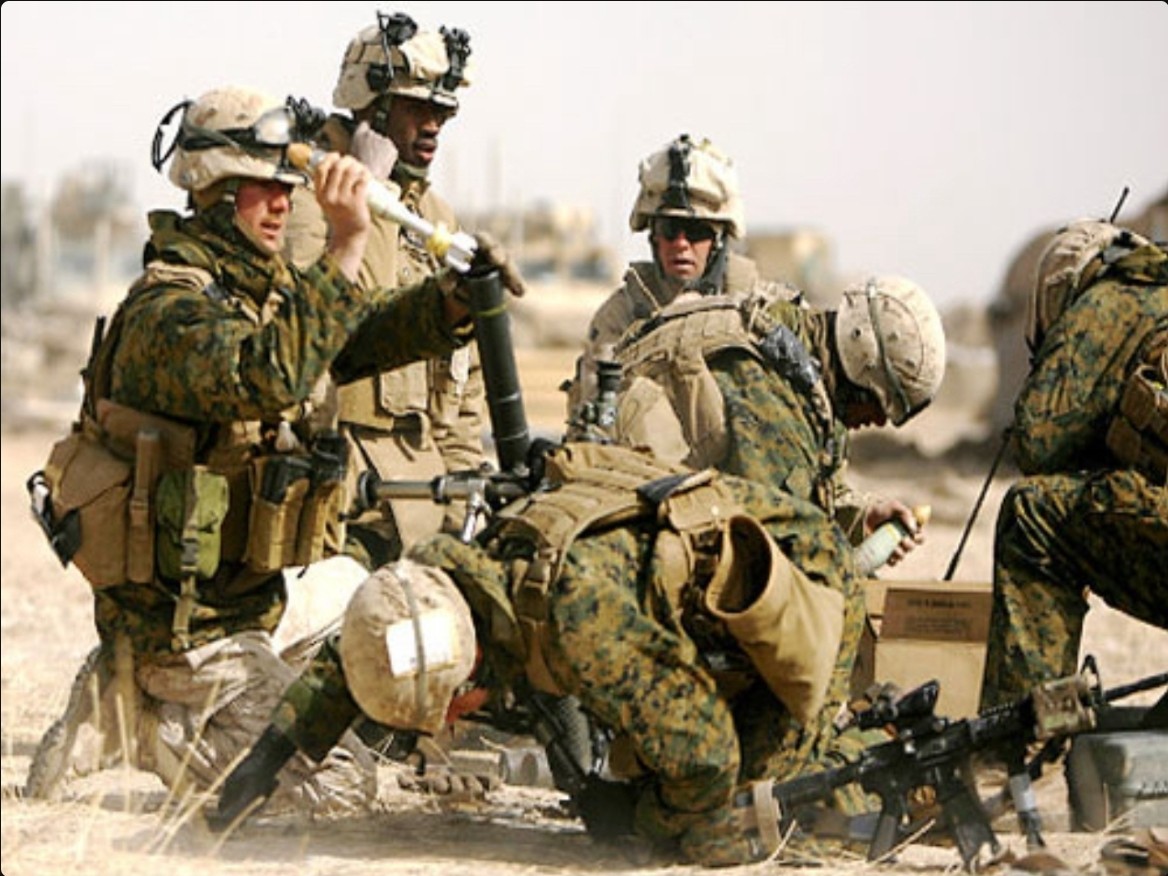
The United States Marine Corps (USMC) is one of America’s most elite military forces, founded on November 10, 1775, during the Revolutionary War. From its earliest amphibious operations, the Marines quickly became the spearhead in nearly every major U.S. conflict. With a combined structure of ground, air, and logistics units, the USMC can deploy worldwide within hours. They are equipped with advanced systems such as amphibious assault vehicles, F-35B fighter jets, AH-1Z attack helicopters, and M777 howitzers. Their 13-week basic training is considered one of the toughest tests of physical and mental endurance in the U.S. military. The motto “The Few, The Proud, The Marines” reflects their pride and unbreakable spirit. Today, the Marines serve as America’s global rapid-response force, often the first to arrive in times of crisis. Their creed, “Semper Fidelis” – Always Faithful, stands as a lifelong pledge of honor. For more than two centuries, the USMC has remained a symbol of America’s strength, discipline, and unwavering courage. #Military #USMilitary #MarineLife #MilitaryEnlistment #VeteranPride #MilitaryTribute #ArmyStrong #M1Abrams #MarineMagic #MarineMiracle

The United States Marine Corps – A Symbol of Strength and Loyalty
1776 Patriot

Built to Last: The USS Constitution’s Secret Construction That Defied Cannonballs

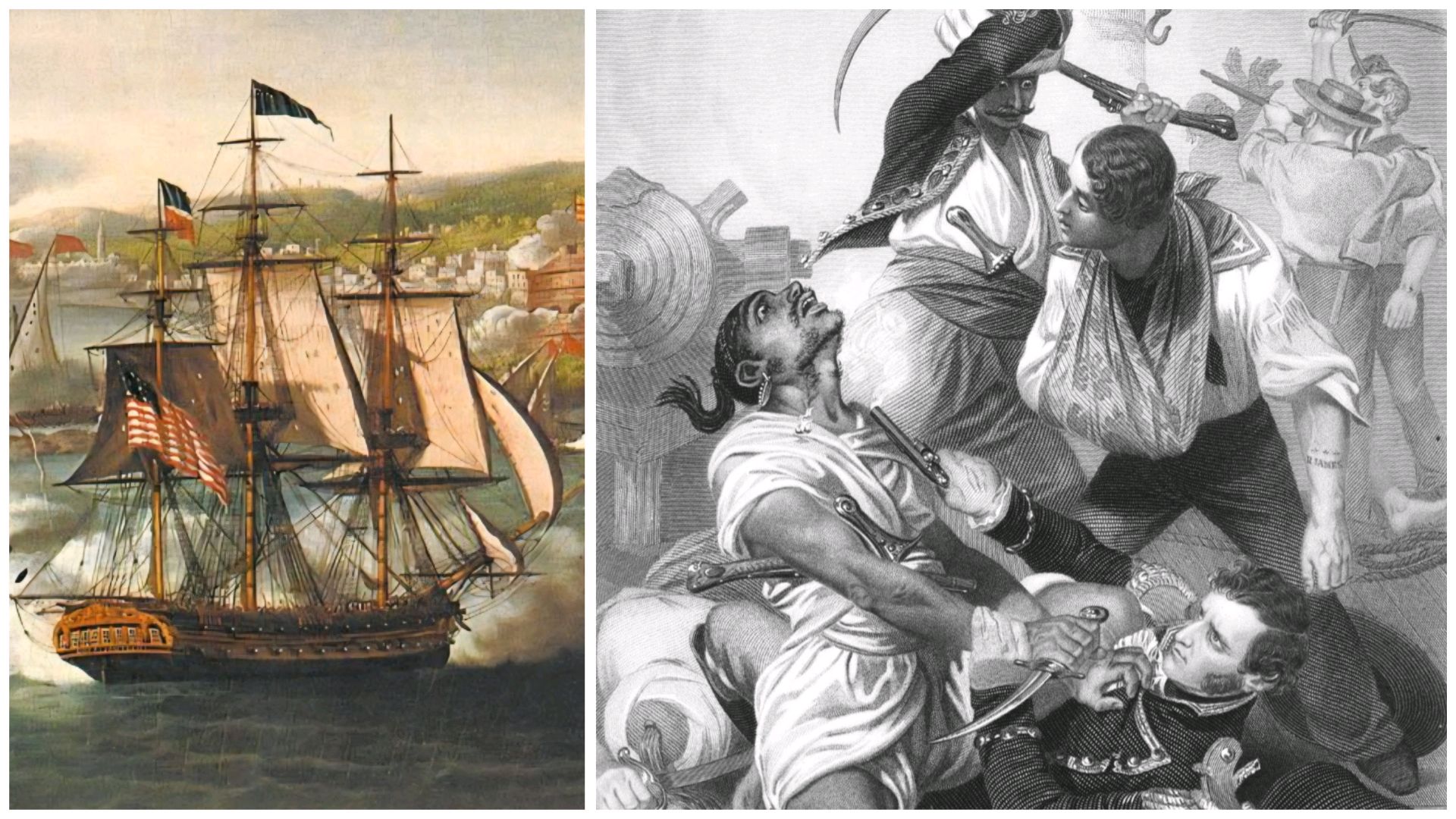
The USS Constitution, famously called “Old Ironsides,” began construction in 1794 at Edmund Hartt’s shipyard in Boston, part of the U.S. effort under the Naval Act of 1794 to build a strong fleet to protect American trade. Designed by Joshua Humphreys, the Constitution was bigger, faster, and more heavily armed than most frigates of the time. Its hull was built from live oak, a very dense and strong wood, while white oak and pine were used for framing, decks, and internal supports. Shipwrights used hand tools like saws, chisels, mallets, and augers to shape each plank and beam, carefully fitting them together. Humphreys added diagonal braces, heavy angled supports, and double planking to make the hull strong and flexible enough to absorb cannon hits. Wooden pegs, iron bolts, and fasteners held everything together, while tar and rope fibers sealed the seams to keep the ship watertight. Deck beams were notched and bolted, and the masts were set into reinforced posts. Pulleys and ropes helped lift heavy timbers into place. Workers measured and adjusted everything with simple tools like plumb lines, squares, and marking gauges to ensure the hull was straight and strong. The bottom of the ship was covered with copper to prevent marine growth, keeping her fast and seaworthy. By the time she was launched on October 21, 1797, the Constitution was 204 feet long, with a 43-foot-wide beam, and carried 44 guns, making her one of the most powerful frigates of her era. Her combination of speed, firepower, and advanced construction allowed her to survive battles that would have destroyed lesser ships. The Constitution’s construction shows the skill, ingenuity, and hard work of early American shipbuilders. Today, she is a floating museum in Boston, a lasting symbol of U.S. naval strength and craftsmanship. #USA #USHistory #Shipbuilding #USMilitary #Military
Built to Last: The USS Constitution’s Secret Construction That Defied Cannonballs
1776 Patriot

From The Farm to the Field: Inside CIA Covert Operations Training

Camp Peary, known as "The Farm," is a clandestine CIA training facility in Williamsburg, Virginia, covering roughly 9,000 acres. Officially an Armed Forces Experimental Training Activity, it operates under the Department of Defense while its CIA role remains unacknowledged. Originally a 1942 military base, it was converted in 1951 to train operatives for operations in politically hostile or restricted regions. The centerpiece is the Denied Area Course, a six-month program simulating missions in territories where U.S. presence is prohibited. It is called “Denied Area” because trainees operate in environments where access is forbidden or dangerous, requiring stealth, improvisation, and complete operational secrecy. Exercises include navigating urban areas under surveillance, infiltrating mock foreign compounds, and conducting clandestine meetings. Trainees practice evasion from simulated hostile forces, rooftop and subway movements, and covert observation techniques. Daily routines incorporate firearms drills, close-quarters combat, defensive driving, lock-picking, and improvised entry tactics. Survival training includes wilderness navigation, procuring food and water, and enduring extreme weather while maintaining cover. Psychological resilience is tested through continuous stress scenarios, including simulated capture, interrogation, and live-action decision-making under time pressure. Trainees must respond accurately with minimal information, fostering adaptability and mental toughness. The Farm’s structured classrooms support language training, cryptography, and intelligence analysis, while specialized mock villages allow operatives to rehearse extraction and tradecraft in realistic settings. Though largely secretive, Camp Peary shapes operatives capable of performing complex espionage globally. Its blend of physical, tactical, and psychological training ensures recruits are prepared for both intellectual and operational dangers. #Military #USA #USMilitary

From The Farm to the Field: Inside CIA Covert Operations Training
You've reached the end!
Tag: USMilitary | LocalAll