Tag Page TheSciencePulse

#TheSciencePulse
justme

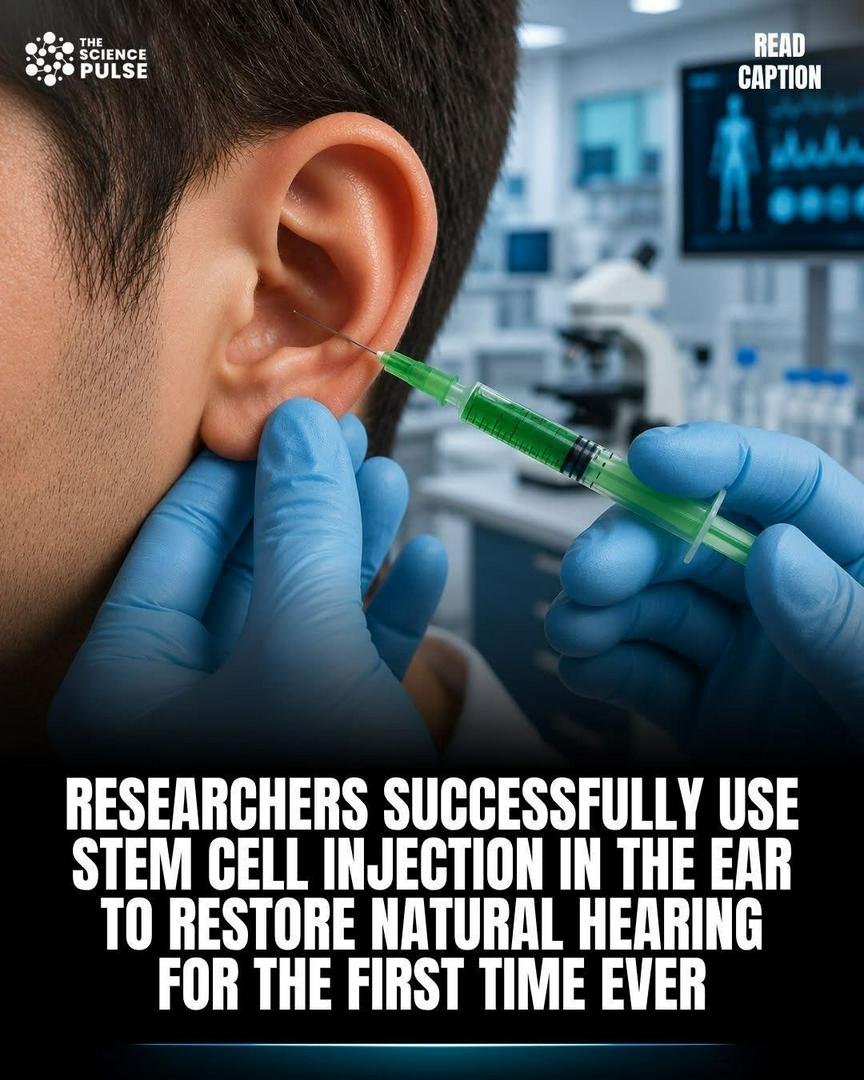
Scientists are reporting promising early-stage research where stem cell therapy was used to repair damage linked to hearing loss, marking a major step in regenerative hearing science. The approach focuses on restoring or regenerating specialized cells inside the inner ear that are responsible for detecting sound and sending signals to the brain. In hearing loss, these delicate sensory cells are often damaged by aging, infection, noise exposure, or genetic conditions. Once lost, they do not naturally regenerate in humans, which is why hearing impairment is usually permanent. In recent experimental research, scientists introduced stem cells into the ear with the goal of supporting cellular repair and encouraging regeneration of damaged auditory structures. Early results suggest improved biological activity in the targeted regions, raising hope that future therapies may help restore partial or full hearing function. #Thesciencepulse #hearingloss #stemcells #medicalbreakthrough #neuroscience

justme

A recent study reveals that people who consistently listen to music have a nearly 40% lower risk of developing dementia. Music engages multiple areas of the brain, stimulating memory, attention, and emotional processing, which may help keep neural networks active and resilient over time. Regular exposure to music appears to support cognitive function by enhancing brain plasticity and strengthening connections between neurons. Whether it’s classical, jazz, or your favourite playlist, listening daily can provide a simple, enjoyable way to maintain brain health and potentially delay cognitive decline. Beyond memory, music also reduces stress, improves mood, and boosts overall mental wellbeing, making it a holistic tool for brain and emotional health. Incorporating music into your daily routine could be one of the easiest and most enjoyable ways to support lifelong cognitive function. #TheSciencePulse #fblifestyle #BrainHealth #DementiaPrevention #MusicTherapy

Brandon_Lee

A recent study reveals that people who consistently listen to music have a nearly 40% lower risk of developing dementia Music engages multiple areas of the brain, stimulating memory, attention, and emotional processing, which may help keep neural networks active and resilient over time. Reqular exposure to music appears to support cognitive function by enhancing brain plasticity and strengthening connections between neurons. Whether it's classical, iazz, or vour favourite plavlist istening daily can provide a simple enjoyable way to maintain brain health and potentially delay cognitive decline Beyond memory, music also reduces stress, improves mood, and boosts overall menta wellbeing, making it a holistic tool for brain and emotional health. Incorporating music into your daily routine could be one of the easiest and most enjoyable ways to support ifelong cognitive function. #TheSciencePulse #fblifestyle #BrainHealth #DementiaPrevention #MusicTherapy
justme

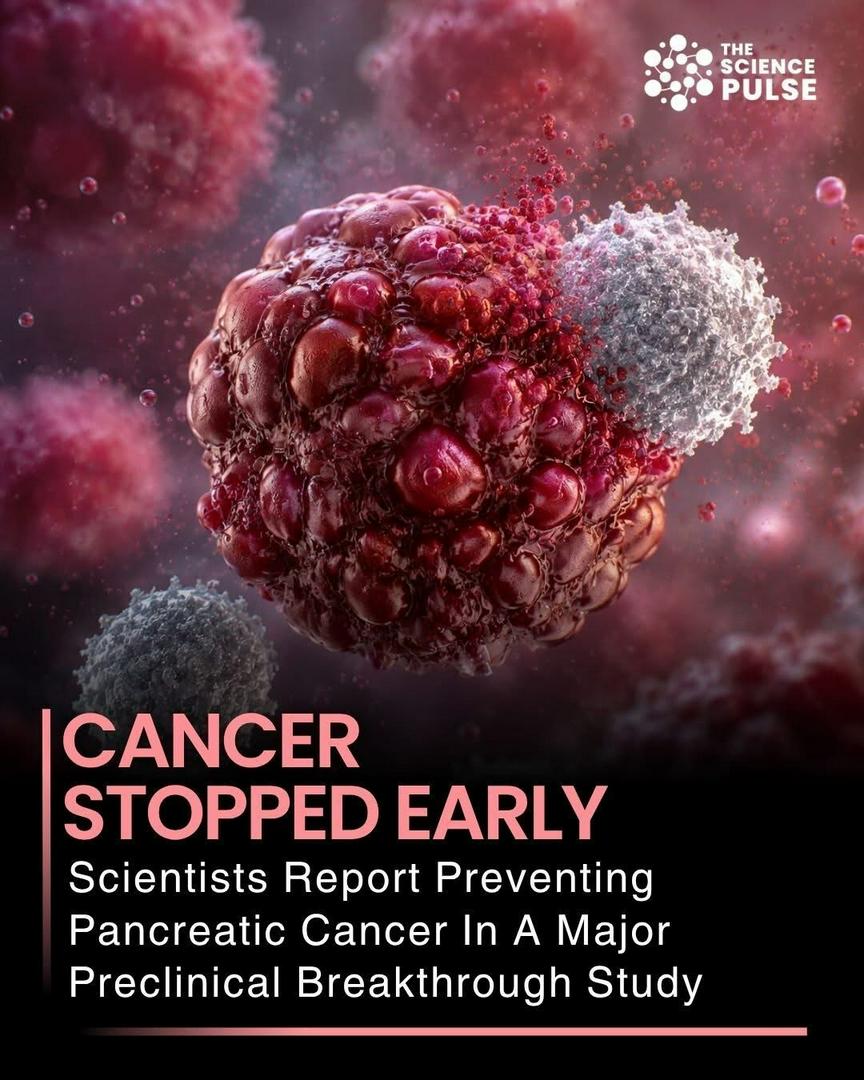
Scientists may have opened a powerful new door in the fight against pancreatic cancer, one of the most aggressive and difficult cancers to detect early. In a landmark preclinical study, researchers tested a strategy designed to target precancerous pancreatic cells before they could turn into full tumors. The study was done in mice, and the results were striking. When the experimental therapy was used early, before cancer fully developed, survival nearly doubled compared with using the same treatment after tumors had already appeared. That matters because pancreatic cancer is often found late, when it has already spread and treatment becomes much harder. Instead of waiting for cancer to become visible, this approach focuses on cancer interception, meaning stopping dangerous cells at the earliest possible stage. This is not a cure for humans yet. It still needs more research, safety testing, and clinical trials before doctors know whether it can help real patients. But the idea is exciting because it shifts the battle from treating advanced cancer to preventing tumors from forming in the first place. #TheSciencePulse #fblifestyle #pancreaticcancer #medicalbreakthrough

justme

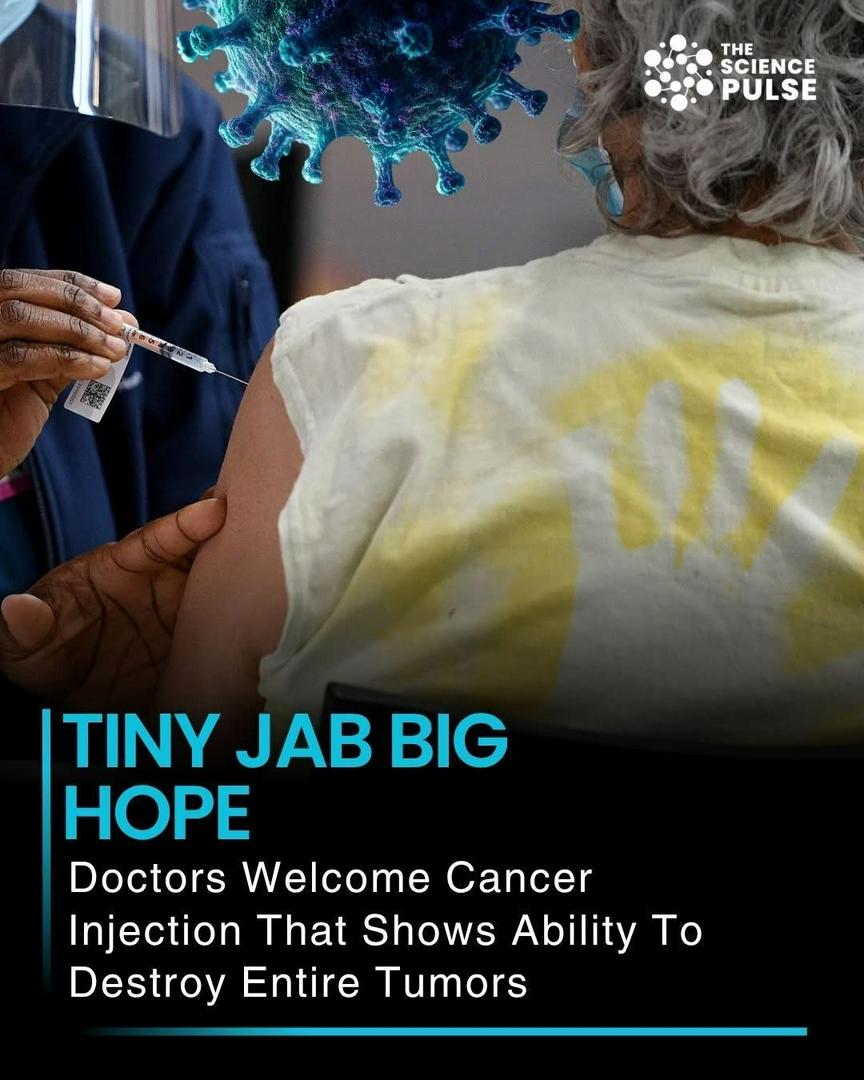
A new cancer injection is making global headlines after doctors reported powerful results in patients with advanced head and neck cancer that had returned or spread after standard treatments stopped working. The treatment is called amivantamab. In an international trial, 102 patients received the jab once every 3 weeks. Tumors shrank or disappeared in 43 patients, and in 15 patients, doctors reported that the tumors were completely eradicated. What makes this breakthrough so exciting is the way the dr8g works. It blocks EGFR and MET, 2 signals cancer cells can use to grow and resist treatment. At the same time, it helps the immune system recognize and attack the tumor more effectively. This is not a universal cure, and researchers are still studying who benefits most. But for people with treatment resistant cancer and limited options, these results are being called unusually strong and deeply hopeful. The injection may also be easier for patients than long intravenous treatments, because it is given under the skin in a quicker outpatient process. #TheSciencePulse #fblifestyle #cancerresearch #medicalbreakthrough

justme

In a world-first achievement, scientists in Japan have successfully used gene-editing technology to remove the extra chromosome responsible for Down syndrome. This breakthrough opens the door to potentially revolutionary therapies that could prevent or reverse the genetic root of the condition, offering hope for millions of families worldwide. Down syndrome occurs when an individual has an extra copy of chromosome 21, causing developmental delays and health challenges. By precisely targeting and removing this extra chromosome in lab models, researchers have demonstrated that it’s possible to correct the fundamental genetic cause of the syndrome, without affecting other chromosomes or essential cellular functions. While this research is still in early stages and primarily experimental, it represents a historic leap in the field of genetics. Experts stress that translating these results into safe treatments for humans will take time, but the potential for life-changing therapies is now closer than ever. #TheSciencePulse #fblifestyle #GeneticBreakthrough #DownSyndromeCure

justme

A major breakthrough in eye care shows that new eye drops containing VP1-001 may clear cataracts and restore sight without the need for invasive surgery. Researchers discovered that these drops work by targeting the proteins in the lens that cause clouding, effectively reversing the changes responsible for cataracts. Early studies demonstrate that regular use can improve lens clarity, offering hope to millions who face the risks and recovery time associated with traditional lens replacement procedures. Unlike surgical interventions, which require careful planning, anesthesia, and weeks of recovery, VP1-001 eye drops could provide a non-invasive alternative that is easier, safer, and more accessible. Patients in initial trials reported noticeable improvements in vision after consistent application, highlighting the potential for this treatment to transform the way cataracts are managed globally. While further research is necessary to confirm long-term safety and effectiveness, this innovation could redefine cataract treatment and dramatically improve quality of life for older adults and anyone experiencing lens clouding. The possibility of restoring sight with a simple daily drop brings the future of vision care closer than ever before. #Thesciencepulse #fblifestyle #EyeHealth #CataractTreatment #VisionRestoration

justme

In a revolutionary breakthrough, scientists have developed a light-based therapy that destroyed 99% of cancer cells without the need for chemotherapy or radiation. This innovative approach targets cancer cells directly while leaving healthy tissues completely unharmed, offering a safer and more precise treatment option. Early trials show that this method can significantly reduce tumors in a range of cancer types. Patients experienced minimal side effects, making it a promising alternative to traditional cancer treatments that often carry harsh consequences. Researchers are excited about the potential to transform cancer care globally. While further studies are ongoing, experts believe this light therapy could redefine the way we fight cancer. By harnessing the power of targeted light, science is opening the door to safer, more effective treatments and a future where cancer may be controlled without toxic interventions. #TheSciencePulse #fblifestyle #CancerBreakthrough #LightTherapy

justme

In a groundbreaking medical breakthrough, doctors have successfully restored a patient’s sight using the world’s first 3D printed cornea. This innovative procedure involved creating a cornea layer by layer using biocompatible materials, perfectly tailored to the patient’s eye. The 3D printed cornea integrates seamlessly with natural tissue, allowing light to pass through and vision to be restored. The technology represents a major leap in ophthalmology, offering hope to millions suffering from corneal blindness worldwide. Traditional cornea transplants often face shortages of donor tissue, rejection risks, and long waiting lists. 3D printing provides a customizable, scalable solution that could revolutionize treatment and make sight restoration more accessible. Experts emphasise that while this is the first successful case, ongoing research and clinical trials are essential to ensure long-term safety and effectiveness. This achievement highlights the power of combining medical science and cutting-edge technology to solve complex health challenges. For the first time, patients who were previously untreatable now have a path to seeing the world clearly again. #TheSciencePulse #fblifestyle #MedicalBreakthrough #VisionRestored

justme

Brazilian scientists have revealed a groundbreaking spinal cord regeneration drug that could change the future of paralysis treatment. After years of intensive research this experimental therapy is designed to stimulate nerve regrowth and reconnect damaged neural pathways that were once thought to be permanently lost. Spinal cord injuries often result in lifelong paralysis because nerve cells in the central nervous system struggle to regenerate. The newly developed drug works by activating biological mechanisms that support nerve repair reduce inflammation and encourage the formation of new connections across injured sections of the spinal cord. In laboratory studies and early human trials patients showed measurable improvements in nerve signaling muscle response and partial recovery of movement and sensation. Researchers explain that timing and dosage are critical and the therapy is being carefully tested to ensure safety and effectiveness. While it is not yet a guaranteed cure results suggest that even long term paralysis may not be as irreversible as once believed. #TheSciencePulse #MedicalBreakthrough #Neuroscience #fblifestyle