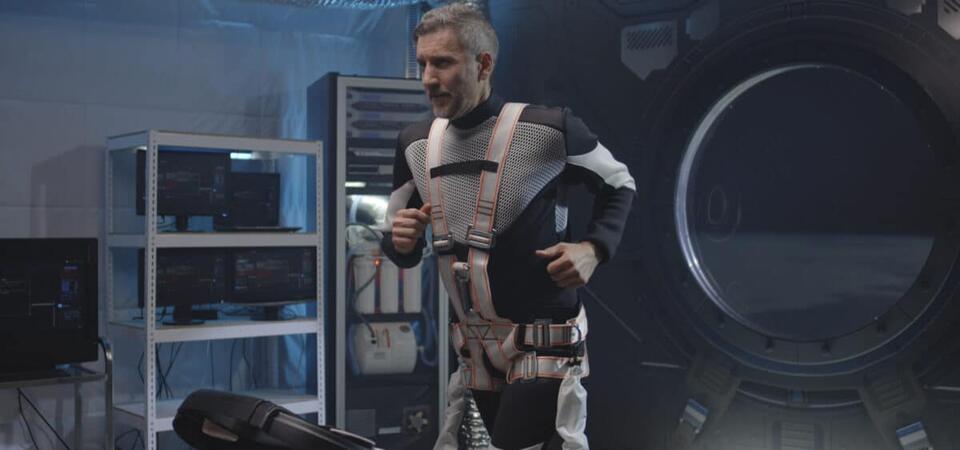
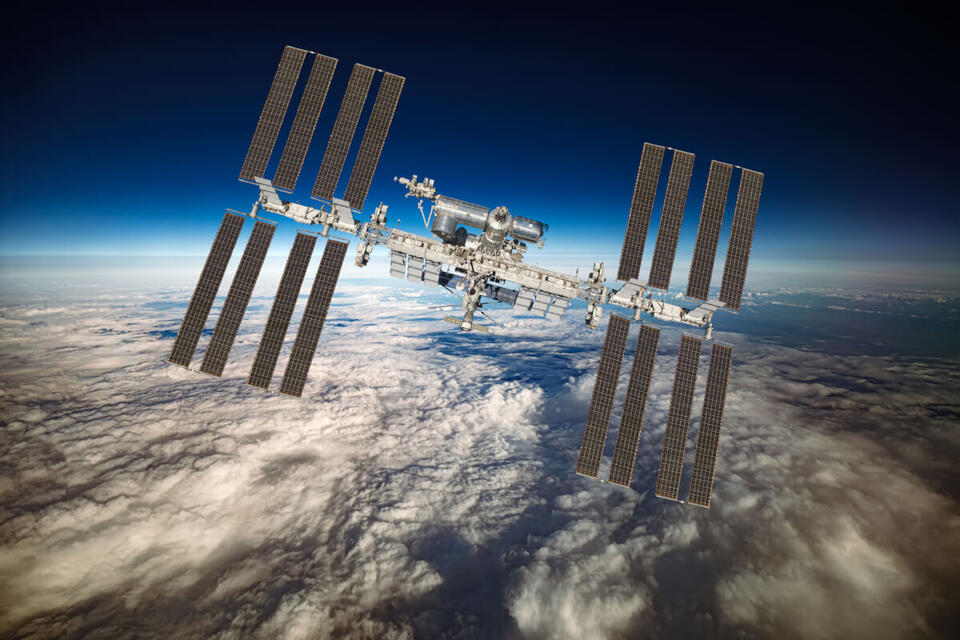
peterfoster+FollowSpace Travel: The Ultimate Anti-Aging Hack?Here’s a wild one for your next coffee break: astronauts who spent just 9 days in space came back with bodies that aged nearly 2 years—but then reversed it within 24 hours of landing! Even crazier, the younger crew members actually got biologically younger than before their trip. Turns out, space is like a fast-forward/rewind button for aging, and scientists are eyeing this for future anti-aging breakthroughs. Maybe one day, we’ll all want a ticket to orbit for a quick age reset! #Business #Industry #SpaceScience10Share
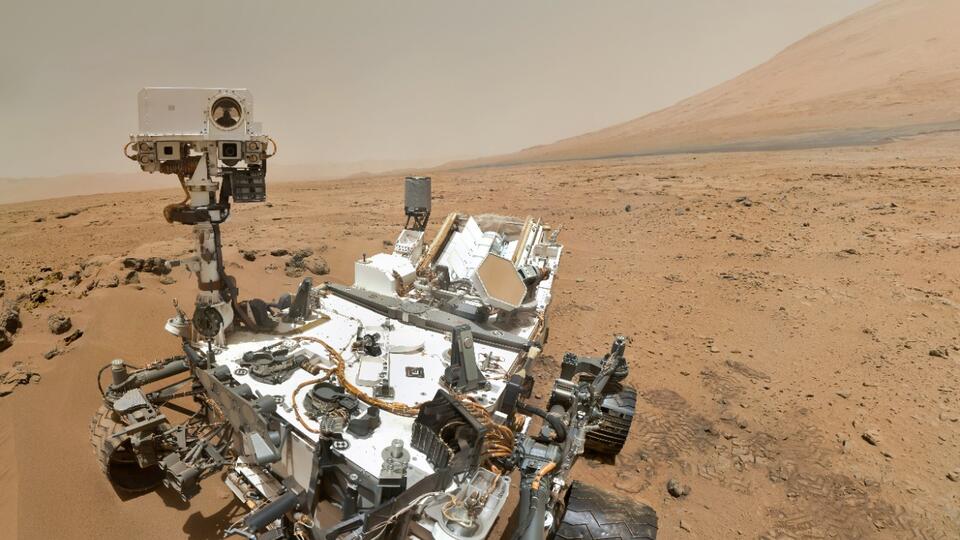
James Brady+FollowMars Might’ve Had Earth’s Life RecipeMars isn’t just a dusty, dead planet—scientists are finding that it had the same chemical ingredients that sparked life on Earth! We’re talking ancient organic molecules, minerals shaped by water, and even “poppy seed” textures in rocks that could be biosignatures. It’s not proof of Martian microbes, but it’s wild to think Mars had all the right stuff for life to start. Are we just one planet in a solar system full of almost-Earths? #Science #Mars #SpaceScience20Share
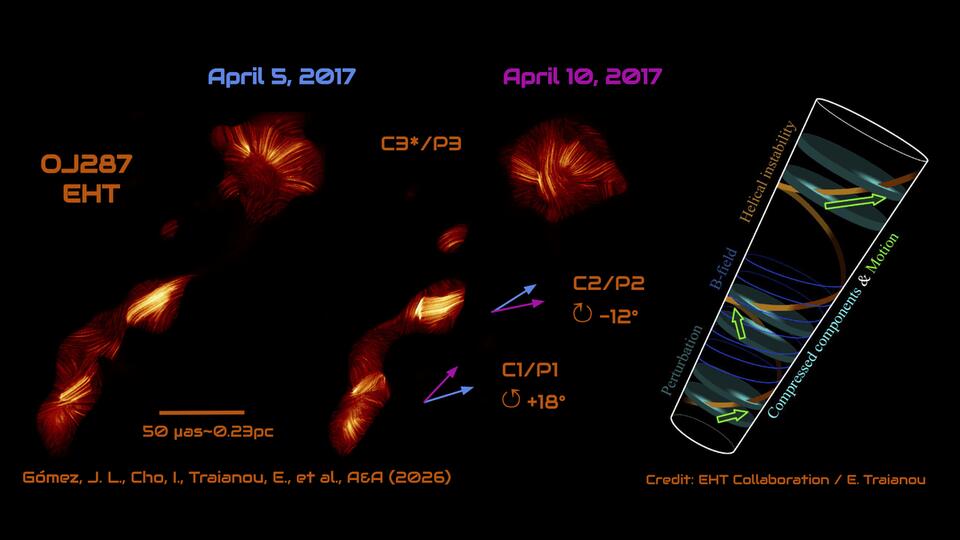
megangibson+FollowEarth-Sized Telescope Spots Black Hole DramaThe Event Horizon Telescope just pulled off a wild cosmic feat—catching shock waves and swirling pressure waves duking it out in the jet of a supermassive black hole duo, 4 billion light-years away! Imagine a black hole 18 billion times the mass of our Sun, with its smaller partner zipping around every 11 years. The telescope, made by syncing observatories across the globe, let scientists watch these wild, shape-shifting jets in real time. Space just got even more epic! #Science #BlackHole #SpaceScience00Share
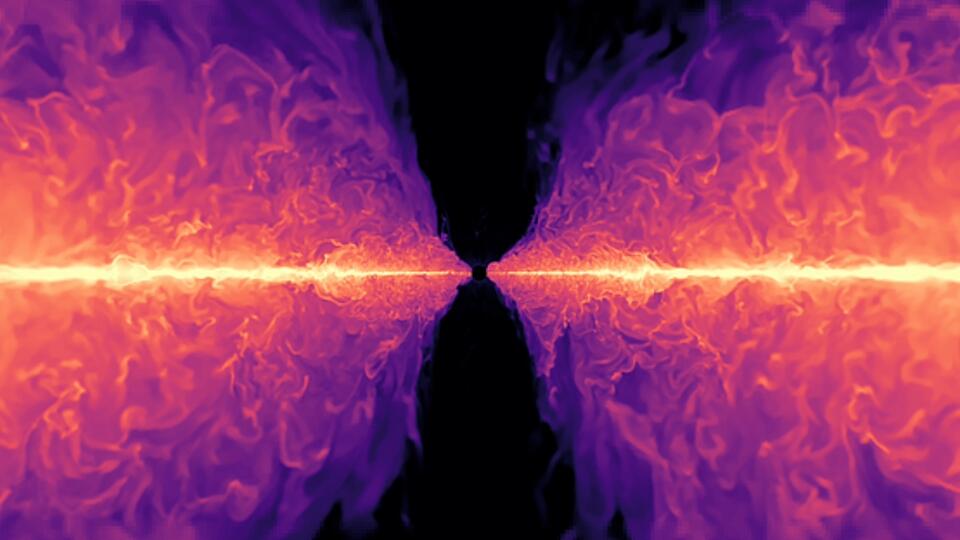
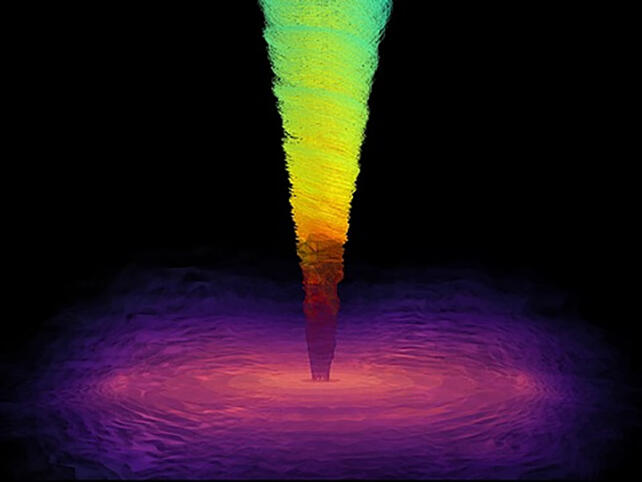
Tamara Jones+FollowBlack Holes Are Even Wilder Than We ThoughtSupercomputers just gave us a front-row seat to the chaos around black holes! Scientists ran insanely detailed simulations (no shortcuts this time) and found that black holes don’t just suck stuff in—they also shoot out wild jets and winds, all thanks to their magnetic fields. Turns out, the way matter and light swirl around these cosmic monsters is even crazier than we imagined. Space is wild, y’all! #Science #BlackHole #SpaceScience10Share
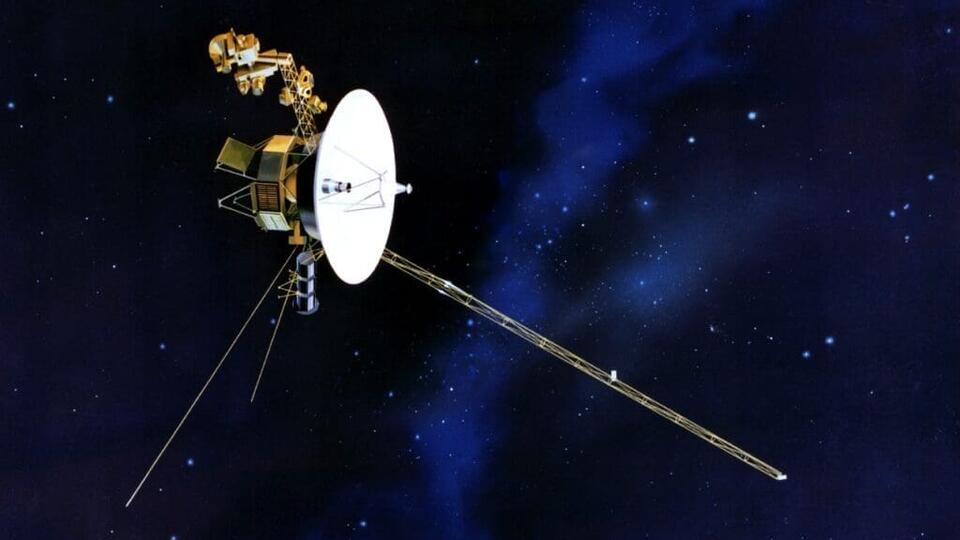
Richard Vaughan+FollowVoyager Found a Fiery Wall at the Solar System’s EdgeTurns out, the edge of our Solar System isn’t a quiet fade into space—it’s more like a cosmic blast furnace! Voyager’s instruments picked up a scorching hot plasma “wall” (think 30,000–50,000 kelvin!) where the solar wind slams into the galaxy. This wild discovery means we’re basically living inside a giant, superheated bubble, and it’s changing how scientists think about our place in the universe. Who knew space could be this spicy? #Science #Voyager #SpaceScience2910Share
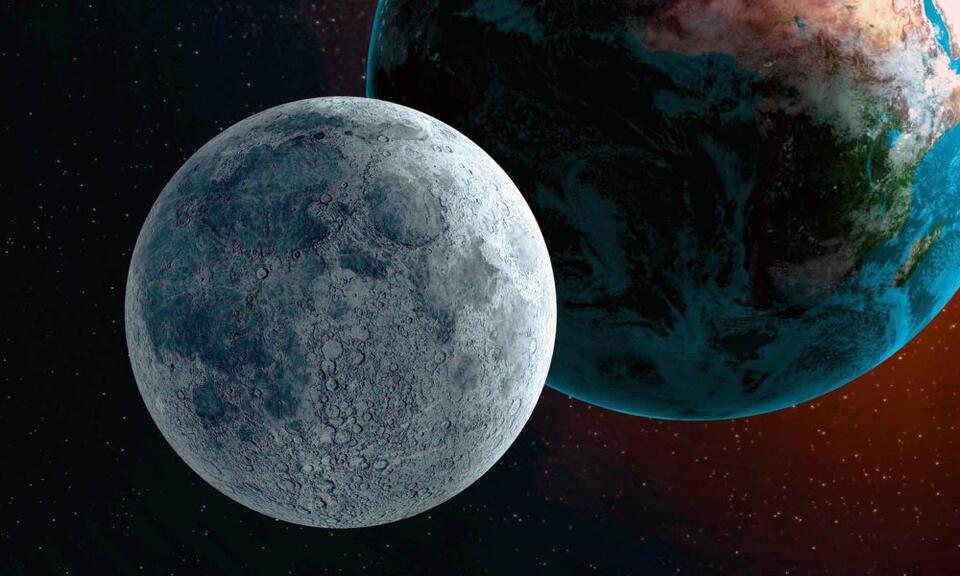
Zachary Gutierrez+FollowMoon Dust Just Changed EverythingChina’s Chang’e-6 mission brought back moon dust that’s hiding a wild secret: scientists found traces of a super-rare, water-rich meteorite never seen on the Moon before! These fragile CI chondrites usually don’t survive impacts, so finding them means ancient water-filled asteroids bombarded the Moon (and probably Earth) way more than we thought. Basically, this tiny dust is rewriting what we know about how water—and maybe life—got here. Space history in a handful of grains! #Science #MoonDiscovery #SpaceScience20Share
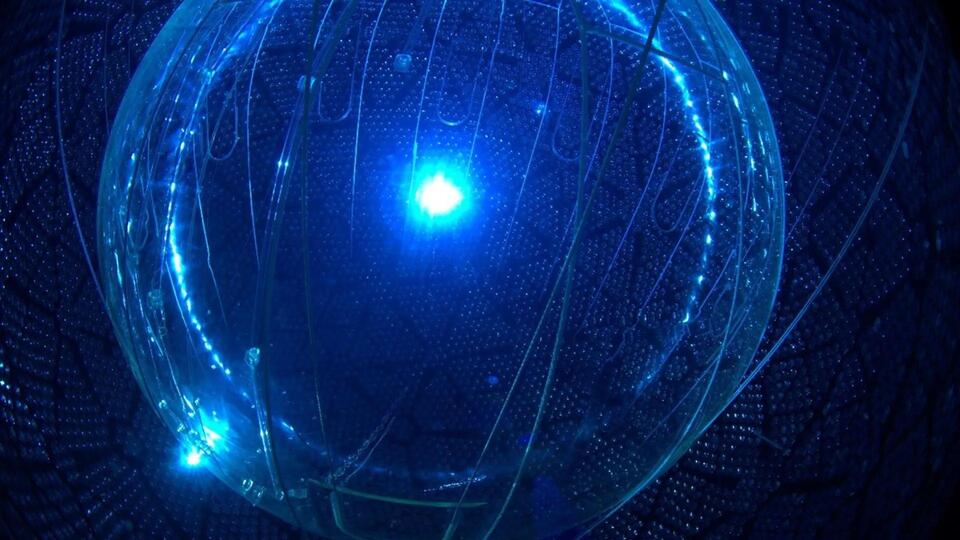
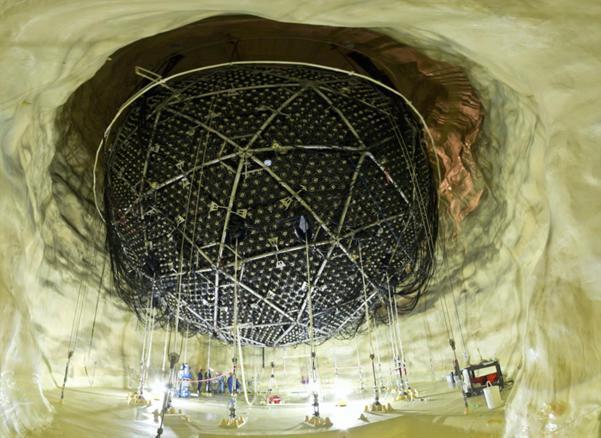
megangibson+FollowNeutrinos Just Flipped Carbon—Seriously!Scientists just caught solar neutrinos turning carbon into nitrogen for the first time ever! Using a detector buried deep in a Canadian mine, they spotted these ghostly particles from the Sun making a rare atomic switch. Only a handful of these events happened over a year, but it’s a huge deal for understanding how the universe works at its tiniest level. Who knew the Sun was sending us such wild science? #Science #Neutrinos #SpaceScience10Share
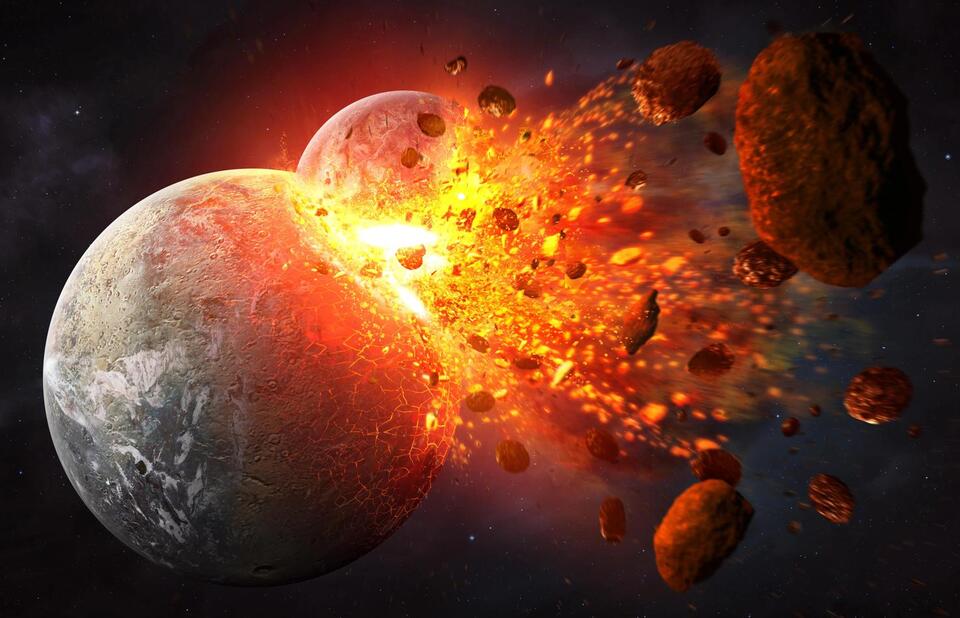
Michael Flores+FollowMoon’s Wild Origin Story Just Got JuicierTurns out, the Moon’s not just a pretty face—it’s the aftermath of a cosmic smash-up! Scientists just figured out that the object (Theia) that crashed into Earth and created the Moon was a mini-planet from our own solar neighborhood, probably even closer to the sun than us. By analyzing moon rocks and isotopes, they pieced together this wild ancient drama. Without that lucky collision, we might not even have seasons or stable climates. Space is messy, but wow, it’s fascinating! #Science #MoonMystery #SpaceScience13Share
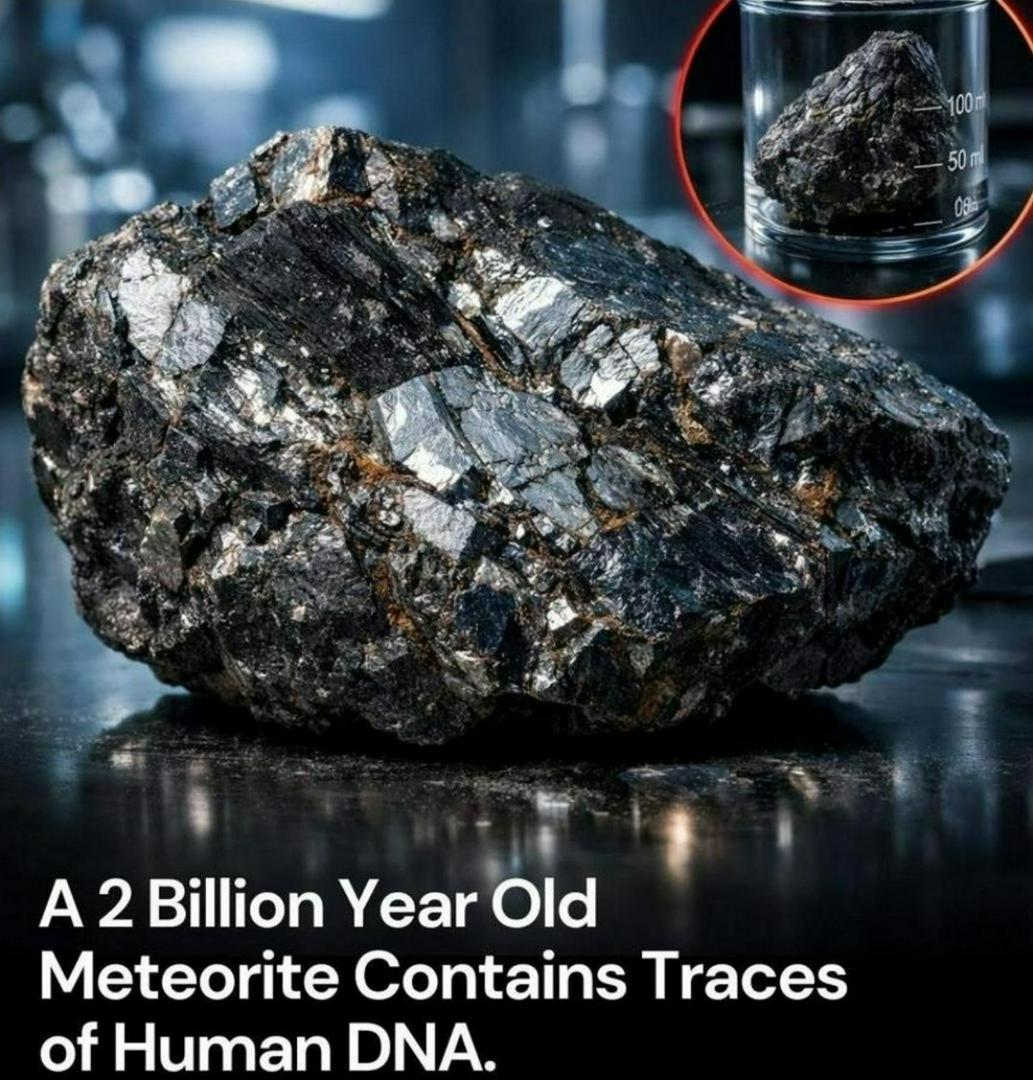
Brandon_Lee+FollowScientists report traces of human DNA within a two-billion-vear-old meteorite, a discovery that quietly challenges our understanding of life and its origins. The very thought of genetic material surviving across eons and space stirs both wonder and unease This finding is more than a scientific curiosity-it hints at a cosmic connection that blurs the line between terrestrial and extraterrestrial life Subtle patterns in the molecular structure suggest processes that we are only peginning to explore, offering glimpses of a universe that may carry the blueprint of life in ways we cannot yet fully comprehend Researchers studying ancient meteorites have noticed recurring anomalies that seem too precise to be random, suggesting an underlying rhythm in the distribution of organic matter across space. Thesepatterns quietly nudge us to rethink our place in thecosmos and the possibility that ife is not confined to a single planet #Meteorites #Astrobiology #SpaceScience #FactCheck lifestyle10138Share