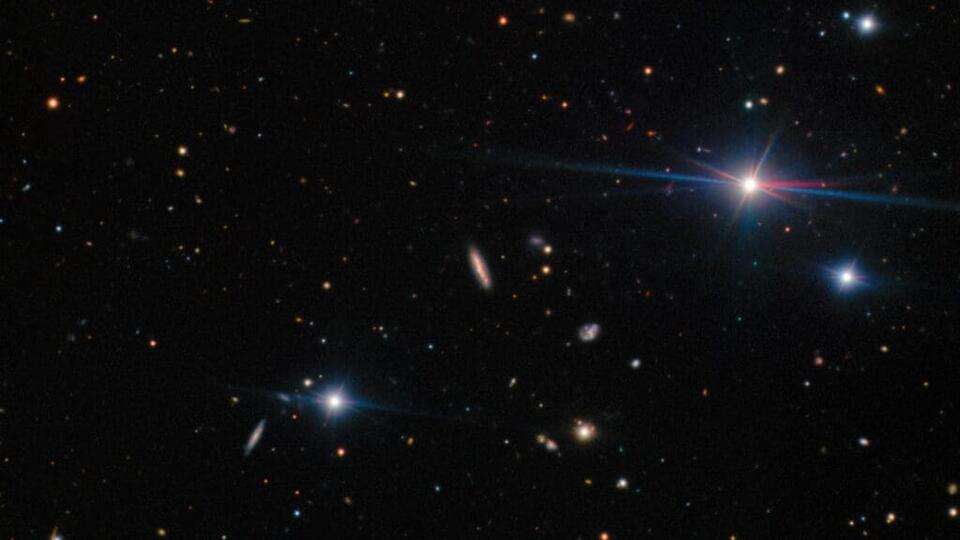
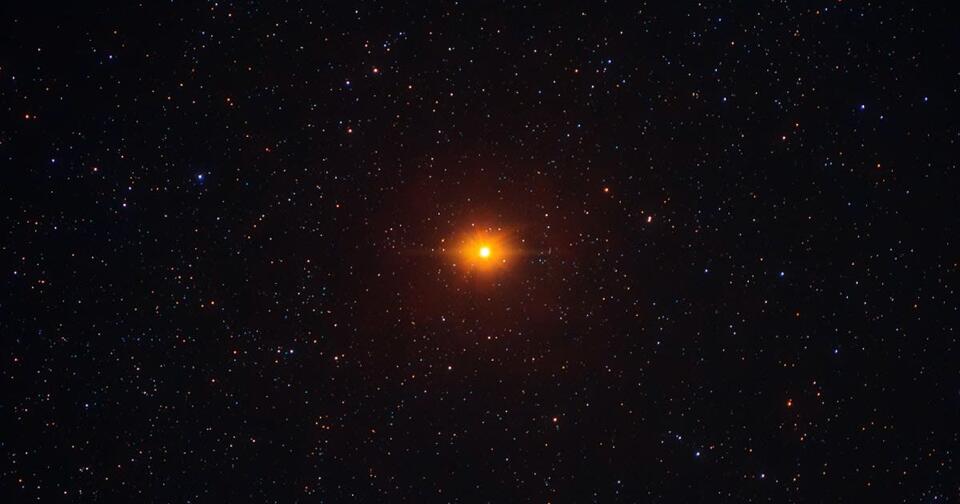
Michelle York+FollowStar Explodes Twice & Breaks ScienceImagine a star so extra, it exploded not once but TWICE—and astronomers caught the whole thing on camera! This wild cosmic event, dubbed AT2025ulz, stayed bright way longer than anyone thought possible and is basically rewriting what we know about how stars die. Some scientists think a newborn black hole or magnetar might be behind the double drama. Space just keeps getting weirder, and honestly, I’m here for it! #Science #SpaceMystery #StarExplosion30Share
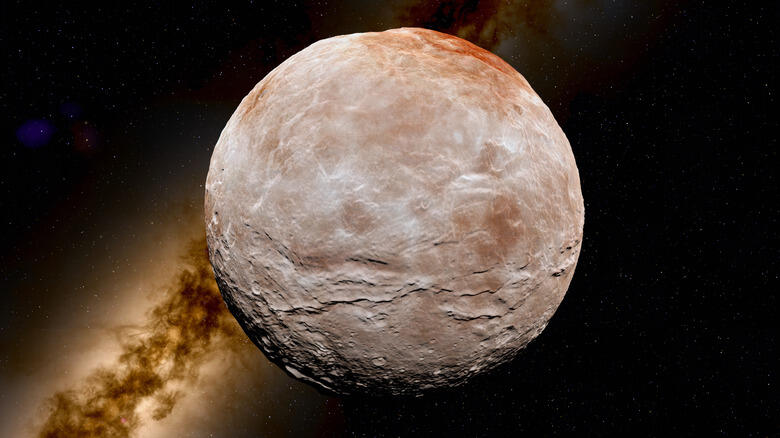
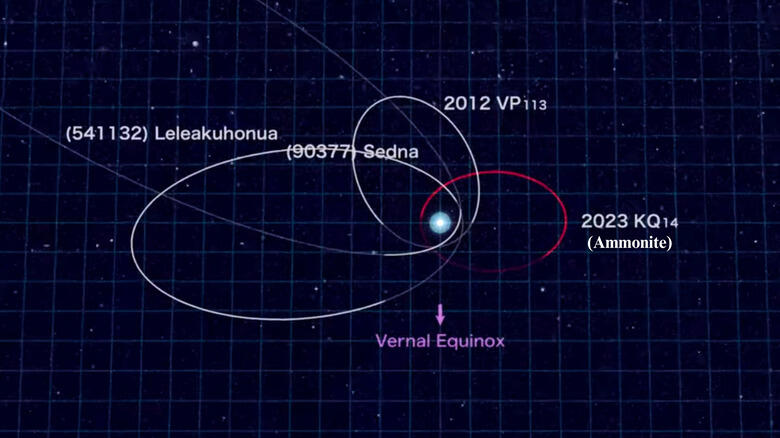
Richard Vaughan+FollowDid We Just Find a New Solar System Oddball?Okay, this is wild: astronomers just spotted a super-icy, super-distant object called Ammonite way past Neptune. It’s only the fourth of its kind ever found and its orbit is so weird, it’s making scientists rethink the whole ‘Planet Nine’ theory. Basically, our solar system’s outer edges are way more mysterious than we thought—and Ammonite just threw another curveball into the mix! #Science #SpaceMystery #PlanetNine00Share
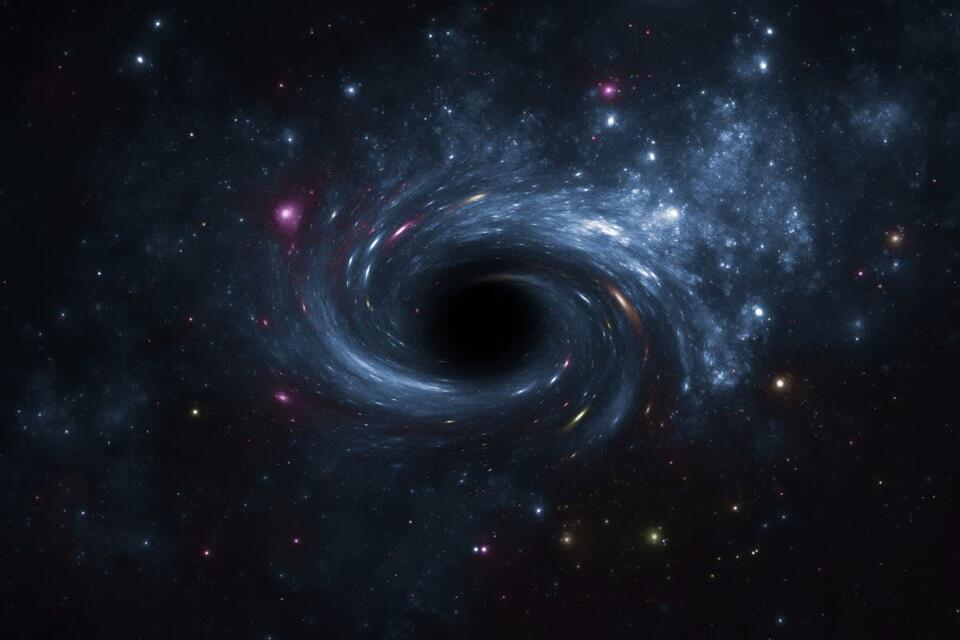
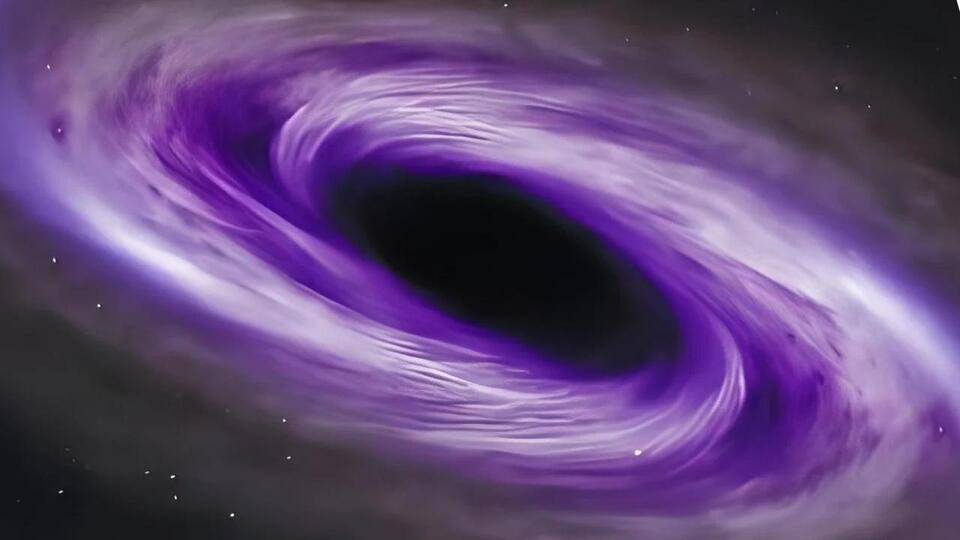
Melvin Mosley+FollowSpace’s Red Dots Are Baby Black Holes?!Remember those weird red dots in James Webb Telescope pics? Scientists finally cracked the case—they’re actually young, growing supermassive black holes! These cosmic babies are still wrapped in gas clouds, gobbling up material and glowing red hot. Turns out, they’re not as massive as we thought, but still weigh millions of times more than our Sun. Basically, we’re catching black holes in the middle of their cosmic growth spurt. How wild is that? #Science #JamesWebb #SpaceMystery10Share
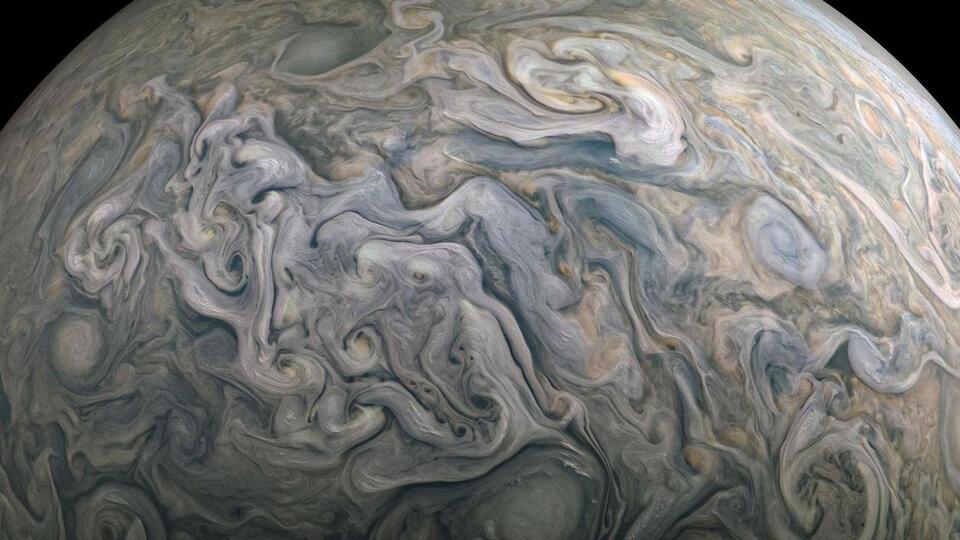
Jessica Hodge+FollowJupiter’s Secret Oxygen Stash RevealedJupiter’s got a wild secret: it’s hiding 1.5x more oxygen than the sun! Scientists used new computer models to peek beneath those famous clouds and found way more oxygen than anyone expected. Turns out, slow atmospheric mixing lets water-rich ices pile up deep inside. This totally flips what we thought about how Jupiter—and maybe other planets—formed. Imagine what else is lurking in our solar system! What would you want to discover next? #Science #Jupiter #SpaceMystery20Share
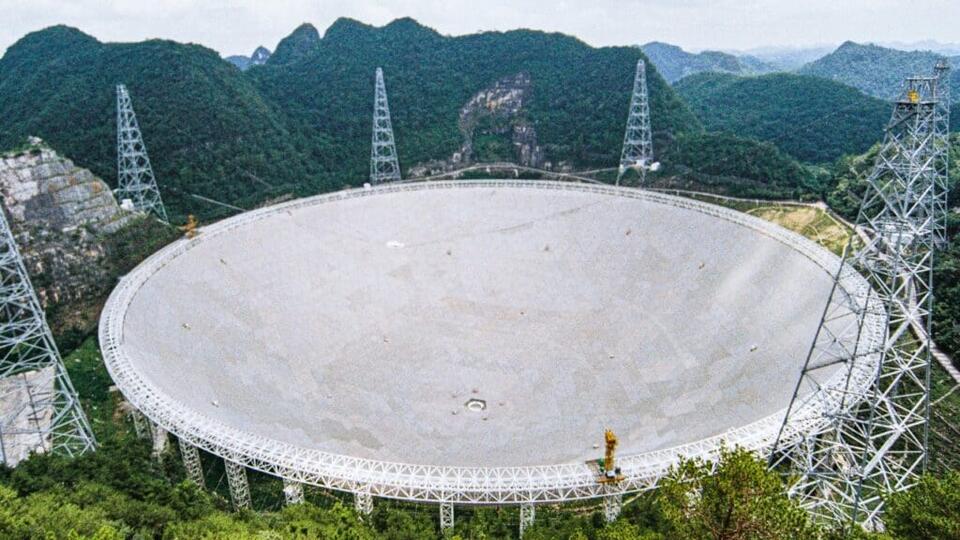
megangibson+FollowChina’s ‘Sky Eye’ Solves Space’s Wildest MysteryYou know those weird, powerful space flashes that had scientists stumped for years? China’s giant ‘Sky Eye’ telescope just cracked the case! Turns out, these fast radio bursts (FRBs) aren’t alien signals—they’re coming from two stars locked in a wild cosmic dance. After a decade of guessing, researchers finally tracked the bursts’ rhythm and matched it to a binary star system. Space just got a little less mysterious, but way more epic! #Science #SpaceMystery #SkyEye20Share
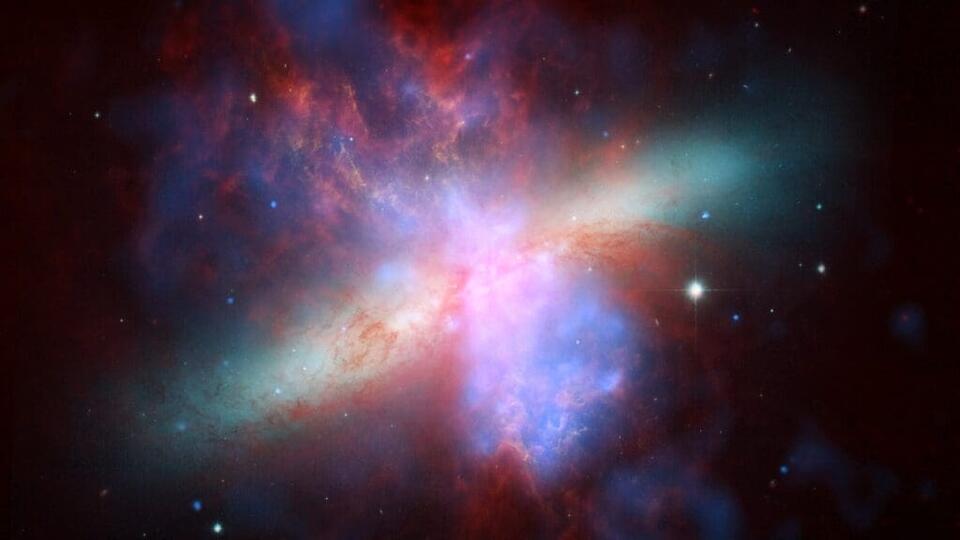
Zachary Gutierrez+FollowThis Star Is Breaking Physics!Okay, get this: astronomers just found a neutron star (M82 X-2) that’s shining 10 million times brighter than the Sun—literally brighter than physics says is possible. Instead of exploding, it keeps gobbling up gas and blasting out X-rays, totally ignoring the rules. Scientists are obsessed because it’s forcing them to rethink how stars, gravity, and magnetic fields actually work. The universe just loves breaking its own rules, huh? #Science #SpaceMystery #NeutronStar51Share
Michael Flores+FollowSpace’s Iron Bar Could Be Earth’s Fate?Astronomers just spotted a massive iron “bar” floating in the Ring Nebula, and it might be a sneak peek at what happens to Earth when our sun dies. Theories range from it being leftover star guts to the remains of a planet that got obliterated. Either way, it’s wild to think our planet could end up as space debris like this in a few billion years. Mind = blown! #Science #SpaceMystery #RingNebula00Share
Patrick Simmons+FollowUniverse’s ‘Little Red Dots’ Exposed!Remember those weird little red dots scientists kept spotting in space pics? Turns out, they’re actually baby black holes wrapped in a cocoon of super-hot gas! These cosmic ‘messy eaters’ are gobbling up gas and shining so bright, we can see them from billions of years ago. Mind = blown. Who knew the universe had such spicy secrets? #Science #SpaceMystery #BlackHoles00Share
Zachary Gutierrez+FollowAstronomers Stumped by Million-Sun MysteryImagine finding something in space that acts like a black hole but doesn’t fit any of the usual rules. That’s what astronomers just did—11 billion light-years away! This cosmic oddball packs the mass of a million suns, flares up unpredictably, and seems to be missing its galaxy. Theories are flying, but nobody knows for sure how it got there. Could this be a whole new class of space weirdness? Drop your wildest guesses below! #Science #SpaceMystery #BlackHole00Share
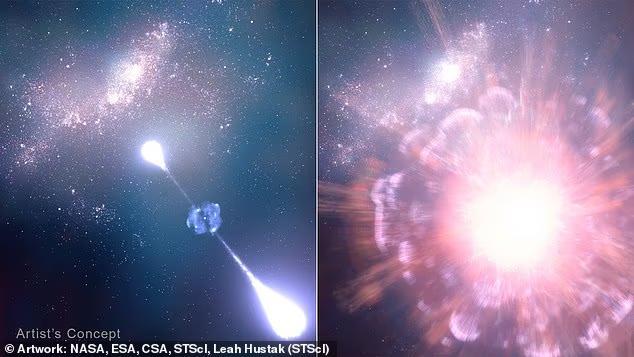
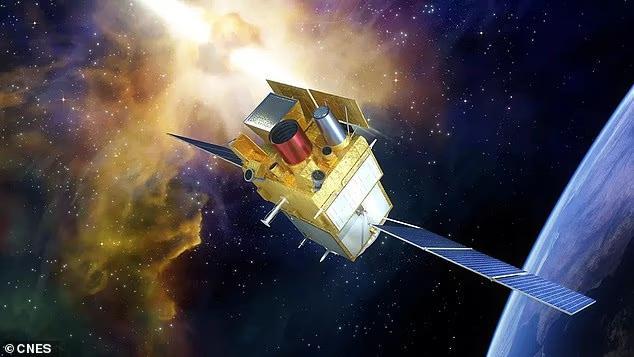
Michael Flores+FollowSpace Just Sent Us a 10-Second MysteryImagine getting a 10-second voicemail from the dawn of time! Scientists just picked up a wild gamma-ray burst from 13 billion light-years away—basically, a cosmic flashback to when the universe was a baby. The crazy part? This ancient explosion looks just like modern supernovas, and no one knows why. Are early stars not as wild as we thought? NASA and ESA are on the case, and it’s got everyone buzzing about what else is out there! #Science #SpaceMystery #GammaRayBurst50Share