Melvin Mosley+FollowInsects Are Ghosting Us—And It’s Bad NewsRemember when your windshield used to be splattered with bugs after a road trip? Not anymore—and that’s actually terrifying. A top doc says the silent disappearance of insects is a huge red flag for our food, health, and even our coffee and chocolate supply. Turns out, even mosquitoes have a purpose (who knew?!). If we don’t act fast, we could be facing empty harvests and bland diets. Nature’s tiny workers are vanishing, and we might not notice until it’s too late. #Science #insectcrisis #foodsecurity10Share
Zachary Gutierrez+FollowMercury’s Surface Is Still Shaking Things UpMercury is way more wild than we thought! Scientists just found over 400 mysterious bright streaks on its surface, hinting that the planet is still geologically active. These fresh “doodles” aren’t just ancient scars—they’re probably forming right now, thanks to heat and volatile stuff like sulfur bubbling up from below. Mercury’s not just a burnt-out rock after all. Can’t wait to see what new space missions reveal! #Science #Mercury #SpaceNews20Share
Michelle York+FollowEarth 2.0? New Planet Found—But It’s Freezing!Astronomers just spotted a new Earth-sized planet only 146 light-years away, and it might be habitable! HD 137010 b orbits a sun-like star and has a year almost as long as ours. The wild part? It could be as cold as -70°C—think Mars vibes, not beach weather. The discovery was made with help from a high schooler-turned-scientist. If future telescopes can get a closer look, we might learn if it’s a super-icy water world or something even cooler (literally). #Science #SpaceDiscovery #Exoplanet70Share
Tamara Jones+FollowRare ribbonfish sighting stuns Monterey diverA Monterey scuba diver just had the kind of underwater encounter most of us only dream about—a face-to-face with a juvenile king-of-the-salmon, a deep-sea ribbonfish almost never seen alive in shallow water. This silvery, nearly invisible creature is usually found half a mile down, so spotting one near the surface is a true phenomenon. But here’s the twist: when these rare fish show up in shallow waters, it can signal trouble below, like warming oceans or habitat stress. Have you ever witnessed something in nature that made you rethink our impact on the environment? #Science #MontereyBay #OceanLife10Share
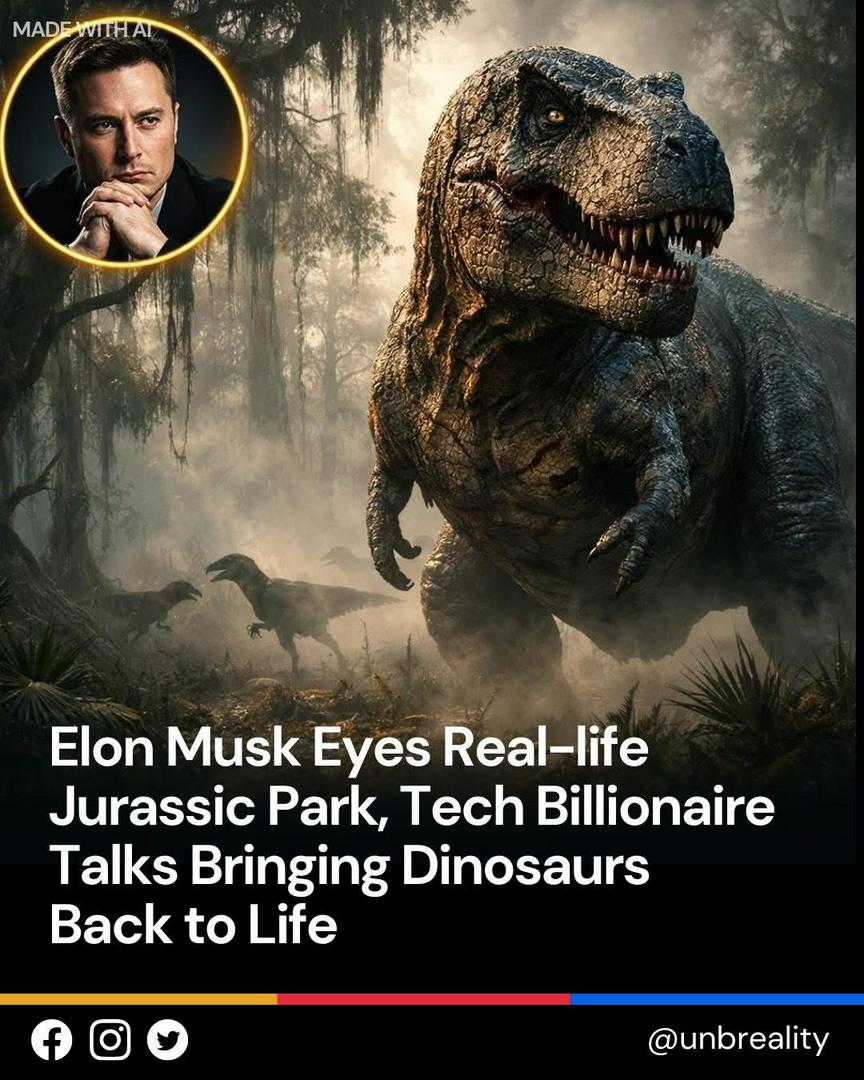
Richard Vaughan+FollowT. Rex Was Basically a Giant Late BloomerTurns out the T. rex wasn’t just a teenage terror—it kept growing until it was 40! Scientists just discovered that dino bones have faint growth rings, kind of like tree rings, that show the T. rex lived way longer than we thought. Some famous fossils might even be a whole different species. Who knew the king of the dinosaurs was such a slowpoke? Paleontology just got a major plot twist! #Science #TRex #Dinosaurs00Share
martinezlaura+FollowMelting Glaciers Are Hiding a Scary SecretAntarctic glaciers aren’t just melting—they’re leaking antibiotic resistance genes into our water! Scientists just found out these genes, trapped in ice for ages, are now getting into rivers and lakes as glaciers melt. That means bacteria could get even tougher to fight, making some meds less effective. It’s a wild reminder that climate change is messing with things we never even thought about. Would you go solar to help slow this down? #Science #ClimateChange #Antarctica100Share
Michael Flores+FollowUniverse Plot Twist: Is Space Slowing Down?Thought the universe was just speeding up forever? Plot twist: new cosmic data is shaking up everything we thought we knew. Some scientists say the universe’s expansion might actually be slowing, not accelerating, and dark energy could be changing over time. Others argue it’s all about how we measure things. Either way, the classic story of an ever-accelerating cosmos is getting a major rewrite. Are we headed for a cosmic slowdown or just a measurement mix-up? Stay tuned for more universe drama! #Science #space #cosmos10Share
Jessica Hodge+FollowGreenland’s Ice Is Freaking Out ScientistsThe Greenland ice sheet isn’t just melting—it’s changing so fast that even the experts are scared. Scientists are finding evidence the ice has collapsed before, and it’s happening now at CO2 levels lower than today’s. Dark patches, “zombie” ice doomed to melt, and ancient viruses waking up from thawing permafrost? This isn’t a distant climate problem—it’s happening in real time, and the stakes are global. Coastal cities, weather, even buried microbes are all on the line. Wild times in the Arctic! #Science #Greenland #ClimateChange113Share
Patrick Simmons+FollowAI Just Found 1,300 Space Oddities FastImagine sifting through nearly 100 million Hubble images and finding over 1,300 cosmic weirdos—in just 2.5 days! That’s what happened when astronomers let AI loose on the Hubble Legacy Archive. The AI flagged bizarre shapes that could be rare space events, like merging galaxies or gravitational lenses. This is a total game-changer for astronomy, letting us spot hidden gems in old data. What do you think these mysterious objects could be? Drop your wildest theories below! #Science #Hubble #AI30Share
martinezlaura+FollowThis Polar Bear Attack Is Straight Out of a Horror MovieImagine camping in the Arctic and waking up to a polar bear tearing through your tent. That’s exactly what happened in Svalbard, Norway, where more polar bears live than people. In 2011, a malfunctioning safety system led to the deadliest polar bear attack ever recorded—one teen was killed and four others badly hurt. The scariest part? Climate change is pushing these hungry bears closer to humans. Svalbard is still a bucket-list spot, but wow, it’s not for the faint of heart! #Science #PolarBearAttack #Svalbard282Share