Tag Page ReligiousHistory

#ReligiousHistory
sandwich shop

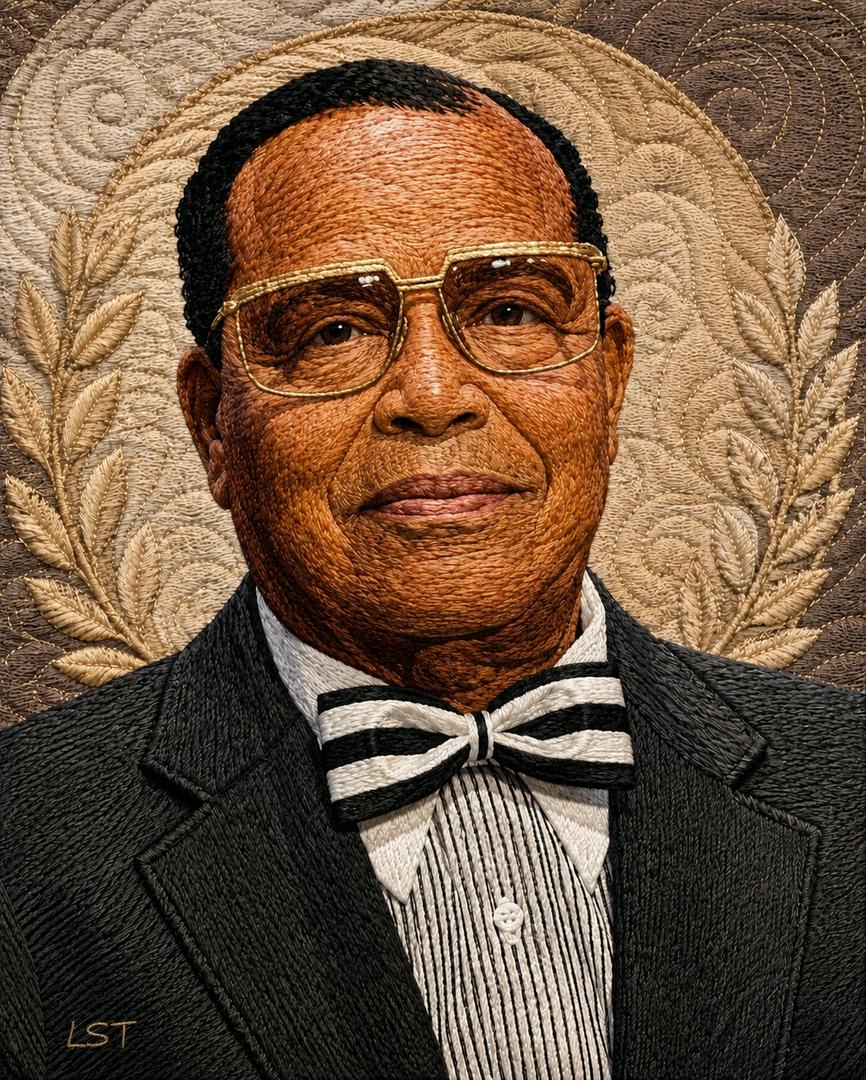
Louis Farrakhan was born Louis Eugene Walcott on May 11, 1933, in the Bronx, New York. He would become one of the most recognized and debated religious and political figures in modern American history Raised in Boston, Farrakhan was known early for his musical talent before becoming connected to the Nation of Islam in the 1950s. Over time, he rose through the organization's ranks and became one of its most visible voices. By the late 1970s and earlv 1980s, he helped rebuild the Nation of slam after a maior internal shift following the death of Eliiah Muhammad Farrakhan's public influence has been significant, especially among people drawn to messages about self-discipline, economic independence, religious identity, and community responsibility. One of the most visible moments of his leadership came in 1995, when he helped organize the Million Man March in Washinaton, D.C., an event that brought hundreds of thousands of men together around themes of accountability, unity, and renewal. At the same time, Farrakhan's legacy remains deeply controversial. Critics have condemned many of his public statements especially comments viewed as antisemitic anti-LGBTO, or hostile toward other groups. Supporters, however, arque that his work should also be understood through his ong-standing emphasis on Black self-reliance, faith, family structure, and social reform. That tension is why Farrakhan remains a complicated figure in American public life. His name is tied to religion, politics nationalism, activism, controversy, and influence all at once flattened into praise or dismissal. Louis Farrakhan's life reflects how one public figure can inspire loyalty, criticism, debate and division across generations. His impact is real. The debate around that mpact is real too. #LouisFarrakhan #Mav11 #BlackHistory #AmericanHistory #NationOflslam #ReligiousHistory #PoliticalHistory #HistoryMatters #OnThisDay

LataraSpeaksTruth

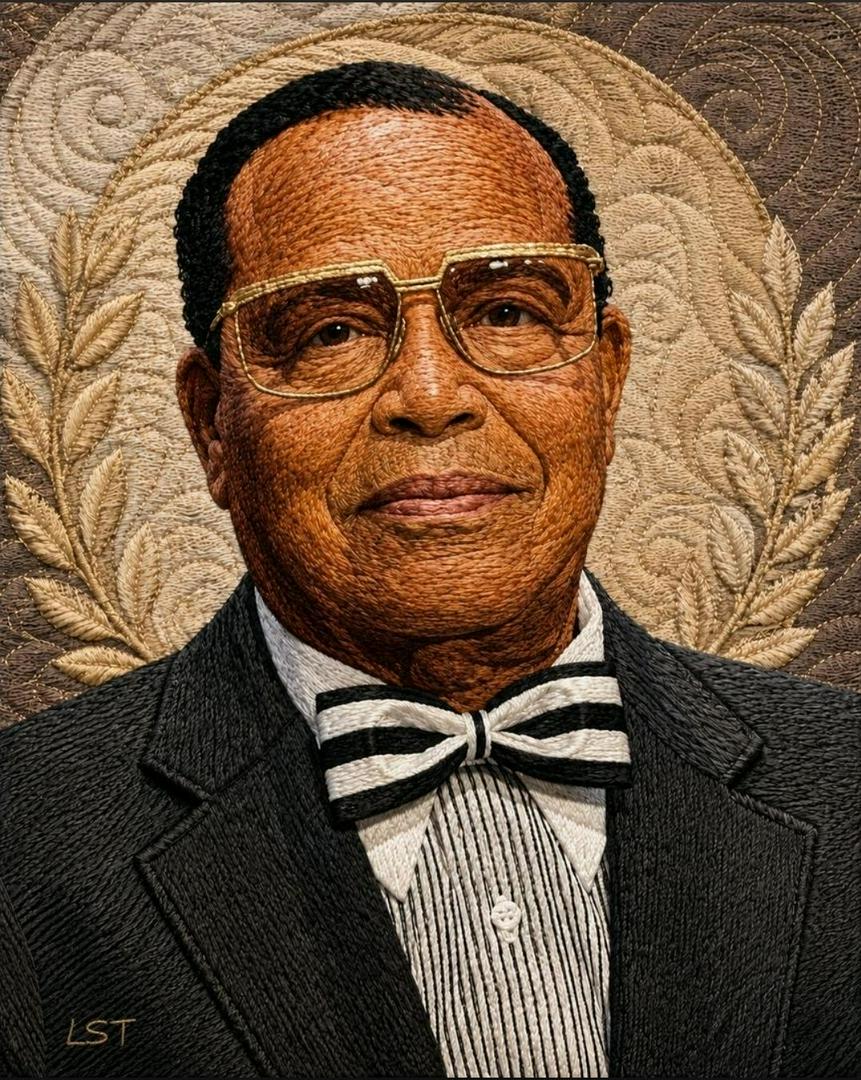
Louis Farrakhan was born Louis Eugene Walcott on May 11, 1933, in the Bronx, New York. He would become one of the most recognized and debated religious and political figures in modern American history. Raised in Boston, Farrakhan was known early for his musical talent before becoming connected to the Nation of Islam in the 1950s. Over time, he rose through the organization’s ranks and became one of its most visible voices. By the late 1970s and early 1980s, he helped rebuild the Nation of Islam after a major internal shift following the death of Elijah Muhammad. Farrakhan’s public influence has been significant, especially among people drawn to messages about self-discipline, economic independence, religious identity, and community responsibility. One of the most visible moments of his leadership came in 1995, when he helped organize the Million Man March in Washington, D.C., an event that brought hundreds of thousands of men together around themes of accountability, unity, and renewal. At the same time, Farrakhan’s legacy remains deeply controversial. Critics have condemned many of his public statements, especially comments viewed as antisemitic, anti-LGBTQ, or hostile toward other groups. Supporters, however, argue that his work should also be understood through his long-standing emphasis on Black self-reliance, faith, family structure, and social reform. That tension is why Farrakhan remains a complicated figure in American public life. His name is tied to religion, politics, nationalism, activism, controversy, and influence all at once. To tell his story honestly, it cannot be flattened into praise or dismissal. Louis Farrakhan’s life reflects how one public figure can inspire loyalty, criticism, debate, and division across generations. His impact is real. The debate around that impact is real too. #LouisFarrakhan #May11 #BlackHistory #AmericanHistory #NationOfIslam #ReligiousHistory #PoliticalHistory #HistoryMatters #OnThisDay

LataraSpeaksTruth

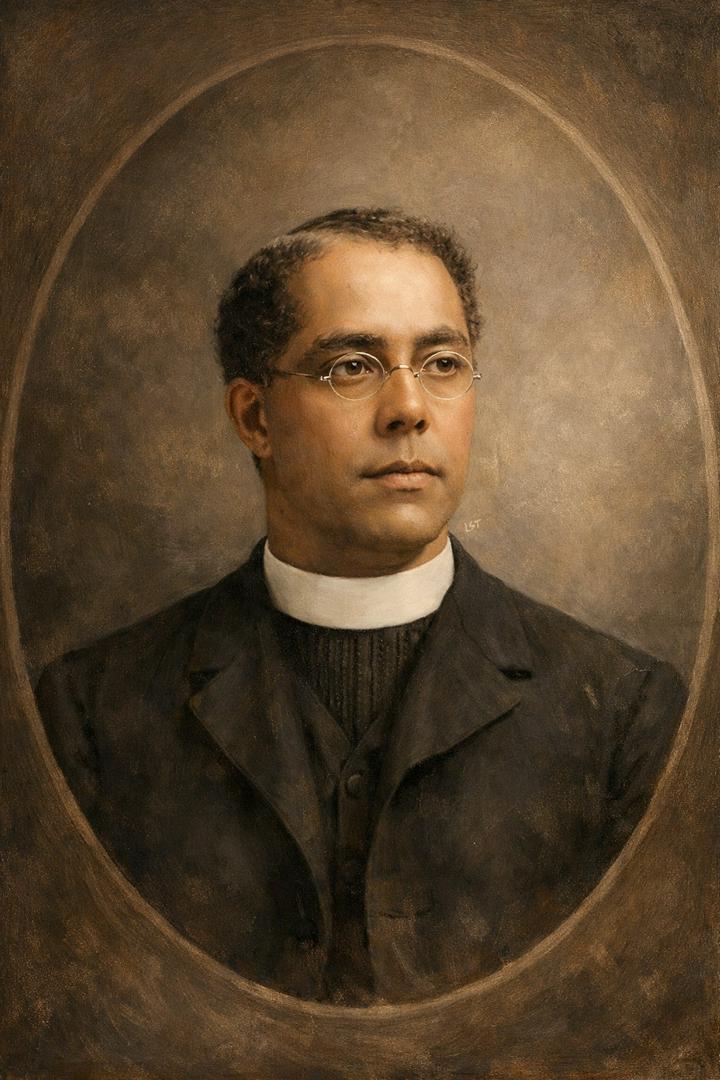
On December 19, 1891, in Baltimore, history moved quietly but decisively. Charles Randolph Uncles became the first African American man ordained a Catholic priest on U.S. soil, breaking through a Church that, like the country around it, was deeply entangled in racial exclusion. Born in 1859 to parents who had been enslaved, Uncles converted to Catholicism as a teenager and soon felt called to the priesthood. That calling was met with resistance. American seminaries shut their doors to him because of his race, forcing him to complete his studies in Europe before returning home for ordination. Ordination did not end the struggle. Father Uncles spent his ministry navigating segregation in parishes, schools, and religious institutions. Still, he showed up. Still, he served. Still, he believed the Church could be better than its habits. He became a founding force behind the Society of St. Joseph of the Sacred Heart, known as the Josephites, a religious order dedicated to serving Black Catholic communities in the United States. This was not symbolic work. It was real, grounded pastoral labor. Father Uncles was more than a parish priest. He was an educator, an advocate, and living proof that authority, faith, and leadership were never meant to be limited by race. His presence at the altar challenged assumptions about who belonged there. December 19, 1891 stands as more than a religious milestone. It reminds us that progress often begins with someone willing to endure exclusion so others do not have to. History does not always shout. Sometimes it kneels, stands up anyway, and refuses to leave. #OnThisDay #ThisDayInHistory #AmericanHistory #FaithHistory #ReligiousHistory #HiddenHistory #UntoldHistory #HistoryMatters

You've reached the end!