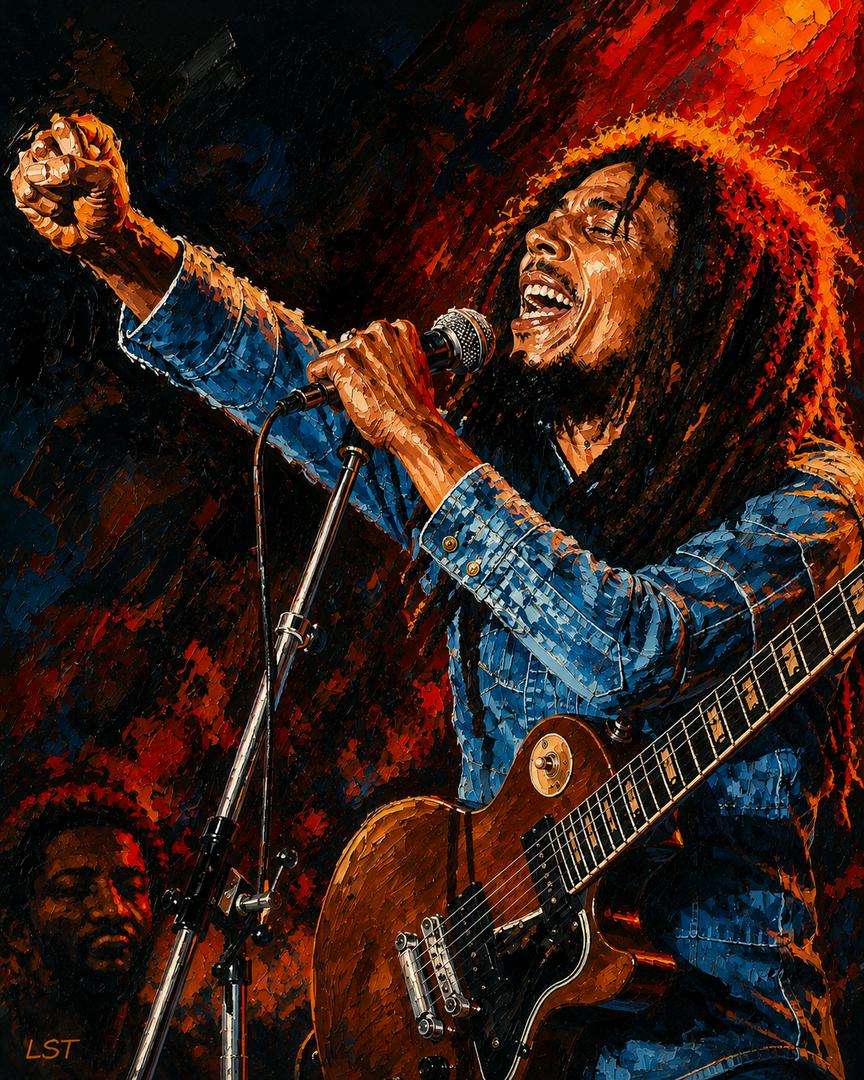
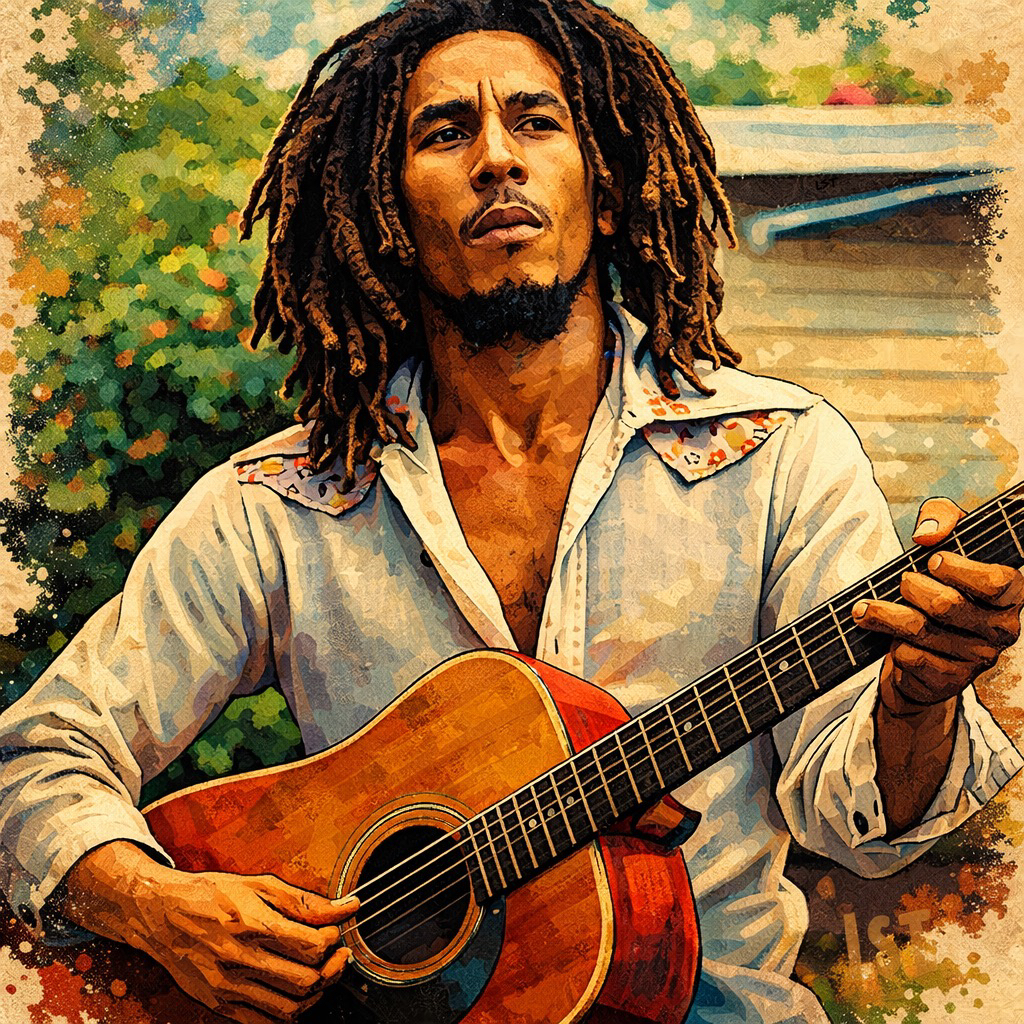
On May 11, 1981, the world lost Bob Marley, one of the most influential musicians in modern history.
Marley died in Miami at just 36 years old from acral lentiginous melanoma, a form of skin cancer. His death was not only a loss for Jamaica, but for the entire Black diaspora. By the time he passed, Marley had already carried reggae far beyond the island and turned it into a global language of resistance, spirituality, love, and survival.
Born in Nine Mile, Jamaica, Robert Nesta Marley rose from humble beginnings to become the voice behind songs that still move across generations. With The Wailers, and later as the face of Bob Marley and the Wailers, he helped bring reggae to international audiences through music that blended rhythm with message. Songs like “Get Up, Stand Up,” “Redemption Song,” “One Love,” and “No Woman, No Cry” became more than records. They became cultural markers.
Marley’s work was deeply tied to Rastafari, Pan-African thought, colonial history, and the struggle for dignity. His music spoke to poor people, working people, displaced people, and anyone trying to hold on to hope while living under pressure. That is why his reach stretched from Kingston to London, Africa, the Caribbean, America, and beyond.
His legacy also remains complex. Marley became a peace symbol, but he was not simply a soft figure. His music challenged oppression, warned against division, and called for liberation. He lived in a time when Jamaica faced political tension, violence, and post-colonial struggle, and his voice became part of that larger story.
More than four decades after his death, Bob Marley’s image, sound, and message remain alive. He was a reggae pioneer, a cultural messenger, and a global symbol of Black identity, faith, and resistance.
May 11 marks the day his body left the world, but his voice never did.
#BobMarley #ReggaeHistory #BlackDiasporaHistory #JamaicanHistory #MusicHistory #Rastafari #OneLove