Tag Page ReconstructionHistory

#ReconstructionHistory
LataraSpeaksTruth

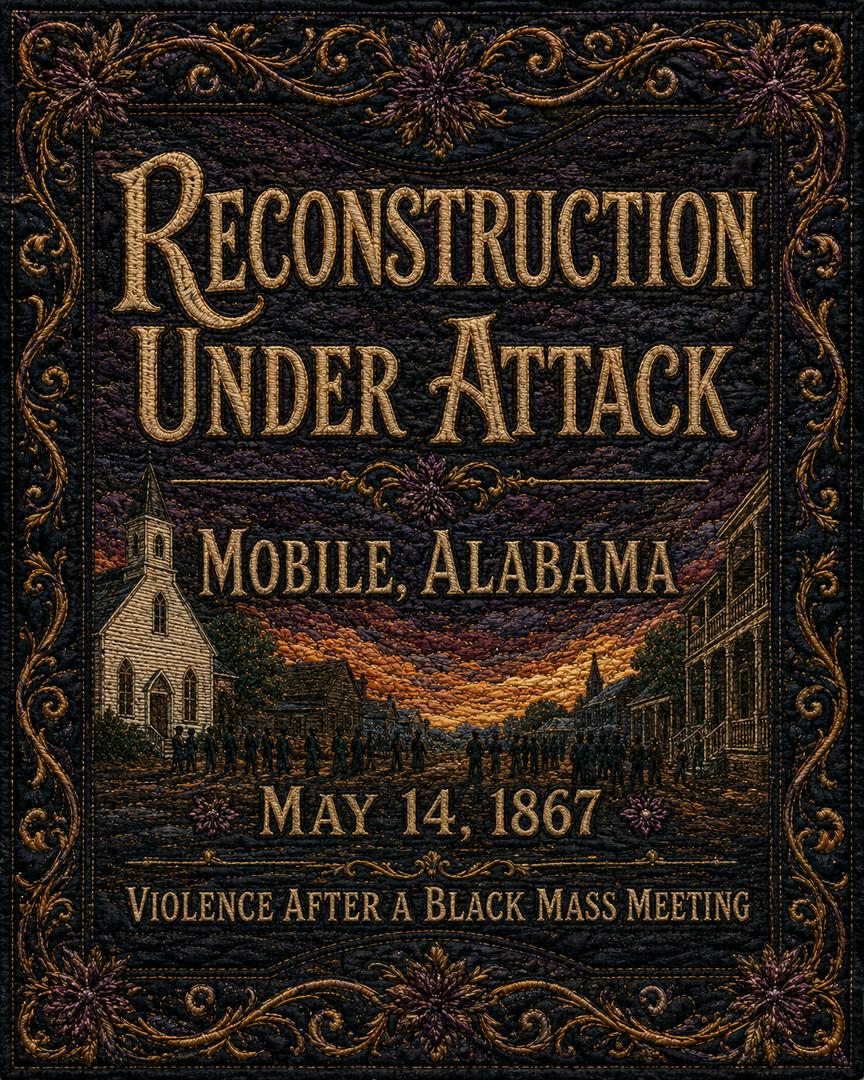
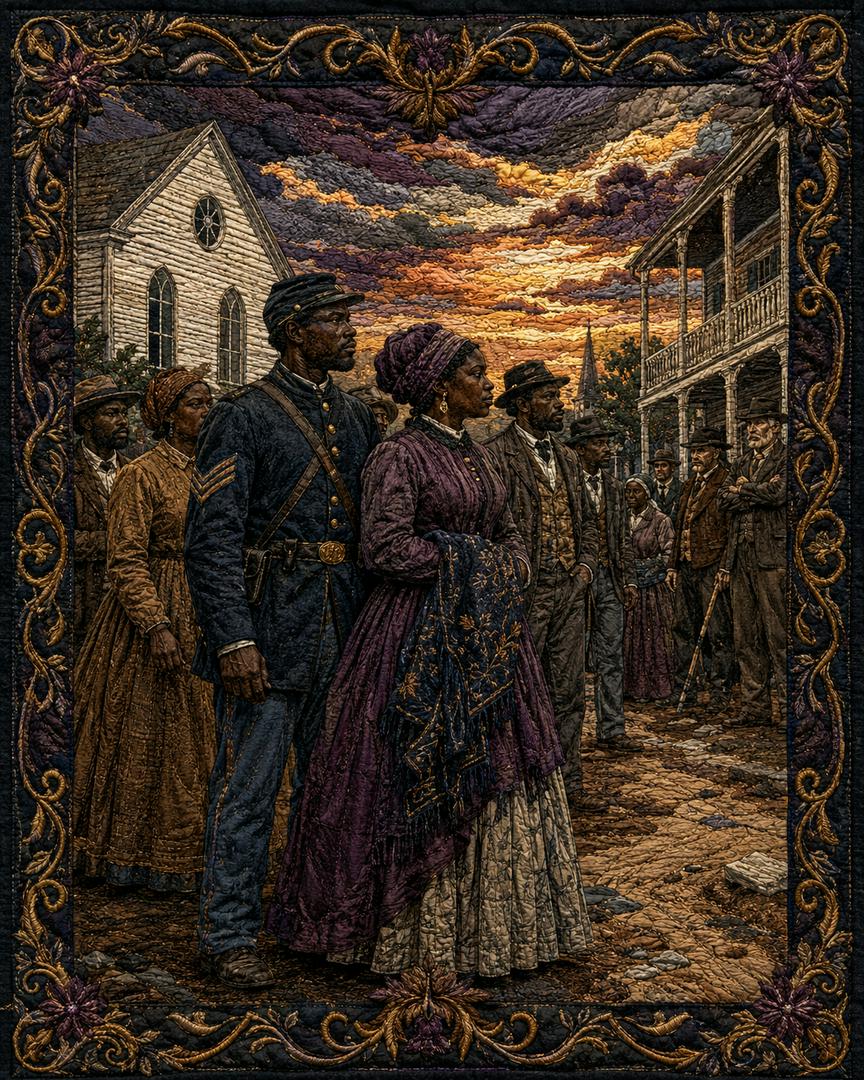
On May 14, 1867, Mobile, Alabama became another Reconstruction-era reminder that freedom on paper did not mean safety in the streets. That day, deadly violence broke out during a Republican public meeting where Congressman William D. Kelley of Pennsylvania was speaking. Kelley was a Radical Republican, and his visit came during a tense period when formerly enslaved people, Black Union veterans, and Republican organizers were pushing for real political power after the Civil War. According to House Divided, shots were fired near the edge of the crowd. Two people were killed and several others were wounded. Mobile was already tense, with former Confederates, Black Union veterans, and newly active Black citizens all living through the collision between the old order and the promise of Reconstruction. This was not just random violence. Across the South, Black citizens were gathering, organizing, voting, speaking, and demanding a place in public life. In response, white resistance often followed. The goal was not only to disrupt one meeting. The message was bigger: stay away from politics, stay away from the ballot box, and stay in the place the old order had assigned you. That is why Mobile matters. The violence of May 14, 1867 shows how Reconstruction was fought not only in Congress or state houses, but in public meetings, city streets, churches, and gathering places where Black people dared to act like free citizens. They had served in war. They had built communities. They had survived slavery. Now they were demanding a voice. And the backlash came hard. History should remember this clearly: the violence was not proof that Black political power was dangerous. It was proof that some people were terrified of Black political power becoming real. #ReconstructionHistory #BlackHistory #MobileAlabama #VotingRightsHistory #AmericanHistory

LataraSpeaksTruth

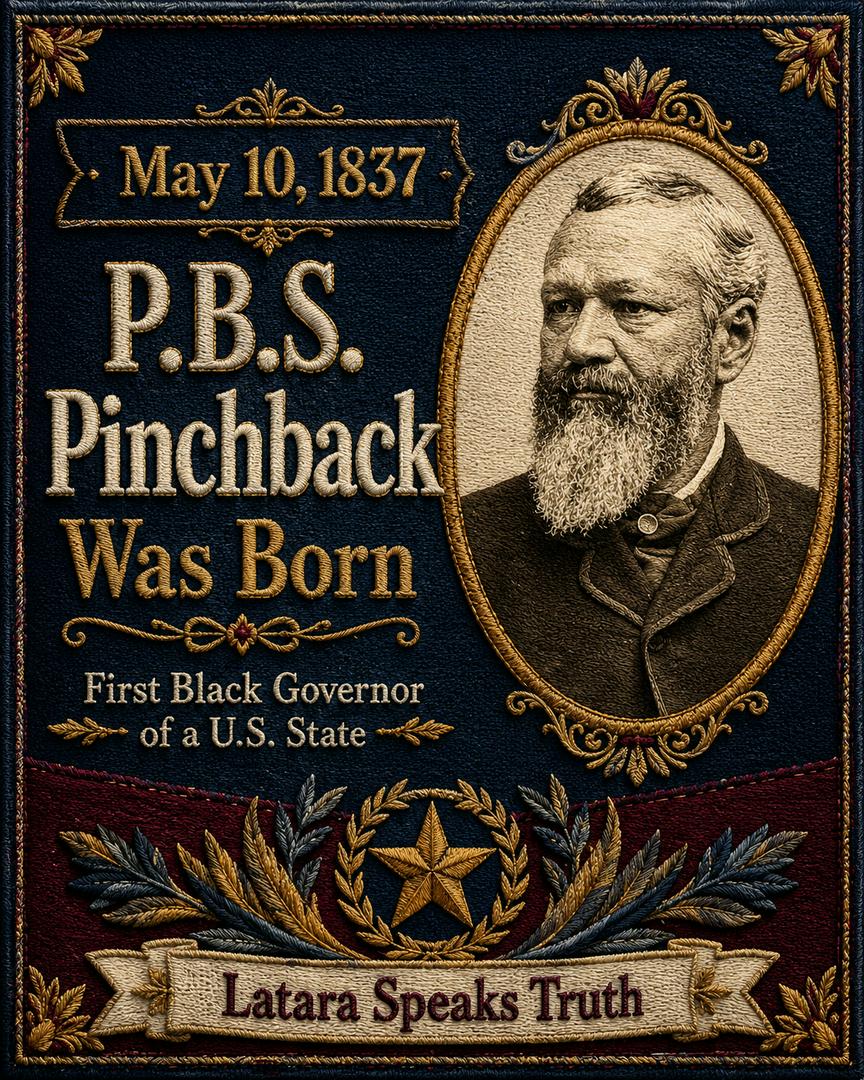
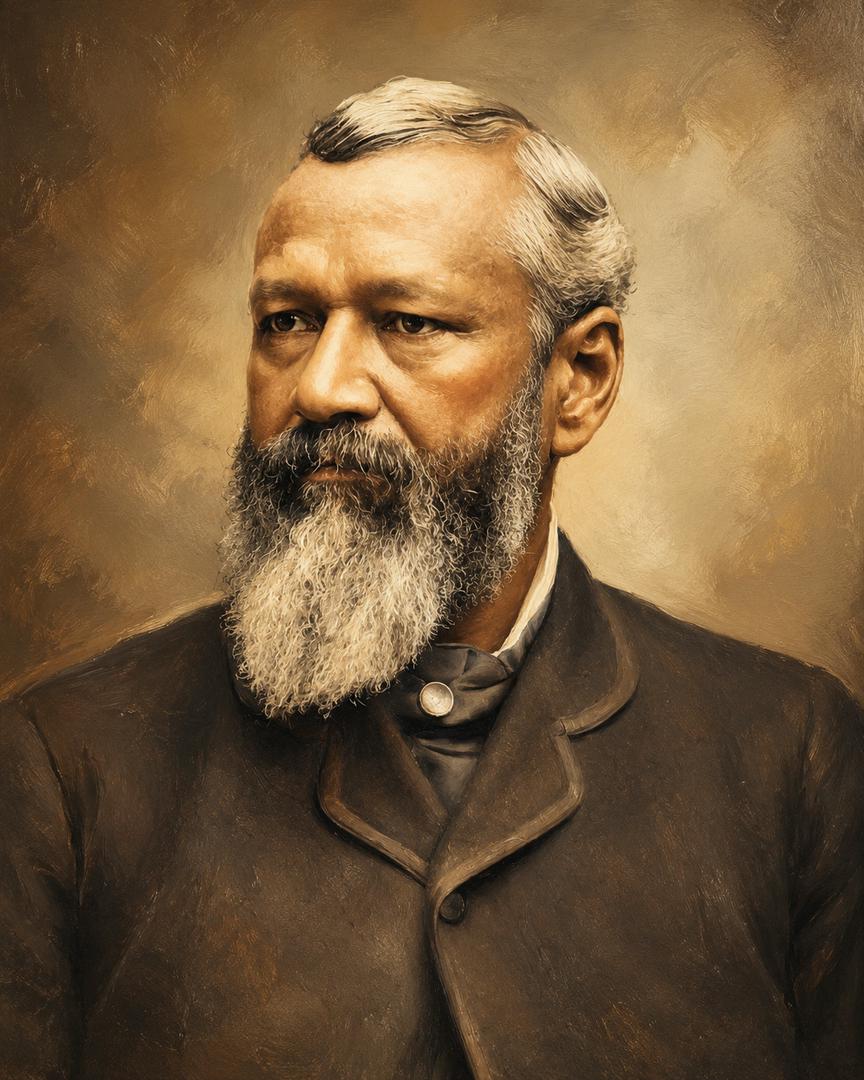
On May 10, 1837, Pinckney Benton Stewart Pinchback was born near Macon, Georgia. His name may not be taught as often as it should be, but his life belongs in the center of America’s Reconstruction story. Known as P.B.S. Pinchback, he was born free at a time when freedom for Black people in the South could still be fragile, challenged, and dangerous. After his father died, his mother took the family to Ohio to protect their freedom. That decision helped shape the path of a man who would later step into history. During the Civil War, Pinchback served in the Union Army and helped recruit Black soldiers. After the war, he entered politics in Louisiana during Reconstruction, a period when formerly enslaved people and free Black citizens pushed for voting rights, education, public office, and a new kind of power in the South. Pinchback rose through Louisiana politics and became lieutenant governor. Then, in December 1872, after Governor Henry Clay Warmoth was suspended during an impeachment dispute, Pinchback briefly served as acting governor of Louisiana. That made him the first Black person to serve as governor of a U.S. state. His time in office lasted only a few weeks, from December 1872 to January 1873, but the meaning of it was much larger than the length of the term. In a nation still fighting over the future of freedom, a Black man stood at the head of a Southern state government. Pinchback was also elected to the U.S. Senate, but he was never allowed to take his seat. That part of his story says plenty about the promise of Reconstruction and the resistance that worked to limit it. P.B.S. Pinchback’s story is not just a political footnote. It is a reminder that Black leadership after the Civil War was real, powerful, and often deliberately pushed out of the spotlight. Born May 10, 1837. Remember the name. #BlackHistory #OnThisDay #PBSplashback #ReconstructionHistory #NewsBreak

Brandon_Lee

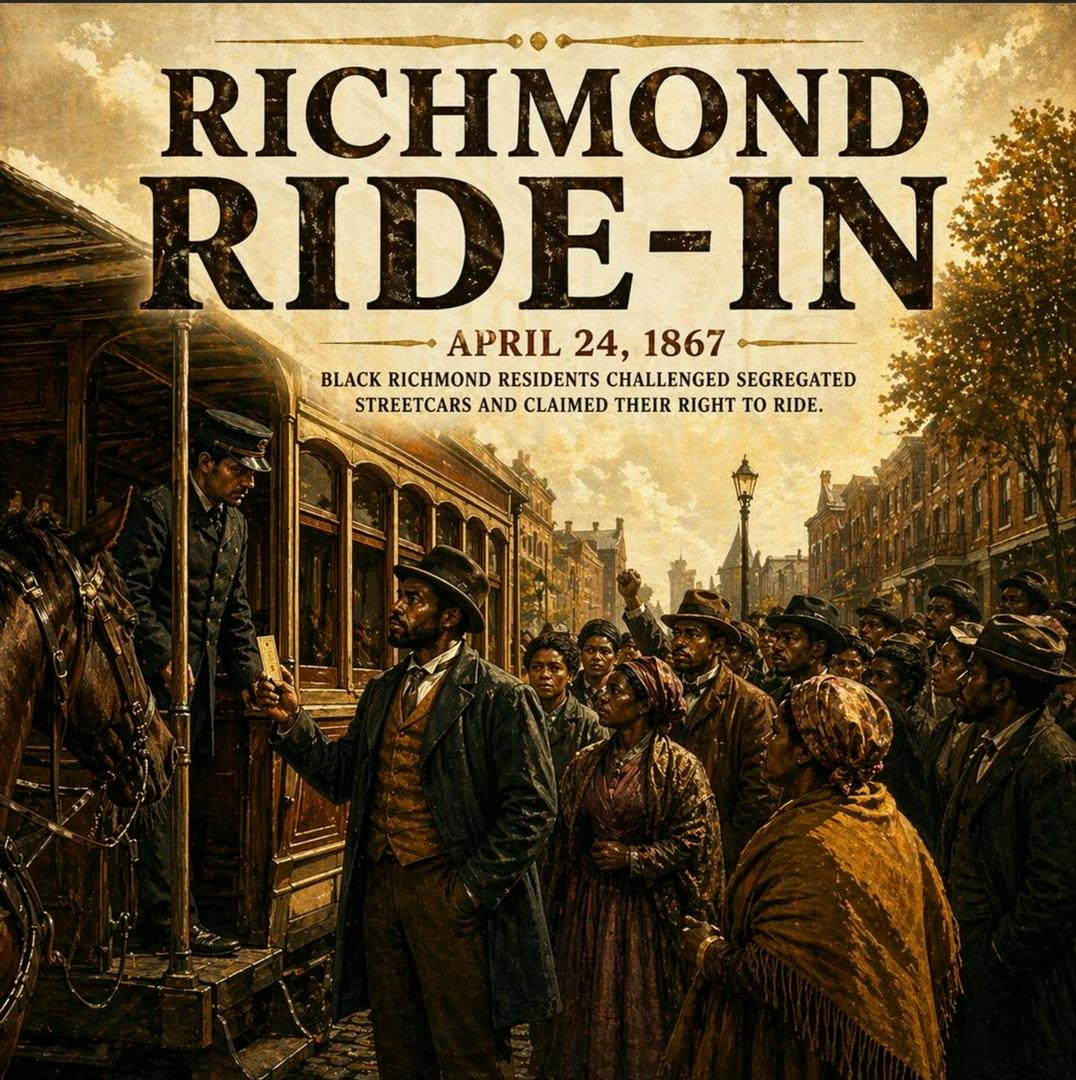
On April 24, 1867, Black residents in Richmond, Virginia made it clear that the fight for equal treatment did not begin in the 1950s. t was Reconstruction. Slavery had officially ended through the 13th Amendment barely more than a vear earlier, but freedom or paper did not mean equal rights in everyday ife. In Richmond, Black passengers were being denied access to privately operated horse-drawn streetcars, even when they had paid for a ticket One of the people connected to this protest was Christopher Jones. According to historical records, Jones bought a ticket for a Richmond streetcar and attempted to ride When he was refused, a crowd gathered in support of his right to board. He was later arrested for disturbing the peace But the people did not back downBlack Richmond residents organized protests against the streetcar company's racial restrictions. This was not iust about transportation. It was about citizenship public space, dignity, and whether freedom would mean anything beyond words written into law. That is what makes this historv so important. Long before the Montgomery Bus Boycott long before Rosa Parks became a nationa symbol, Black communities were already challenging segregation in public transportation. They were using protest oublic pressure, and collective action to demand what should have already been theirs. The Richmond Streetcar Protest reminds us that civil rights history did not suddenly appear in the 20th century. It had deep roots in Reconstruction, when newly freed people were fighting to define what freedom would actually look like in public life April 24, 1867 deserves to be remembered because it shows us something powerful. The pushback started early The courage was already there. And the demand was simple: if we paid to ride, we had the riaht to ride. #BlackHistory #ReconstructionHistory #RichmondVA #CivilRightsHistory #HiddenHistory

LataraSpeaksTruth

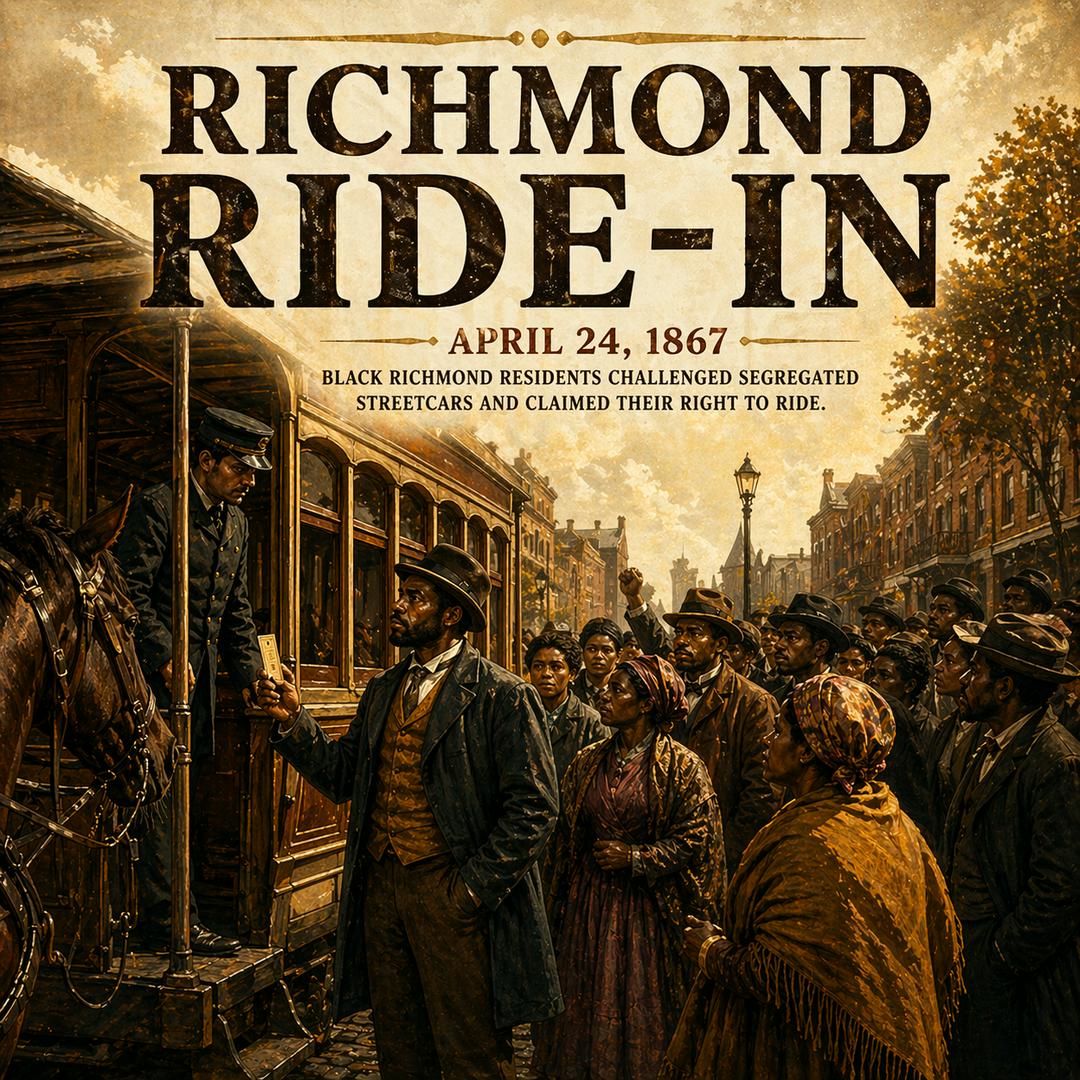
On April 24, 1867, Black residents in Richmond, Virginia made it clear that the fight for equal treatment did not begin in the 1950s. It was Reconstruction. Slavery had officially ended through the 13th Amendment barely more than a year earlier, but freedom on paper did not mean equal rights in everyday life. In Richmond, Black passengers were being denied access to privately operated, horse-drawn streetcars, even when they had paid for a ticket. One of the people connected to this protest was Christopher Jones. According to historical records, Jones bought a ticket for a Richmond streetcar and attempted to ride. When he was refused, a crowd gathered in support of his right to board. He was later arrested for disturbing the peace. But the people did not back down. Black Richmond residents organized protests against the streetcar company’s racial restrictions. This was not just about transportation. It was about citizenship, public space, dignity, and whether freedom would mean anything beyond words written into law. That is what makes this history so important. Long before the Montgomery Bus Boycott, long before Rosa Parks became a national symbol, Black communities were already challenging segregation in public transportation. They were using protest, public pressure, and collective action to demand what should have already been theirs. The Richmond Streetcar Protest reminds us that civil rights history did not suddenly appear in the 20th century. It had deep roots in Reconstruction, when newly freed people were fighting to define what freedom would actually look like in public life. April 24, 1867 deserves to be remembered because it shows us something powerful. The pushback started early. The courage was already there. And the demand was simple: if we paid to ride, we had the right to ride. #BlackHistory #ReconstructionHistory #RichmondVA #CivilRightsHistory #HiddenHistory

LataraSpeaksTruth

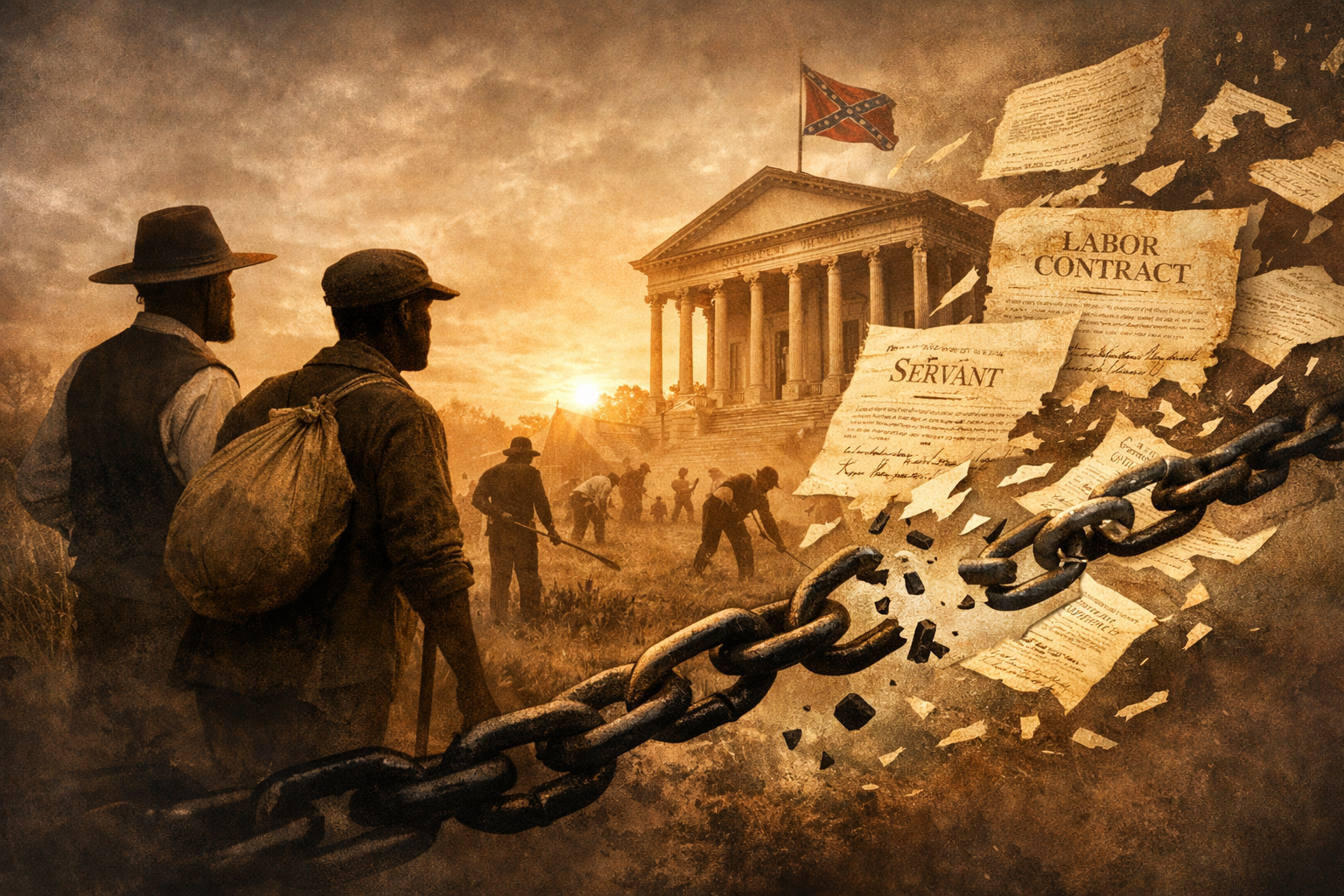
On December 19, 1865, South Carolina passed a law that replaced slavery with forced labor under a different name. Slavery had been abolished, but this law required newly freed people to sign labor contracts that locked them into exploitative conditions. Workers were labeled “servants,” while white employers were officially designated as “masters.” Those who refused to sign faced arrest, fines, or forced unpaid labor. On paper, the law existed under Reconstruction. In practice, it functioned as a mechanism to preserve control over labor and daily life after emancipation. Freedom was tolerated only if economic dependence and social hierarchy remained intact. Formerly enslaved people and community leaders immediately recognized the danger. They understood that freedom meant choice. Choice in where to work, how to live, and how to shape a future. This law stripped that choice away and pushed many back into conditions that closely resembled bondage. South Carolina was not an outlier. Across the South in 1865, similar Black Codes criminalized unemployment and so called vagrancy. Those charges were then used to funnel people into plantation labor through the criminal justice system, reinforcing control through punishment rather than chains. The impact of these laws did not end in the nineteenth century. Their influence can still be seen in labor inequality, policing disparities, and economic systems that limit access to opportunity. Remembering December 19, 1865 is not about assigning blame. It is about recognizing how systems of control evolved and why the pursuit of genuine freedom remains unresolved. #ReconstructionHistory #AmericanHistory #SouthCarolina1865 #BlackCodes #LaborHistory #Justice #HistoricalContext #Freedom

You've reached the end!
Tag: ReconstructionHistory | LocalAll