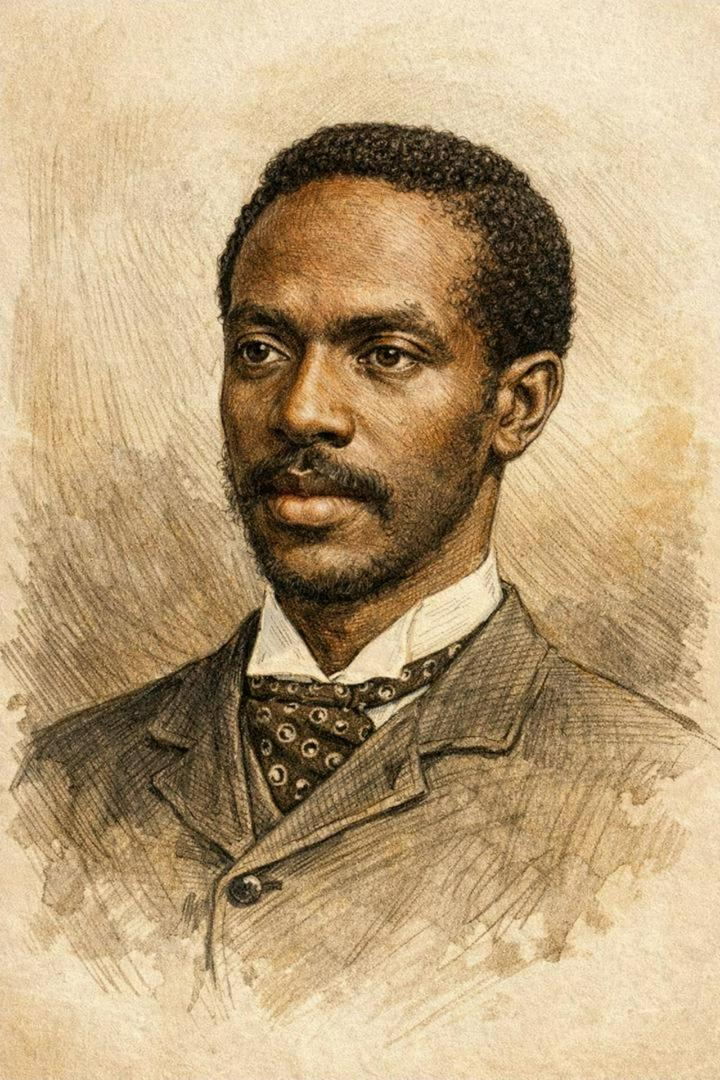
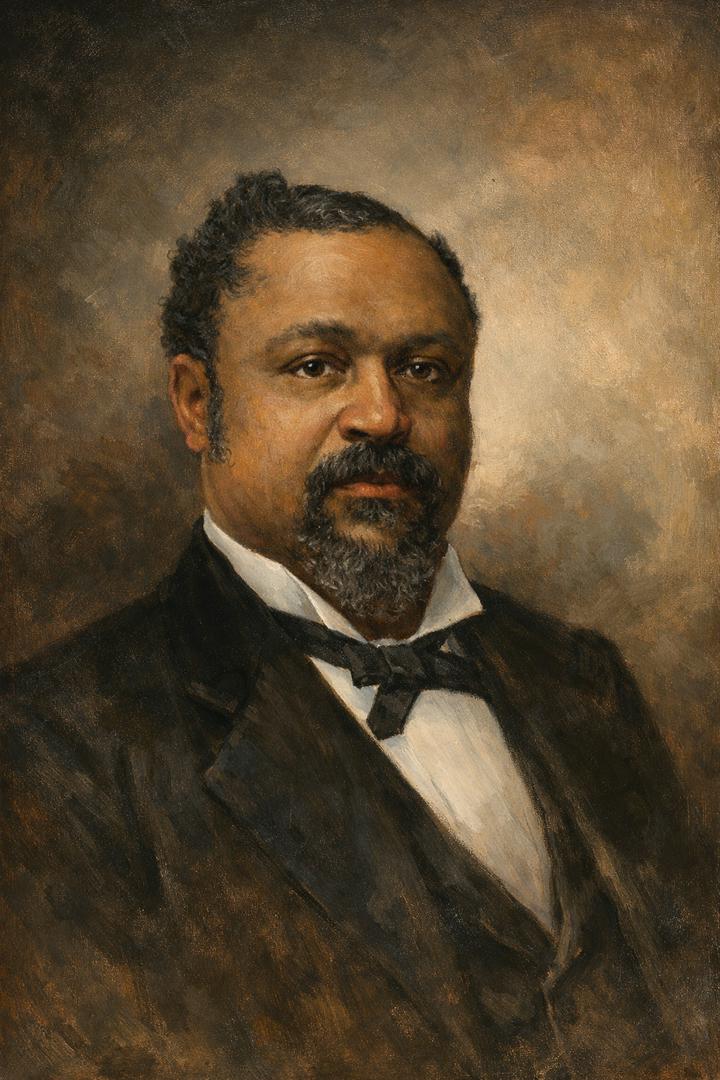
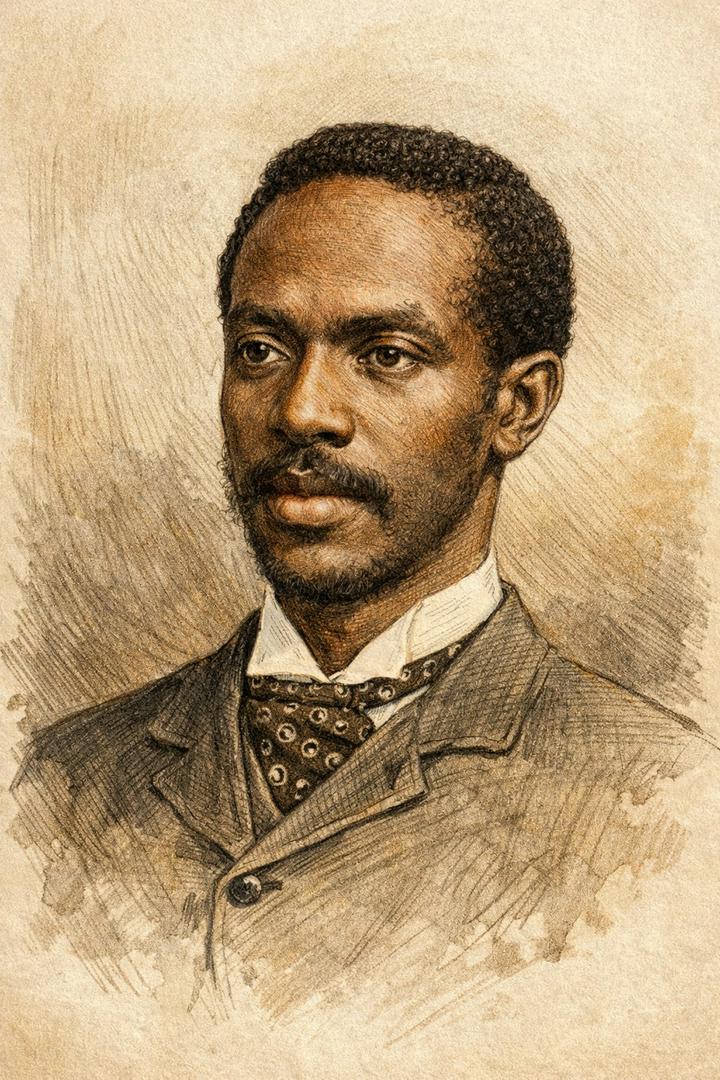
Blanche Kelso Bruce was born enslaved on March 1, 1841, near Farmville in Prince Edward County, Virginia. As a child, he received an education that was rare for someone held in bondage, and he carried that learning like a tool he refused to put down.
When the Civil War began, Bruce left slavery and made his way west to Kansas. After that, he worked as a teacher in Hannibal, Missouri, helping educate newly freed Black children during the turbulent first years after emancipation.
In 1868 he moved to Mississippi during Reconstruction and built a life in public service. He served on the Mississippi Levee Board, then held county office in Bolivar County as sheriff and later as tax collector from 1872 to 1875.
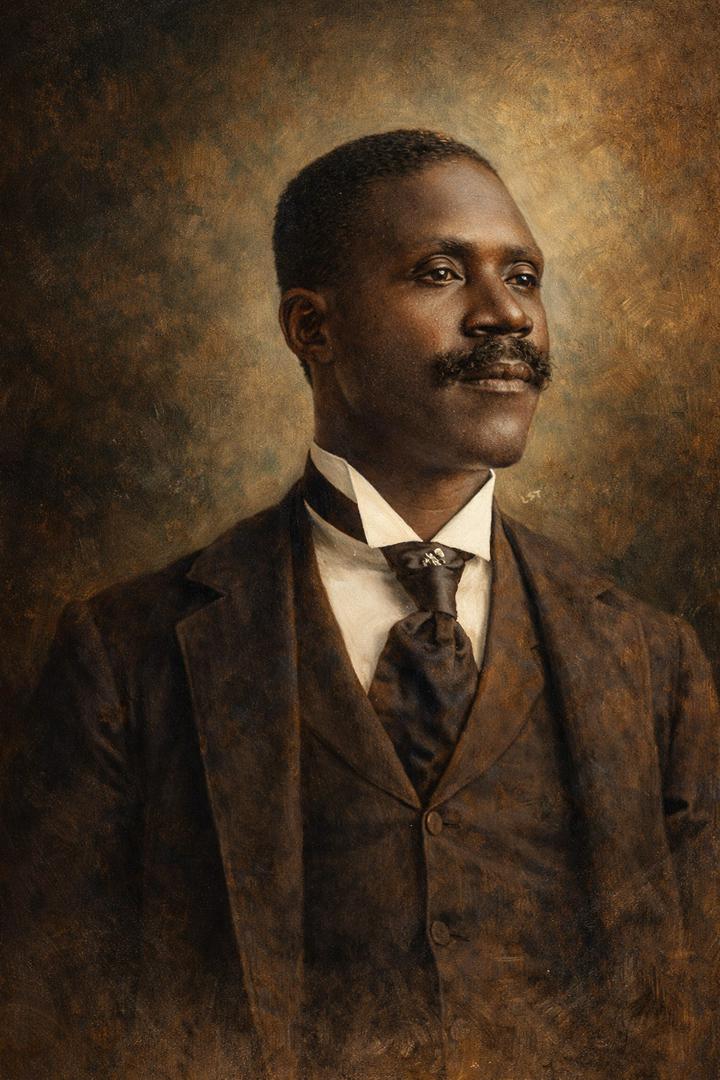
In February 1874, Mississippi’s state legislature elected him to the United States Senate. He served from March 4, 1875, to March 3, 1881. Bruce was the second African American to serve in the U.S. Senate, and the first to complete a full six year term. In 1879 he became the first African American to preside over the Senate, a moment that carried weight far beyond the chamber.
After his Senate service, Bruce continued in federal roles. In 1881 President James A. Garfield appointed him Register of the Treasury. He later served as Recorder of Deeds for Washington, D.C., and returned again as Register of the Treasury in 1897. Bruce died in Washington, D.C., on March 17, 1898, and was buried at Woodlawn Cemetery.
Sources used for verification include the U.S. Senate’s biography of Bruce and the Biographical Directory of the United States Congress.
#BlancheKelsoBruce #USSenate #ReconstructionEra #MississippiHistory #VirginiaHistory #AmericanHistory #BlackHistory #CivilWarEra #PoliticalHistory #HistoryMatters