Tag Page OnThisDay

#OnThisDay
LataraSpeaksTruth

Benjamin O. Davis Sr. Dies in 1970

Benjamin O. Davis Sr. passed away on November 26, 1970. His death marked the end of a life that reshaped the presence and possibilities of Black leadership within the United States military. He was the first Black general in the history of the U.S. Army, a milestone he reached in 1940 after decades of service marked by discipline, resilience, and unshakable commitment. Davis entered the military at a time when segregation defined every level of service. Advancement for Black soldiers was blocked by unwritten rules and deeply rooted resistance. He moved through those barriers with a steady hand and a quiet, firm determination that reflected both the discipline of a career officer and the weight of representing an entire generation of soldiers who were denied equal opportunities. His leadership reached across World War I, World War II, and the era of military reform. Davis played a critical role in shaping programs for Black troops, improving conditions within segregated units, and advocating for equal treatment. His work helped lay the groundwork for the eventual desegregation of the armed forces in 1948. He is also remembered as the father of Benjamin O. Davis Jr., commander of the Tuskegee Airmen. The legacy of this family represents a rare and powerful throughline in American military history. Their combined contributions influenced policy, elevated expectations, and expanded the nation’s understanding of Black excellence in service. Benjamin O. Davis Sr.’s passing in 1970 closed a chapter, but his impact continues to shape the military today. His life stands as a historical benchmark, showing how one person’s resolve can open institutional doors that were once locked on purpose. #HistoryToday #OnThisDay #AmericanHistory #MilitaryHistory #USArmy #BlackMilitaryLeaders #BenjaminODavisSr #LataraSpeaksTruth

Benjamin O. Davis Sr. Dies in 1970
LataraSpeaksTruth

December 3, 1883… A Statistical Look at Racial Violence in the United States

A historical calendar records December 3, 1883 with the number fifty-three. This figure represents the documented lynchings of Black Americans reported in the United States during that year. It is not tied to a single incident. Instead, it reflects the broader climate of racial violence occurring at the time. The year 1883 fell within a period when federal oversight had weakened following the end of Reconstruction. Across many regions, local authorities did not intervene in acts of mob violence. As a result, racial attacks often occurred without investigation or legal consequence. Historical researchers emphasize that the number fifty-three represents reported cases only. Documentation from this period is incomplete. Many incidents were not recorded in newspapers or official archives, and the total number is believed to be higher. Using a date to mark this tally serves as a way to contextualize the conditions Black Americans faced in the post Reconstruction era. It illustrates how widespread racial violence was and how limited legal protections were during this time. This entry functions as a statistical snapshot of a year rather than a single event. It highlights the environment that shaped daily life for many Black citizens in the late nineteenth century. December 3, 1883 marks a historical record of fifty-three reported lynchings during that year. It reflects the broader climate of racial violence in the post Reconstruction era rather than a single event. #LataraSpeaksTruth #AmericanHistory #HistoricalRecord #OnThisDay #CommunityFeed

December 3, 1883… A Statistical Look at Racial Violence in the United States
LataraSpeaksTruth

Janabelle Taylor… A Quiet Force In Community Care

Janabelle Taylor was born December 3, 1920, in St Paul, Minnesota. Her life did not unfold on the big stages or in the headlines. Instead, she stepped into the world of social work and administration, becoming one of the steady hands that kept communities functioning. She was part of a generation of Black professionals who held families together during times of limited access, limited resources, and limited recognition. Social work in her era was not a job with applause. It was a commitment to showing up for people who had nowhere else to turn. Taylor worked in education, community health, and family support services. Her work helped build the foundation for the modern systems we depend on today. She represents the countless Black women whose leadership shaped neighborhoods without ever asking for the spotlight. Honoring her now means acknowledging that progress has never been powered only by the famous or the celebrated. It has also been carried by women like Janabelle Taylor… women who treated service as a calling and community as a responsibility. #LataraSpeaksTruth #BlackHistory #AmericanHistory #OnThisDay #CommunityStories

Janabelle Taylor… A Quiet Force In Community Care
LataraSpeaksTruth

1961… Freedom Riders Arrested in Jackson, Mississippi

On December 4, 1961, another group of Freedom Riders traveling through Jackson, Mississippi, was arrested after arriving at the city’s bus terminal. These arrests were part of a larger series of detentions that took place throughout 1961 as riders attempted to test federal rules requiring integrated interstate travel facilities. The Freedom Riders included students, local organizers, and volunteers who traveled by bus through the South. Their goal was to document whether bus stations, waiting areas, and terminals were following federal desegregation guidelines. Jackson became one of the main points where riders were detained. Most riders arrested in Jackson were charged with breach of peace or similar offenses. They were taken to local jails and later to the Mississippi State Penitentiary at Parchman. Records from that period show that arrests continued even as federal officials reviewed the state’s handling of interstate travel regulations. The December 4 arrests added to the existing documentation that civil rights organizations were compiling at the time. These events later became part of historical studies examining interstate travel enforcement and state-level responses during 1961. #FreedomRiders #OnThisDay #AmericanHistory #CivilRightsHistory #HistoryNotes #LSTCommunity #TodayInHistory

1961… Freedom Riders Arrested in Jackson, Mississippi
LataraSpeaksTruth

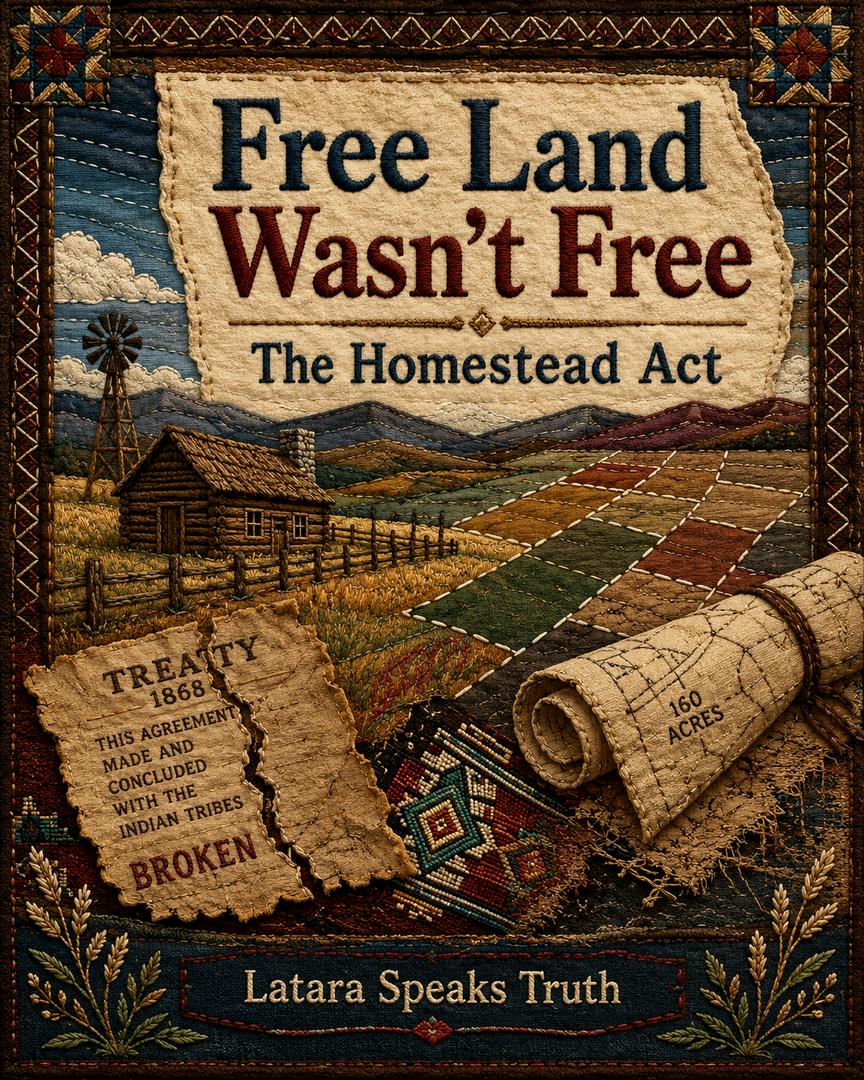
A Ban That Changed Nothing: December 1, 1774

On December 1, 1774, the Continental Congress put a halt on the importation of enslaved Africans into the American colonies. It sounded like a step toward freedom. It was not. It was a political move hidden inside a boycott. The colonies wanted to pressure Great Britain. They wanted to punish the Crown. They wanted leverage. What they did not want was liberation for the people already living in chains. This action came from the First Continental Congress through something called the Continental Association. They agreed that after December 1, the colonies would stop importing enslaved people. It was wrapped inside a larger effort to cut off British goods. It looked bold from the outside. It protected the institution of slavery on the inside. The ban stopped future ships. It did not change the reality of millions already enslaved. Families remained torn apart. Children remained property. The law never touched the suffering that existed in every corner of the colonies. This moment matters because it shows how early America tried to polish its image while refusing to confront the truth. It chose appearances instead of justice. It chose politics instead of humanity. It chose economic strategy instead of moral clarity. When we look back at December 1, 1774, we do not see a nation stepping toward freedom. We see a nation protecting the status quo while pretending to evolve. The ships stopped. The injustice stayed. The truth still matters. #LataraSpeaksTruth #BlackHistory #AmericanHistory #OnThisDay #CulturalMemory #LearnThePast #HistoryMatters #NewsBreak

A Ban That Changed Nothing: December 1, 1774
LataraSpeaksTruth

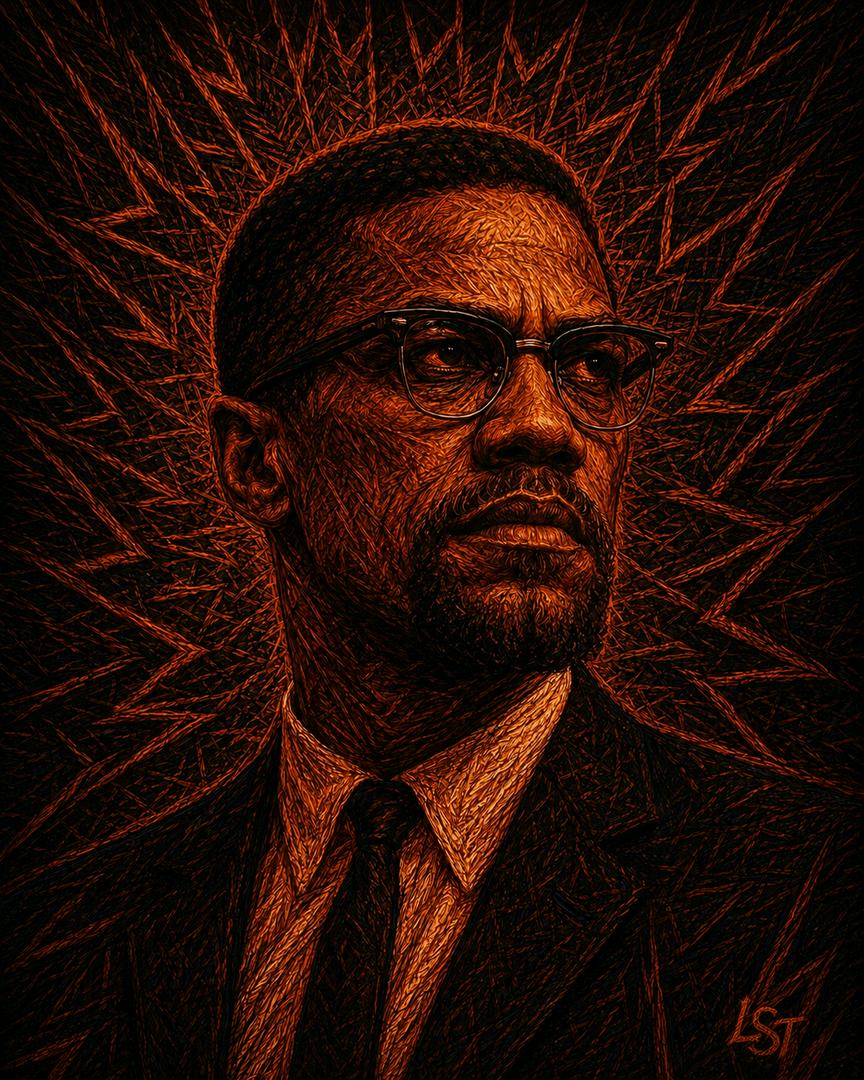
1969… Death of Fred Hampton in a Chicago Police Raid

On December 4, 1969, Fred Hampton, chairman of the Illinois chapter of the Black Panther Party, was killed during a police raid in Chicago. The operation was carried out by local officers with support from federal investigators. The raid took place in the early morning hours while most people in the apartment were asleep. Hampton was known for organizing community programs such as free breakfast initiatives and political education classes. His work focused on building coalitions across different groups in Chicago and addressing local needs through volunteer efforts and neighborhood outreach. Investigations later showed that information used in the raid came from an FBI informant who had been placed inside the organization. The details surrounding how the raid was planned and executed led to long discussions about surveillance, law enforcement practices, and government involvement in monitoring political groups during that period. The events of December 4 became a significant moment in the history of Chicago and the broader landscape of political activity in the late 1960s. Fred Hampton’s work and the circumstances of his death continue to be examined in historical reports and academic studies. #FredHampton #OnThisDay #AmericanHistory #ChicagoHistory #HistoryFacts #LSTCommunity #TodayInHistory

1969… Death of Fred Hampton in a Chicago Police Raid
LataraSpeaksTruth

Obba Babatundé Born on This Day in 1951

From Broadway stages to classic films, he built a career defined by range and longevity. On December 1, 1951, Obba Babatundé was born in Queens, New York. His path from a kid with talent to a nationally respected actor shows what happens when discipline and versatility work hand in hand. He began in local performances and quickly stood out as someone who could master any role placed in front of him. Audiences on Broadway watched him rise in the original production of Dreamgirls where he played C. C. White. The role earned him a Tony Award nomination and made it clear that he belonged in the ranks of top stage performers. His work reached well beyond the theater. Babatundé became a recognizable force in film and television, taking on roles that required both emotional depth and sharp comedic timing. One of his most memorable pop culture appearances came in the movie How High where he played Dean Cain, the stressed and uptight administrator shocked by the chaos unfolding around him. It was a small role but the impact was immediate. His delivery, presence, and comedic control added another layer to the film and showed how effortlessly he could shift from drama to humor. Babatundé built a career rooted in dedication, heritage, and range. His birthday marks the rise of a performer who continues to influence stages, screens, and generations of actors who follow after him. #ObbaBabatunde #OnThisDay #BlackHistory #EntertainmentHistory #Dreamgirls #HowHigh #FilmAndStage #ActingLegend #NewsBreakCommunity

Obba Babatundé Born on This Day in 1951
You've reached the end!