Tag Page NewsBreakCommunity

#NewsBreakCommunity
The Story Behind...

The Bible didn’t arrive as one finished book. It grew over thousands of years, starting with stories passed by mouth long before ink touched paper. Different cultures wrote down histories, laws, poems, warnings, and visions. Those writings were copied, translated, debated, and protected through wars, migrations, and destroyed kingdoms. Nothing about it was quick or simple. The earliest pieces came from ancient Israel, written on scrolls of animal skin. Later, followers of Jesus wrote letters and accounts of his life. Communities kept the writings they believed carried truth, and over time, a collection formed. It wasn’t until centuries later that scholars gathered, argued, compared texts, and agreed on what should be included. That’s how the Bible became one book. Before printing existed, every copy was written by hand. It took months. One mistake meant starting over. People risked their lives to hide copies from governments who tried to stop them. The Bible survived fires, bans, and entire empires collapsing. When the printing press arrived, everything changed. For the first time, ordinary people could read it instead of relying on leaders to explain it. That freedom shaped countries, cultures, and beliefs all over the world. The Bible we see today is a layered history of faith, suffering, hope, and human hands doing their best to preserve something sacred. Whether someone reads it for religion, history, wisdom, or curiosity, it carries the weight of thousands of years of people trying to understand life, death, and what it all means. #TheStoryBehind #BibleHistory #AncientTexts #HiddenHistory #LearnSomethingNew #NewsBreakCommunity #DidYouKnow


The Story Behind...

Whaling didn’t start as a brutal industry. Thousands of years ago, coastal communities survived on anything the ocean offered — including whales that washed ashore. Those early hunts were small, respectful, and rooted in survival, not profit. Everything changed in the 1600s and 1700s. As European and American ships expanded across the oceans, whales became “liquid gold.” Whale oil lit lamps, powered machinery, greased factories, and made nations rich. The bones were turned into tools, umbrellas, corsets, even furniture. A whole economy was built on the backs of the largest animals on Earth. But the work was violent. Sailors chased whales for hours, stabbed them with harpoons, and watched them bleed across the sea. Ships risked storms, freezing waters, and being dragged under by whales fighting for their lives. Thousands of men died doing it. By the 1800s, the demand was so great that entire whale populations collapsed. Species were pushed to the edge of extinction long before anyone cared about conservation. The turning point came when petroleum replaced whale oil and new laws began protecting marine life. What was once a booming industry became a symbol of human greed and carelessness. Today, most countries have banned commercial whaling, but a few still continue the old traditions under different names. The legacy of whaling is complex — part survival, part industry, part destruction. It shows how far humans will go to chase profit, and how quickly a giant of the sea can disappear when the world decides it’s “useful.” #TheStoryBehind #Whaling #HistoryFacts #OceanHistory #HiddenHistory #DidYouKnow #NewsBreakCommunity #LearnSomethingNew #WildlifeHistory

LataraSpeaksTruth

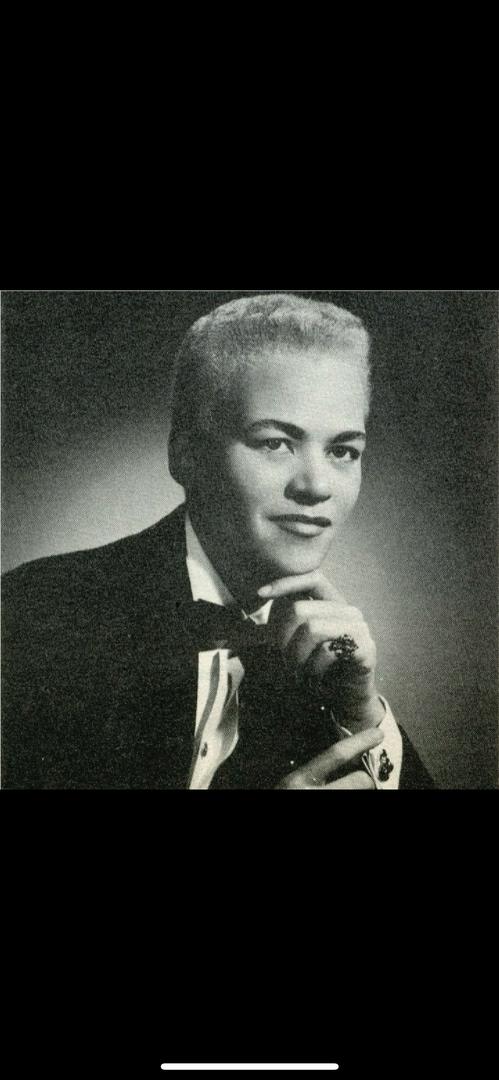
Stormé Delaverie: The Woman Who Sparked A Movement

Stormé DeLarverie didn’t wait for history to call her name. She was already out here protecting people long before anyone paid attention. Mixed-race in a world that wanted her small, she grew into a force that didn’t bend for anybody. She performed, she patrolled, she defended the folks nobody else cared about. That was her way of loving her community. And then came that night in 1969 when everything broke open. Witnesses say a butch woman in handcuffs fought back, took a hit, and turned to the crowd with a line that still echoes in our culture today, why don’t you guys do something. Whether people knew her name or not, they felt that spark. They moved. They pushed back. And the movement shifted. Stormé never chased the spotlight. She spent the rest of her life doing the same thing she’d always done, watching over people when the world turned cold. Protector, pioneer, quiet storm. Her legacy is a reminder that sometimes the person who changes everything isn’t the loudest, just the bravest. #StormeDeLarverie #QueerHistory #LGBTQHistory #UnsungHeroes #PrideLegacy #CommunityStories #HiddenHistory #HistoryMakers #DoSomething #NewsBreakCommunity

Stormé Delaverie: The Woman Who Sparked A MovementStormé Delaverie: The Woman Who Sparked A Movement
Andrew Goltz

The New Golden Rule: Before You Hit Send

This is a piggyback off my last post about the Golden Rule in prison. Lately, I’ve gotten a lot of hateful comments on my stories. I don’t write about what the president has done that I like — I could, but that’d just be writing to half the country. I write about the things that matter to me: criminal justice reform, addiction and recovery, and mental health awareness — all from personal experience. The hate usually starts when someone flings wild, unproven accusations at the president. I try to moderate my comments. I push back on things that aren’t or can’t be proven. I’m not for shutting people up — that’s wrong. But when I do that, the same people turn on me. The truth is, the left is pushing away people like me — people who might have listened, people who just want real solutions for the issues that matter most. So before you hit send, think about what you’re doing. Are you writing for others in your echo chamber, or are you trying to reach everyone? Andrew Goltz writes straight from experience — 22 years in the federal system taught him a lot about justice, redemption, and what real change takes. Now free, he’s using his voice to bridge the divide between politics and people. --- Hashtags #RealTalk #FreeSpeech #SecondChances #PrisonReform #AddictionRecovery #MentalHealthAwareness #JusticeSystem #TruthTeller #NewsBreakCommunity #ThinkBeforeYouPost

The New Golden Rule: Before You Hit Send
Andrew Goltz

The Golden Rule — Convict Style

In prison, we live by a set of rules that go back so far nobody even knows who made them. You’ll hear guys say, “I didn’t make the rules, but we gotta follow them.” Out here, people talk about the Golden Rule — “Do unto others as you’d have them do unto you.” Inside, that rule still applies — but it’s got teeth. Everybody knows: snitches and sex offenders don’t last long. The penalty for either is final. But here’s what most people don’t know — if you falsely accuse someone of being one without proof (paperwork), then you wear that jacket. And your exit usually comes with a LifeFlight ride to the ER — if you’re lucky. So when you’re out here throwing wild accusations at politicians, public figures, or anyone else, remember — in the convict’s world, claims come with consequences. Better have the paperwork. Andrew Goltz writes raw, unfiltered stories about prison life, addiction recovery, and second chances. A reformed convict with firsthand experience in the federal system, he’s on a mission to expose the truth, break stigma, and change how people see those rebuilding after incarceration. #PrisonReform #ConvictStories #LifeAfterPrison #JusticeSystem #TruthTeller #RealTalk #SecondChances #ReentryMatters #RespectEarned #NewsBreakCommunity

The Golden Rule — Convict Style
LataraSpeaksTruth

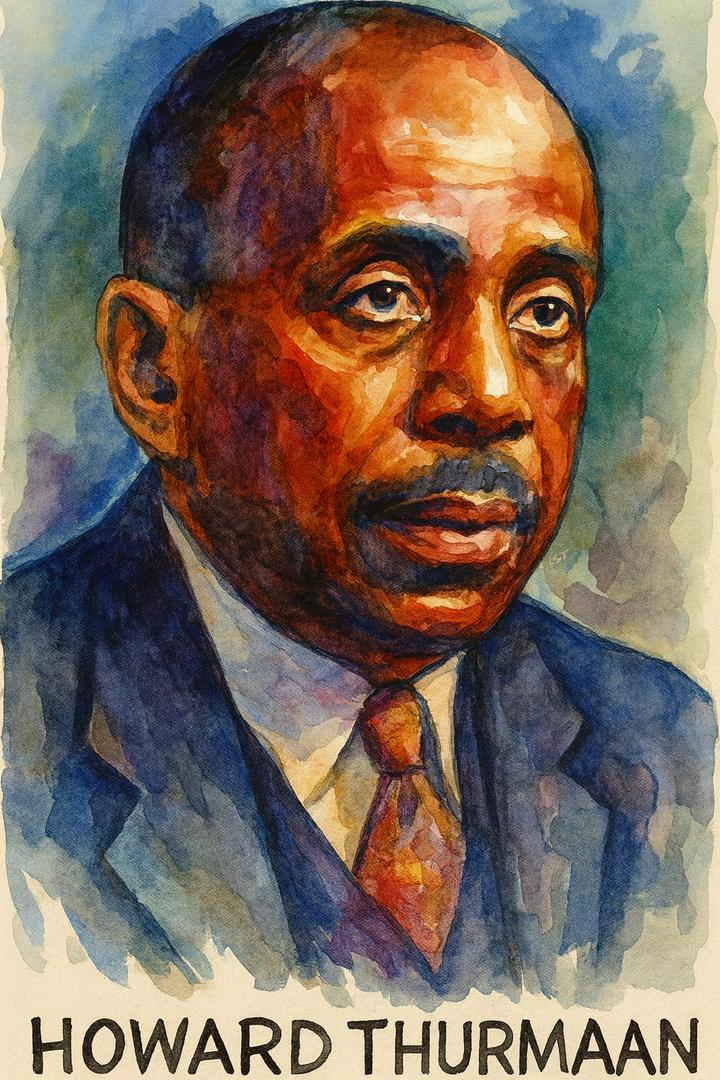
Howard Thurman, Born Around This Time In 1899, Became One Of The Quiet Architects Of A Movement

Howard Washington Thurman entered the world in late November of 1899 in Daytona Beach, Florida, during a time when Black spiritual leadership was still fighting for its full voice. He would grow into one of the most influential theologians of the twentieth century, guiding generations through a faith rooted in dignity, nonviolence, and moral clarity. Thurman later served as dean of Rankin Chapel at Howard University and Marsh Chapel at Boston University, using both spaces to shape conversations that reached far beyond religion. His writings on nonviolence became essential reading for young seminarians in the 1950s, including Martin Luther King Jr., who carried Thurman’s work into marches, pulpits, and national debates. Thurman rarely sought headlines, but his influence threaded through the movement like a steady hand. His life reminds us that the people who change history are not always the ones at the microphone. Sometimes they are the thinkers whose words steady the crowd. #HistoryMatters #OnThisDay #CulturalHistory #FaithHistory #CivilRightsLegacy #NewsBreakCommunity #LataraSpeaksTruthp

Howard Thurman, Born Around This Time In 1899, Became One Of The Quiet Architects Of A Movement
LataraSpeaksTruth

Lou Rawls: A Voice That Lifted Generations

Lou Rawls was born on December 1, 1933 in Chicago, a city known for shaping icons, and he grew into one of the defining voices of soul music. His smooth baritone carried emotion, clarity, and a kind of grounded skill that influenced listeners across multiple generations. He won Grammy recognition throughout his life, but his impact reached far beyond awards. Rawls became a major force for education, raising millions for historically Black colleges and universities through his annual telethons. That work created scholarship opportunities, supported students, and strengthened institutions that often struggled for fair funding. His birthday marks the beginning of a life filled with artistry, service, and generosity. Lou Rawls left behind a legacy built on music, community, and a steady commitment to lifting others. #LouRawls #SoulLegend #ChicagoHistory #MusicHistory #HBCULegacy #BlackMusicCulture #OnThisDay #NewsBreakCommunity

Lou Rawls: A Voice That Lifted Generations
LataraSpeaksTruth

Browder v. Gayle on November 13: The Case That Broke Bus Segregation but Revealed Deeper Fault Lines

On November 13, 1956, the United States Supreme Court upheld a federal ruling in Browder v. Gayle, a decision that struck down Alabama’s bus segregation laws and reshaped public transportation practices in Montgomery. The case was built on the earlier arrests of Aurelia Browder, Claudette Colvin, Susie McDonald, and Mary Louise Smith, four Black women whose experiences formed the legal foundation of the challenge months before Rosa Parks became widely recognized. Their involvement secured a critical breakthrough, but their stories were pushed to the margins for decades due to concerns about how the public would judge their age, backgrounds, or personal circumstances. Even after the legal victory, the reality on the ground was far more complicated. Some Black riders faced harassment from bus drivers, intimidation from segregationist groups, and increased police surveillance in their neighborhoods. Local officials delayed enforcement, and white citizens’ councils organized resistance campaigns meant to discourage further challenges to entrenched customs. Browder v. Gayle ended the legal mandate for separation on buses, yet the backlash made it clear that changing a law did not change the hostility aimed at those who demanded equal treatment. The decision shifted policy, but daily life revealed how long it would take for the community to feel the impact of that victory. #BlackHistory #OurStory #HiddenHistory #FullContext #OnThisDay #NewsBreakCommunity

Browder v. Gayle on November 13: The Case That Broke Bus Segregation but Revealed Deeper Fault Lines
LataraSpeaksTruth

REMEMBERING HELEN MARTIN

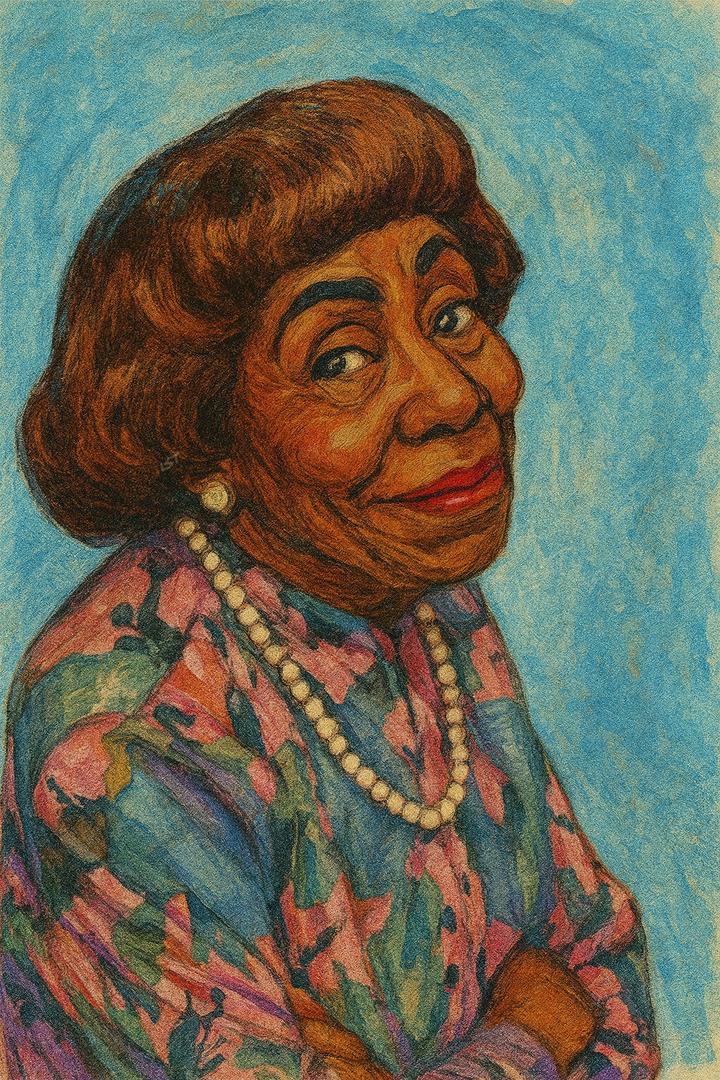
Helen Martin was born in 1909… before the Harlem Renaissance, before the Great Migration, and before Black entertainment truly existed. She lived through almost every major shift of the twentieth century and still showed up on our screens like she had energy to spare. Most of us know her as Ms. Pearl from 227, the neighbor with the unforgettable attitude. But her career stretched far beyond that. She appeared in Hollywood Shuffle, Boomerang, House Party 2, and Don’t Be a Menace, turning small roles into scenes people still laugh about today. Helen Martin worked well into her seventies and eighties, proving age never dimmed her talent. She passed in 2000 at ninety years old, leaving behind a legacy that reached across generations. Gone, but never forgotten. A legend whose life stretched across nearly a century. Remembering Helen Martin and the history she carried into every role. #HelenMartin #BlackEntertainmentHistory #227 #MsPearl #ClassicTV #IconicRoles #GoneButNotForgotten #NewsBreakCommunity #LataraSpeaksTruth

REMEMBERING HELEN MARTIN