Tag Page MkNews

#MkNews
plimoth

Angels are often seen as guardians, watching over us in our daily lives. Their presence is believed to provide comfort and guidance, especially during challenging times. Many people find solace in the idea that these celestial beings are always nearby, offering support and protection. Whether it's a moment of doubt or a time of joy, the thought of angels can bring a sense of peace, reminding us that we are never truly alone. This belief can inspire individuals to navigate their lives with a little more courage, knowing that there is a higher power looking out for them. In various cultures and traditions, angels are depicted in numerous ways, each carrying their own significance and symbolism. Some view them as messengers, delivering important insights or revelations, while others see them as protectors, shielding us from harm. The stories and experiences shared by those who feel they have encountered angelic beings often highlight a profound sense of love and reassurance. This connection to the divine can encourage people to cultivate a deeper sense of spirituality, fostering a belief that there is a greater purpose to our existence and that we are part of a larger,#ReconnectingWithSpirit interconnected universe. #SeekingAnswersInSpirituality #MkNews

plimoth

Forgiving You Doesn’t Mean I Have to Speak With You Forgiveness without reconciliation. Emotional healing. Setting boundaries. These are lessons many of us learn the hard way. For a long time, I believed that forgiving someone meant I had to let them back into my life. That true forgiveness required communication, access, and reopening doors that were painful to close. I’ve learned that isn’t true. Forgiveness Is Not the Same as Reconciliation Forgiveness is an internal process. Reconciliation is a mutual one. You can forgive someone without speaking to them. You can forgive someone without explaining yourself. You can forgive someone and still decide they no longer deserve access to your life. Forgiveness is something you do for your peace, not for their comfort. Why Setting Boundaries Is Part of Healing Choosing not to speak to someone isn’t holding a grudge—it’s practicing self-respect. Some relationships cause repeated emotional harm through betrayal, manipulation, or disrespect. Forgiving those experiences doesn’t mean allowing them to continue. Healthy boundaries say: I release the anger. I accept what happened. I protect my peace moving forward. That is not bitterness. That is growth. You Don’t Owe Anyone Access You do not owe conversations that reopen wounds. You do not owe explanations to people who ignored your pain. You do not owe reconciliation to prove you’ve healed. Forgiveness doesn’t erase the past—it releases its control over your present. Sometimes silence is not punishment. It’s closure. Healing Doesn’t Always Look Like Reconnection Many people confuse forgiveness with forgetting. But remembering what hurt you is how you avoid repeating it. Forgiving you doesn’t mean I trust you again. Forgiving you doesn’t mean I invite you back. Forgiving you means I’ve chosen peace over resentment. #ForgivenessHeals #ForgiveToHeal #MkNews

plimoth

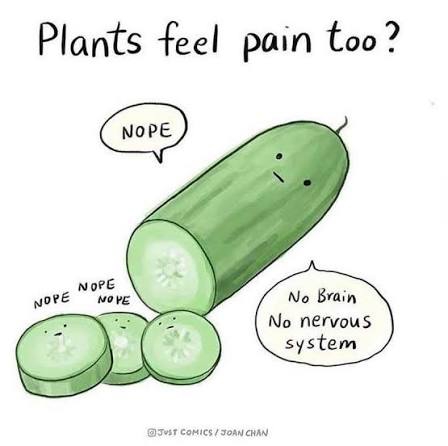
The question of whether plants can experience pain has garnered significant attention

While plants lack a nervous system and a brain, which are typically associated with the perception of pain in animals, research has revealed that they possess complex signaling mechanisms that allow them to respond to environmental stimuli. For instance, when plants are subjected to stressors such as herbivory or physical damage, they can release volatile organic compounds and other chemical signals that not only serve to warn neighboring plants but also attract predators of the herbivores. This suggests a level of awareness and responsiveness to their surroundings, although it does not equate to the conscious experience of pain as understood in animals. Moreover, studies have shown that plants can exhibit behaviors that resemble a form of communication and defense, further complicating the notion of pain perception. For example, certain species can alter their growth patterns or produce defensive compounds in response to specific threats. These adaptive responses indicate a sophisticated level of interaction with their environment, raising questions about the nature of sentience in non-animal organisms. However, the absence of a central nervous system means that any form of "pain" experienced by plants is fundamentally different from that of animals. Thus, while there is compelling evidence that plants can sense and react to harm, the interpretation of these responses as pain remains a topic of ongoing debate within the scientific community. #PlantJoy #MkNews

The question of whether plants can experience pain has garnered significant attention
plimoth

The Conjuring: The Last Rites

delves into the chilling world of supernatural horror, where the boundaries between the living and the dead blur ominously. This installment follows the renowned paranormal investigators Ed and Lorraine Warren as they confront a particularly sinister case involving a family plagued by malevolent forces. The narrative unfolds with a gripping atmosphere, filled with suspense and unexpected twists, as the Warrens uncover dark secrets tied to the haunting. The film not only explores the terrifying events that unfold but also delves into the emotional struggles of the characters, highlighting themes of faith, love, and the battle against evil. As the Warrens race against time to save the tormented family, viewers are taken on a rollercoaster of fear and tension, making it a compelling addition to the Conjuring universe. below is a blog post I did a while back about the true story https://mkmcst.mkmcst.net/Typeit/blog/2025/09/05/the-smurl-family-haunting-a-deep-dive-into-one-of-americas-most-infamous-paranormal-cases/ #ParanormalStories#HauntedAF #MkNews

The Conjuring: The Last Rites
plimoth

Caring for a sick plant requires a careful assessment

of its condition and the implementation of appropriate measures to revive it. Begin by examining the plant for signs of distress, such as yellowing leaves, wilting, or stunted growth. These symptoms can indicate various issues, including overwatering, underwatering, pest infestations, or nutrient deficiencies. Once you identify the problem, adjust your care routine accordingly. For instance, if the soil is overly saturated, allow it to dry out before watering again, ensuring that the pot has proper drainage. Conversely, if the soil is too dry, gradually increase the watering frequency while avoiding waterlogging. Additionally, consider the plant's light requirements; some plants thrive in bright, indirect light, while others prefer low-light conditions. In addition to adjusting watering and light exposure, it is essential to inspect the plant for pests or diseases. If you notice any insects, such as aphids or spider mites, treat the plant with insecticidal soap or neem oil to eliminate the infestation. For fungal issues, a fungicide may be necessary to prevent further damage. Furthermore, providing the right nutrients can significantly enhance the plant's recovery. Use a balanced fertilizer to replenish any deficiencies, but be cautious not to over-fertilize, as this can lead to additional stress. With consistent care and attention, many sick plants can be revived, allowing them to flourish once again. Remember, patience is key; recovery may take time, but with the right approach, your plant can be saved. #MkNews #PlantTips

Caring for a sick plant requires a careful assessment
You've reached the end!
Tag: MkNews | LocalAll