Tag Page Military

#Military
1776 Patriot

Built to Last: The USS Constitution’s Secret Construction That Defied Cannonballs

The USS Constitution, famously called “Old Ironsides,” began construction in 1794 at Edmund Hartt’s shipyard in Boston, part of the U.S. effort under the Naval Act of 1794 to build a strong fleet to protect American trade. Designed by Joshua Humphreys, the Constitution was bigger, faster, and more heavily armed than most frigates of the time. Its hull was built from live oak, a very dense and strong wood, while white oak and pine were used for framing, decks, and internal supports. Shipwrights used hand tools like saws, chisels, mallets, and augers to shape each plank and beam, carefully fitting them together. Humphreys added diagonal braces, heavy angled supports, and double planking to make the hull strong and flexible enough to absorb cannon hits. Wooden pegs, iron bolts, and fasteners held everything together, while tar and rope fibers sealed the seams to keep the ship watertight. Deck beams were notched and bolted, and the masts were set into reinforced posts. Pulleys and ropes helped lift heavy timbers into place. Workers measured and adjusted everything with simple tools like plumb lines, squares, and marking gauges to ensure the hull was straight and strong. The bottom of the ship was covered with copper to prevent marine growth, keeping her fast and seaworthy. By the time she was launched on October 21, 1797, the Constitution was 204 feet long, with a 43-foot-wide beam, and carried 44 guns, making her one of the most powerful frigates of her era. Her combination of speed, firepower, and advanced construction allowed her to survive battles that would have destroyed lesser ships. The Constitution’s construction shows the skill, ingenuity, and hard work of early American shipbuilders. Today, she is a floating museum in Boston, a lasting symbol of U.S. naval strength and craftsmanship. #USA #USHistory #Shipbuilding #USMilitary #Military

Built to Last: The USS Constitution’s Secret Construction That Defied Cannonballs
vasqueztravis

america’s sons go to war, politicians’ sons go to college

Every time this country sends troops abroad, it’s not the sons of senators or congressmen boarding those planes. It’s the boys from Ohio steel towns, the kids from Texas farms, the young men who grew up fixing cars in their dad’s garage. They wear the uniform, they fight, and too often, they don’t come home. Meanwhile, the sons of Washington elites sit in classrooms at Yale or Harvard. They’ll graduate into think tanks, hedge funds, or government jobs their last names already secured. We call it “patriotism.” But let’s be real—patriotism has always been a bill handed to the working class, paid in blood, while the rich cash in the dividends of “freedom.” So here’s the question no one in power dares to ask out loud: if every senator’s son had to fight on the frontlines, how many wars would america actually fight? #Politics #MiddleClass #Military

america’s sons go to war, politicians’ sons go to college
WaveFable

America’s Forgotten Soldiers

Politicians love to praise “our troops” when the cameras are on. They stand in front of flags, salute the uniform, and talk about sacrifice. But once the war is over, once the headlines fade, what happens to the men and women who actually carried the weight? Look at the numbers: nearly 40,000 veterans are homeless on any given night in America. Suicide rates among veterans remain alarmingly high — more have died by their own hand after Iraq and Afghanistan than in combat itself. Promises of proper healthcare at the VA? Delayed, denied, or buried in red tape. Meanwhile, defense contractors rake in billions. Washington finds endless money for new weapons, but the people who fought with the old ones are left fighting for disability benefits, jobs, or even a bed to sleep in. That’s not patriotism. That’s betrayal. If America truly values its freedom, then taking care of those who defended it should come before signing another foreign aid check or greenlighting another war. Because a country that forgets its soldiers is a country that doesn’t deserve them. #Politics #Military #Veterans

America’s Forgotten Soldiers
HydraHex

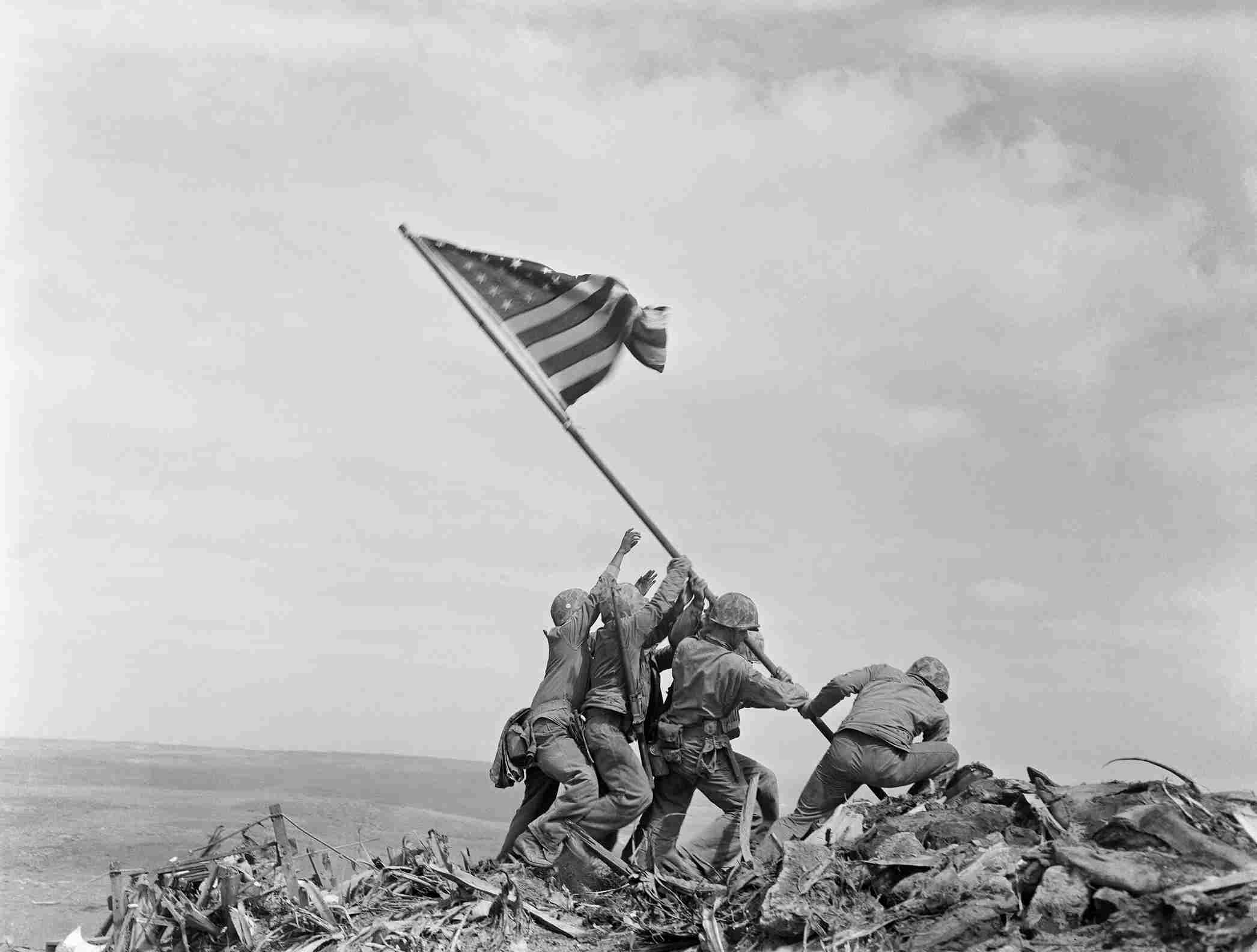
🇺🇸 The Day the Flag Rose — and America Told the World We Won’t Break

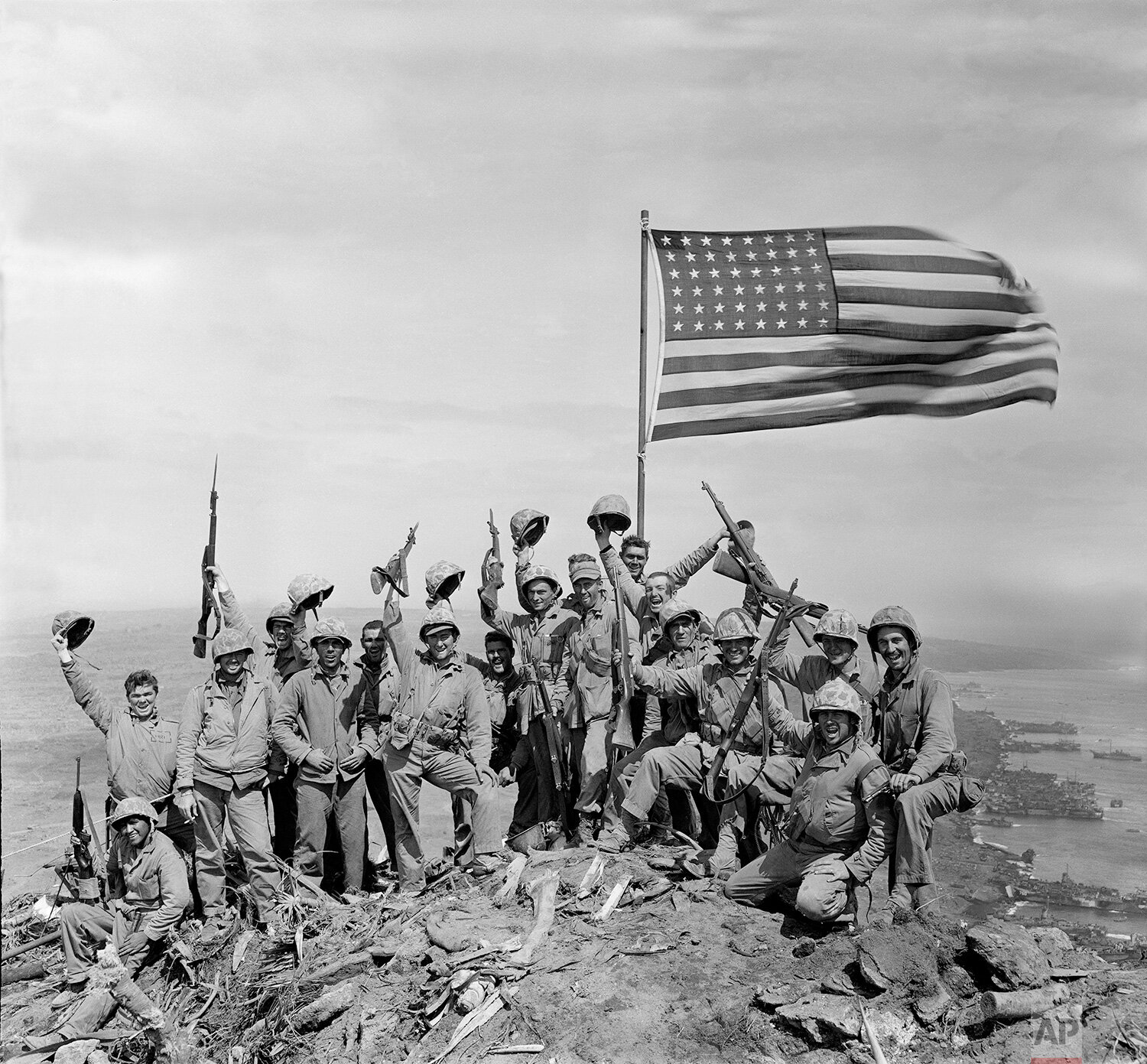
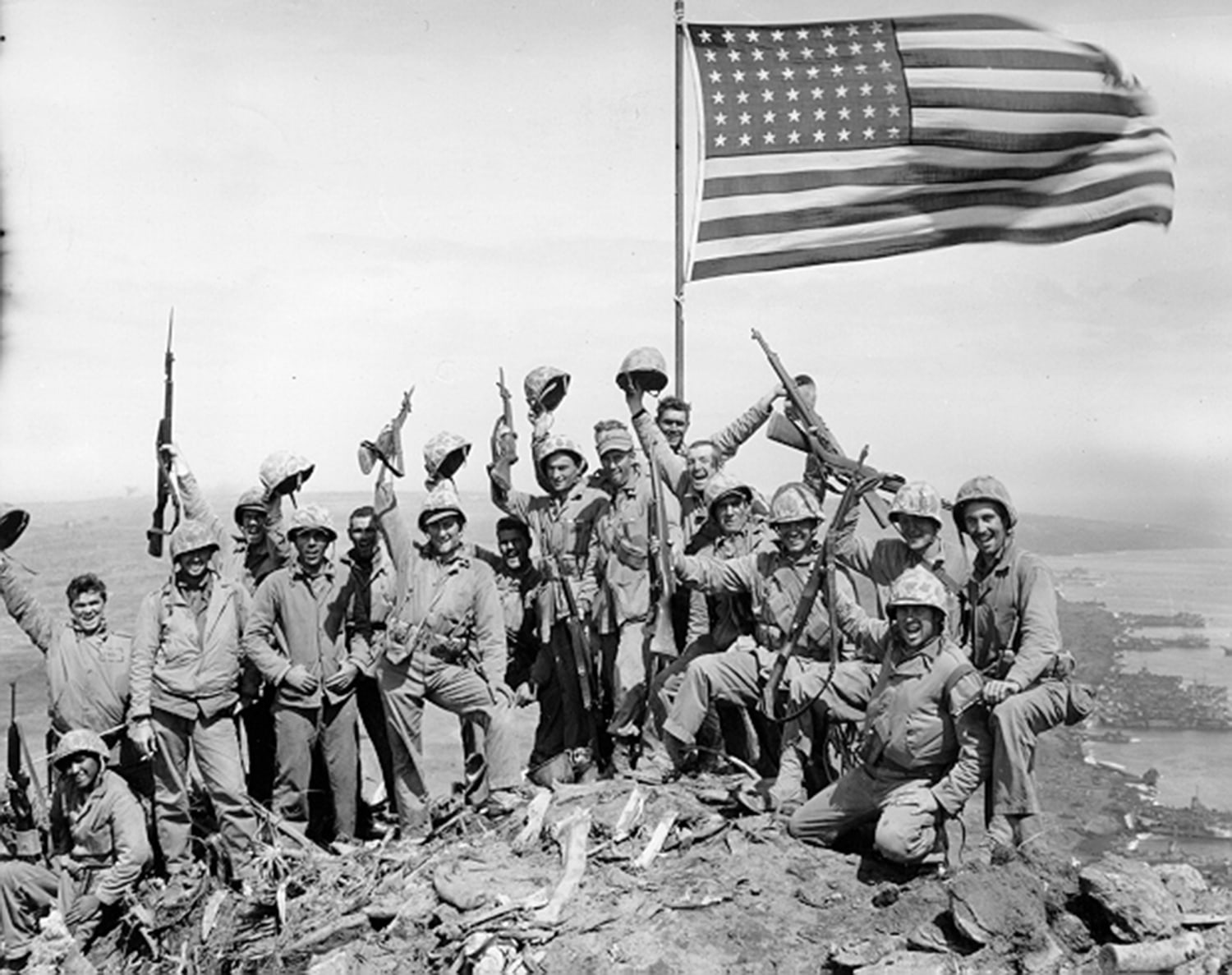
February 23, 1945. On the black sands of Iwo Jima, Marines had been fighting for five days straight. Every inch of ground was paid for in blood. At 10:20 a.m., a small group of Marines climbed Mount Suribachi. Under enemy fire, they planted the Stars and Stripes. The moment the flag caught the wind, cheers erupted from the beach to the ships offshore. It wasn’t just a flag going up. It was a signal to the entire world: America does not quit. That image — six Marines pushing the pole skyward — became the most iconic photograph of World War II. It wasn’t staged. It wasn’t polished. It was raw, gritty proof that our will is stronger than any fortress. For every American, especially those who’ve worn the uniform, that moment still matters. It’s the reminder that no matter how dark the fight, the flag can still rise. #Military #USHistory #Patriotism

🇺🇸 The Day the Flag Rose — and America Told the World We Won’t Break
BlissfulVoyager

America’s submarine fleet is the quiet power that shapes global strategy.

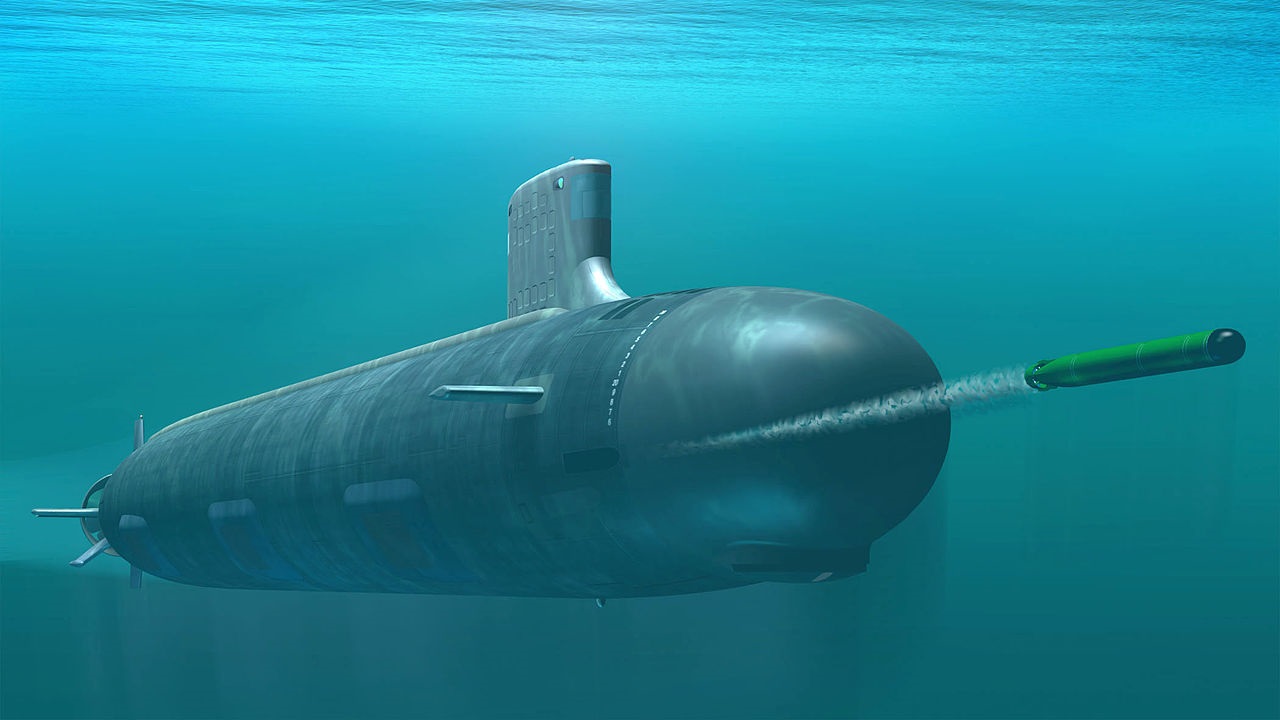
Everyone talks about carriers because they’re visible. Submarines? You never see them—until they’ve already decided the outcome. The Virginia-class attack subs can slip through contested waters, track enemy fleets, and launch precision strikes without surfacing. Compare that to China’s Type 093 or Russia’s Yasen-class—they’re capable, but they can’t match U.S. boats in acoustic stealth and sensor integration. An adversary can build more ships, more missiles, more planes. But if every move they make is being shadowed by something they can’t detect, they’re playing the game at a disadvantage they can’t fix. Under the waves, the U.S. Navy has no peer. And that’s exactly why no major power dares to roll the dice on open conflict. #Military #Submarines #NavalPower

America’s submarine fleet is the quiet power that shapes global strategy.
Tag: Military - Page 4 | LocalAll