Tag Page MedicalBreakthrough

#MedicalBreakthrough
justme

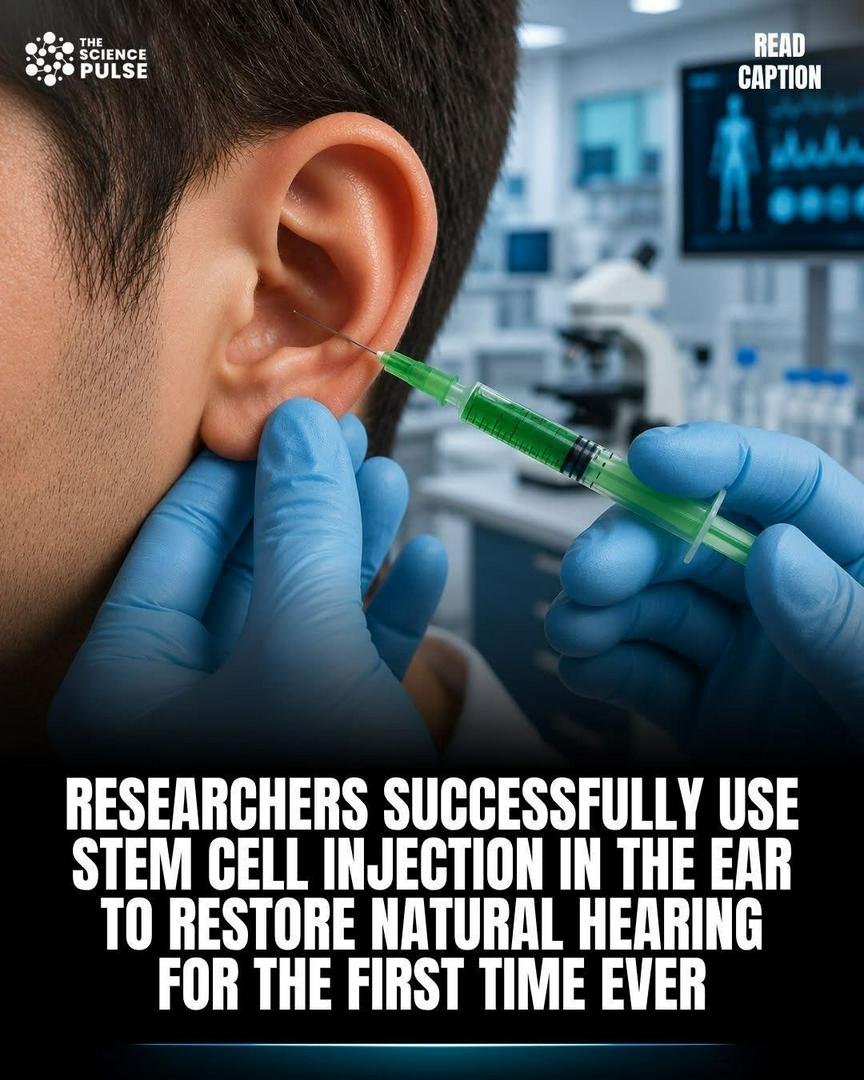
Scientists are reporting promising early-stage research where stem cell therapy was used to repair damage linked to hearing loss, marking a major step in regenerative hearing science. The approach focuses on restoring or regenerating specialized cells inside the inner ear that are responsible for detecting sound and sending signals to the brain. In hearing loss, these delicate sensory cells are often damaged by aging, infection, noise exposure, or genetic conditions. Once lost, they do not naturally regenerate in humans, which is why hearing impairment is usually permanent. In recent experimental research, scientists introduced stem cells into the ear with the goal of supporting cellular repair and encouraging regeneration of damaged auditory structures. Early results suggest improved biological activity in the targeted regions, raising hope that future therapies may help restore partial or full hearing function. #Thesciencepulse #hearingloss #stemcells #medicalbreakthrough #neuroscience

justme

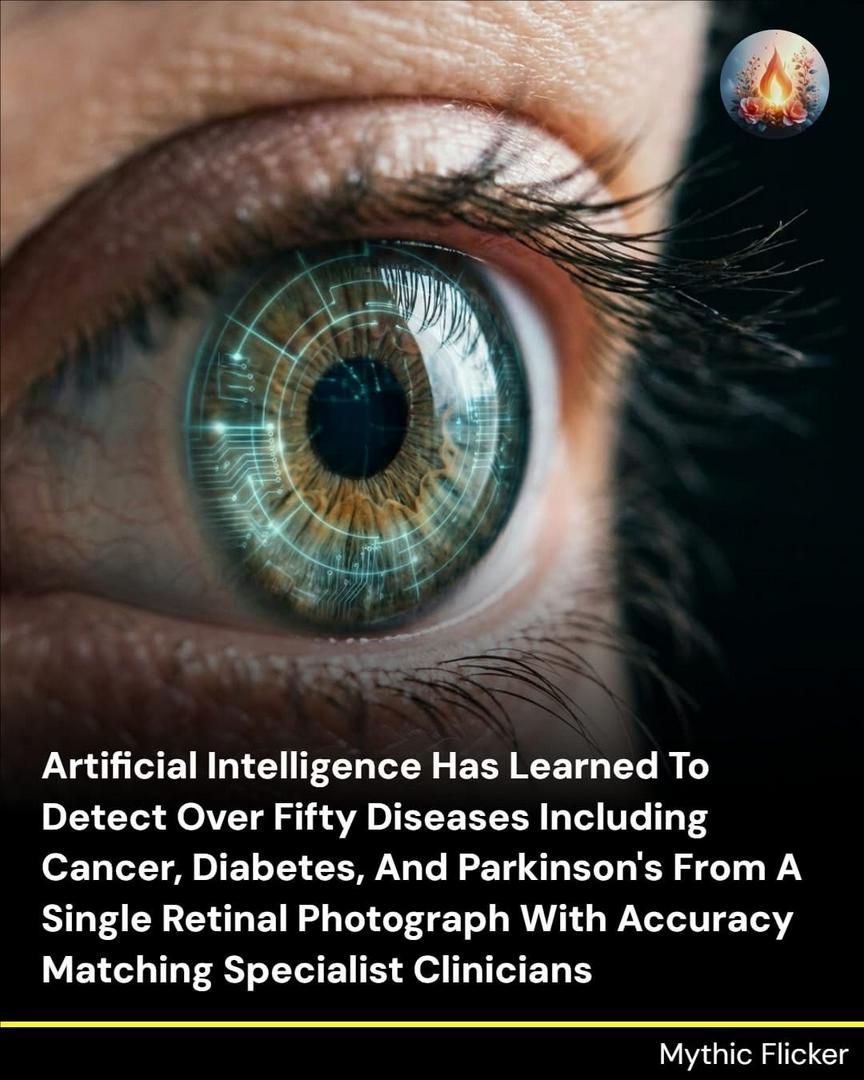
The eye is the only place in the human body where blood vessels and neural tissue are directly visible without surgery — and AI is transforming what that window can reveal. The retina shares embryological origins with the brain and is supplied by the same vascular network that feeds the heart, kidneys, and systemic circulation. Structural and vascular changes in the retina reflect the state of these systems with remarkable fidelity, and deep learning models trained on millions of annotated retinal images have learned to read these signals with a breadth that goes far beyond what ophthalmology traditionally used retinal imaging for. Google DeepMind's retinal AI platform has demonstrated the ability to detect early-stage diabetic changes, anaemia, cardiovascular risk markers, signs of Parkinson's-related neural changes, multiple sclerosis indicators, and over two dozen cancer-associated biomarkers — all from a standard non-invasive retinal photograph taken in under a minute. In validation studies, the system matched or exceeded specialist accuracy across the majority of these conditions and, critically, identified findings that the attending clinician had not flagged. The practical reach of this technology is substantial in settings where specialist access is limited. A single retinal camera operated by a non-specialist in a primary care or community setting could provide a broad multi-disease screening signal that currently requires referrals to multiple specialist disciplines. Regulatory review is underway in several countries for the first approved clinical applications. #newscience #AIhealth #medicalbreakthrough #diagnostics #healthtech

justme

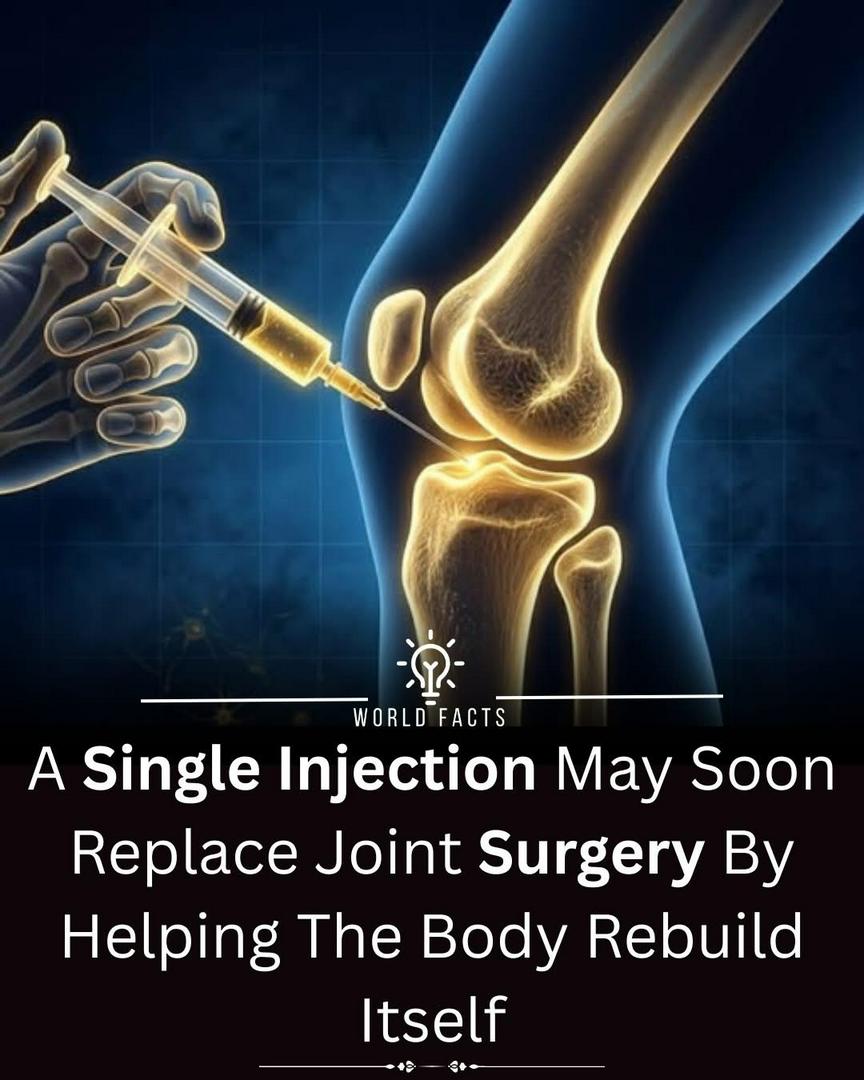
A new wave of medical research is exploring treatments that could one day allow a single injection to help repair damaged joints, potentially reducing the need for major surgery. Scientists are focusing on regenerative approaches that work with the body’s natural healing processes. These methods may involve stem cells, growth factors, and advanced biomaterials designed to rebuild cartilage, reduce inflammation, and improve joint function over time. This research is especially relevant for conditions like Osteoarthritis, where joint damage leads to chronic pain, stiffness, and reduced mobility. Instead of replacing joints, the goal is to encourage the body to repair damaged tissue from within. Early studies and clinical trials have shown encouraging results, with some patients reporting reduced pain and improved movement. However, researchers emphasize that these therapies are still in development and are not yet a replacement for standard joint replacement surgery in most cases. Ongoing studies are also examining safety, long-term effectiveness, and how outcomes may vary depending on age, overall health, and the severity of joint damage. If successful, these approaches could make treatment less invasive, speed up recovery, and significantly improve quality of life—offering a promising direction for future regenerative medicine. #RegenerativeMedicine #StemCellResearch #JointHealth #Osteoarthritis #MedicalResearch #HealthcareInnovation #CartilageRepair #PainManagement #Orthopedics #FutureMedicine #ClinicalTrials #Biotechnology #HealthScience #MedicalBreakthrough #MobilityHealth

justme

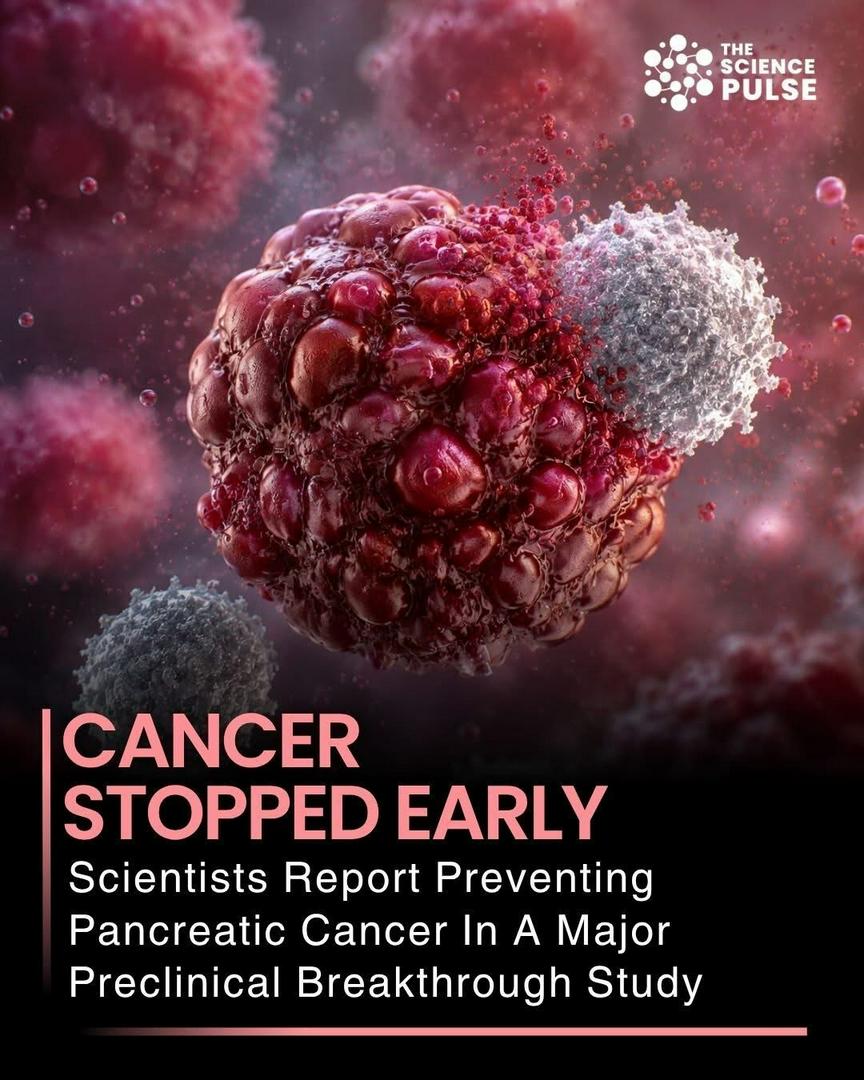
Scientists may have opened a powerful new door in the fight against pancreatic cancer, one of the most aggressive and difficult cancers to detect early. In a landmark preclinical study, researchers tested a strategy designed to target precancerous pancreatic cells before they could turn into full tumors. The study was done in mice, and the results were striking. When the experimental therapy was used early, before cancer fully developed, survival nearly doubled compared with using the same treatment after tumors had already appeared. That matters because pancreatic cancer is often found late, when it has already spread and treatment becomes much harder. Instead of waiting for cancer to become visible, this approach focuses on cancer interception, meaning stopping dangerous cells at the earliest possible stage. This is not a cure for humans yet. It still needs more research, safety testing, and clinical trials before doctors know whether it can help real patients. But the idea is exciting because it shifts the battle from treating advanced cancer to preventing tumors from forming in the first place. #TheSciencePulse #fblifestyle #pancreaticcancer #medicalbreakthrough

justme

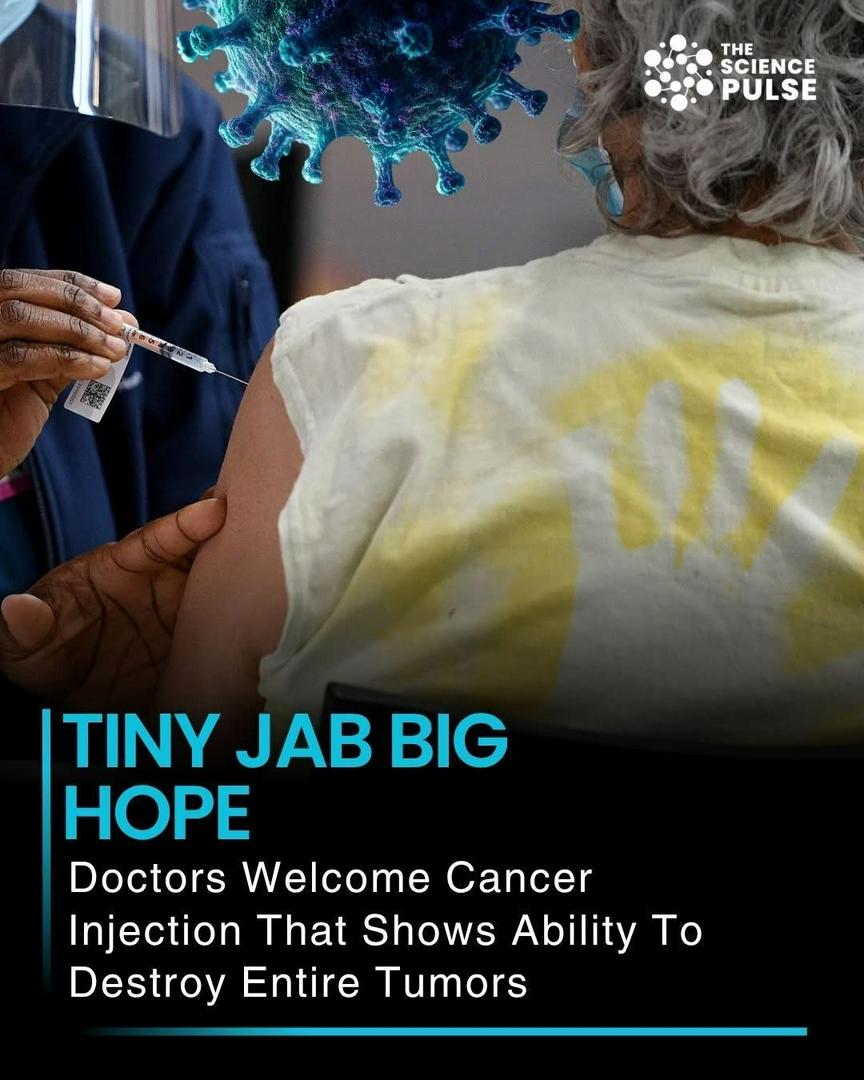
A new cancer injection is making global headlines after doctors reported powerful results in patients with advanced head and neck cancer that had returned or spread after standard treatments stopped working. The treatment is called amivantamab. In an international trial, 102 patients received the jab once every 3 weeks. Tumors shrank or disappeared in 43 patients, and in 15 patients, doctors reported that the tumors were completely eradicated. What makes this breakthrough so exciting is the way the dr8g works. It blocks EGFR and MET, 2 signals cancer cells can use to grow and resist treatment. At the same time, it helps the immune system recognize and attack the tumor more effectively. This is not a universal cure, and researchers are still studying who benefits most. But for people with treatment resistant cancer and limited options, these results are being called unusually strong and deeply hopeful. The injection may also be easier for patients than long intravenous treatments, because it is given under the skin in a quicker outpatient process. #TheSciencePulse #fblifestyle #cancerresearch #medicalbreakthrough

justme

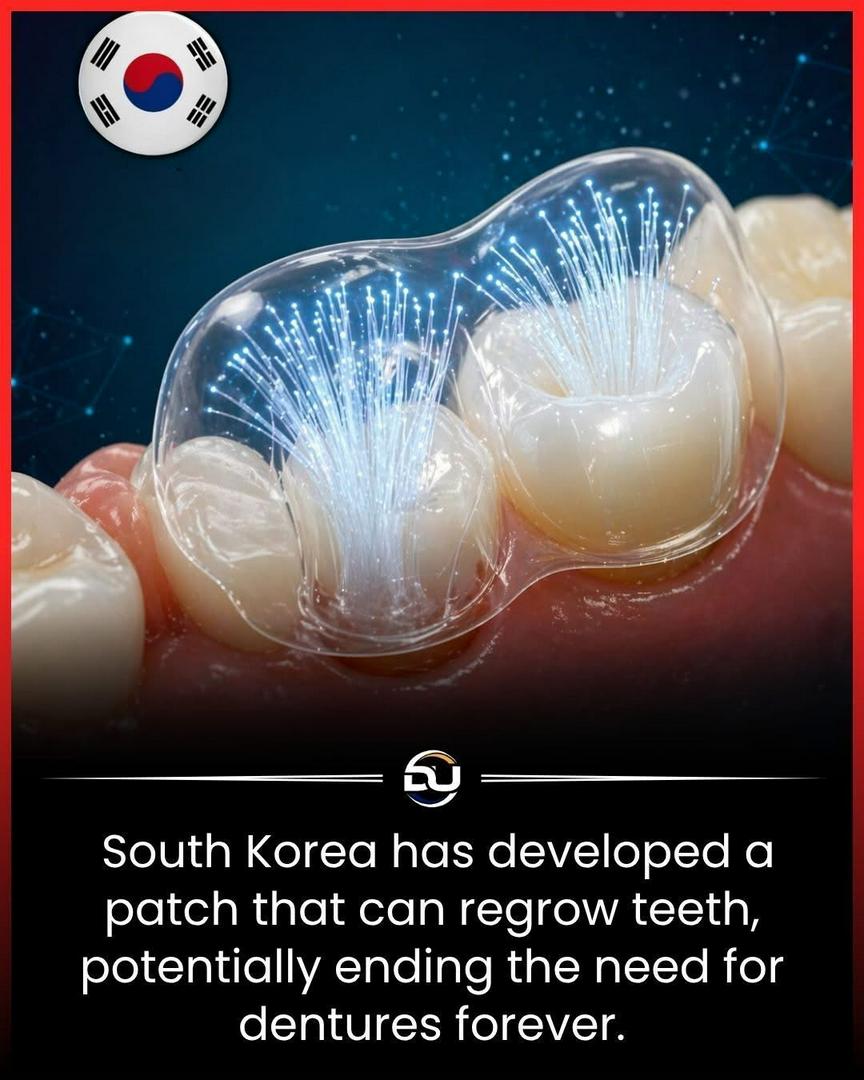
A tiny patch could end dentures forever South Korean scientists have unveiled a revolutionary dental breakthrough: a patch that can regrow teeth naturally, potentially ending the need for dentures forever. Unlike traditional dental prosthetics, which replace missing teeth but never restore natural sensation or growth, this innovative patch encourages your own teeth to regenerate directly in your gums. The patch works using advanced bioactive compounds that stimulate stem cells in the jaw. When applied to areas with missing teeth, it signals the body to grow new tooth structures, including enamel and dentin. Over time, patients could see fully functional teeth emerge, complete with natural strength and sensation. No surgery, no implants, and no artificial materials are required. Traditional solutions like dentures or implants restore appearance and chewing ability but cannot replicate the sensory feedback or biological function of real teeth. This patch changes everything. Imagine biting into a hot slice of pizza or feeling the texture of fresh fruit with completely natural teeth, even if you lost them years ago. Beyond convenience, the implications for oral health are massive. Regrown teeth reduce the risk of gum disease, improve nutrition by restoring proper chewing, and eliminate the discomfort and maintenance challenges of dentures. It’s a leap forward in regenerative medicine that combines biology, technology, and dental science in a simple, non-invasive form. While clinical trials are ongoing, the potential is undeniable. If widely available, this technology could transform dentistry, giving people back their natural smiles and function without relying on artificial replacements. The dream of regrowing teeth is no longer science fiction—it’s becoming reality. #DiscoverTheUniverse #Discover #DentalInnovation #MedicalBreakthrough #fblifestyle

justme

Scientists have made a breakthrough in Alzheimer’s research by using focused sound waves—specifically low-intensity ultrasound—to break down toxic brain plaques linked to memory loss. These plaques, mainly composed of beta-amyloid proteins, disrupt communication between neurons and are a core hallmark of Alzheimer’s disease. The technique works by temporarily opening the blood-brain barrier using precisely targeted sound waves. This allows the brain’s natural immune system to clear plaque buildup more effectively, without the need for invasive surgery or high-dose drugs. Early clinical trials have shown improved memory recall and cognitive function in some patients. Unlike traditional treatments that slow symptoms, this method targets the physical cause of degeneration. Researchers emphasize that the treatment is non-invasive and can be repeated safely under controlled conditions. If results continue to scale, sound-based therapy could redefine how neurodegenerative diseases are treated—raising hope that memory loss may no longer be irreversible. #AlzheimersResearch #MedicalBreakthrough #BrainScience #UltrasoundTherapy #FutureMedicine

justme

In a groundbreaking medical breakthrough, doctors have successfully restored a patient’s sight using the world’s first 3D printed cornea. This innovative procedure involved creating a cornea layer by layer using biocompatible materials, perfectly tailored to the patient’s eye. The 3D printed cornea integrates seamlessly with natural tissue, allowing light to pass through and vision to be restored. The technology represents a major leap in ophthalmology, offering hope to millions suffering from corneal blindness worldwide. Traditional cornea transplants often face shortages of donor tissue, rejection risks, and long waiting lists. 3D printing provides a customizable, scalable solution that could revolutionize treatment and make sight restoration more accessible. Experts emphasise that while this is the first successful case, ongoing research and clinical trials are essential to ensure long-term safety and effectiveness. This achievement highlights the power of combining medical science and cutting-edge technology to solve complex health challenges. For the first time, patients who were previously untreatable now have a path to seeing the world clearly again. #TheSciencePulse #fblifestyle #MedicalBreakthrough #VisionRestored

justme

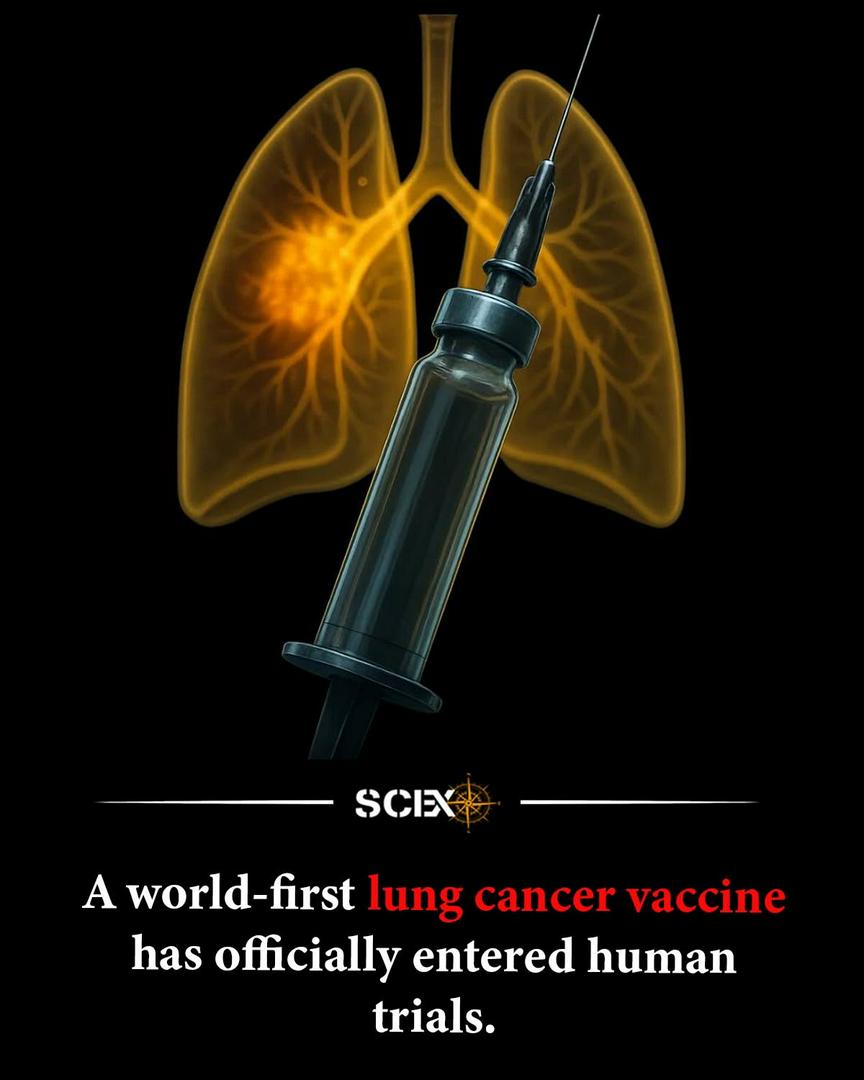
A major milestone in cancer research has just been reached. For the first time, a lung cancer vaccine has entered human clinical trials, marking a new chapter in how the disease could be treated in the future. The experimental vaccine, BNT116, has been developed by BioNTech, the biotechnology firm widely known for its role in creating an mRNA COVID-19 vaccine. This time, the mRNA technology is being used to tackle non-small cell lung cancer (NSCLC) — the most common and deadliest form of lung cancer worldwide. Instead of attacking tumors with traditional chemotherapy or radiation, BNT116 works by training the immune system to recognize cancer-specific markers. The goal is not only to destroy existing cancer cells but also to prevent the disease from returning, something that remains a major challenge for lung cancer patients today. The phase 1 trial is now underway at 34 research centers across seven countries, including the UK, the United States, and Germany. While early-stage trials focus primarily on safety, researchers are hopeful that this approach could eventually transform lung cancer into a condition that is easier to control — or even prevent from coming back. If successful, this vaccine could represent a shift toward personalized, immune-based cancer treatments, offering new hope to thousands of patients worldwide. Source: BioNTech / Clinical trial announcements #LungCancer #CancerVaccine #mRNA #MedicalBreakthrough #CancerResearch #ClinicalTrials #Biotech #FutureOfMedicine #ScienceExplorist #fblifestyle

justme

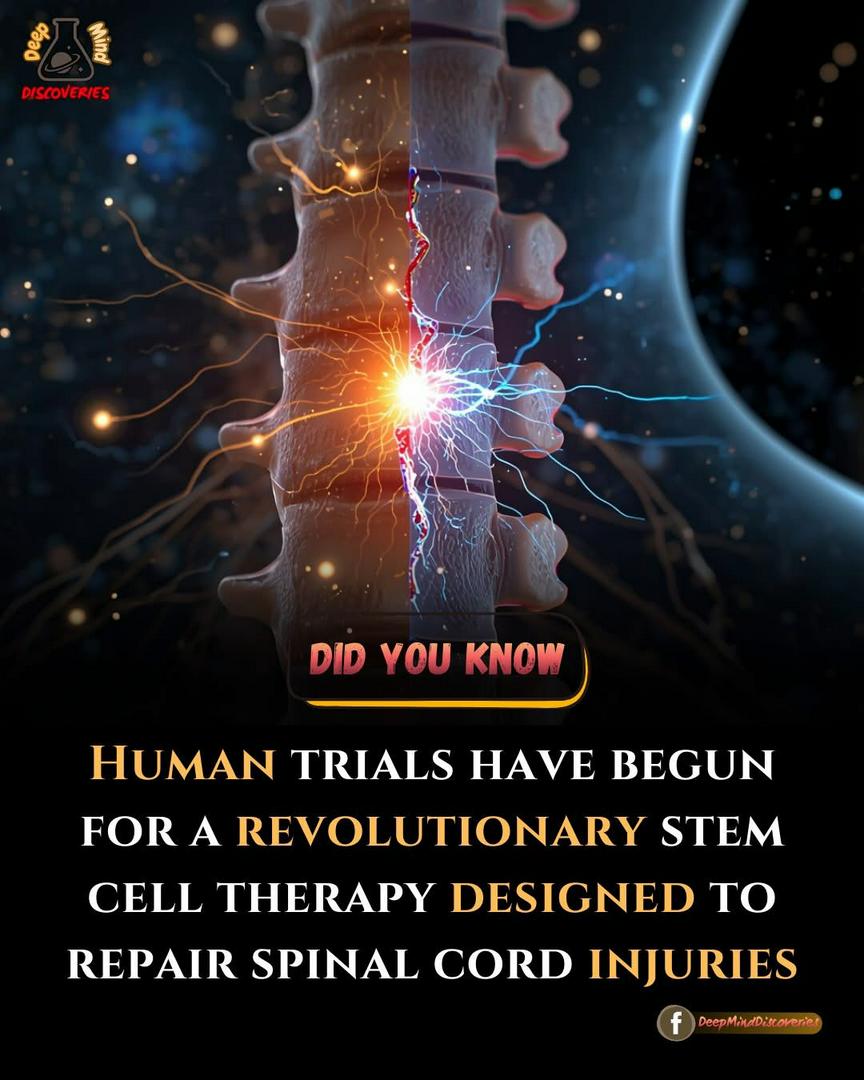
The End of Irreversible: Reversing Spinal Cord Paralysis. 🧬🚶‍♂️✨ A historic milestone in medical science has arrived. For the first time, human trials are underway for a cell therapy that aims to do the "impossible"—repair the human spinal cord and restore movement to those with paralysis. The Regenerative Breakthrough: 🔬 Stem Cell Scaffolding: Scientists are using specialized stem cells to act as a biological "bridge," repairing shattered nerve tissue and reconnecting the brain to the body. ⚡ Restoring the Signal: Unlike current treatments that only manage pain, this therapy works to replace damaged neurons, potentially allowing electrical signals to flow through the spine once again. 🌍 A Global Shift: For millions living with spinal cord injuries, the medical narrative is changing from "learning to adapt" to "learning to walk again." The Path Forward: Beyond Management: This represents a shift from reactive care to regenerative cure, targeting the root cause of paralysis. Hope into Reality: While these are early human trials, the successful preclinical results have paved the way for a new era of independence and mobility. Redefining Recovery: We are witnessing the first steps toward a future where "permanent" spinal damage is a thing of the past. We are not just witnessing a medical trial; we are witnessing the birth of a new era for humanity. 🌍🙌 #MedicalBreakthrough #SpinalCordInjury #StemCellResearch #RegenerativeMedicine #FutureOfScience #HealthInnovation #ParalysisRecovery #ScienceNews #Hope