DidYouKnow+FollowThe Bible never says Eve ate an apple. Almost everyone remembers an apple. Paintings. Children’s books. Sunday school walls. But the Bible never names the fruit. Genesis simply says “fruit from the tree.” No apple. No description. That matters, because we turned a story about disobedience and trust into a story about a specific object. By naming the fruit, we made the mistake feel smaller. Almost harmless. Almost childish. But Scripture keeps it unnamed on purpose. The problem was never the fruit. It was the choice to take what was not given. If you’ve spent years fixating on the surface detail, you’re not alone. We remembered the picture. Not the point. #BibleMisconceptions #MandelaEffect #Genesis #BiblicalTruth #DidYouKnow6034Share
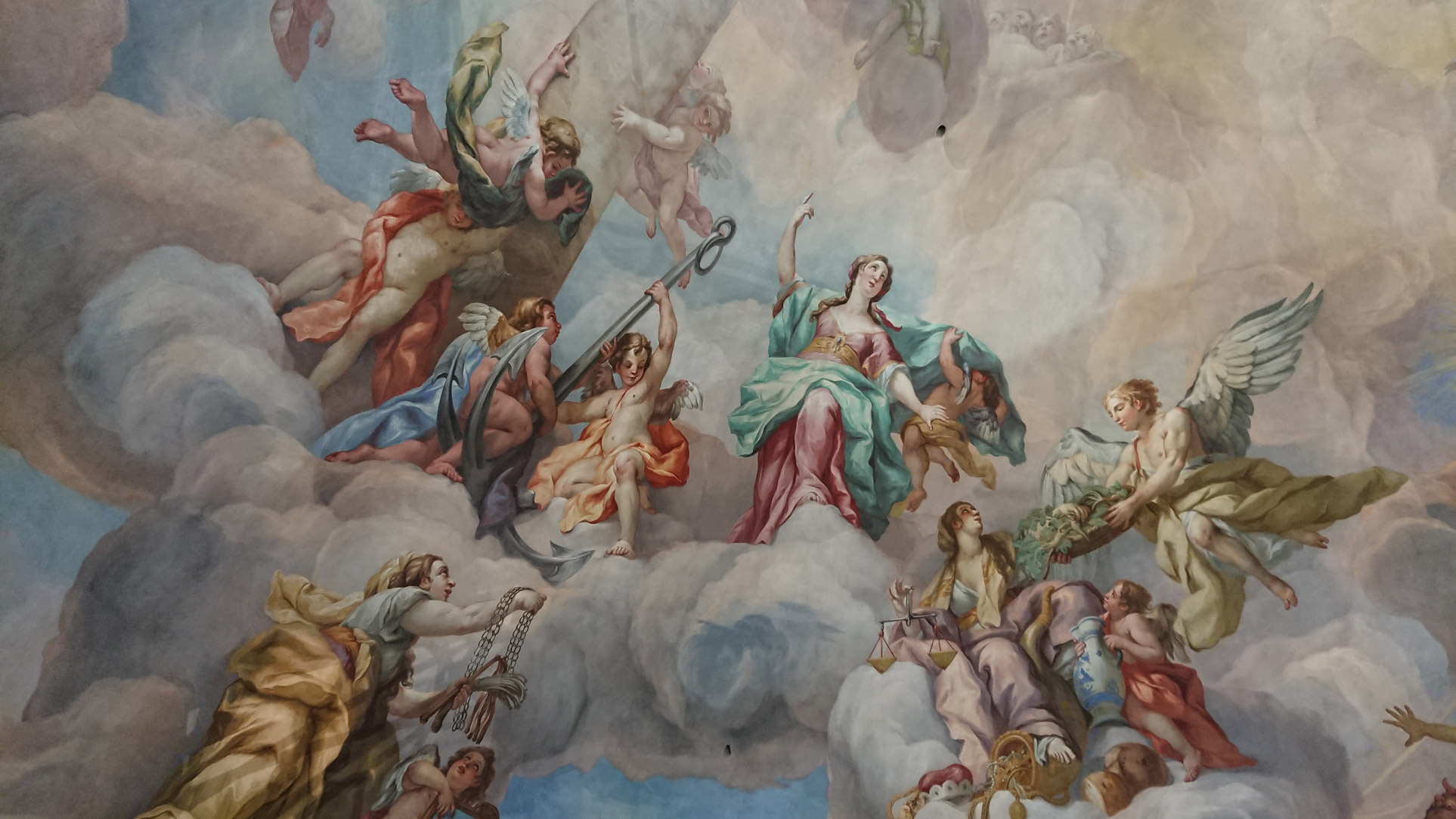
DidYouKnow+FollowThe Bible never says angels have wings like that. Most people picture angels with large white wings. That image feels biblical. But most angels in Scripture appear as ordinary men. No wings. No glow. No warning. Winged beings do appear—but they are cherubim and seraphim, not the messengers most people imagine. That matters, because we turned angels into symbols of comfort, when the Bible often describes fear as the first reaction. “Do not be afraid” is said for a reason. If divine encounters in Scripture feel unsettling rather than gentle, that does not mean something is wrong. It means we remembered the artwork, not the text. #BibleMisconceptions #MandelaEffect #AngelsInTheBible #BiblicalTruth #DidYouKnow6317Share
DidYouKnow+Follow“God works in mysterious ways” is not in the Bible. This phrase is quoted constantly—especially when answers are missing. Most people assume it comes straight from Scripture. It does not. The Bible does say God’s ways are higher. But it never uses this sentence. That matters, because the phrase often shuts down pain. It ends conversations instead of opening them. Scripture does not use mystery as a dismissal. It uses it as an invitation to humility, not silence. Many older believers search this phrase when they feel unheard. When grief or confusion never resolved. The Bible does not tell them to stop asking. It records the questions. If you were told to accept mystery instead of being understood, that was not the Bible speaking. It was culture filling the silence. #BibleMisconceptions #MandelaEffect #FaithQuestions #ChristianReflection #DidYouKnow859Share
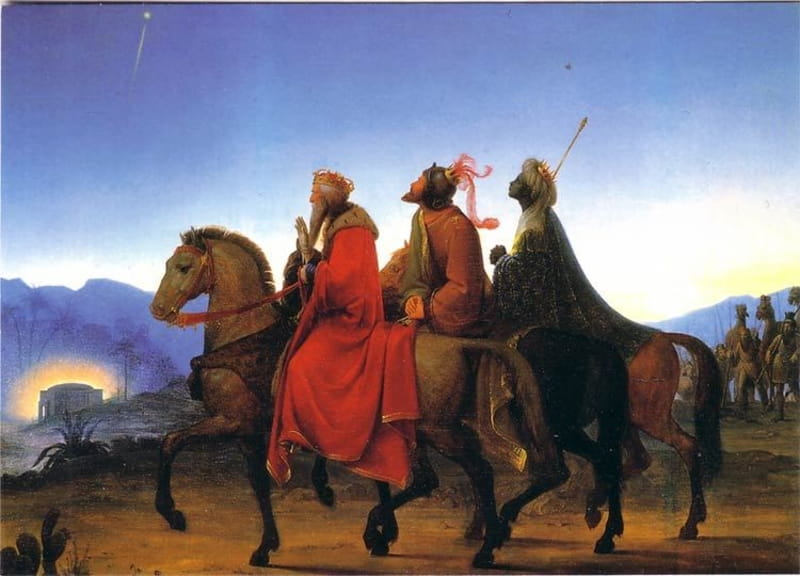
DidYouKnow+FollowThe Bible never says there were three wise men. Everyone remembers three. Three gifts. Three figures in every nativity set. But the Bible never gives a number. Matthew only mentions magi. No count. No names. No ages. The number three comes from the gifts, not the text. That matters, because we turned a mysterious group into a tidy scene. Predictable. Contained. Decorative. But Scripture leaves it open. Possibly many. Possibly few. Possibly politically risky visitors. The story was never meant to feel small. If your faith has felt less orderly than you expected, that does not mean something went wrong. It may mean you remembered a simplified version. #BibleMisconceptions #MandelaEffect #ChristmasStory #BiblicalContext #DidYouKnow8644Share
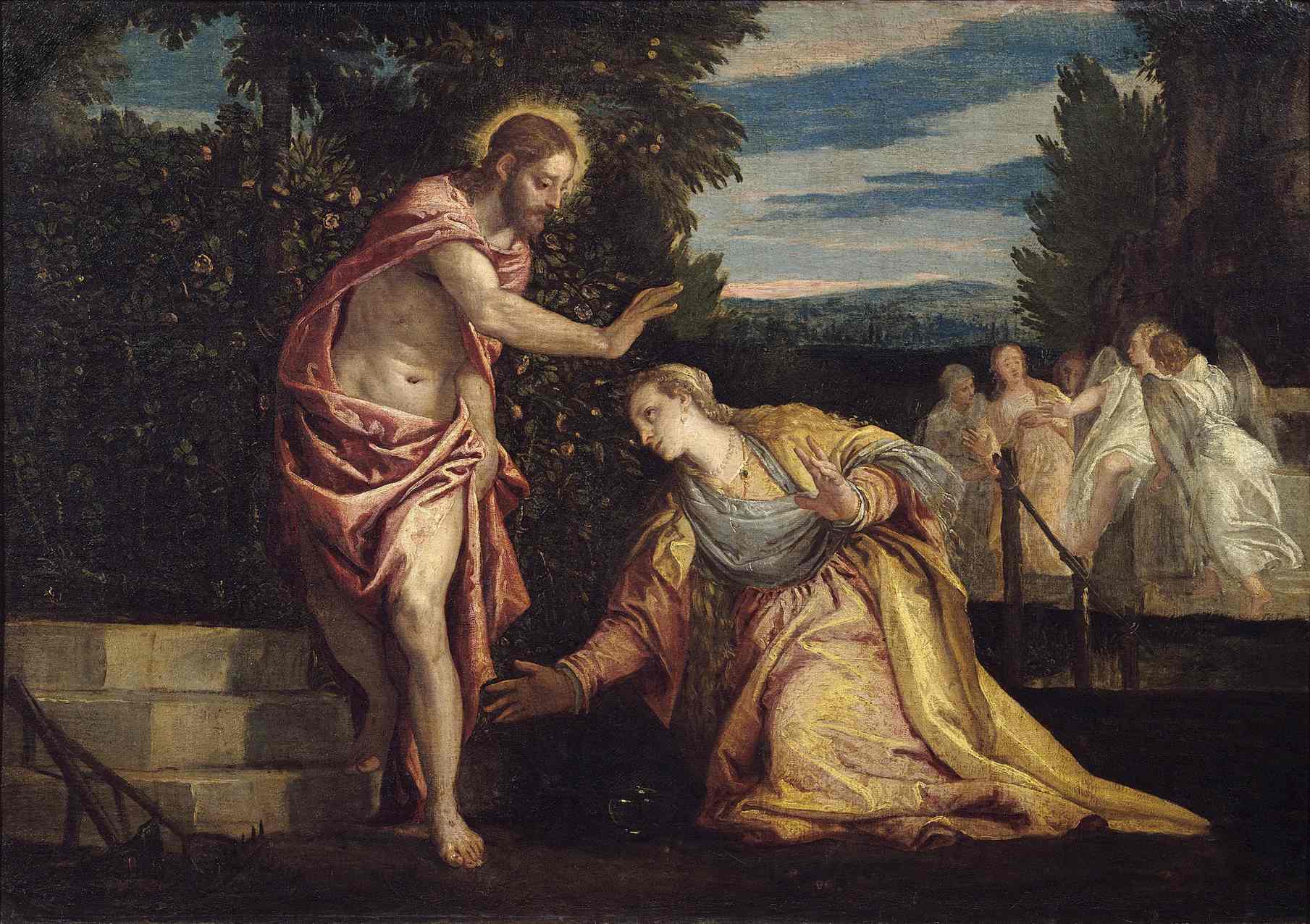
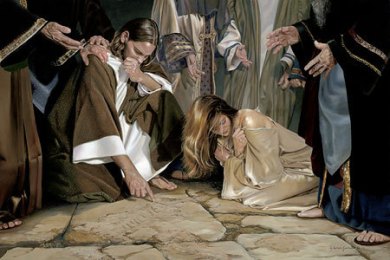
DidYouKnow+FollowThe Bible never says Mary Magdalene was a prostitute. This belief is everywhere. Sermons. Art. Films. Popular devotionals. But Scripture never says it. Mary Magdalene is described as a woman Jesus healed. She is present at the crucifixion. She is the first witness to the resurrection. The label comes from later church tradition, not the Gospels. That matters, because generations of believers internalized a story of “sexual sin redeemed” that the Bible never assigned to her. In Scripture, Mary is not a warning. She is a witness. If you learned faith through shame-heavy stories that were never actually biblical, you are not misremembering alone. We inherited the story. We did not check the text. #BibleMisconceptions #MandelaEffect #WomenInTheBible #Gospels #DidYouKnow140100Share
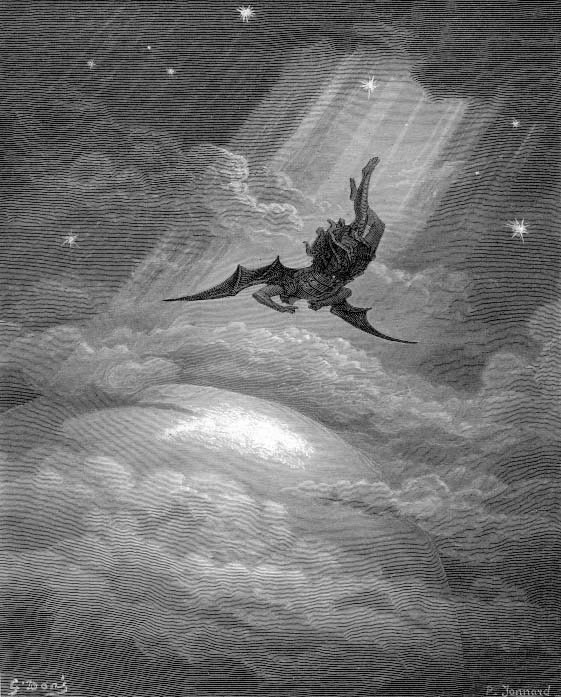
DidYouKnow+FollowThe Bible never says Satan was a fallen angel. Most people are sure of this. Satan was an angel. He rebelled. He fell from heaven. But the Bible never clearly says that. The idea comes from later interpretations, not a single explicit verse. Isaiah’s “morning star” passage is about a human king, not Satan. Revelation uses symbolic imagery, not a biography. That matters, because many believers imagine evil as a tragic fall from light. A cosmic backstory that explains everything neatly. But Scripture presents Satan less as a fallen hero, and more as an accuser. A disruptor. A tester. This changes how temptation feels. Less dramatic. More subtle. More ordinary. If evil in your life never looked grand or obvious, that does not mean you missed something. It may mean the Bible never described it the way we remember. #BibleMisconceptions #MandelaEffect #SpiritualWarfare #BiblicalTruth #DidYouKnow7661170Share
DidYouKnow+Follow“Where two or three are gathered” was not about church attendance. This verse is quoted constantly to comfort low turnout. As if Jesus was saying small services still “count.” But that is not the context. Jesus is speaking about conflict resolution and accountability. The phrase refers to difficult conversations, not worship size. That matters, because many believers search this verse when they feel lonely in church. When community shrinks. When numbers decline. But Jesus was not lowering expectations. He was emphasizing responsibility and presence in hard moments. God’s presence was never a consolation prize for low attendance. It was a promise to those doing difficult relational work. If church has felt smaller but heavier, that does not mean God is less present. It may mean the work has become more real. #BibleMisconceptions #MandelaEffect #ChurchLife #BiblicalTruth #DidYouKnow411Share
DidYouKnow+Follow“Judge not” does not mean “never make moral judgments.” This is one of the most searched Bible phrases online. Usually used to shut down conversation. But Jesus’ words are far more specific. In Matthew 7, “judge not” refers to hypocritical judgment— condemning others while refusing self-examination. Jesus does not forbid discernment. He forbids moral superiority. That matters, because many believers feel confused. They are told silence equals love, and conviction equals cruelty. But Scripture does not ask you to abandon wisdom. It asks you to abandon arrogance. If you struggled to speak truth without sounding harsh, that tension is biblical—not sinful. The Bible never erased moral clarity. It corrected the posture behind it. #BibleMisconceptions #MandelaEffect #BiblicalContext #ChristianWisdom #DidYouKnow527Share
DidYouKnow+FollowJesus never said “Hate the sin, love the sinner.” This phrase is quoted constantly in moral discussions. Many assume it comes directly from Jesus. It does not. Jesus never separates people into “sinner” and “acceptable object of love.” He eats with them. Touches them. Defends them. The phrase comes from much later theological language, not the Gospels. That matters, because this line is often searched by believers trying to justify emotional distance. They want to feel loving without being close. But Jesus’ pattern is relational, not theoretical. He engages people before correcting anything. If you have felt wounded by how this phrase was used on you, Scripture does not require you to accept that framing. The Bible never taught love from a distance. It taught love with risk. #BibleMisconceptions #MandelaEffect #JesusTeachings #ChristianLife #DidYouKnow141140Share
DidYouKnow+Follow“This too shall pass” is not in the Bible. People quote this line constantly—especially in grief, illness, and anxiety. It sounds ancient. Wise. Biblical. But it is not Scripture. The phrase comes from later folklore, not the Bible. And that distinction matters. Because “this will pass” suggests relief is guaranteed. That pain is temporary by design. But the Bible is more honest than that. Some losses do not pass. Some scars remain. Scripture does not promise that everything ends quickly. It promises God remains present faithfully. Many older believers search this phrase late at night, wondering why something never passed for them. The Bible never tells them they misunderstood healing. It tells them endurance counts even when relief does not come. If something in your life never passed, that does not mean you lacked faith. It means you lived inside reality—not slogans. #BibleMisconceptions #MandelaEffect #ChristianGrief #FaithAndSuffering #DidYouKnow8112Share