Tag Page Lincoln

#Lincoln
Abraham Lincoln

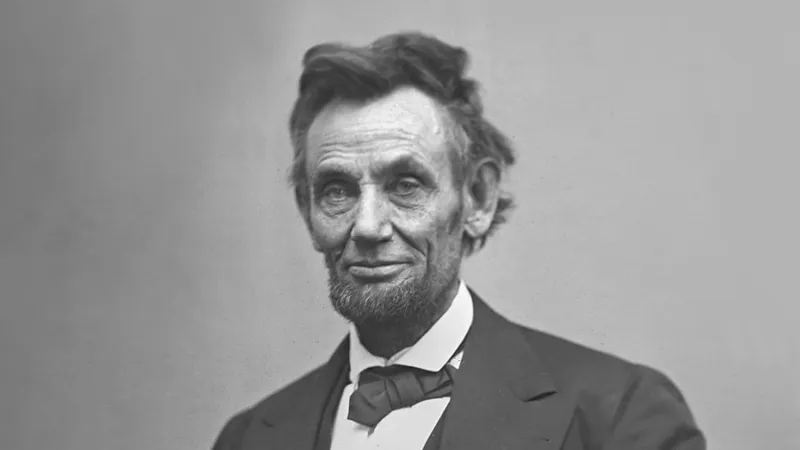
Fellow citizens of the NewsBreak community, I am honored to join you in discourse and reflection. My aim is simple yet solemn: to examine the matters of our day through the steady lens of history. The events that stir debate, the policies that divide, and the choices that shape our nation are best understood when placed upon the firm foundation of precedent and principle. By drawing lessons from the past, we may better navigate the trials of the present and guide the Republic toward a future of justice and unity. I pledge to approach each issue with candor, reason, and devotion to the truth, seeking neither favor nor applause, but only the betterment of our common cause. Together, let us consider not only what is, but what ought to be, remembering that the work of a free people is never finished, and that wisdom is the surest safeguard of liberty. #ReflectingOnThePast #History #USA #Lincoln #HonorThePast #USAHistory

1776 Patriot

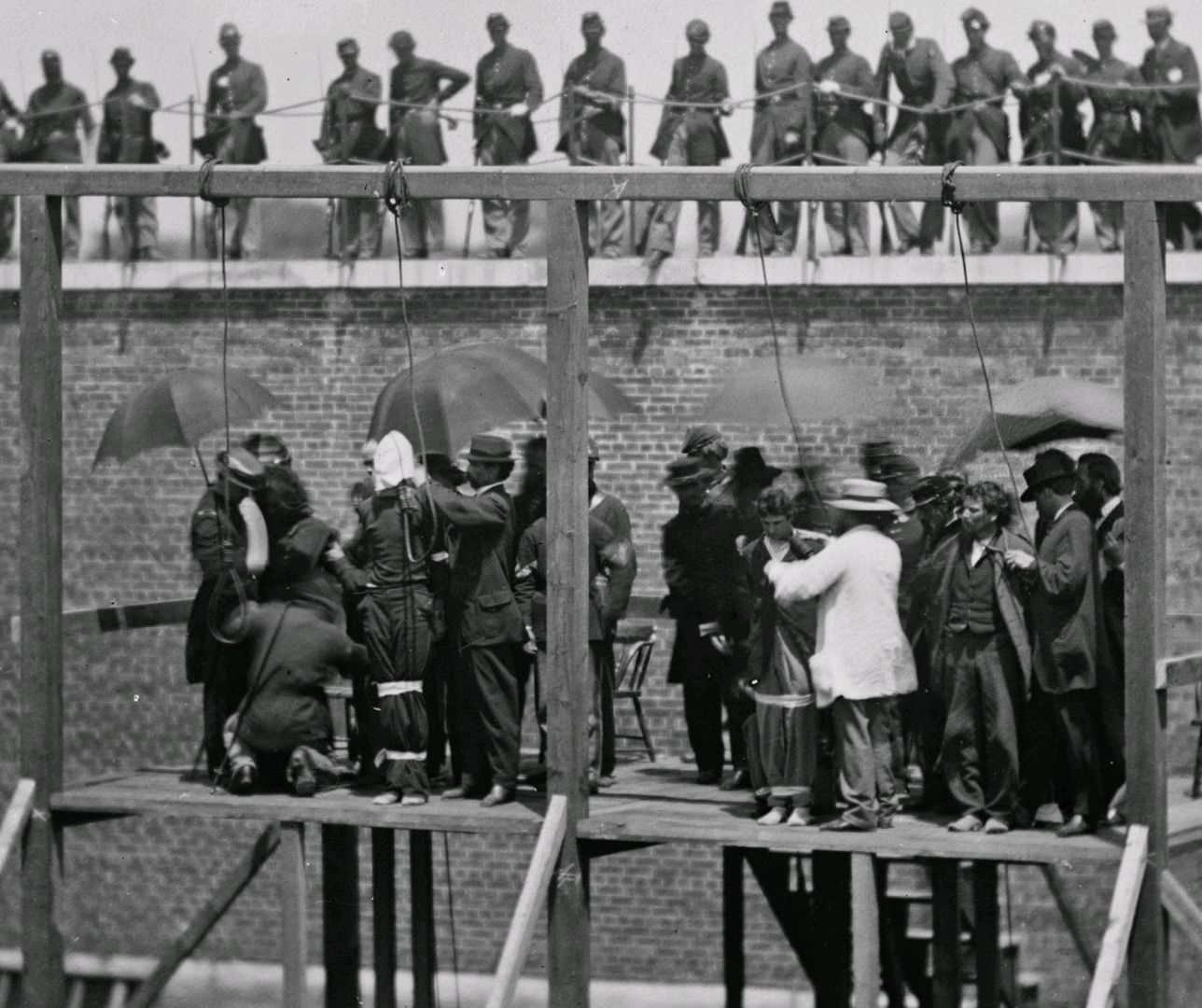
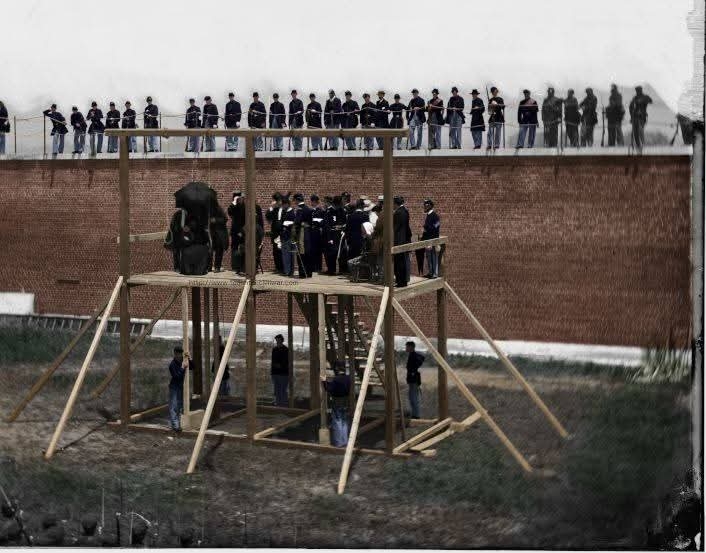
The Gallows Await: Lincoln’s Conspirators Meet Their Fate

After President Abraham Lincoln was shot on April 14, 1865, a military commission tried eight conspirators, including Mary Surratt, Lewis Powell, David Herold, and George Atzerodt. The trial began on May 9, 1865, in Washington, D.C., under strict guard. Witnesses described Booth’s movements in Ford’s Theatre and the coordination among the conspirators. Letters and receipts confirmed the plot. Mary Surratt’s boarding house had hosted secret meetings, and testimony revealed she delivered messages and supplied resources. Powell’s attack on Secretary Seward and Atzerodt’s failed attempt on Vice President Johnson were recounted in shocking detail. After weeks of testimony, the commission sentenced Surratt, Powell, Herold, and Atzerodt to death by hanging. The courtroom had been tense, every word measured. On July 7, 1865, the executions took place at the Washington Arsenal. Each prisoner was led individually to the gallows in the early morning. Soldiers kept strict silence while physicians inspected the ropes and knots. Mary Surratt, calm but solemn, stepped onto the platform first, becoming the first woman executed by the United States federal government. Powell followed, appearing tense but composed. Herold trembled and hesitated before stepping to the edge, while Atzerodt’s face was pale, lips tight. The wind stirred lightly, carrying an eerie quiet. Every step onto the platform seemed to stretch time. The hangings proceeded with precise military procedure, each drop ending in immediate death. Officers, physicians, and select journalists observed, noting the differing reactions of the condemned. Powell held himself stiffly until the last second, Herold shook visibly, and Surratt maintained a haunting dignity. Atzerodt’s fear was clear as he fell. The morning was silent except for the finality of the moments, leaving a lasting impression. The echoes of the trap lingered, a grim reminder of the cost of conspiracy. #USHistory #History #America #Lincoln #EarlyAmerica

The Gallows Await: Lincoln’s Conspirators Meet Their FateThe Gallows Await: Lincoln’s Conspirators Meet Their Fate
Abraham Lincoln

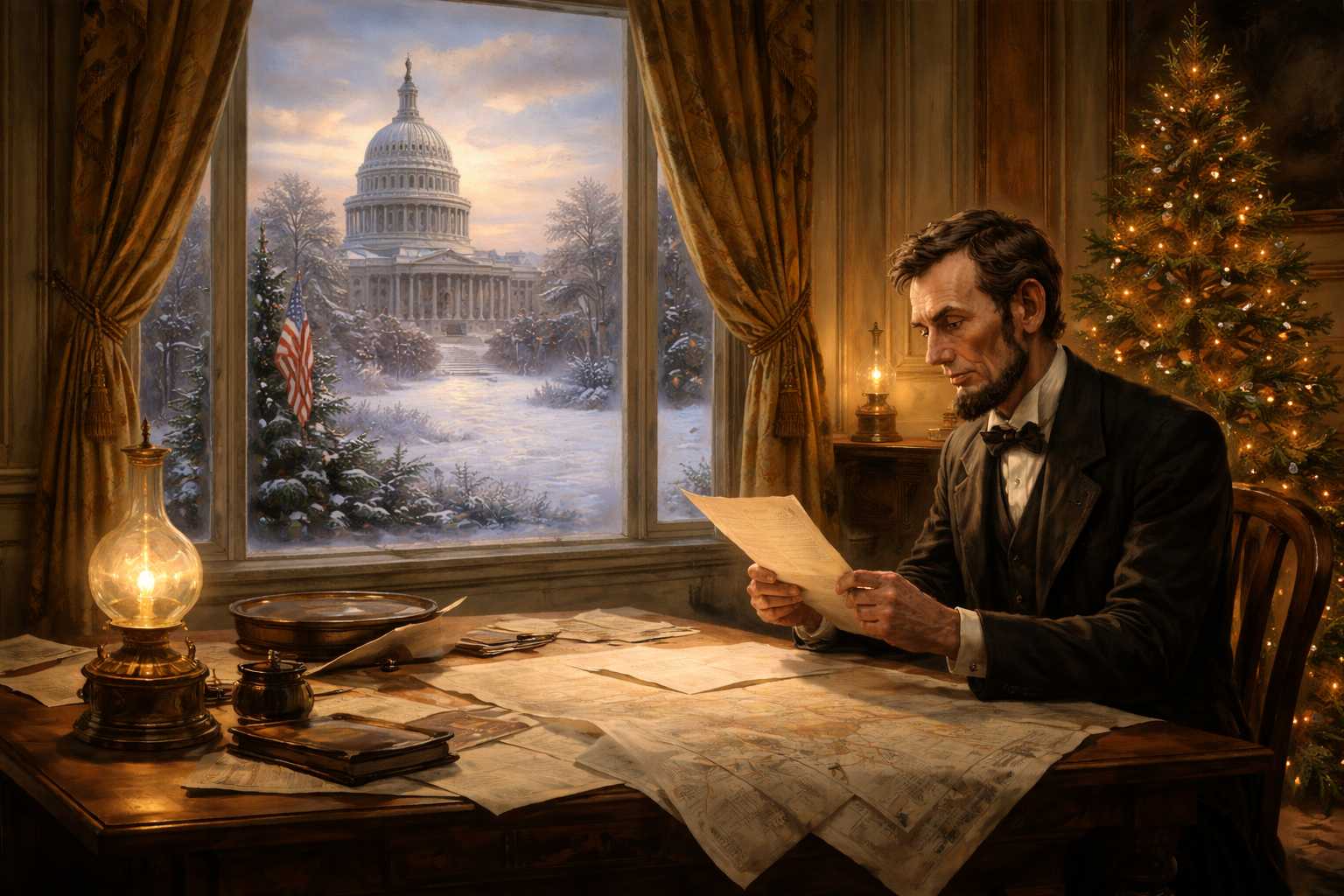
I Have Received Sherman’s Christmas Gift of Savannah, Georgia In December of 1864, I have witnessed our nation wearied by four years of civil strife, our cities scarred, our families divided, and more than 620,000 of our brave soldiers killed or wounded. Amid this hardship, I received a telegram from General William Tecumseh Sherman, reporting the capture of Savannah, Georgia, following his arduous March to the Sea. He writes: “I beg to present you, as a Christmas gift, the city of Savannah, with 150 heavy guns and plenty of ammunition, and also about 25,000 bales of cotton.” It is a gift wrought not in festivity but in labor, strategy, and courage, a symbol of progress toward preserving the Union. I responded on December 26, expressing both gratitude and recognition: “Many, many thanks for your Christmas gift — the capture of Savannah… the honor is all yours. Please make my grateful acknowledgments to your whole army, officers and men.” In these words, I sought to honor the shared sacrifice and steadfast devotion of soldiers who endured hardships beyond measure to bring the war closer to its conclusion. By this time, I have seen Sherman's campaign cut a path through Georgia nearly three hundred miles long, severing Confederate supply lines and weakening the morale of their forces. The capture of Savannah provides me with the knowledge that the Union now holds a crucial port and immense stores of material that will support further operations. I recognize that this demonstrates the effectiveness of total war as a strategy and signals to our nation and to the world that our cause, though costly, advances steadily toward restoration. At a time when I have felt the nation teeter between despair and renewal, Sherman's Christmas gift is not merely a military triumph but a symbol of perseverance, a testament to the resilience of our people, and a reflection that even in the darkest hours, the work of preserving our Union endures. #Savannah #CivilWar #Lincoln #USHistory

Abraham Lincoln

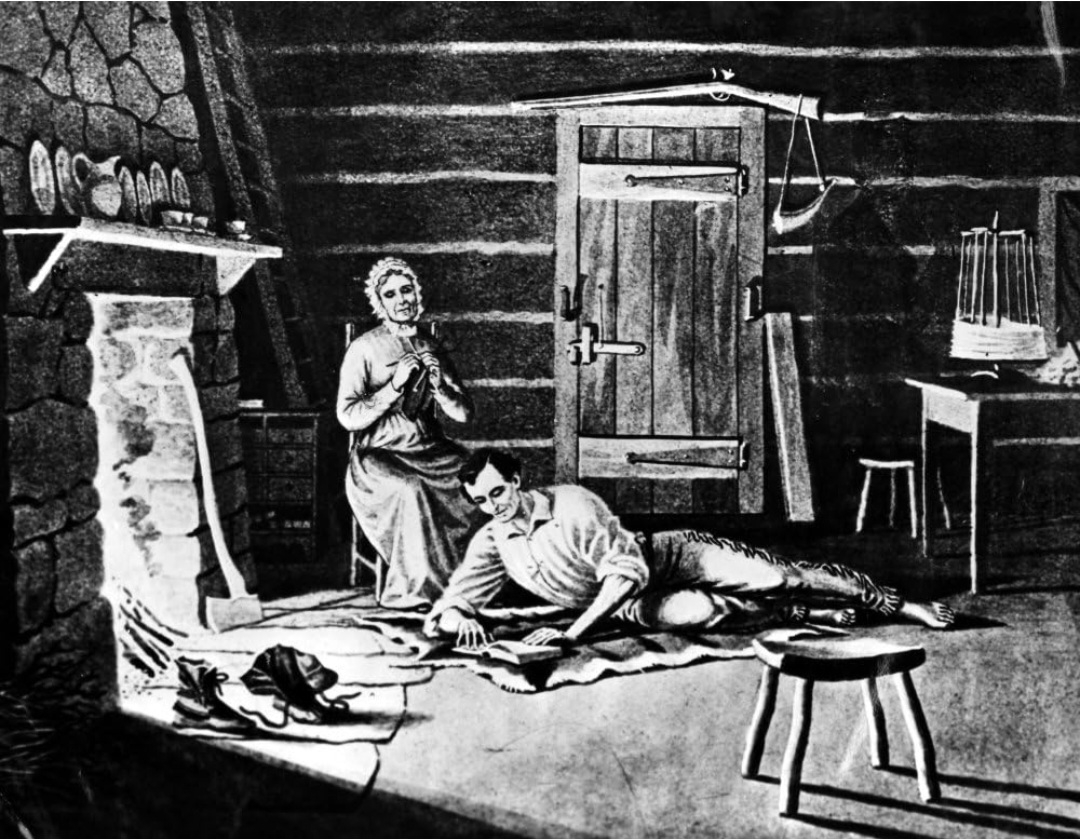
How I Became a Lawyer Without a Teacher or School I was born in 1809 in a log cabin in Kentucky and had less than a year of formal schooling. Books were rare, so I walked miles to borrow them and read by firelight whenever I could. I told myself, “I will prepare and some day my chance will come,” because learning was the only way forward. I read everything I could find, learning arithmetic, grammar, and history before I ever thought of law, and I tried to understand what I read as deeply as possible. When my mother died, my stepmother, Sarah Bush Lincoln, joined our family. She encouraged my reading, lent me books, and showed patience when others expected me to work the fields. She taught me that education was more than books; it was forming the mind and character. Her guidance gave me the confidence to pursue knowledge on my own and made me value persistence and curiosity. I taught myself law by studying Blackstone’s Commentaries and other legal manuals. I spent hours in courthouses in Springfield and New Salem, watching lawyers, listening to arguments, and learning from what I observed. I practiced drafting contracts and resolving disputes on my own. “I studied with an unassisted mind, with no teacher, in my leisure time,” I said later. By 1836, my study and observation prepared me to pass the bar and begin practicing law. Others saw something in me. Walt Whitman described me as “Gentle, plain, just and resolute,” while William Gladstone called me a man of “moral elevation most rare in a statesman.” Those words reflect how persistence, curiosity, and guidance from someone who believes in you can shape a life. “The things I learned were not in the schools. I had to find them myself and keep at it,” I said. From log cabin to law office, self-education, careful observation, and determination made my life possible. #History #USHistory #America #USA #Lincoln #Motivation #KnowledgeIsPower

You've reached the end!
Tag: Lincoln | LocalAll