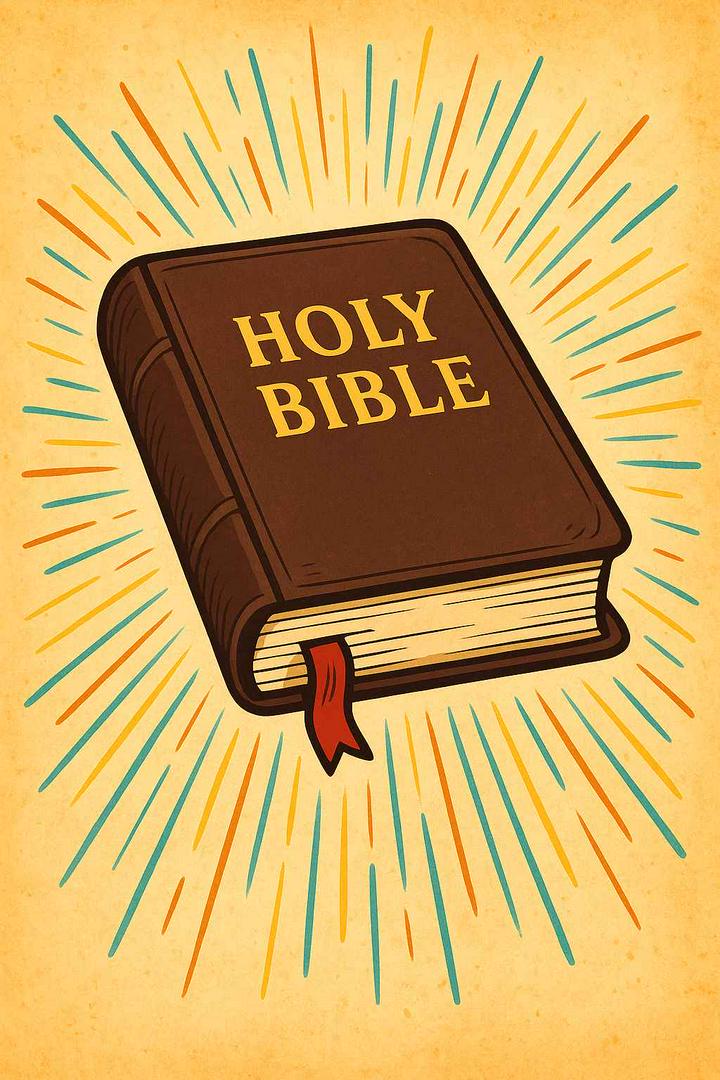
The Bible didn’t arrive as one finished book. It grew over thousands of years, starting with stories passed by mouth long before ink touched paper. Different cultures wrote down histories, laws, poems, warnings, and visions. Those writings were copied, translated, debated, and protected through wars, migrations, and destroyed kingdoms. Nothing about it was quick or simple.
The earliest pieces came from ancient Israel, written on scrolls of animal skin. Later, followers of Jesus wrote letters and accounts of his life. Communities kept the writings they believed carried truth, and over time, a collection formed. It wasn’t until centuries later that scholars gathered, argued, compared texts, and agreed on what should be included. That’s how the Bible became one book.
Before printing existed, every copy was written by hand. It took months. One mistake meant starting over. People risked their lives to hide copies from governments who tried to stop them. The Bible survived fires, bans, and entire empires collapsing. When the printing press arrived, everything changed. For the first time, ordinary people could read it instead of relying on leaders to explain it. That freedom shaped countries, cultures, and beliefs all over the world.
The Bible we see today is a layered history of faith, suffering, hope, and human hands doing their best to preserve something sacred. Whether someone reads it for religion, history, wisdom, or curiosity, it carries the weight of thousands of years of people trying to understand life, death, and what it all means.
#TheStoryBehind #BibleHistory #AncientTexts #HiddenHistory #LearnSomethingNew #NewsBreakCommunity #DidYouKnow