Tag Page LaborHistory

#LaborHistory
LataraSpeaksTruth

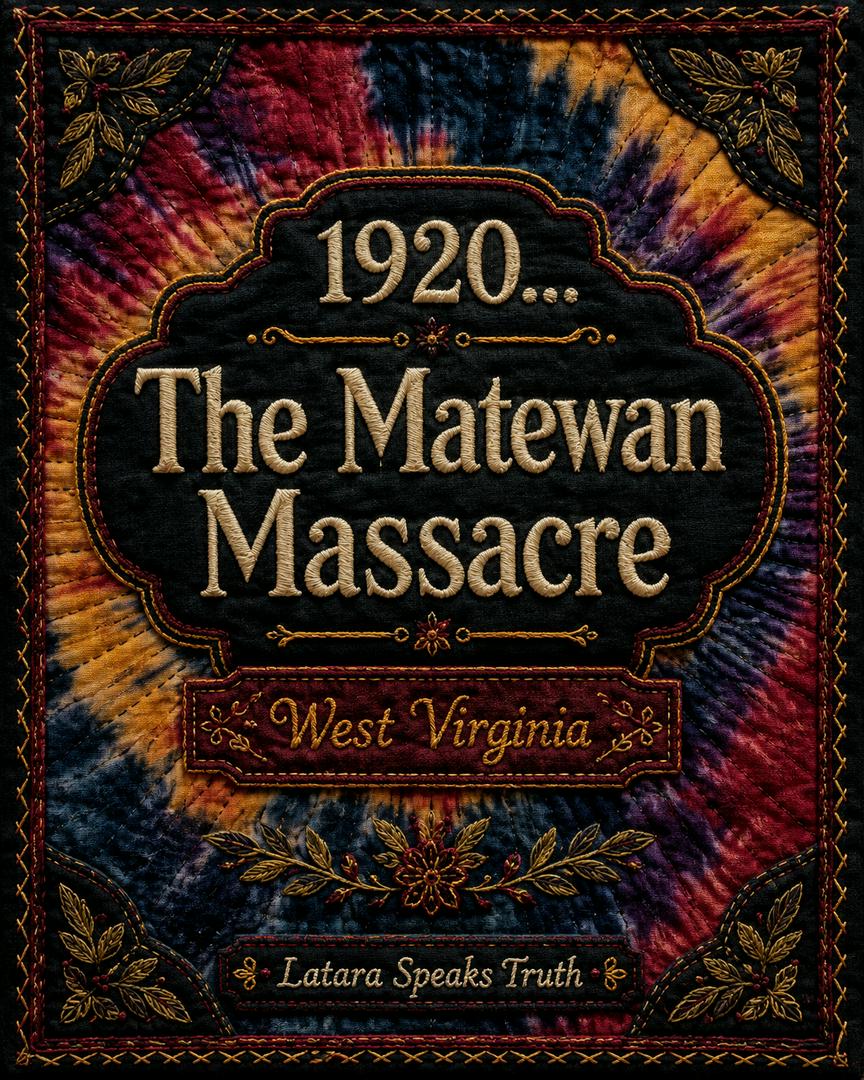
On May 19, 1920, the town of Matewan, West Virginia, became the center of one of the most violent labor conflicts in American history. Coal miners in the region were trying to organize with the United Mine Workers of America. That fight was not just about wages. It was about survival. Many coal companies controlled housing, jobs, stores, and nearly every part of daily life in mining towns. When miners supported union efforts, some companies pushed back hard. Private agents from the Baldwin-Felts Detective Agency were sent into Matewan to evict striking miners and their families from company-owned homes. Matewan Police Chief Sid Hatfield, who supported the miners, challenged the agents. Tension rose near the train station, and gunfire broke out. By the end, ten people were dead, including miners, private detectives, and Matewan’s mayor, Cabell Testerman. The Matewan Massacre became a major moment in American labor history. It showed how dangerous it could be for workers to demand fair treatment, especially when powerful companies had money, influence, and armed force behind them. This was not just a shootout. It was a warning sign of a much larger battle over workers’ rights in the coalfields. Sometimes history reminds us that the rights people have today were not handed over politely. Some were fought for in company towns, courtrooms, picket lines, and streets where ordinary people risked everything. #AmericanHistory #LaborHistory #WestVirginiaHistory #WorkersRights #OnThisDay

LataraSpeaksTruth

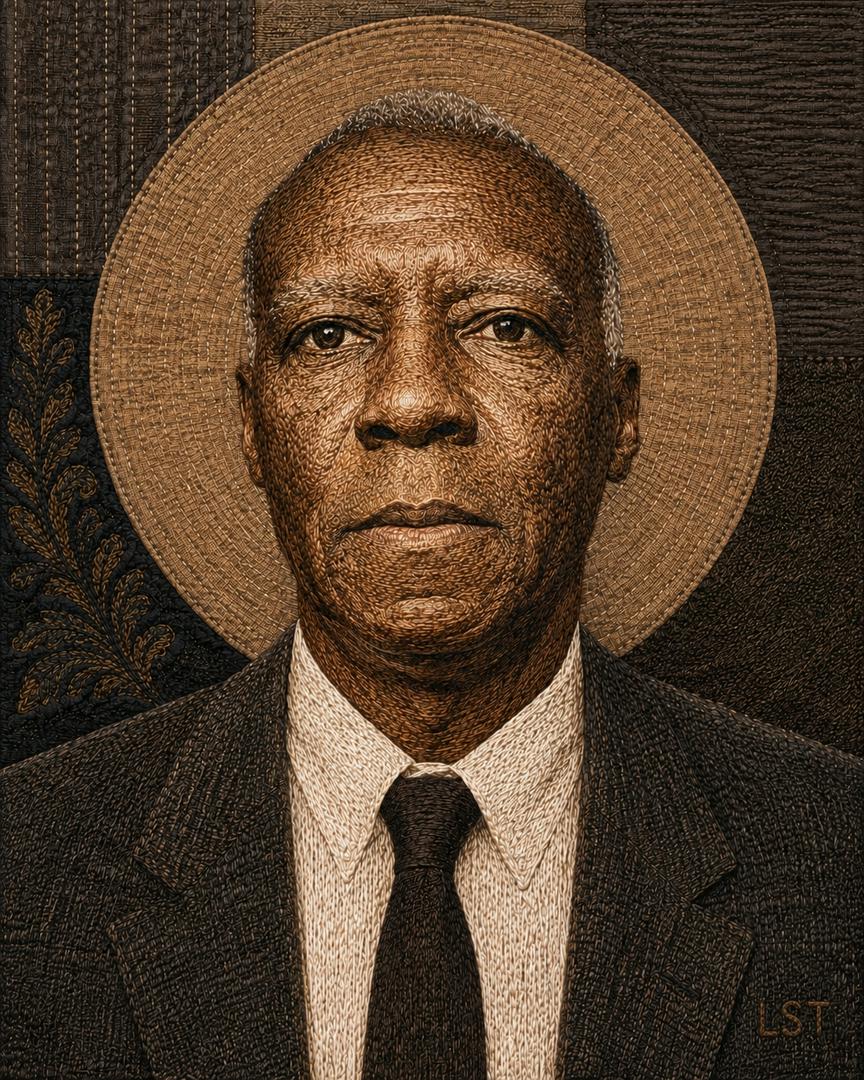
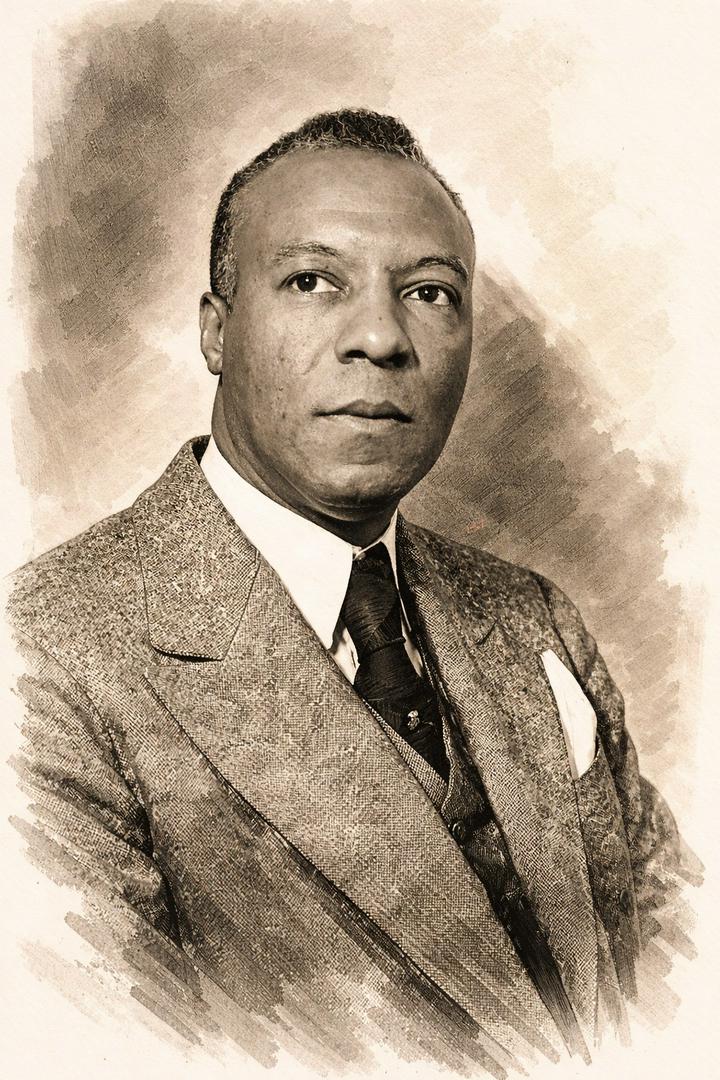
May 16, 1979… A. Philip Randolph died in New York City, but the work he left behind still speaks. Randolph was not just a civil rights figure. He understood something deeper: freedom without economic power leaves people fighting with one hand tied behind their back. In 1925, he helped organize and lead the Brotherhood of Sleeping Car Porters, the first successful Black-led labor union recognized by the American Federation of Labor. That mattered because Pullman porters worked long hours, faced harsh treatment, and often had little power against the companies that profited from their labor. Randolph helped turn that frustration into organized strength. But his impact did not stop with labor. Randolph pushed presidents, challenged discrimination, and understood the power of collective pressure. His planned 1941 March on Washington helped pressure President Franklin D. Roosevelt into issuing Executive Order 8802, which banned discrimination in defense industry jobs under federal contracts. Years later, Randolph became one of the key organizers and public leaders behind the 1963 March on Washington for Jobs and Freedom. What makes Randolph important is that he connected the dots. He knew racial justice, jobs, wages, dignity, and political pressure were all part of the same fight. He was not just asking America to be kinder. He was demanding that America be fair. When people talk about movements, they often remember the speeches. But behind the speeches were organizers. Strategists. People who understood how to move a nation without always needing the spotlight. A. Philip Randolph was one of those people. He died on May 16, 1979, but the blueprint he left behind is still relevant. Organize. Build power. Demand respect. Do not just ask to be included…make the system answer for who it left out. #LataraSpeaksTruth #BlackHistory #APhilipRandolph #LaborHistory #CivilRightsHistory

LataraSpeaksTruth

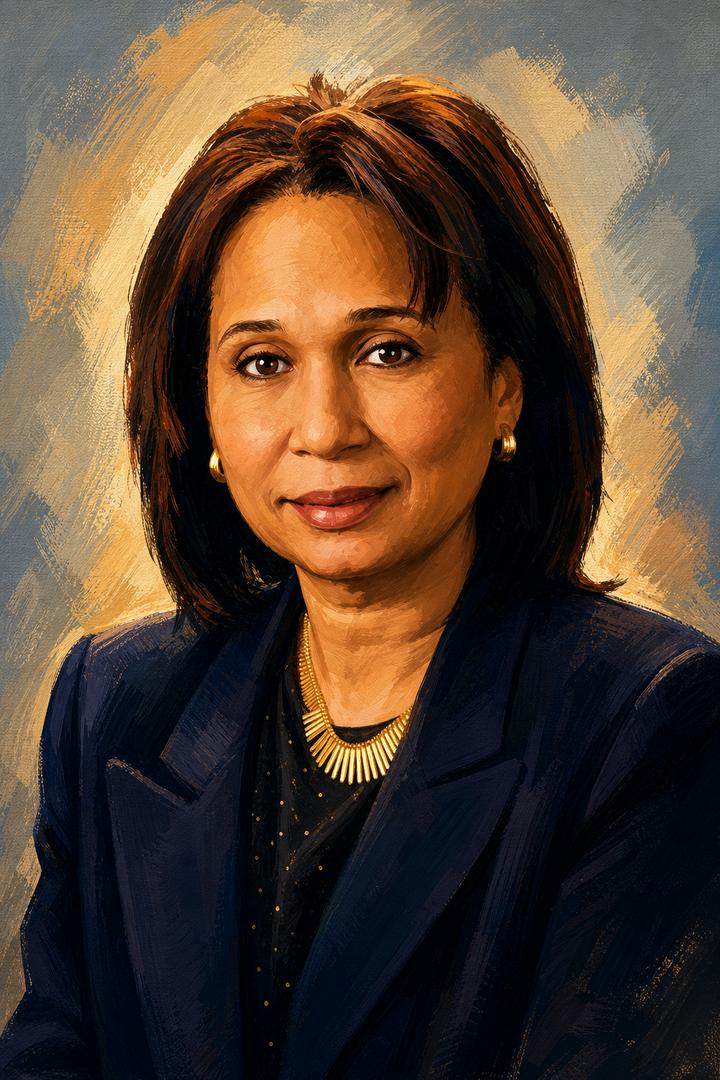
On May 1, 1997, Alexis M. Herman began her tenure as the 23rd U.S. Secretary of Labor, making history as the first Black American to hold that position. Her appointment placed her at the head of a federal department responsible for workers’ rights, job training, wages, workplace safety, and labor standards. But Herman did not arrive in Washington without a record. Born in Mobile, Alabama, she had already built a career around employment opportunity, civil rights, and workplace access. Before becoming Secretary of Labor, Herman served under President Jimmy Carter as director of the Women’s Bureau at the Department of Labor. She was only 29 at the time, making her the youngest person to hold that role. She later worked in Democratic politics and served in the Clinton White House as Assistant to the President and Director of the Office of Public Liaison. As Secretary of Labor under President Bill Clinton, Herman became one of the most visible labor leaders in the country. One of her most remembered moments came during the 1997 UPS strike, one of the largest strikes in the United States in decades. Herman helped mediate talks between the company and union leaders, and the strike ended after 15 days. Her tenure also connected to issues such as job training, workplace equality, minimum wage policy, and child labor enforcement. She served until January 20, 2001. Alexis Herman’s story matters because she did not just break a barrier. She stepped into a Cabinet role tied directly to the lives of working people. Her place in history is a reminder that labor history is also Black history, women’s history, and American history. #AlexisHerman #BlackHistory #LaborHistory #WomensHistory #NewsBreak

LataraSpeaksTruth

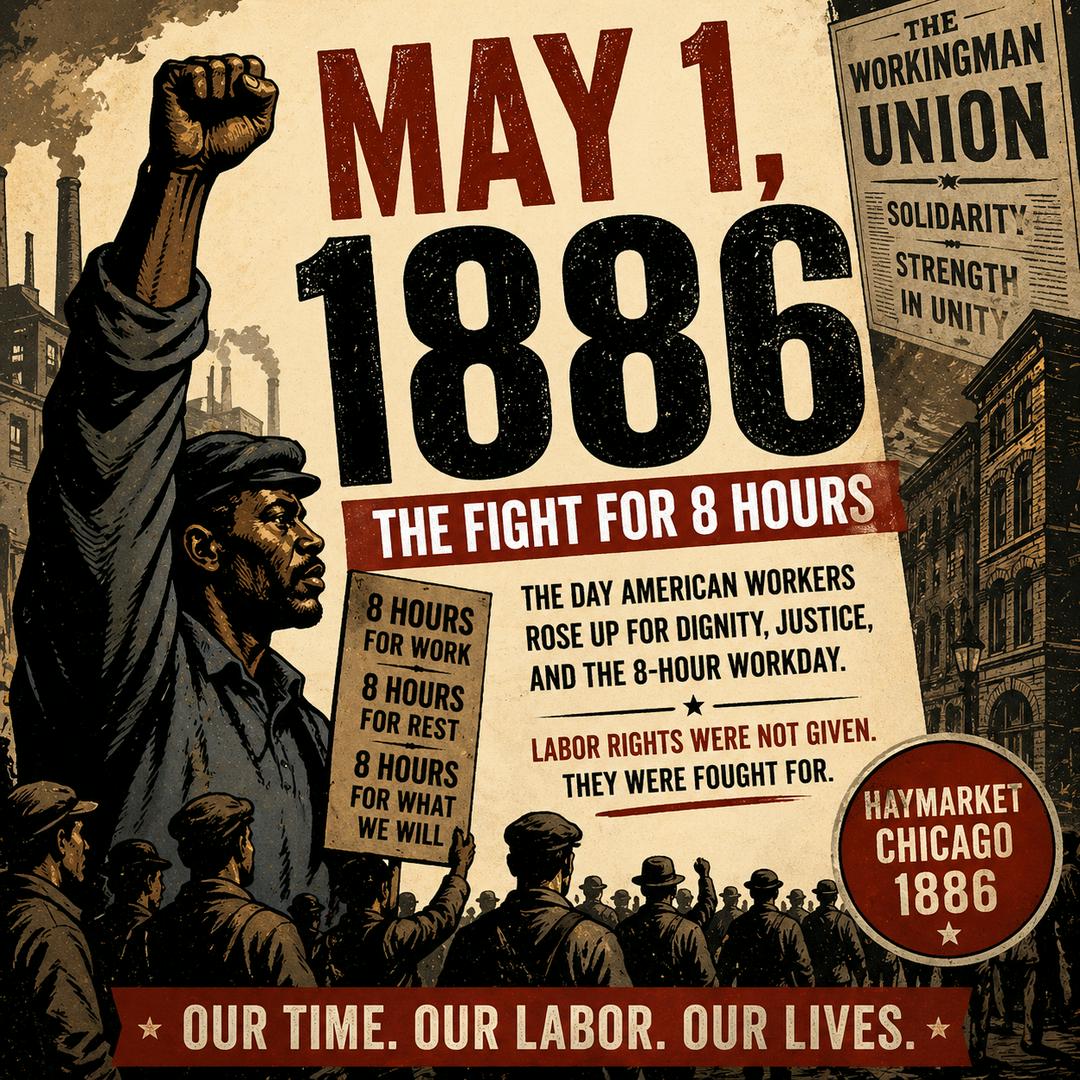
On May 1, 1886, hundreds of thousands of American workers joined a national strike demanding something many people take for granted today: an eight-hour workday. At the time, many workers labored 10, 12, or even more hours a day, often in dangerous conditions and for low pay. Labor organizations had chosen May 1, 1886, as the day to push for a new standard: eight hours for work, eight hours for rest, and eight hours for what they chose. The movement spread across the country, with estimates often ranging from 300,000 to 500,000 workers taking part. Chicago became one of the major centers of the strike. Just days later, the Haymarket Affair would turn the fight for labor rights into one of the most remembered moments in American labor history. This is not only a labor history story. It matters to Black history, too. Many Black workers were excluded from early unions, underpaid, overworked, and pushed into some of the hardest jobs with the fewest protections. Over time, Black labor organizers connected workplace justice to the broader fight for civil rights. Fair hours, fair pay, dignity, and safe working conditions became part of the larger struggle for freedom and equality. From the eight-hour workday movement to later organizing by Black workers, sleeping car porters, sanitation workers, domestic workers, and civil rights activists, the message stayed clear: economic justice and racial justice are connected. May Day 1886 reminds us that workplace rights were not handed out. They were demanded, organized for, and fought for by working people who believed their time, labor, and lives had value. #FactsOnly #LaborHistory #BlackHistory #MayDay #WorkersRights

LataraSpeaksTruth

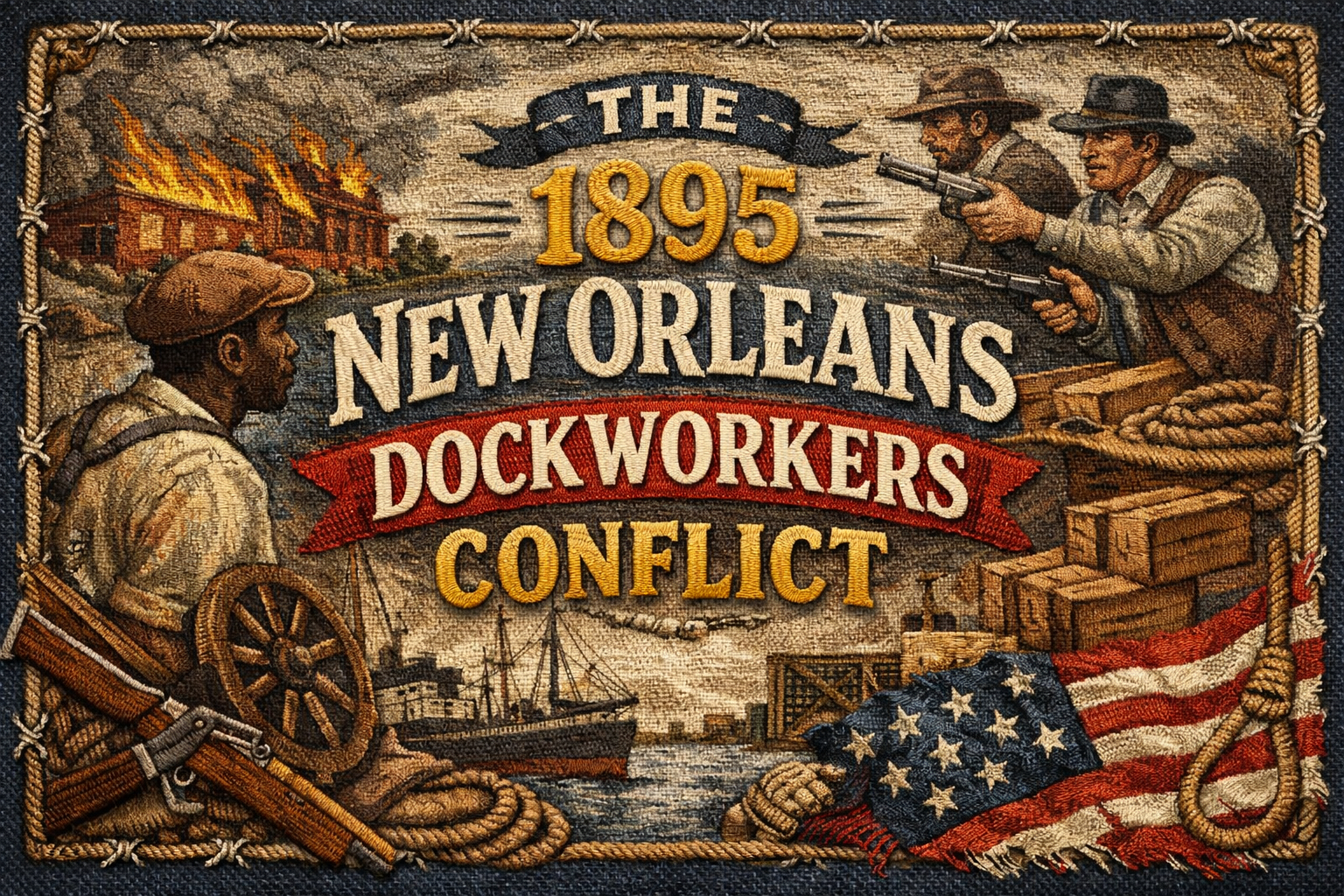
On March 9, 1895, between 300 and 500 armed white men in New Orleans targeted Black dockworkers by attacking the Morris Public Bathhouse, where equipment used by Black laborers was stored. About half of their tools were seized and thrown into the river. This was not random violence. It was organized intimidation meant to punish Black workers for becoming too visible, too independent, and too competitive on the waterfront. Two days later, the violence escalated even further, as white mobs attacked Black dockworkers directly and killed six men on the levee. What happened in New Orleans showed how racial terror could be used to break labor power before it had the chance to grow. After the Panic of 1893, some shipping companies turned to lower-paid Black labor to weaken white unions, and employers benefited from the racial division that followed. Violence did what negotiation would not: it crippled livelihoods, deepened distrust, and helped destroy the fragile possibility of sustained worker unity across racial lines. This history matters because attacks on Black workers were never only about prejudice. They were also about control—control of wages, control of jobs, control of who could rise, and control of who had to remain vulnerable. The dockworkers conflict was not just about the waterfront. It was about crushing Black economic strength before it could take root. #BlackHistory #LaborHistory #NewOrleansHistory #BlackWorkers #Dockworkers #AfricanAmericanHistory #RacialViolence #EconomicJustice #HiddenHistory #AmericanHistory

LataraSpeaksTruth

On January 6, 1941, A. Philip Randolph made a move that rarely gets credited the way it should. He formally escalated plans for what became the March on Washington Movement, not as a ceremony, not as a speech tour, but as a direct threat. One hundred thousand Black workers would descend on Washington, D.C., during wartime, to expose racial discrimination inside the very defense industries claiming to protect democracy. This was not a symbolic march. It was an economic pressure campaign. Randolph understood leverage. Defense factories were booming as the U.S. prepared for World War II, yet Black workers were routinely excluded from skilled positions and union membership. Randolph made it clear that the government could not preach freedom abroad while enforcing exclusion at home. The threat worked. Faced with the possibility of a mass protest that would embarrass the administration on a global stage, President Franklin D. Roosevelt acted. Later that year, he issued Executive Order 8802, banning racial discrimination in defense industries and federal contracts and establishing the Fair Employment Practices Committee to enforce it. There was no televised showdown. No viral slogan. No sudden moral awakening. This change happened because Randolph was willing to apply pressure where it hurt…labor, production, and international reputation. The march itself was ultimately called off, but the goal had already been achieved. This is one of those moments in history that later gets softened. The policy change is remembered. The discomfort that forced it is not. But make no mistake, this didn’t “just happen.” It happened because Randolph was prepared to embarrass the federal government during wartime and understood that quiet leverage often moves the needle faster than loud applause. That is how power actually shifts. #BlackHistory #January6 #APhilipRandolph #MarchOnWashingtonMovement #LaborHistory #AmericanHistory #HiddenHistory #CivilRightsHistory #EconomicPressure

LataraSpeaksTruth

In July 1917, violence erupted in East St. Louis after months of rising racial tension fueled by labor competition, housing pressure, and inflammatory propaganda. During a labor strike, Black workers were hired by local industries, a move white labor leaders and newspapers framed not as employment, but as invasion. That framing mattered. It lit the match. On July 2, white mobs flooded Black neighborhoods. Homes were set on fire. Families were chased into the streets. People attempting to flee were shot, beaten, or forced back into burning buildings. Some tried to escape across bridges or hide in rail yards. Many did not make it. While estimates vary, historians agree that dozens were killed, hundreds were injured, and thousands were left homeless in a single day. Accountability never followed. Few arrests were made. Even fewer convictions occurred. Property losses went largely uncompensated. Officials minimized the violence, and survivors were expected to rebuild without justice. The message was clear, even if it was never written down. The massacre did not occur in isolation. It unfolded during the Great Migration, when Black families moved north seeking work and safety, only to face organized resistance once they arrived. East St. Louis became a warning. Opportunity was conditional. Safety was not guaranteed. That same month, thousands marched silently through New York City in the Silent Protest Parade, dressed in white and refusing to shout. Their quiet said what the country would not. This was not a riot. It was an attack. And it followed a pattern. Remembering East St. Louis is not about reopening wounds. It is about naming what happened so it does not disappear behind softer language. History becomes slippery when discomfort decides what is remembered. #EastStLouis #1917 #AmericanHistory #LaborHistory #GreatMigration #HistoricalMemory #UntoldHistory #USHistory

LataraSpeaksTruth

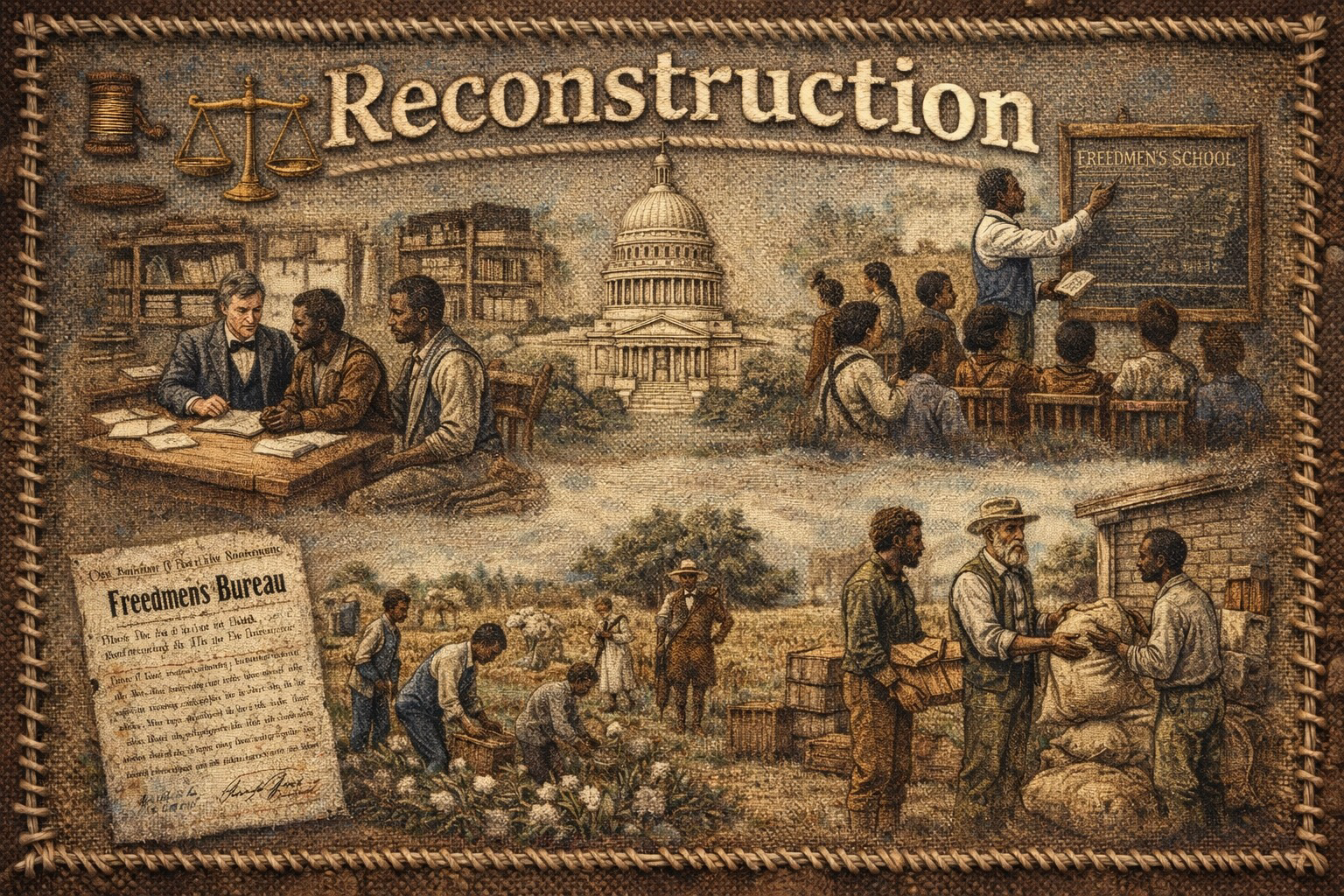
In late December 1865, as the Civil War formally faded into history, the realities of freedom were still being figured out in real time. During this period, including December 27, federal offices were actively organizing the early work of the Freedmen’s Bureau, an agency created to manage the transition from slavery to freedom for millions of newly emancipated Black Americans. Although the Bureau had been established earlier in the year, late December marked a critical phase of implementation. Agents were assigning teachers to newly formed schools, overseeing labor contracts between freed people and landowners, and distributing emergency food, clothing, and medical aid. These were not symbolic gestures. They were survival decisions that shaped daily life during Reconstruction. This work exposed the contradictions of the era. The Bureau was expected to protect freed people while also stabilizing Southern labor systems. Education expanded rapidly but faced violent resistance and chronic underfunding. Labor contracts offered oversight but often preserved unequal power dynamics. Each administrative choice carried long-term consequences. Reconstruction did not arrive as a finished promise. It emerged through paperwork, negotiations, and fragile systems built under pressure. Late December 1865 captures that reality clearly…freedom had been declared, but the structure to sustain it was still being assembled. #Reconstruction #FreedmensBureau #1865 #BlackHistory #AmericanHistory #PostCivilWar #EducationHistory #LaborHistory

LataraSpeaksTruth

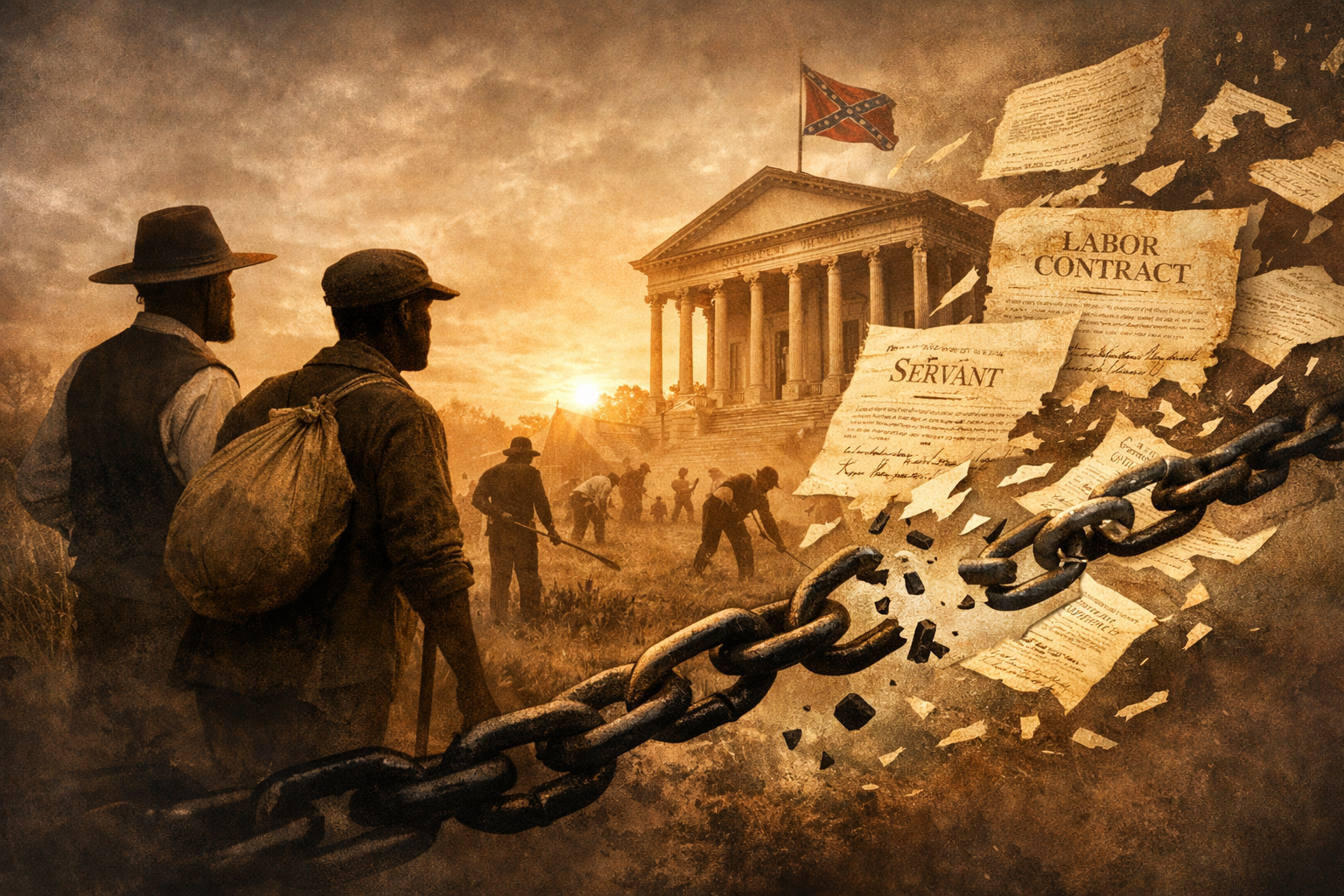
On December 19, 1865, South Carolina passed a law that replaced slavery with forced labor under a different name. Slavery had been abolished, but this law required newly freed people to sign labor contracts that locked them into exploitative conditions. Workers were labeled “servants,” while white employers were officially designated as “masters.” Those who refused to sign faced arrest, fines, or forced unpaid labor. On paper, the law existed under Reconstruction. In practice, it functioned as a mechanism to preserve control over labor and daily life after emancipation. Freedom was tolerated only if economic dependence and social hierarchy remained intact. Formerly enslaved people and community leaders immediately recognized the danger. They understood that freedom meant choice. Choice in where to work, how to live, and how to shape a future. This law stripped that choice away and pushed many back into conditions that closely resembled bondage. South Carolina was not an outlier. Across the South in 1865, similar Black Codes criminalized unemployment and so called vagrancy. Those charges were then used to funnel people into plantation labor through the criminal justice system, reinforcing control through punishment rather than chains. The impact of these laws did not end in the nineteenth century. Their influence can still be seen in labor inequality, policing disparities, and economic systems that limit access to opportunity. Remembering December 19, 1865 is not about assigning blame. It is about recognizing how systems of control evolved and why the pursuit of genuine freedom remains unresolved. #ReconstructionHistory #AmericanHistory #SouthCarolina1865 #BlackCodes #LaborHistory #Justice #HistoricalContext #Freedom

You've reached the end!
Tag: LaborHistory | LocalAll