Tag Page JazzHistory

#JazzHistory
LataraSpeaksTruth

The Birth of Etta Jones, November 25, 1928

Etta Jones was born on this day in Aiken, South Carolina. She later moved to Harlem, where music was the heartbeat of the neighborhood and a young singer could grow into something special. That move shaped her sound and set the stage for the career she would build. Jones became a respected jazz and blues vocalist known for her warm tone and expressive phrasing. She had a style that felt effortless and lived in the middle ground between jazz smoothness and blues honesty. She stepped into recording in the late 1940s and built her voice through steady work, touring, and collaborations that kept her grounded in the traditions she loved. Her breakthrough came with the song Don’t Go to Strangers in 1960. The single reached a national audience and earned her a Grammy nomination. It also introduced new listeners to the depth of her talent and the kind of mature, lived in singing that set her apart. One of the most defining parts of her career was her long partnership with saxophonist Houston Person. They worked together for decades. Their chemistry created a catalog of albums that felt consistent and true to who she was as an artist. Many fans remember them as one of the strongest vocalist instrumentalist duos in modern jazz. Etta Jones continued recording and performing until the end of her life. In a moment that felt almost poetic, she passed away in 2001 on the same day her final album was released. Her legacy lives quietly but powerfully in jazz circles and in the voices of singers who followed her path. #OnThisDay #JazzHistory #EttaJones #LataraSpeaksTruth #AskNewsBreak

The Birth of Etta Jones, November 25, 1928
LataraSpeaksTruth

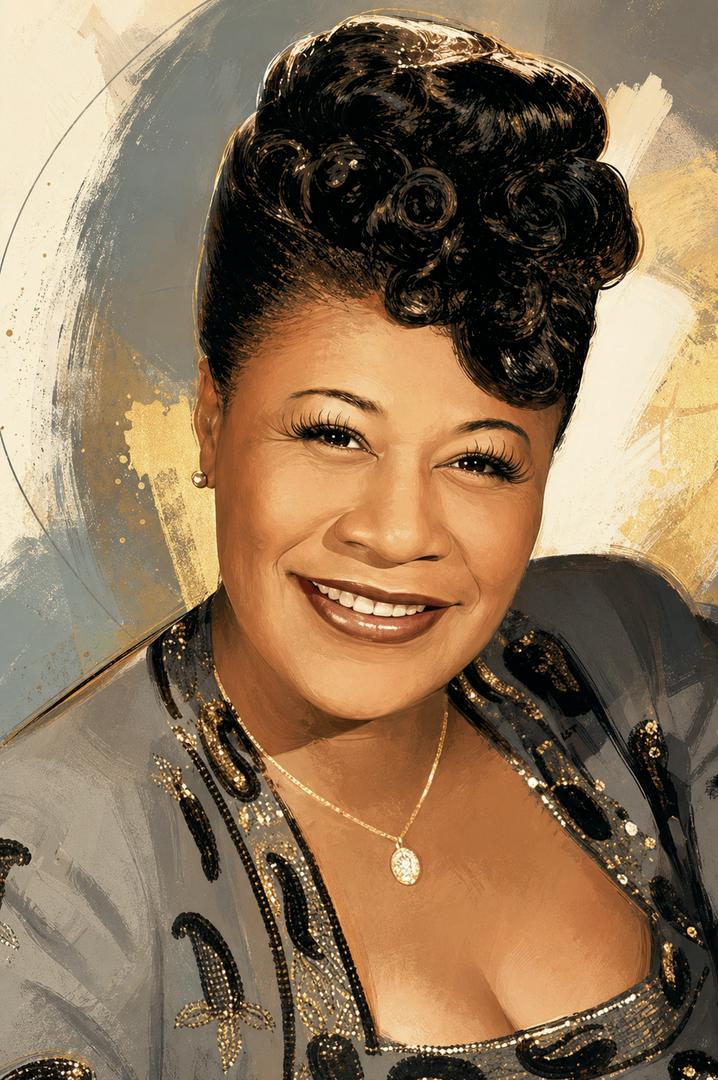
On April 25, 1917, Ella Fitzgerald was born in Newport News, Virginia. Long before the world called her the “First Lady of Song,” she was a young girl whose voice would eventually become one of the most recognizable sounds in American music. Fitzgerald’s rise was not built on image or gimmicks. It was built on talent, discipline, timing, and a voice that could move through jazz, swing, bebop, blues, and popular standards with ease. Her tone was clear. Her phrasing was smooth. Her control was almost unreal. She could take a song and make it feel brand new, even when people thought they already knew every note. She became especially known for scat singing, a vocal style where the singer uses sounds instead of words to improvise like an instrument. Ella did not just sing around the music. She became part of it. Her voice could dance with the band, answer the trumpet, challenge the rhythm, and still land softly enough to feel effortless. Over her career, Fitzgerald performed around the world and helped define what great jazz singing could sound like. Her work with the Great American Songbook introduced generations to classic American music, and her recordings remain a standard for vocal excellence. Ella Fitzgerald died in 1996, but her influence did not fade. Singers still study her. Jazz lovers still return to her recordings. And her name still stands beside the greatest voices this country has ever produced. Born in Virginia, raised through struggle, and remembered across the world, Ella Fitzgerald left behind more than songs. She left behind proof that a voice, when handled with grace and mastery, can become history. #EllaFitzgerald #JazzHistory #MusicHistory #AmericanMusic #OnThisDay

LataraSpeaksTruth

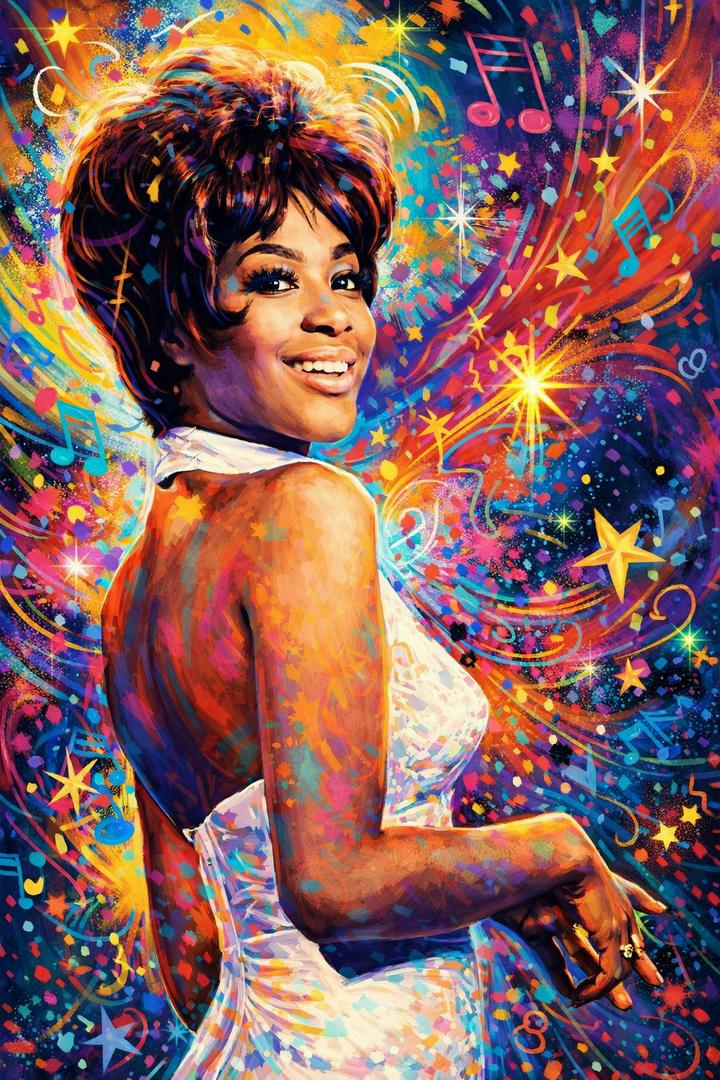
Born in 1942, Marlena Shaw came out of the jazz tradition sharp, politically aware, and unapologetically Black in her sound and subject matter. She could swing with the best of them, but she also spoke directly to the conditions of the time. Songs like Woman of the Ghetto didn’t whisper social commentary…they stated it plainly. Poverty, neglect, dignity, and survival weren’t metaphors in her music. They were facts. Then there’s California Soul…a song that somehow managed to be joyful, defiant, and timeless all at once. It became an anthem not because it chased trends, but because it captured a feeling that never left. Decades later, hip hop heard what jazz heads already knew. Marlena Shaw’s voice had weight. Her phrasing had attitude. Her tone carried authority. That’s why her work has been sampled by generations of artists who recognized the power embedded in her sound. She existed in that sacred space between jazz, soul, and social consciousness. Never overexposed. Never watered down. Just solid. Just real. Marlena Shaw didn’t need chart domination to leave fingerprints on the culture. She left echoes instead…and echoes last longer. Her passing on January 19 feels less like an ending and more like a reminder. Some voices don’t fade. They circulate. They resurface. They keep teaching new listeners what substance sounds like. Rest well to a woman who sang with purpose and never begged for permission. #MarlenaShaw #CaliforniaSoul #WomanOfTheGhetto #JazzHistory #SoulMusic #MusicLegacy #SampledNotForgotten #OnThisDay #GiveHerHerFlowers

LataraSpeaksTruth

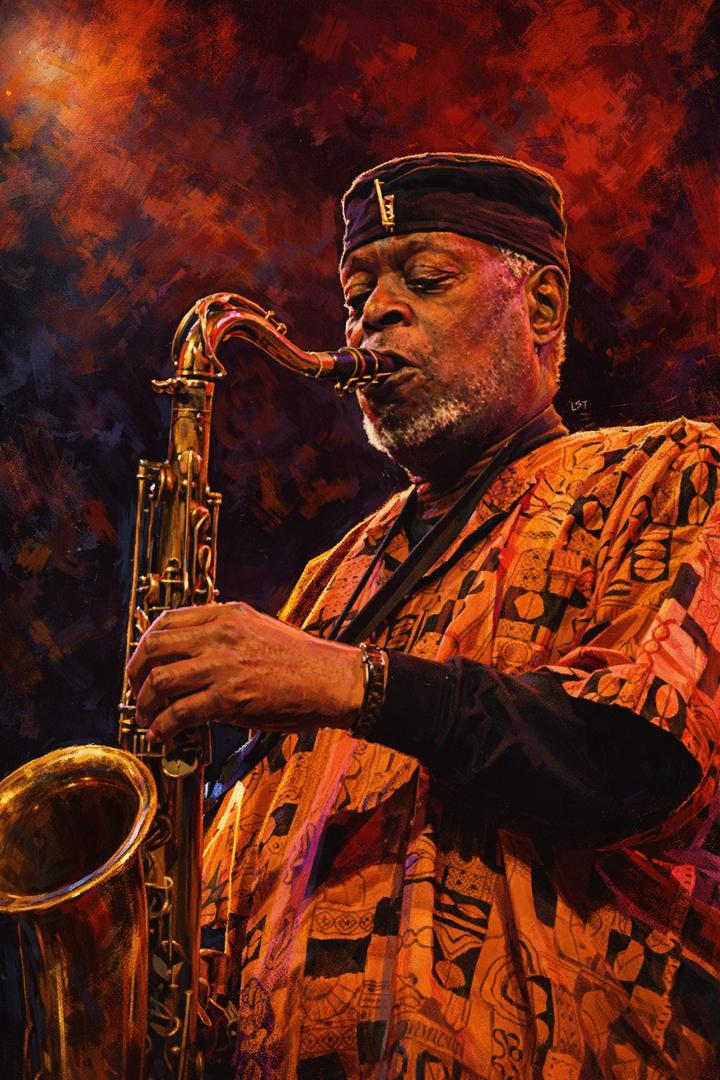
Dewey Redman was a saxophonist who understood that jazz didn’t have to choose between tradition and freedom. He carried both. His playing was rooted in blues language and swing, but he refused to stay confined by polite boundaries. For Redman, jazz was meant to breathe, stretch, and sometimes feel uncomfortable if it meant telling the truth. Emerging from the post-bop era, Redman became one of the defining voices of avant-garde jazz, not by rejecting structure, but by loosening it. His collaborations with Ornette Coleman helped shape harmolodic thinking, where hierarchy dissolved and musicians listened to each other as equals. Redman’s saxophone didn’t dominate the room…it conversed, questioned, and responded. What set Redman apart was balance. He could sound raw without being reckless, experimental without losing emotional weight. His tone carried grit, humor, and lived experience. Even at his most exploratory, the blues were never far away. That grounding is what made his freedom feel earned. Beyond his own recordings, Redman influenced generations of musicians who learned that jazz is not a museum piece…it’s a living language. One that changes depending on who’s speaking and who’s listening. His legacy also continues through family, with his son Joshua Redman carrying forward that same spirit of curiosity and exploration. Dewey Redman wasn’t chasing trends or approval. He was building space. Space for freedom. Space for conversation. Space for jazz to keep becoming. #DeweyRedman #JazzHistory #AvantGardeJazz #PostBop #ModernJazz #MusicLegacy

LataraSpeaksTruth

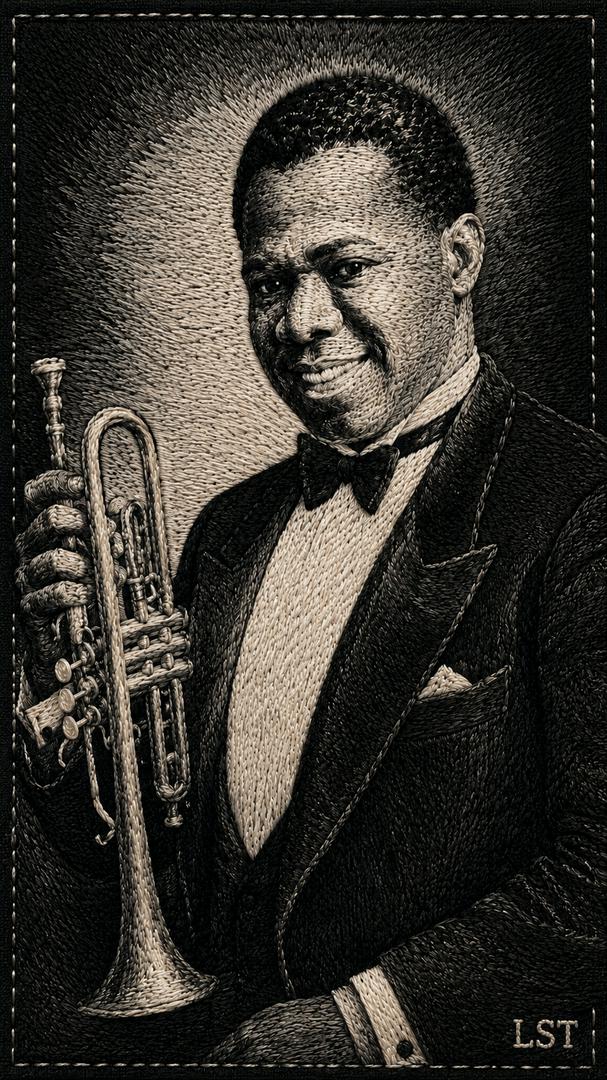
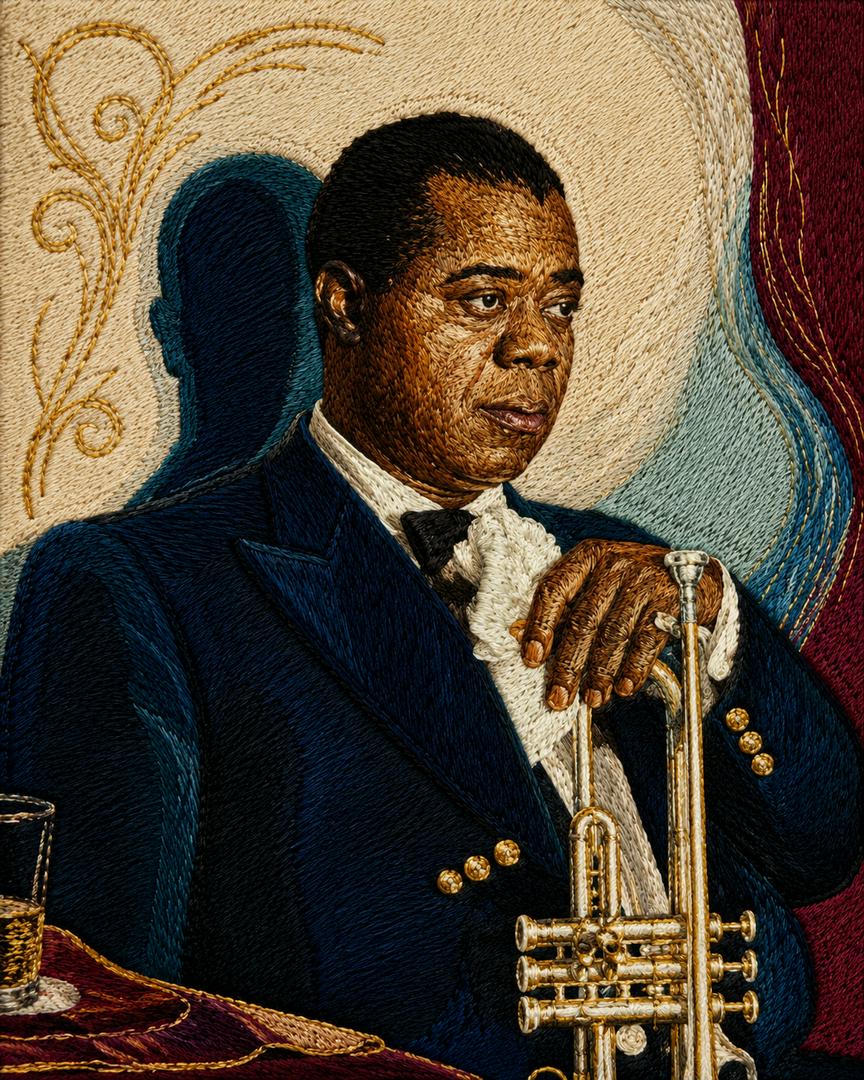
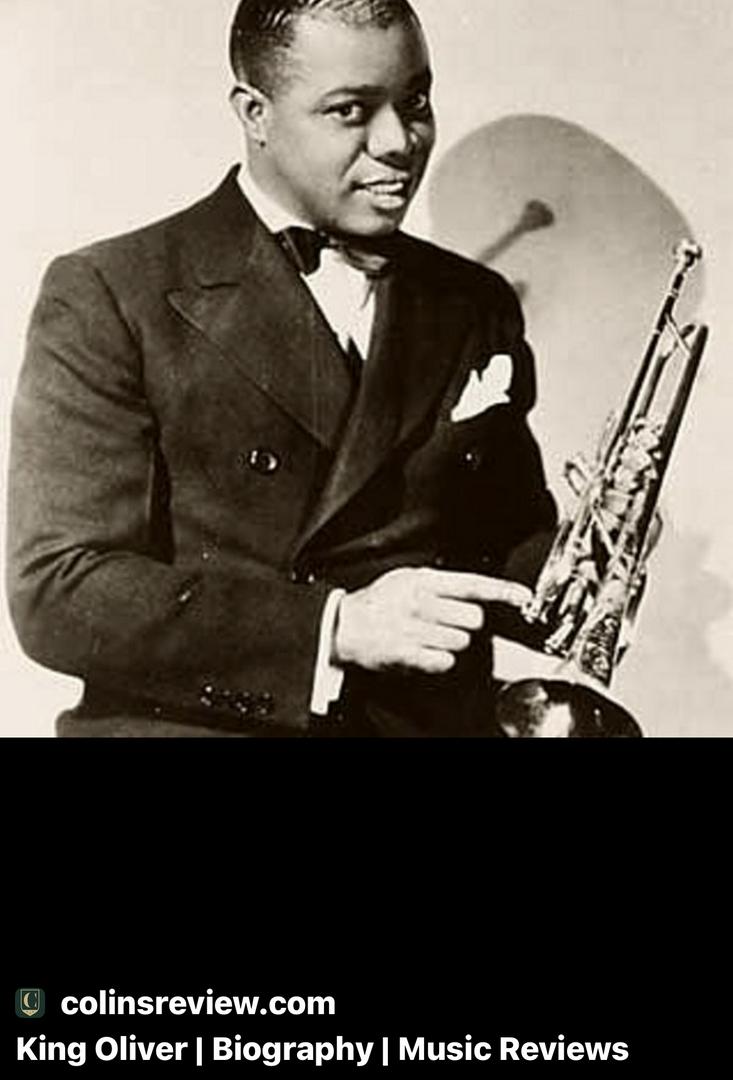
In the late 1910s, cornetist Joe “King” Oliver left New Orleans for Chicago, a move that became part of a much larger shift happening across the country during the Great Migration. As Black families moved north in search of opportunity and safety, musicians carried their sound with them. New Orleans jazz did not stay rooted to one city. It traveled with the people who created it. Chicago quickly became one of the most important destinations for this music. King Oliver’s presence there helped establish the city as an early jazz capital, shaping what audiences across the nation would come to recognize as the New Orleans jazz style. His leadership and musicianship influenced a generation, including Louis Armstrong, who later joined Oliver’s band and carried that sound even further. This movement was not a single moment or one man acting alone. It was a gradual cultural migration, built through train rides, nightclubs, and crowded dance halls. Jazz spread the same way people did… step by step, city by city. What began in New Orleans found new life in northern cities, changing American music forever. The story of King Oliver’s move is a reminder that culture doesn’t just stay put. It moves with people. And when it moves, it reshapes the nation. #KingOliver #NewOrleans #ChicagoHistory #JazzHistory #GreatMigration

You've reached the end!