Tag Page Independence

#Independence
1776 Patriot

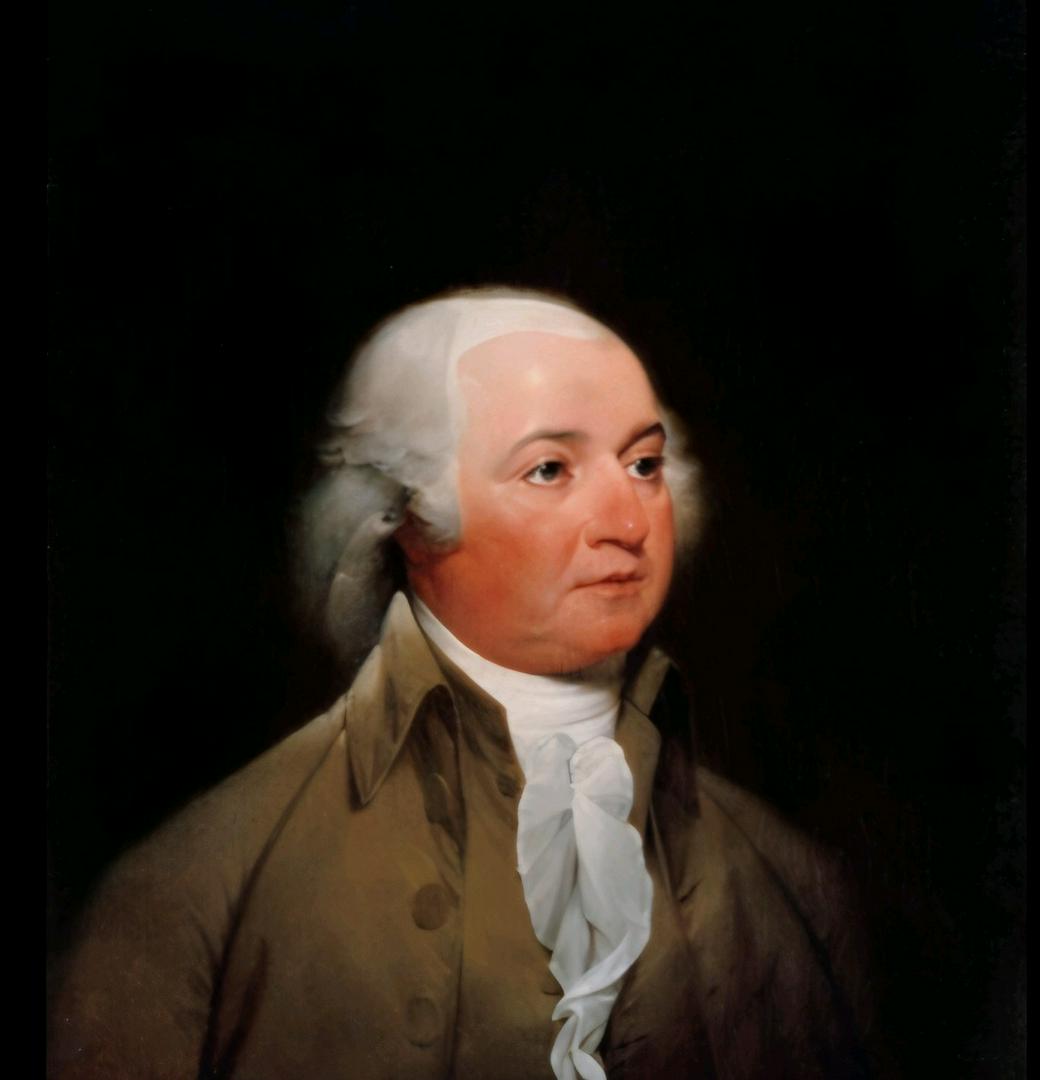
250 Year Ago Today, June 10, 1775: Adams Calls for an Army, Congress Unites the Colonies, A Revolution Takes Shape On June 10, 1775, John Adams rose in the Second Continental Congress in Philadelphia and proposed that the New England militiamen besieging Boston be formally adopted into a Continental Army under centralized command. The decision would transform scattered colonial forces into the foundation of a unified war effort. After Lexington and Concord, militia units from multiple colonies converged on Boston but remained divided by separate commands, short enlistments, and locally controlled leadership. Adams pressed Congress to replace fragmented provincial authority with a single continental structure capable of sustaining war. Adams also understood that the conflict could not succeed if it remained a New England rebellion. To demonstrate continent-wide solidarity, he advocated appointing a commander-in-chief from outside New England. His choice was Virginia’s George Washington, a respected military veteran whose experience lent credibility to the cause. Washington had served during the French and Indian War and commanded the Virginia Regiment, giving him valuable military experience and colony-wide respect. Congress created the Continental Army on June 14, appointed Washington on June 15, and saw him accept on June 16. He declined a salary, requesting only expense reimbursement. Days later, colonial forces would face Britain at Bunker Hill. Delegate records show leaders balancing secrecy, logistics, and political unity while converting a regional uprising into coordinated resistance. The decision of June 10 did more than form an army, it unified thirteen colonies into a shared military cause and create one of the first institutions. Adams’s motion set a chain of events that placed Washington in command and built the force that would secure American independence. #History #USHistory #America #USA #RevolutionaryWar #Independence

1776 Patriot

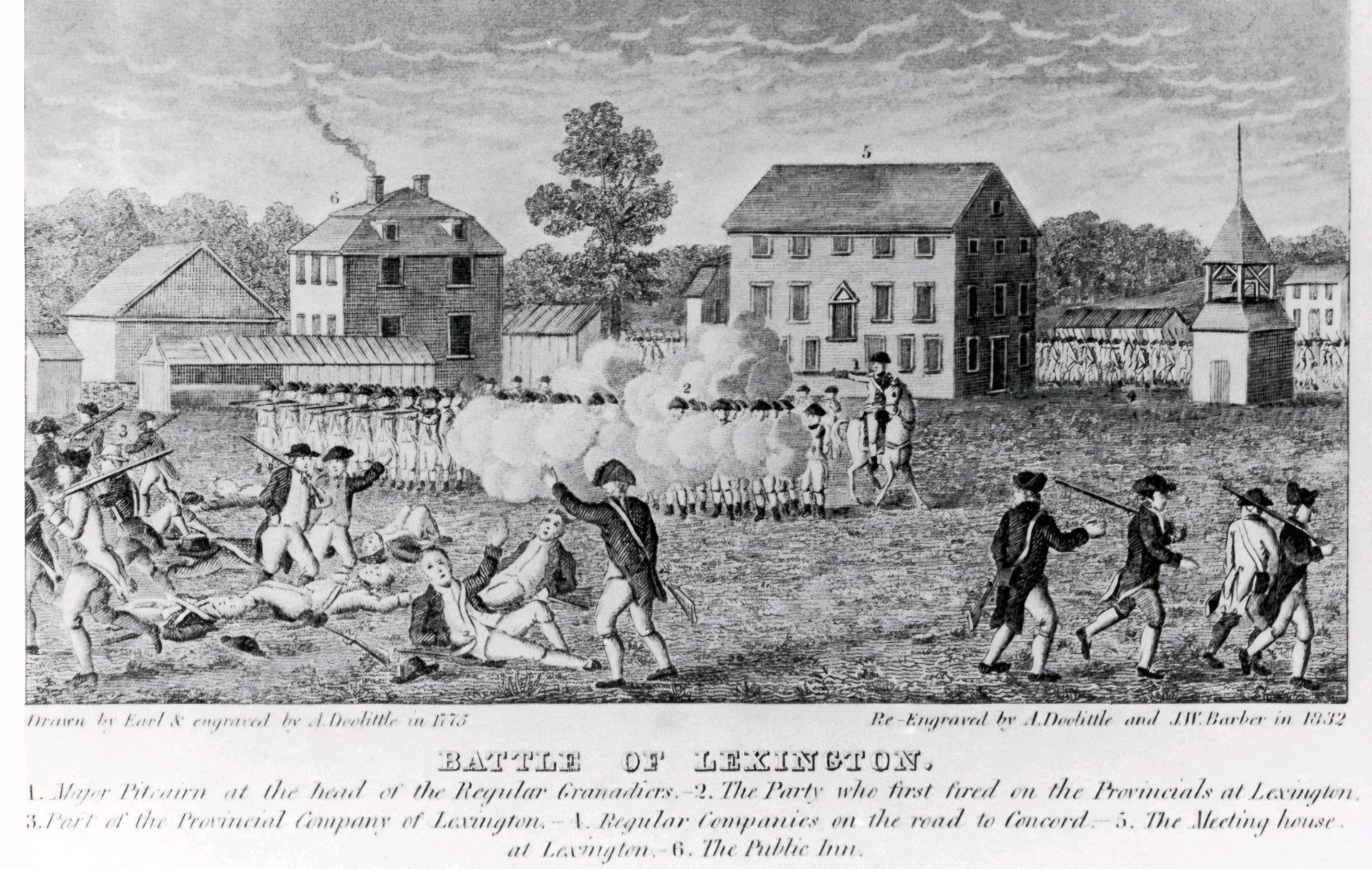
Today in History: News of Lexington and Concord Reaches Virginia, A Nation Begins to Rise Today marks 251 years since April 29, 1775, when news of the first shots of the American Revolution reached Virginia, accelerating a chain reaction already underway. Just ten days earlier, on April 19, British troops clashed with colonial militias at Lexington and Concord in Massachusetts, marking the beginning of armed resistance. Word traveled quickly through riders and newspapers. By April 29, the Virginia Gazette, published in Williamsburg, carried early reports describing the fighting, confirming that blood had been shed and that colonial forces had surrounded British troops in Boston. Although some details were exaggerated, the core message was clear: open conflict had begun. The timing intensified tensions in Virginia. Only days before, Royal Governor Lord Dunmore had ordered the removal of gunpowder from Williamsburg’s public magazine, fearing it could fall into colonial hands. The move alarmed residents, who viewed it as a direct threat to their rights and security. As news from Massachusetts arrived, anger grew. Militia units mobilized, and leaders such as Patrick Henry used the moment to rally resistance. Couriers and printed broadsides ensured the reports spread rapidly beyond Williamsburg into surrounding counties, reaching plantation communities and frontier settlements within days. The Powder Incident, combined with confirmed fighting in the North, shifted public opinion toward open defiance. These events helped unify the colonies. What began as isolated clashes quickly became a shared cause, pushing Virginia and others closer to revolution and, ultimately, independence. Committees of safety began coordinating local responses, strengthening communication networks and preparing communities for sustained resistance. #History #USHistory #America #USA #RevolutionaryWar #Independence

1776 Patriot

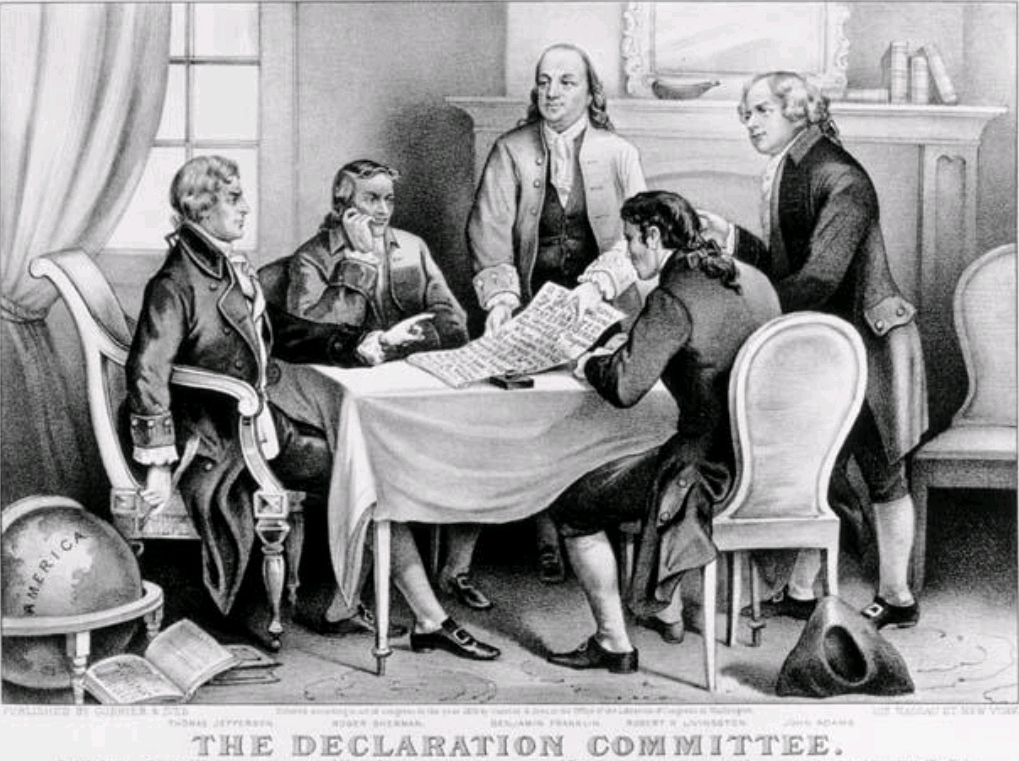
250 Years Ago Today, 6/7/1776: The Resolution That Launched American Independence Today marks exactly 250 years since June 7, 1776, when Virginia delegate Richard Henry Lee stood before the Second Continental Congress in Philadelphia and introduced a resolution that pushed the American colonies toward independence. With a large British invasion force preparing operations against the colonies and hopes for reconciliation fading, Lee proposed that the thirteen colonies be declared “free and independent States,” no longer subject to the authority of King George III. The Lee Resolution called for a complete break with Great Britain. It declared that all political ties with the British Crown should be dissolved and that the colonies should possess the full powers of an independent nation, including the authority to wage war, make peace, form alliances, and conduct trade. What had begun as resistance was becoming a fight for independence. Congress delayed a final vote to allow several colonies time to authorize the measure, but it also appointed a committee including Thomas Jefferson, John Adams, and Benjamin Franklin to draft a declaration explaining the case for independence (pictured). Jefferson was chosen to write the first draft. Meanwhile, General George Washington and the Continental Army strengthened defenses around New York as British forces gathered for a major campaign. Congress approved additional troops and created the Flying Camp, a mobile militia force designed to respond quickly to threats. News of Lee’s resolution spread rapidly through the colonies, energizing local committees and militia units. Many Americans recognized there was no turning back. The struggle had moved beyond protest and resistance; it had become a fight to create a new nation. #AmericanHistory #Independence #USA #History #America #Military

You've reached the end!