Tag Page HistoryMatters

#HistoryMatters
LataraSpeaksTruth

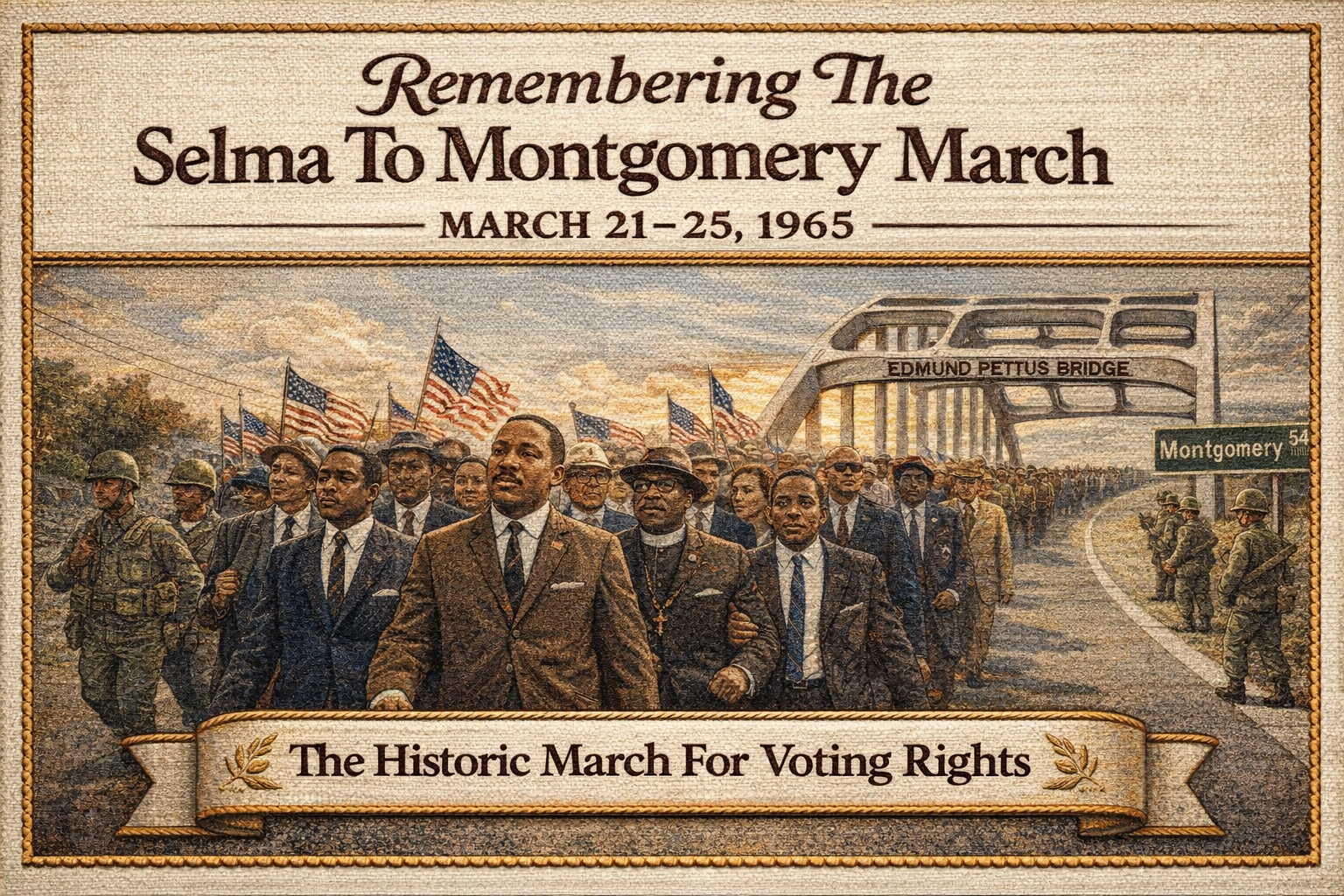
On March 21, 1965, Dr. Martin Luther King Jr. and thousands of voting rights demonstrators began the third Selma to Montgomery march in Alabama. Unlike the first two attempts, this march moved forward under federal protection after national attention had turned to Selma and the growing demand for change. The march followed two earlier efforts that drew widespread attention to the barriers many Black citizens faced when trying to vote in the South. On March 7, in the event remembered as Bloody Sunday, peaceful demonstrators were stopped by law enforcement as they crossed the Edmund Pettus Bridge. A second attempt on March 9 was also cut short. Beginning on March 21, marchers traveled roughly 50 miles over five days, arriving in Montgomery on March 25. As they moved forward, support grew and the march became one of the most important public demonstrations of the civil rights era. The Selma to Montgomery march helped build momentum for the Voting Rights Act of 1965, which targeted unfair voting barriers such as literacy tests. What began in Selma became a turning point in the national fight for equal access to the ballot. Sources…National Archives…National Park Service…Stanford King Institute…Britannica #OnThisDay #SelmaToMontgomery #VotingRights #CivilRightsMovement #MLK #BlackHistory #AmericanHistory #HistoryMatters

LataraSpeaksTruth

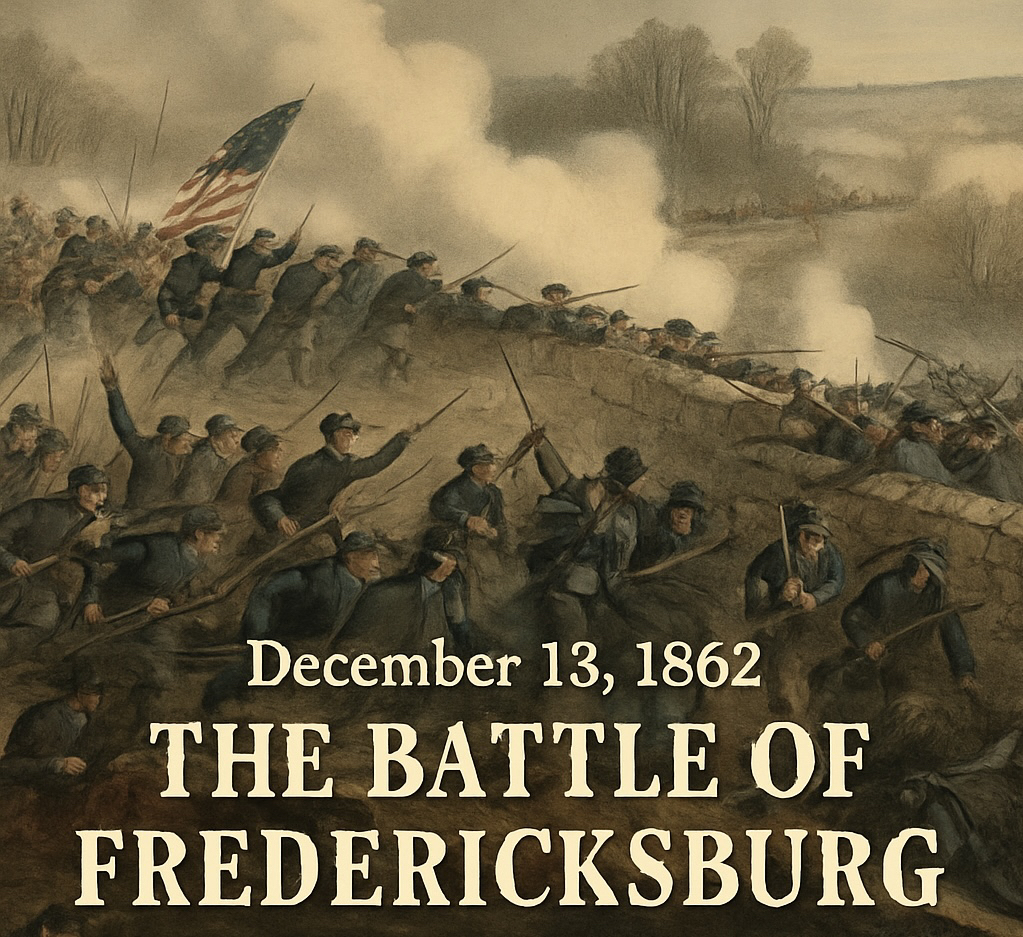
The Battle of Fredericksburg on December 13, 1862 unfolded during one of the most consequential pauses in American history. The Emancipation Proclamation had been announced but would not take effect for another three weeks, placing this battle squarely in the gap between declared freedom and enforced freedom. That timing matters. Although the soldiers fighting at Fredericksburg were overwhelmingly white, the consequences of the Union’s defeat fell heavily on enslaved people. Every failed campaign delayed the collapse of the Confederacy, extending the lifespan of slavery in the South. Union losses did not just cost lives on the battlefield, they prolonged bondage beyond it. Enslaved Black people in Virginia were also directly entangled in this campaign. They were forced to build fortifications, transport supplies, cook, clean, and provide labor for Confederate forces. They were not passive observers of the war. They were coerced infrastructure sustaining it. Fredericksburg’s staggering casualties intensified Northern pressure on Union leadership. Repeated bloodshed made emancipation less of a political abstraction and more of a moral and strategic necessity. That shift helped open the door to Black enlistment in 1863, altering the direction of the war and the meaning of freedom itself. Fredericksburg was not a Black-led battle, but it was part of the chain reaction that led to Black soldiers fighting for their own liberation and the formal destruction of slavery. History is not only about who is visible in the moment, but about who bears the cost while the nation decides who it will become. #December13 #OnThisDay #CivilWarHistory #BattleOfFredericksburg #AmericanHistory #HistoryMatters #UntoldHistory #HiddenHistory #HistoricalContext

LataraSpeaksTruth

In 1860, long after the United States banned the international slave trade in 1808, a ship called the Clotilda was used to smuggle about 110 captive Africans into the Mobile area in Alabama. The people behind it knew it was illegal. After the captives were brought ashore, the crew burned the ship and sank it in the Mobile River delta to hide the evidence. After emancipation, many survivors wanted to return to West Africa, but they could not afford passage. So they did something powerful and practical. They pooled money, bought land north of Mobile, and built an independent community that became known as Africatown, often linked to its founding around 1866. It was not just a place to live. It was a decision to rebuild on their own terms with churches, a school, family networks, mutual aid, and cultural memory held tight. One of the most well known survivors was Oluale Kossola, often called Cudjo Lewis. He lived until 1935 and shared his story in detail, helping keep names, places, and experiences from being lost. For generations, outsiders doubted Africatown’s origin story. Then in May 2019, archaeologists and the Alabama Historical Commission confirmed a wreck as the Clotilda, backing up what descendants had been saying all along. They tried to erase the crime. Africatown refused to disappear. #Africatown #Clotilda #MobileAlabama #AlabamaHistory #BlackHistory #HiddenHistory #UntoldHistory #AmericanHistory #HistoryMatters #CudjoLewis

LataraSpeaksTruth

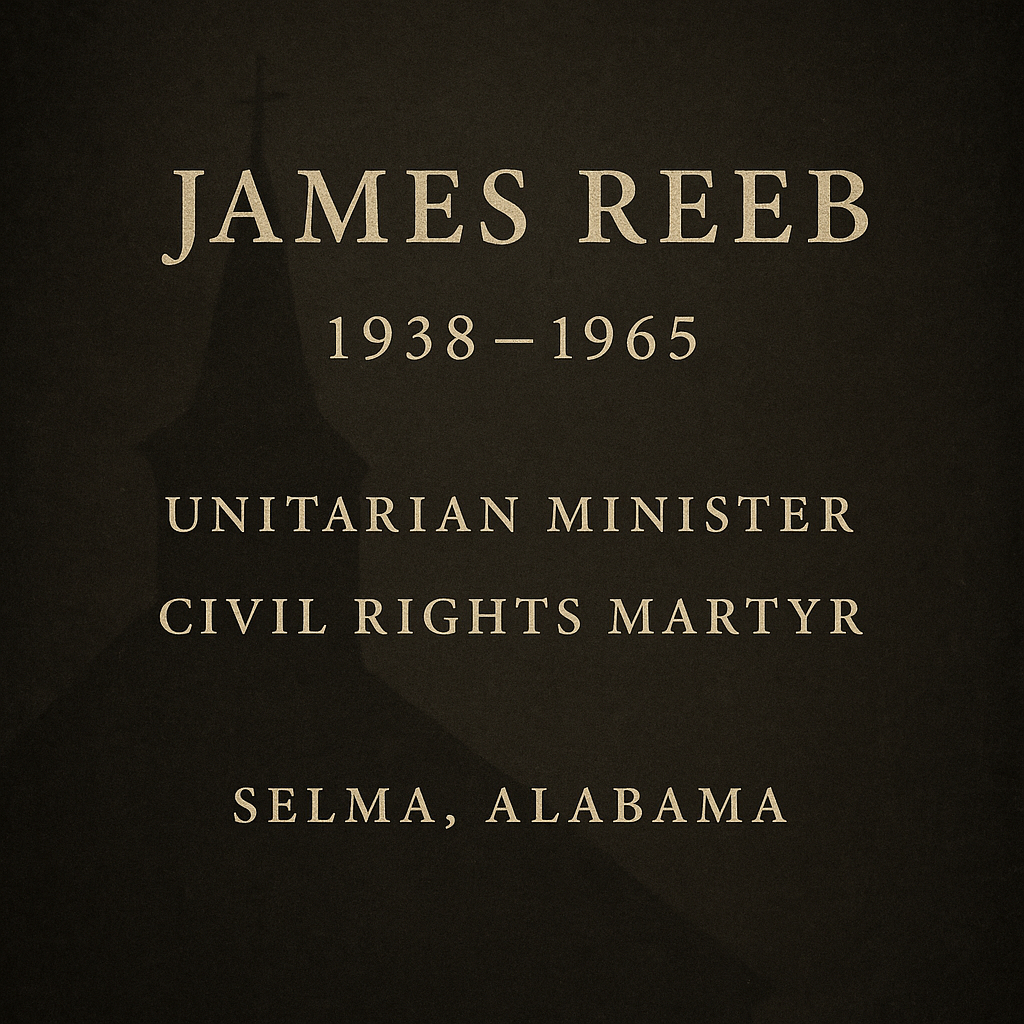
James Reeb was a white Unitarian Universalist minister from Boston who answered Dr. King’s call after Bloody Sunday in Selma in March 1965. He didn’t have to go. Nobody forced him. He chose to show up anyway, knowing exactly how violent Alabama was toward civil rights workers at that moment. On March 9, 1965, after leaving a restaurant with two other ministers, Reeb was attacked by white segregationists armed with clubs. He was struck in the head, collapsed, and died two days later on March 11. He was 38 years old. Here’s the part people like to gloss over. His murder wasn’t accidental. It wasn’t random. It was targeted racial terror meant to send a message. And the response to his death tells you everything. Hospitals initially refused to treat him properly. The men charged with his murder were acquitted by an all-white jury. No justice. Just like that. Reeb’s death shocked the nation precisely because he was white. That’s uncomfortable, but it’s true. His killing helped push public pressure that led directly to the passage of the Voting Rights Act of 1965. Not because his life mattered more, but because America suddenly paid attention when the violence crossed a line it had been ignoring for centuries. So when people try to argue that white allies didn’t sacrifice anything, James Reeb stands right there in the historical record saying otherwise. Sacrifice doesn’t require shared oppression to be real. It requires choice, risk, and consequence. He chose to stand where hatred was loud, and it cost him his life. #JamesReeb #Selma1965 #VotingRightsHistory #CivilRightsMovement #FreedomStruggle #HistoryMatters #UntoldHistory #RememberSelma

LataraSpeaksTruth

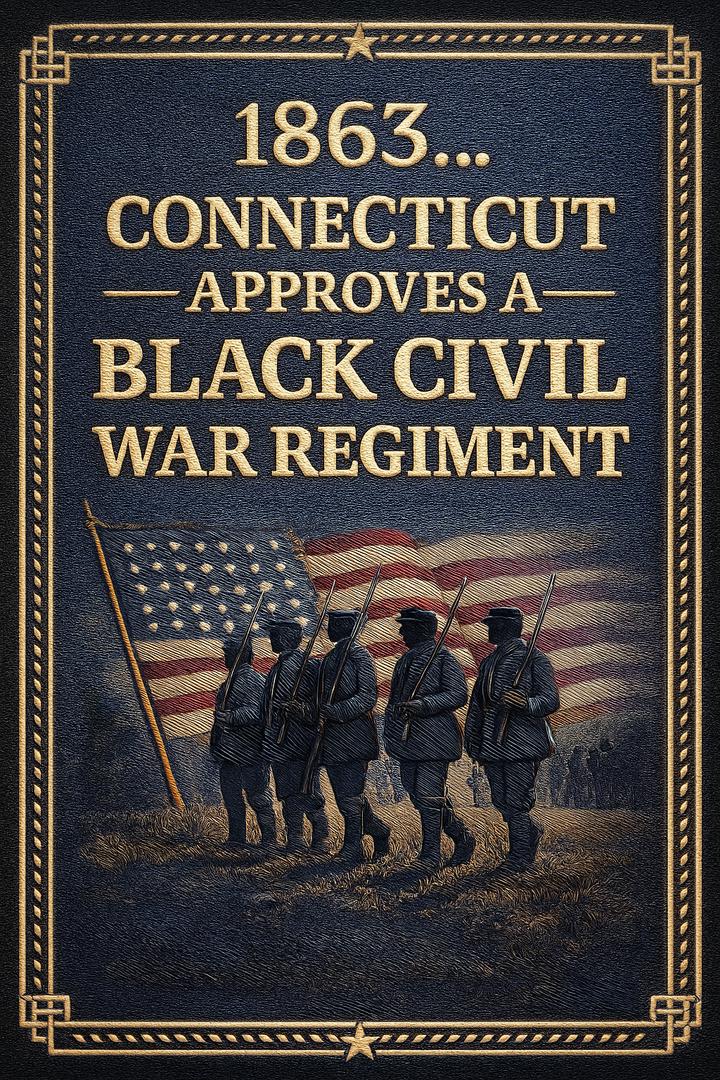
1863… Connecticut Approves a Black Civil War Regiment

On this day in 1863, the Connecticut General Assembly met in a special session to decide whether Black men could serve as front line soldiers in the Union Army. After a day of debate, lawmakers approved the measure, and Governor William Buckingham signed it into law on November 23. This decision opened the door for Black residents in Connecticut to enlist in a state infantry regiment for the first time. Recruiters began organizing almost immediately, and more than one thousand Black volunteers stepped forward in the following months. Their participation formed the 29th Connecticut Colored Infantry Regiment and helped begin a second unit, the 30th Connecticut. The 29th Connecticut mustered into service in early 1864 and later fought in major campaigns near Petersburg and Richmond. They were also among the first Union troops to enter Richmond when the city fell in April 1865. The decision made on November 23, 1863 marked a turning point in Connecticut’s military history and highlighted the essential role Black soldiers played in the Union’s efforts during the Civil War. #BlackHistory #TodayInHistory #CivilWarHistory #ConnecticutHistory #UnionArmy #29thConnecticut #HistoricalFacts #AmericanHistory #OnThisDay #HistoryMatters

1863… Connecticut Approves a Black Civil War Regiment
LataraSpeaksTruth

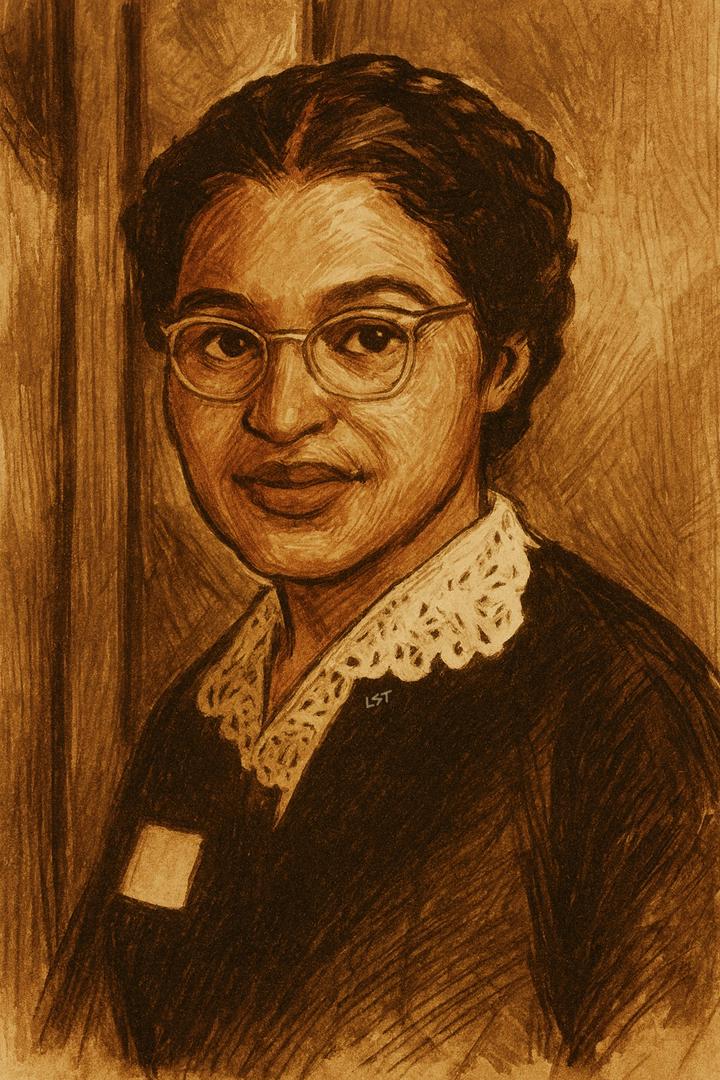
Rosa Parks Attends the Dexter Avenue Meeting, 1955

1955… Montgomery was already on edge, but that night at Dexter Avenue Baptist Church, things shifted. Rosa Parks walked into a packed mass meeting to hear a talk about Emmett Till… the 14-year-old boy whose brutal murder had shaken the entire country. The church was filled with tension, grief, anger, and a rising sense that silence was no longer an option. Parks sat and listened as speakers talked plainly about the dangers Black families faced across the South. Emmett Till wasn’t a headline to her… he was a warning, a wound, and a reminder of every injustice people tried to swallow just to survive. The stories that night weren’t meant to scare anyone… they were meant to wake everyone up. And Rosa heard all of it… really heard it. She wasn’t some tired seamstress like people love to repeat. She was seasoned, sharp, and fully aware of how dangerous the world around her was. That meeting settled something inside her spirit. It fed the backbone she already had. So when she refused to give up her seat just a few months later, it wasn’t random, it wasn’t sudden, and it definitely wasn’t because she was “just tired.” She was tired of abuse, tired of the disrespect, tired of a system that stole sons like Emmett Till and told mothers to accept it. That night at Dexter wasn’t a footnote… it was fuel. #OnThisDay #HistoryMatters #LataraSpeaksTruth #RosaParks #EmmettTill #Montgomery

Rosa Parks Attends the Dexter Avenue Meeting, 1955
LataraSpeaksTruth

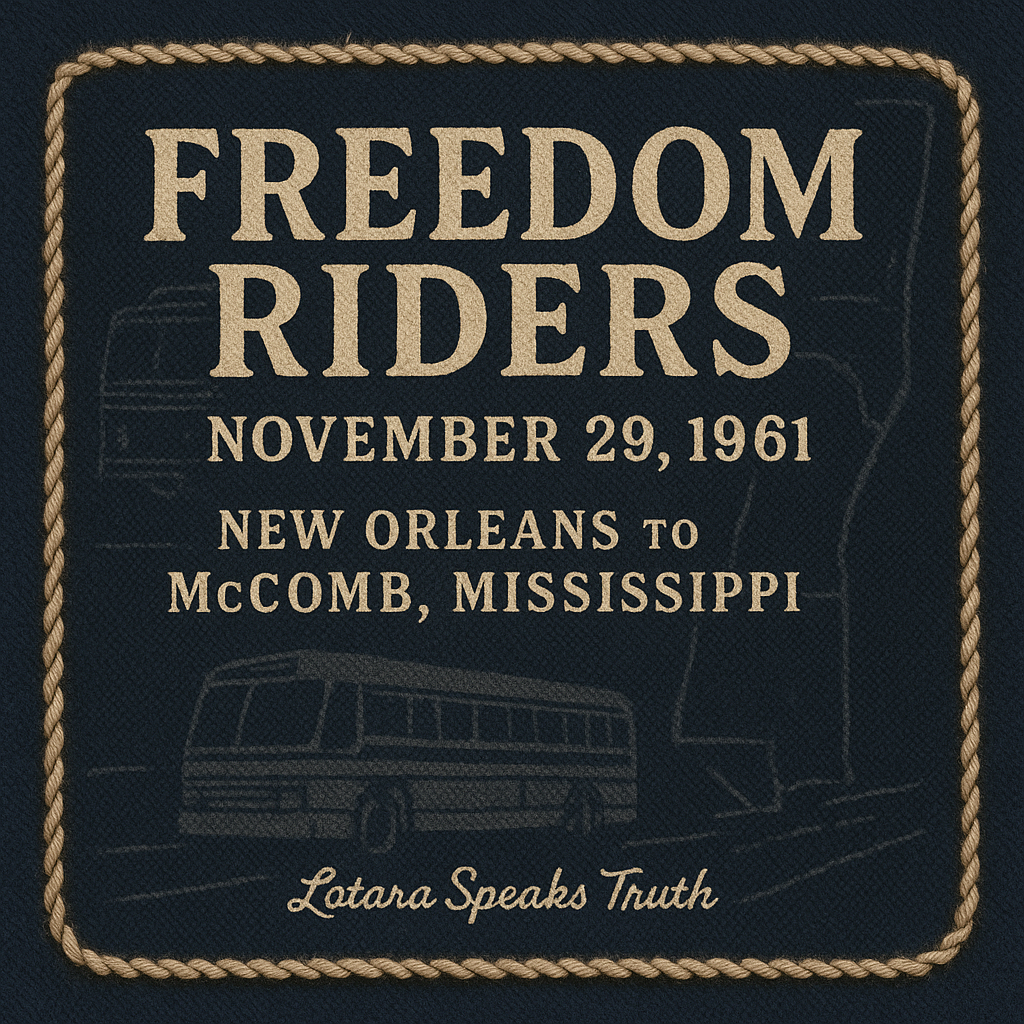
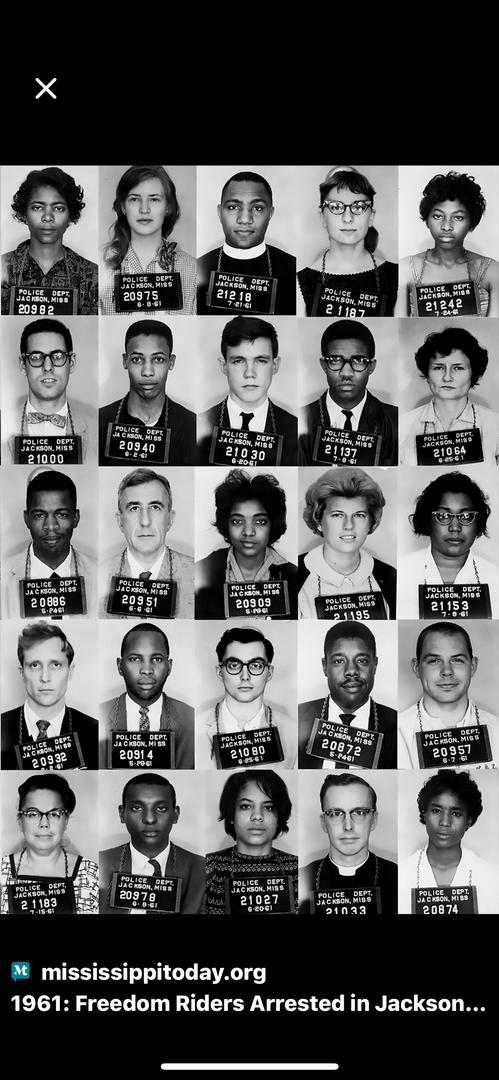
On This Day: November 29, 1961 — When the Freedom Riders Refused to Back Down

On this day in 1961, Freedom Riders were still rolling through the Deep South, long after the headlines tried to pretend the movement had “settled down.” The cameras had moved on. The danger hadn’t. Another group left New Orleans and headed straight into Mississippi, a place already infamous for jailing, beating, and shadowing anyone who dared to challenge segregation. They knew exactly what kind of storm they were walking into. And still, they stepped onto that bus. McComb wasn’t some sleepy pin on a map. It was one of the most hostile towns in the state… a place where activists were stalked, threatened, arrested, and sometimes worse, all for sitting in the wrong waiting room. That didn’t stop them. Their goal was simple: force the South to follow the law that already existed. The Supreme Court had ruled. The ICC had ordered desegregation of interstate travel. Mississippi just shrugged and said, “Not here.” These late-1961 rides didn’t come with a media circus or crowds chanting in the streets. What they did come with was quiet, stubborn courage, the kind that doesn’t need applause to stand firm. The riders were confronted, arrested, and pushed back at every turn, but they kept moving anyway. And that persistence mattered. Every arrest, every challenge, every mile traveled added pressure that eventually left the federal government out of excuses. The law was on the books. These riders made sure it was enforced. It’s a reminder that history isn’t built only from the bold moments everyone remembers. Sometimes it’s shaped by the steady footsteps of people who refuse to let injustice sit untouched. They kept riding… town by town, bus by bus… until the barriers cracked. #FreedomRiders #BlackHistory #CivilRightsMovement #OnThisDay #HistoryMatters #KnowYourHistory #LataraSpeaksTruth

On This Day: November 29, 1961 — When the Freedom Riders Refused to Back DownOn This Day: November 29, 1961 — When the Freedom Riders Refused to Back Down
LataraSpeaksTruth

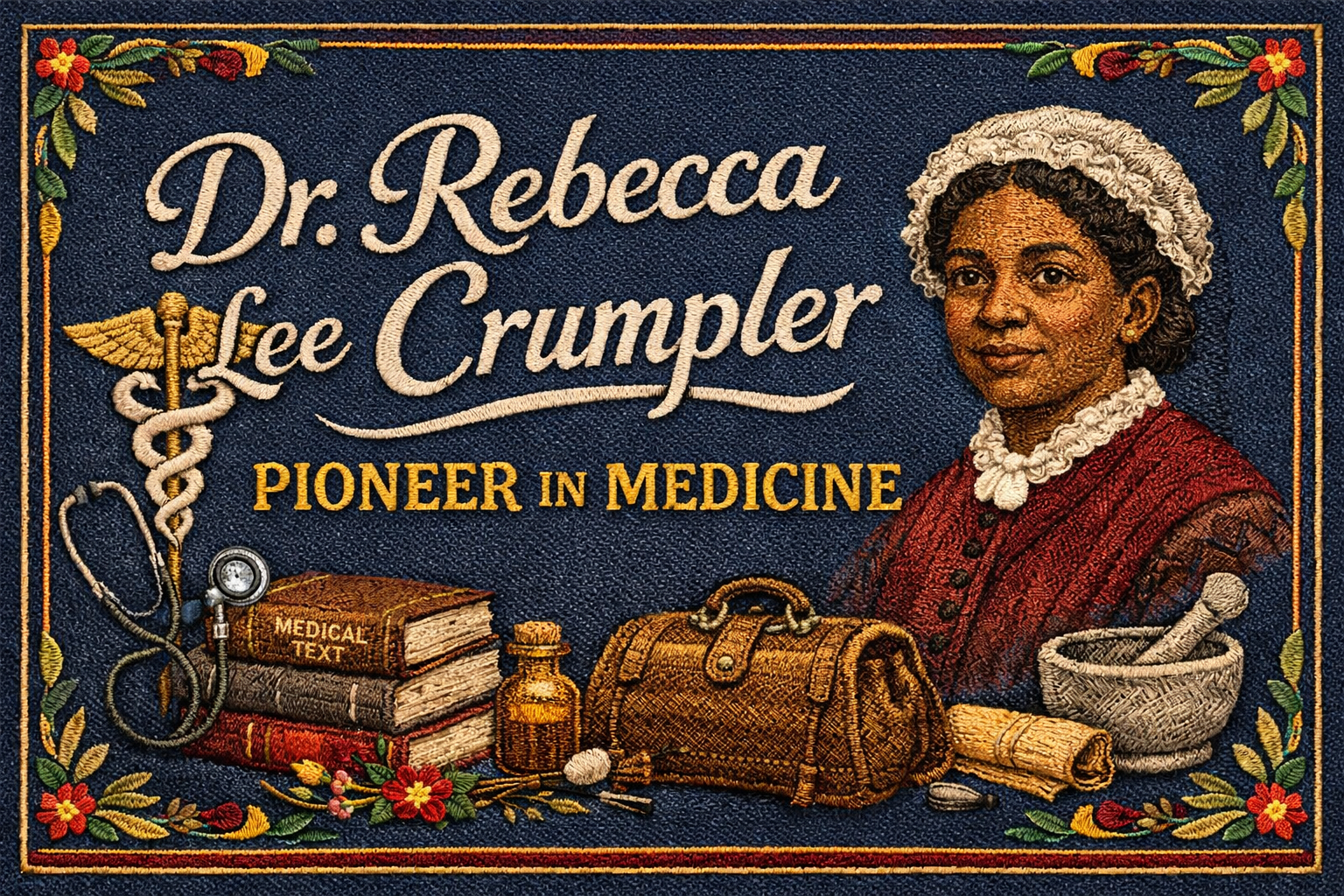
On March 9, 1895, Dr. Rebecca Davis Lee Crumpler died in Hyde Park, Massachusetts. Her death marked the close of a life that helped change American medical history. She is widely recognized as the first Black woman in the United States to earn a medical degree, graduating from the New England Female Medical College in 1864. At a time when both race and sex were used to shut people out of education and the professions, Dr. Crumpler entered medicine anyway and made history by doing work many believed she should never have been allowed to do. Before becoming a physician, she worked as a nurse for years. That experience shaped the kind of doctor she became. After earning her degree, she practiced in Boston and later in Richmond, Virginia, after the Civil War. There, she cared for newly freed Black people who had long been denied proper medical treatment. She focused especially on women and children, serving people too often ignored by the medical system and by the country itself. Her legacy matters not only because she was first, but because of who she chose to serve. Dr. Crumpler worked in a profession dominated by white men and pushed through racism, sexism, and open disrespect. In 1883, she published A Book of Medical Discourses, based on her medical experience caring for women and children. It stands among the earliest medical books published by an African American physician. Too often, history turns people like her into a quick fact and moves on. But Rebecca Crumpler was more than a milestone. She was a physician, writer, healer, and a woman who refused to let this country’s barriers define her reach. Her name belongs in the foundation of American medical history…not as a footnote, but as a pillar. #RebeccaLeeCrumpler #BlackHistory #WomensHistory #BlackWomenInMedicine #MedicalHistory #AmericanHistory #HiddenHistory #MassachusettsHistory #BlackExcellence #Trailblazer #HealthcareHistory #HistoryMatters

LataraSpeaksTruth

On March 3, 1991, a traffic stop in Los Angeles turned into one of the most widely seen police brutality cases in American history. That night, 25 year old Rodney King was pulled over by officers from the Los Angeles Police Department after a high speed chase. What happened next was captured on video and broadcast across the country. A nearby resident, George Holliday, used a home video camera to record several officers repeatedly striking King with batons and kicking him while he was on the ground. The footage showed King being hit dozens of times as officers attempted to restrain him. The video aired on television stations nationwide and quickly became a defining moment in public discussions about policing and accountability. For many Americans, it was the first time they had seen such an incident documented so clearly on camera. Four officers were eventually charged in connection with the beating. In April 1992, a jury in Simi Valley acquitted three of the officers and failed to reach a verdict on the fourth. The verdict triggered several days of unrest in Los Angeles. The 1992 Los Angeles uprising resulted in more than 60 deaths, thousands of injuries, and widespread property damage across the city. Later, two of the officers were tried in federal court for violating King’s civil rights. In 1993, two officers were convicted and sentenced to prison. The Rodney King beating and the video that captured it became a turning point in how the public viewed police encounters. It also marked one of the earliest moments when citizen recorded video began playing a major role in documenting incidents of police violence. More than three decades later, the footage remains one of the most recognized videos in modern American history. #RodneyKing #BlackHistory #1990sHistory #LosAngelesHistory #AmericanHistory #CivilRightsHistory #OnThisDay #HistoryMatters

LataraSpeaksTruth

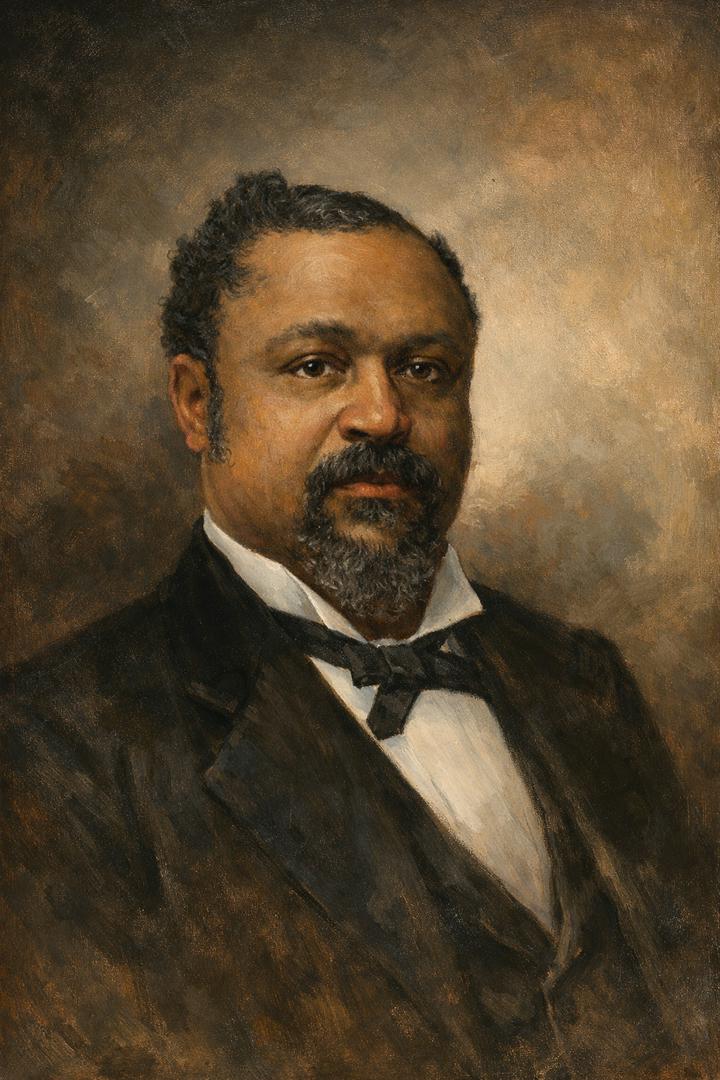
Blanche Kelso Bruce was born enslaved on March 1, 1841, near Farmville in Prince Edward County, Virginia. As a child, he received an education that was rare for someone held in bondage, and he carried that learning like a tool he refused to put down. When the Civil War began, Bruce left slavery and made his way west to Kansas. After that, he worked as a teacher in Hannibal, Missouri, helping educate newly freed Black children during the turbulent first years after emancipation. In 1868 he moved to Mississippi during Reconstruction and built a life in public service. He served on the Mississippi Levee Board, then held county office in Bolivar County as sheriff and later as tax collector from 1872 to 1875. In February 1874, Mississippi’s state legislature elected him to the United States Senate. He served from March 4, 1875, to March 3, 1881. Bruce was the second African American to serve in the U.S. Senate, and the first to complete a full six year term. In 1879 he became the first African American to preside over the Senate, a moment that carried weight far beyond the chamber. After his Senate service, Bruce continued in federal roles. In 1881 President James A. Garfield appointed him Register of the Treasury. He later served as Recorder of Deeds for Washington, D.C., and returned again as Register of the Treasury in 1897. Bruce died in Washington, D.C., on March 17, 1898, and was buried at Woodlawn Cemetery. Sources used for verification include the U.S. Senate’s biography of Bruce and the Biographical Directory of the United States Congress. #BlancheKelsoBruce #USSenate #ReconstructionEra #MississippiHistory #VirginiaHistory #AmericanHistory #BlackHistory #CivilWarEra #PoliticalHistory #HistoryMatters