Reflections from My Pocket: How I Came to Be on the Penny
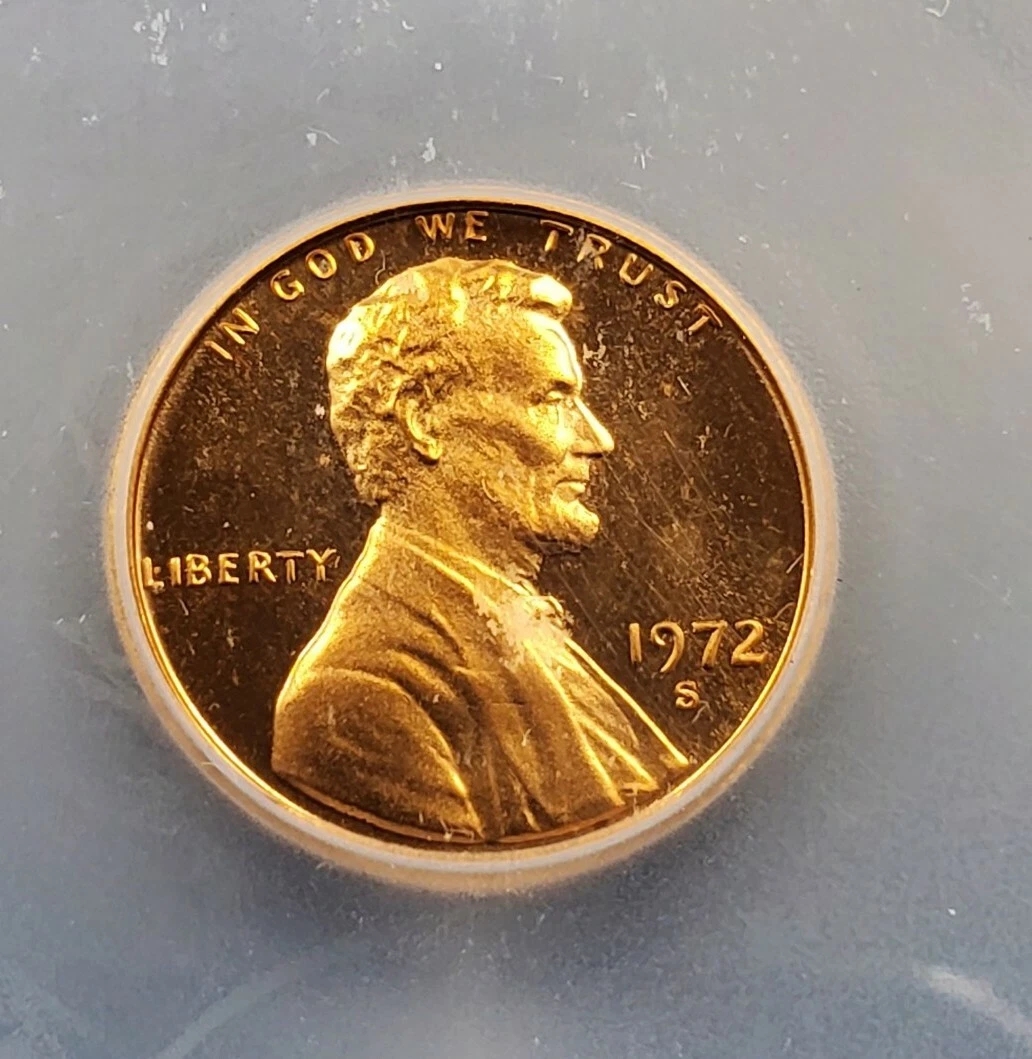
I never imagined my face would appear on something as ordinary as a penny, yet in 1909, the United States Mint struck the first Lincoln cent to honor my 100th birthday. At the time, that penny, worth one cent, had the purchasing power of roughly 30¢ today, enough to buy a loaf of bread or a newspaper. In that year alone, the Mint produced 72 million pennies, nearly 60% more than the previous year’s Indian Head cents, showing the public’s enthusiasm for seeing history in their pockets.
Why choose me? I understand now that Victor David Brenner, the sculptor who designed the coin, wrote, “I chose Lincoln because his life embodies the highest ideals of this country, and the coin should carry his noble image to every pocket.” I am humbled that my life, my work preserving the Union and proclaiming liberty for the enslaved, was seen as worthy of such a tribute. Some critics at the time worried about placing a political figure on money, yet the public embraced it.
Brenner, born in Lithuania and immigrating to the United States in 1890, captured my profile using photographs by Mathew Brady. His initials, VDB, appeared on the reverse of the first 1909 pennies, occupying roughly 1–2% of the surface, which sparked a debate over visibility and credit. The coin weighed 3.11 grams and was composed of 95% copper and 5% tin and zinc, nearly identical to modern pre-1982 cents. Within the first year, about 18 million coins bore the full VDB initials, making them prized collectibles today, some fetching hundreds or even thousands of dollars.
Even more than a century later, I am humbled that my likeness remains carried by millions every day. The Lincoln cent is a small object, yet it carries the weight of history, unity, and perseverance. I am glad that Brenner’s vision, that my life should embody the ideals of the nation in every pocket, lives on with each coin.
#History #USHistory #America #USA #Penny #Mint #Lincoln