Tag Page History

#History
OrbitalOtter

The Man Who Refused to Die: Hugh Glass’s Unreal Survival Story 🐻

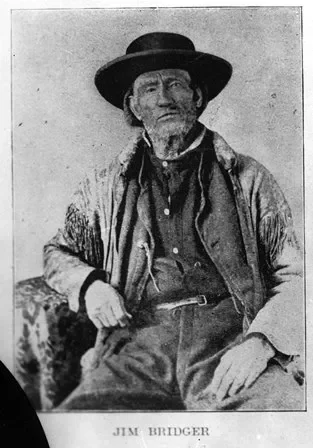
In 1823, frontiersman Hugh Glass was attacked by a grizzly bear, ripped apart, and left for dead by his companions. Most people wouldn’t have made it a day — but Glass crawled over 200 miles to safety with a broken leg, festering wounds, and zero weapons. No food, no medicine, no backup… just pure willpower and rage, I guess. It’s wild to think someone survived that without antibiotics, GPS, or even proper boots. We complain when the Wi-Fi drops for five minutes — this man dragged himself through the wilderness for months just to stay alive. Makes you wonder what kind of grit people used to have… and whether any of us still have even a fraction of that today. #UnexpectedHistory #UnexpectedResults #History

The Man Who Refused to Die: Hugh Glass’s Unreal Survival Story 🐻
1776 Patriot

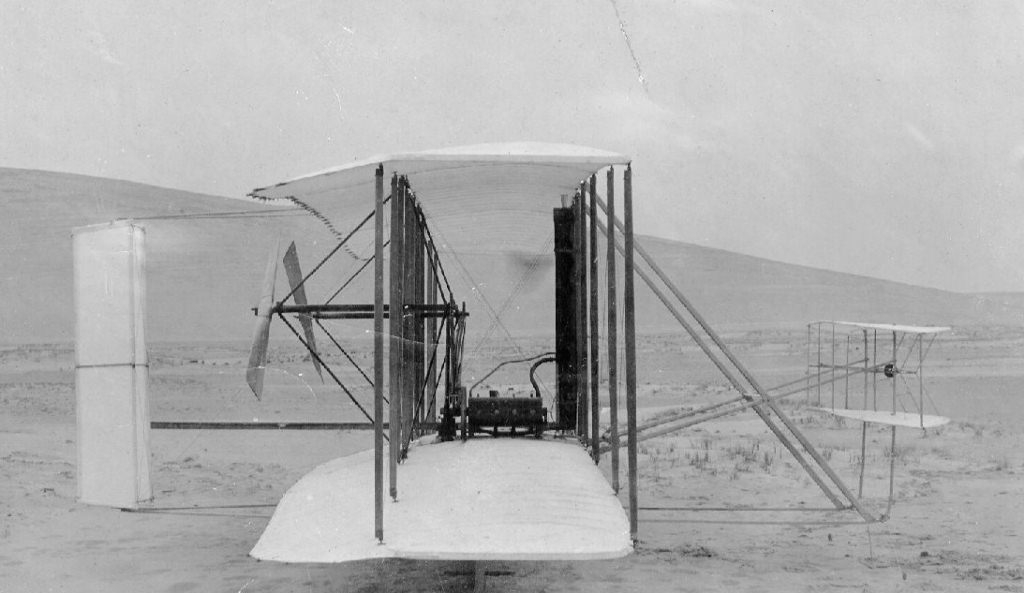
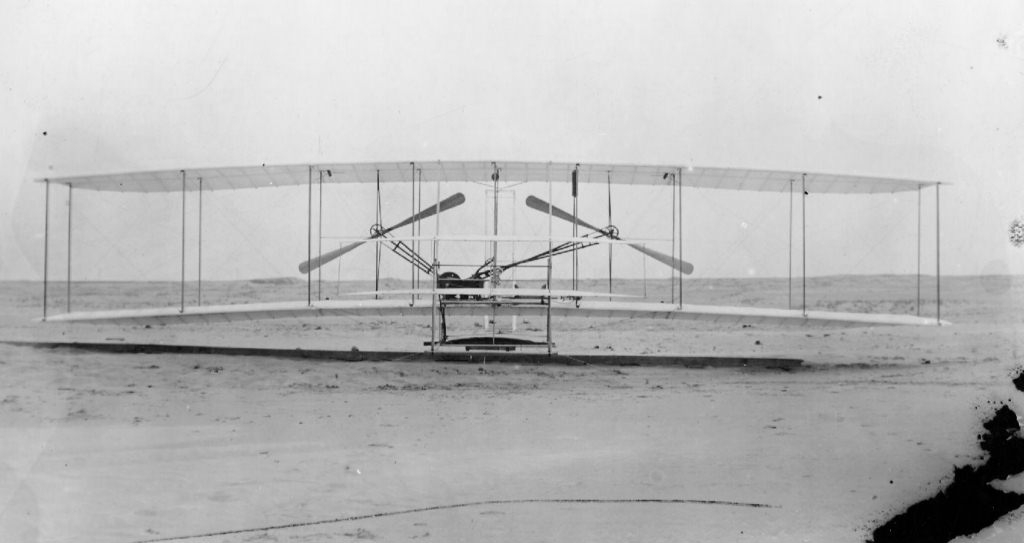
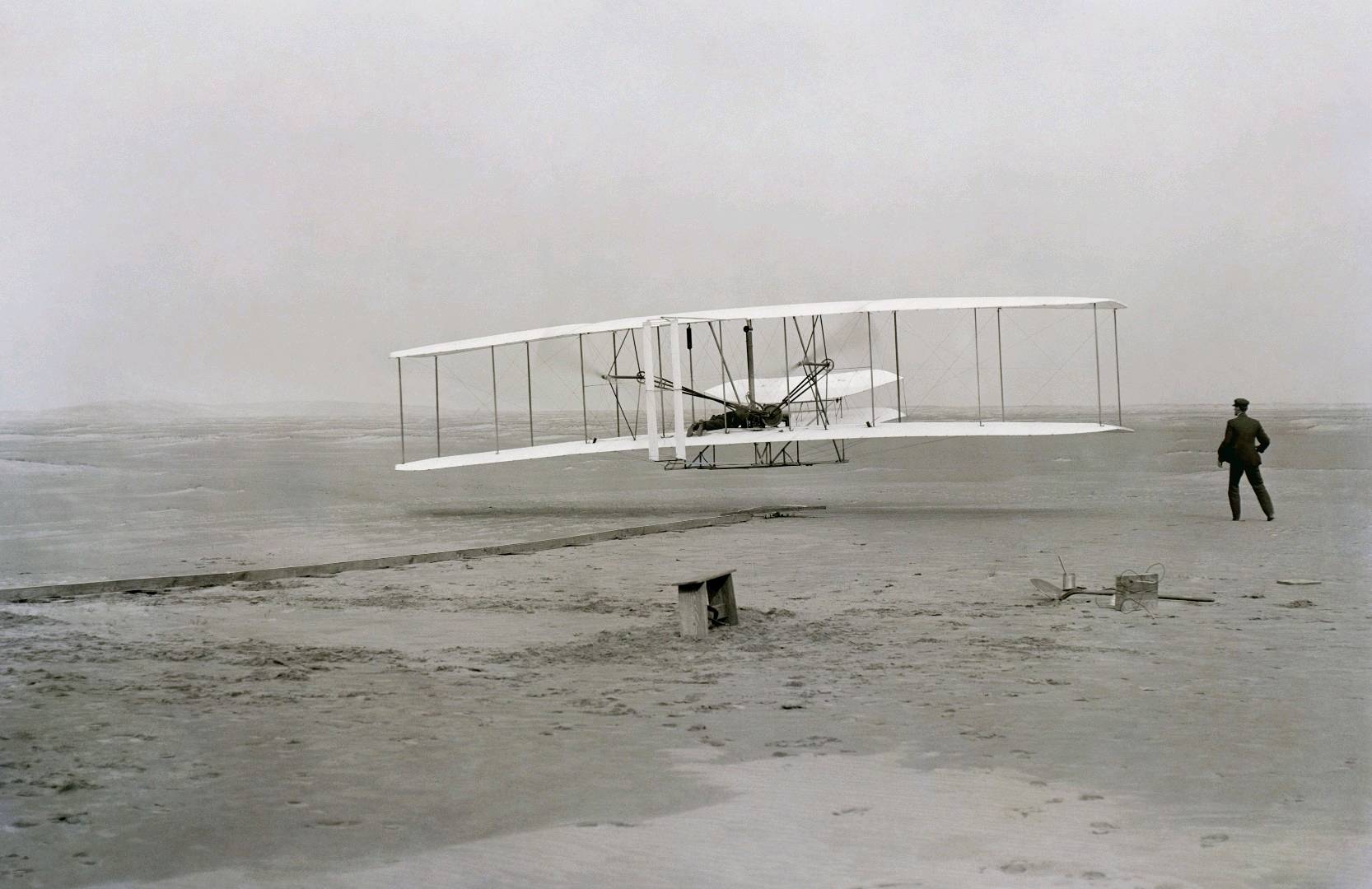
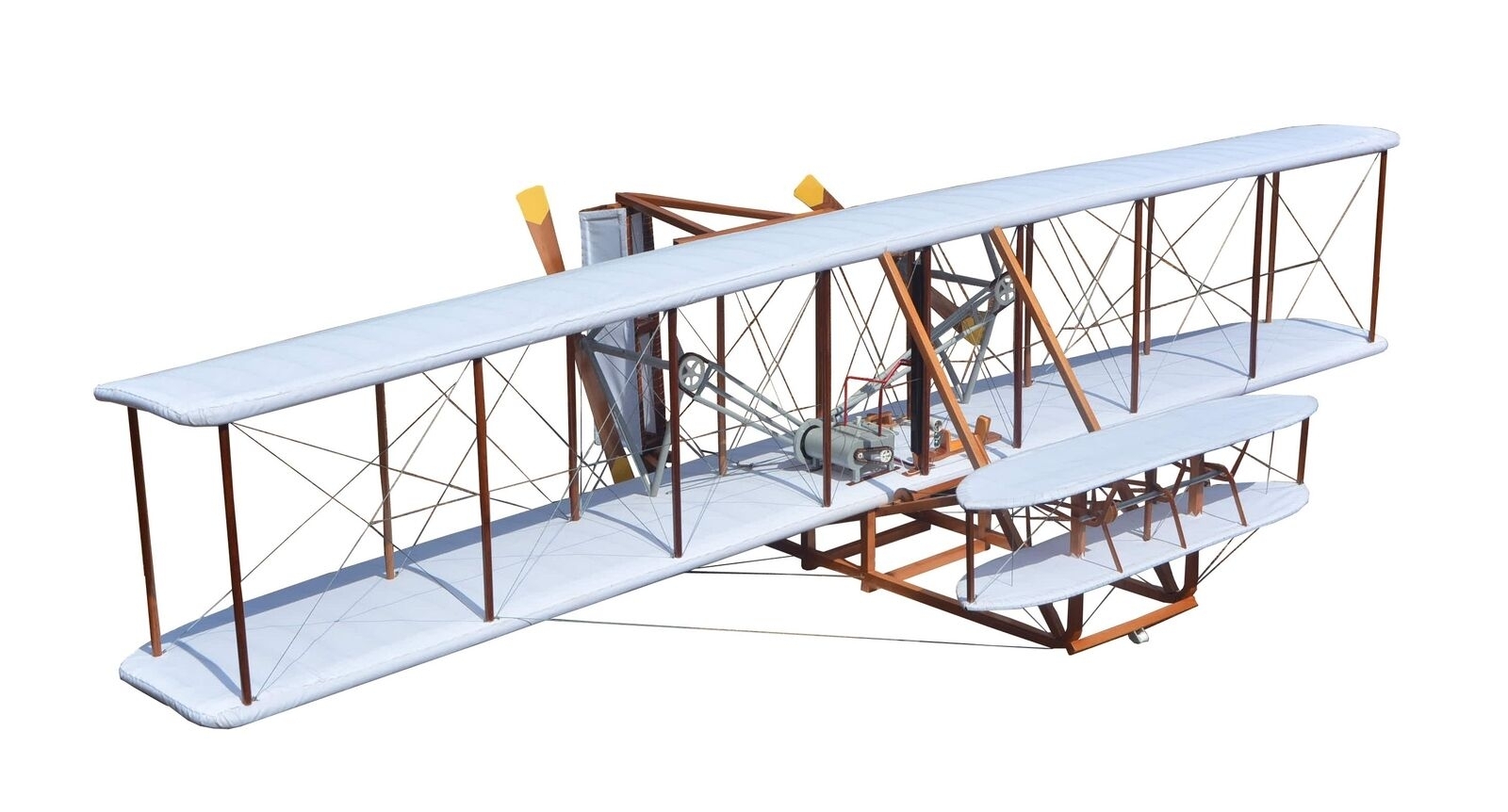
First Flight: Inside the Wright Brothers Historic Design

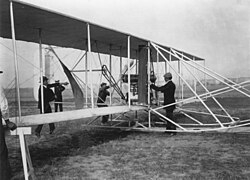
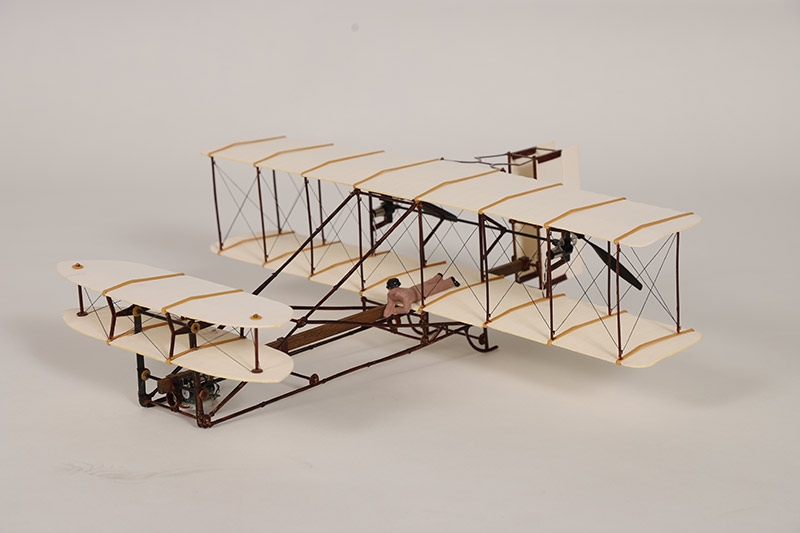
The Wright brothers’ first powered airplane, the Wright Flyer, achieved controlled flight on December 17, 1903, at Kill Devil Hills near Kitty Hawk, North Carolina. Orville and Wilbur were inspired by earlier aviation pioneers and by observing birds. They focused on control and stability, not just engine power, which had hindered prior inventors. Their breakthrough was a three-axis control system: a forward elevator for pitch, a rear rudder for yaw, and wing-warping for roll. Wing-warping twisted the wingtips via cables attached to the pilot’s hip cradle, rolling the airplane side to side. The elevator tilted the nose up or down, controlling pitch. The rudder turned the plane left or right, controlling yaw for directional changes without losing balance. Together, these controls allowed the pilot to maneuver safely in all three dimensions. Construction took about three years, from 1900 glider experiments to the powered prototype. The airframe used spruce and ash, with muslin stretched over the wings. Components were hand-shaped with saws, planes, and chisels. The 12-horsepower gasoline engine powered two chain-driven wooden propellers on a reinforced frame. To refine designs, the Wrights built a wind tunnel in Dayton: a small wooden box with a fan producing airflow, a track for miniature wings, and a balance to measure lift and drag. Many airfoil shapes were tested before full-scale construction. A wooden launch rail helped smooth takeoffs. On December 17, 1903, the Flyer’s first flight covered 120 feet in 12 seconds; later flights reached 852 feet. Afterward, the Wrights developed the 1904 Flyer II and 1905 Flyer III, with stronger frames, more powerful engines, refined control surfaces, and longer-range capabilities. The Flyer proved that mastery of three-axis control: roll, pitch, and yaw and careful engineering, including wind-tunnel testing, was essential to powered flight. laying the foundation for modern aviation. #USHistory #History #America #Aviation

First Flight: Inside the Wright Brothers Historic DesignFirst Flight: Inside the Wright Brothers Historic DesignFirst Flight: Inside the Wright Brothers Historic DesignFirst Flight: Inside the Wright Brothers Historic DesignFirst Flight: Inside the Wright Brothers Historic DesignFirst Flight: Inside the Wright Brothers Historic Design
1776 Patriot

America’s First Serial Killers: The Harpe Brothers

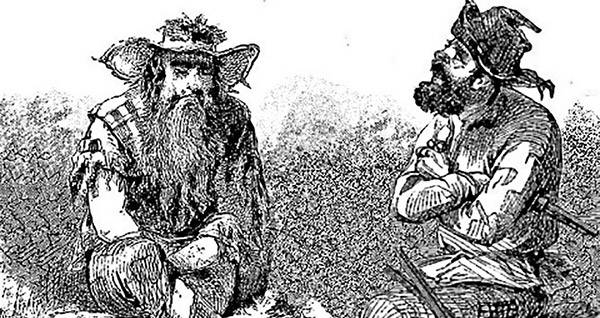
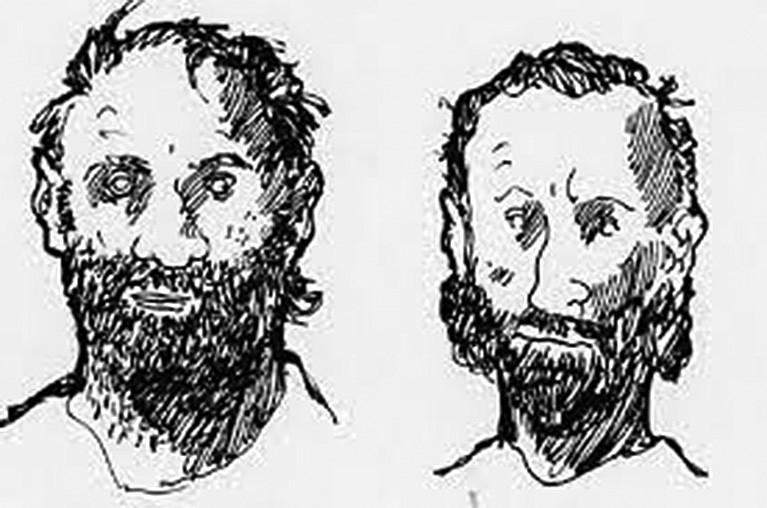
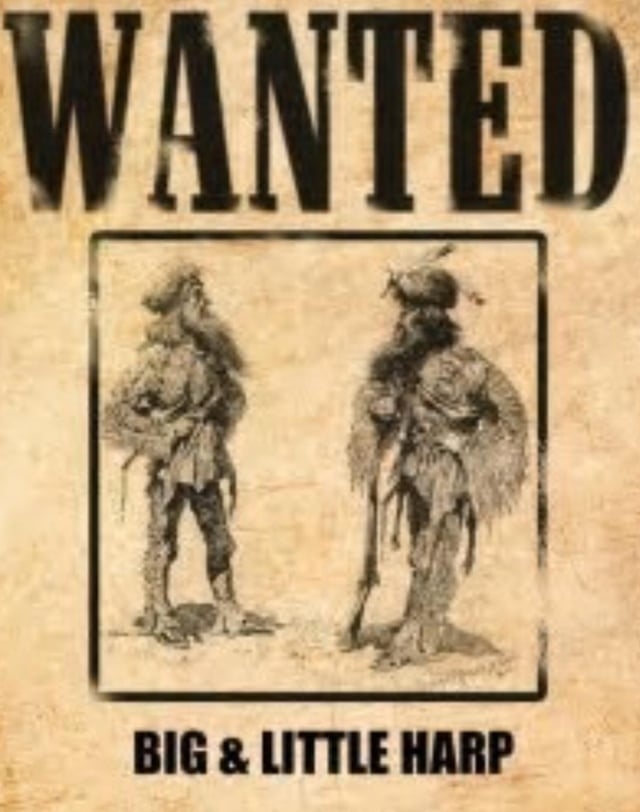
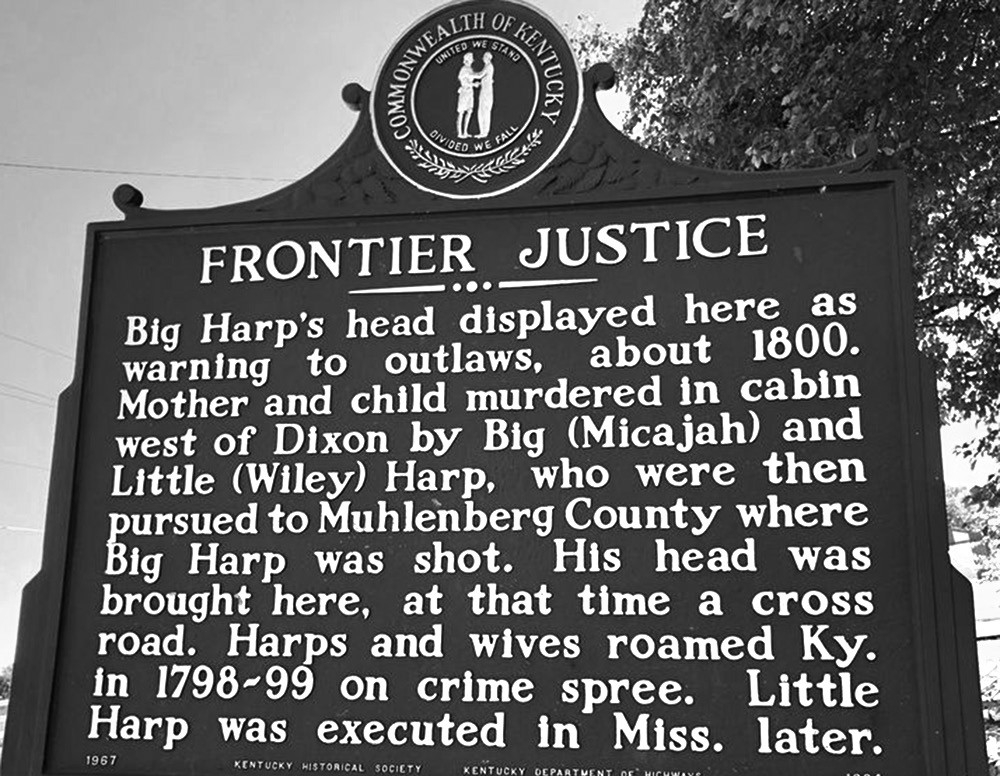
In the chaotic years after the American Revolution, the frontier was lawless, and danger lurked behind every tree. Among its deadliest threats were the Harpe brothers, Micajah “Big Harpe” and Wiley “Little Harpe.” From the early 1790s until 1799, they terrorized Kentucky, Tennessee, and the Ohio Valley, becoming America’s first documented serial killers. Unlike ordinary thieves, they killed for pleasure. Travelers, farmers, and children alike vanished or were found mutilated. Witnesses recalled attacks carried out with rifles, knives, brute force, and bodies dumped in rivers or shallow graves. Families who showed them hospitality often paid with their lives. Investigators faced enormous challenges. Sheriffs patrolled vast territories with few deputies, relying on terrified settlers’ fragmented reports. Survivors recounted horrifying scenes: Big Harpe grinning as he stabbed a merchant in 1797, Little Harpe forcing a child to kneel before shooting him in 1798. Authorities tracked patterns in victim locations, repeated sightings along trails, and the brothers’ distinctive clothing, noting they often traveled with women and children. Wanted notices circulated and newspapers printed descriptions, sparking one of the earliest wide-scale manhunts in American history. The brothers’ unpredictability was chilling. They could appear courteous one moment, erupting into sudden, brutal violence the next. Patterns emerged: families slaughtered in cabins, lone riders gunned down on trails, infants killed for sport. Theft was rare, suggesting the murders were driven purely by sadistic thrill. Their reign ended in June 1799 when Big Harpe murdered the wife and infant of settler Moses Stegall. Stegall formed a posse, tracked Harpe through the Kentucky wilderness, and killed him himself. To send a warning, he decapitated Harpe and mounted the head on a stake by the road, leaving it there for weeks. Little Harpe initially escaped but was later captured and executed. #History #USA

America’s First Serial Killers: The Harpe BrothersAmerica’s First Serial Killers: The Harpe BrothersAmerica’s First Serial Killers: The Harpe BrothersAmerica’s First Serial Killers: The Harpe Brothers
1776 Patriot

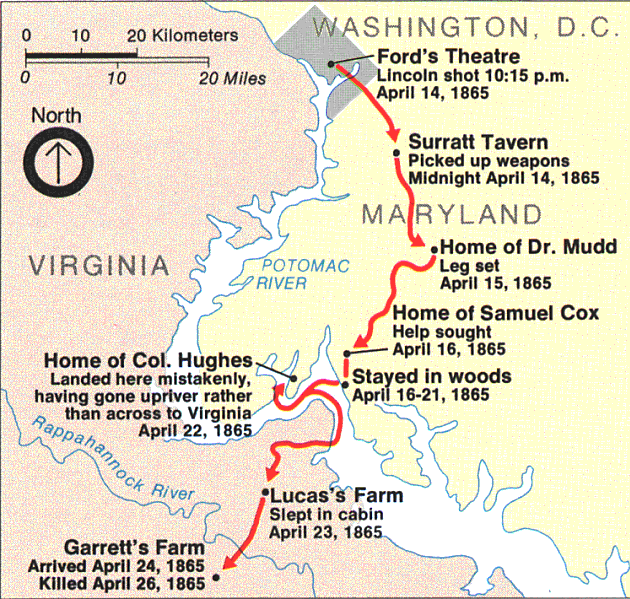
Finding an Assassin: The Manhunt for John Wilkes Booth

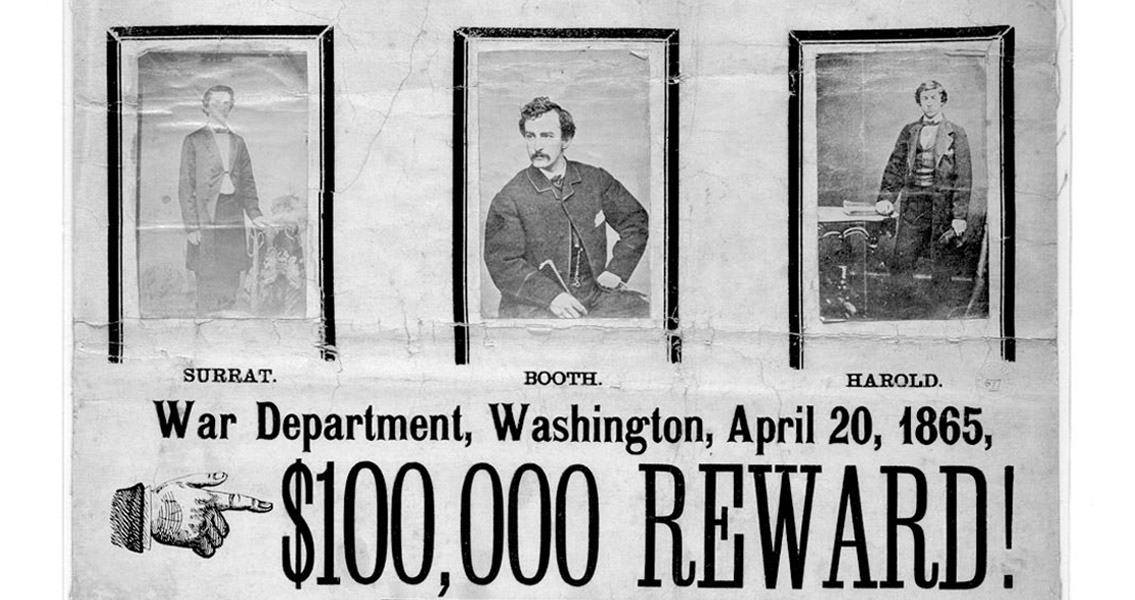
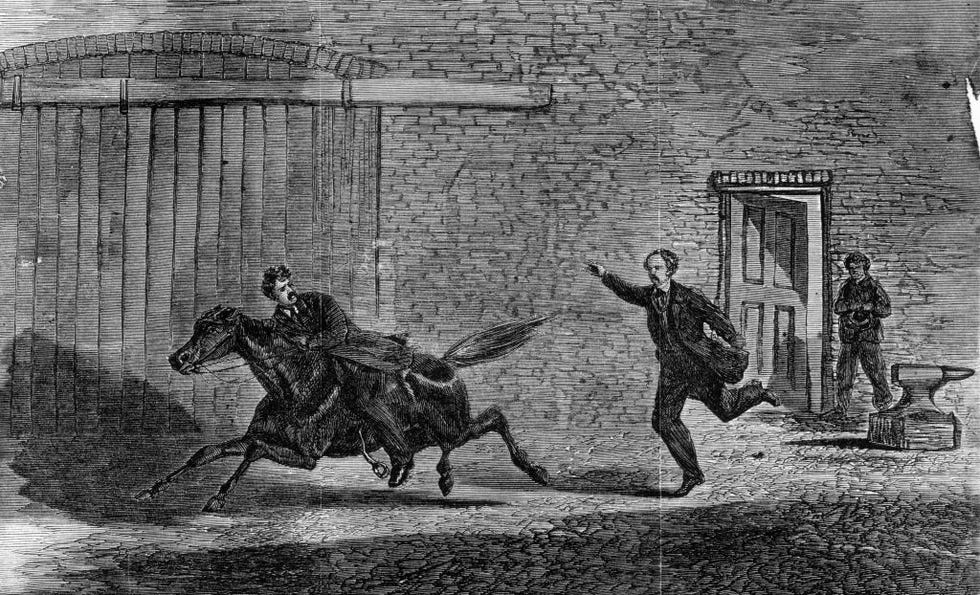
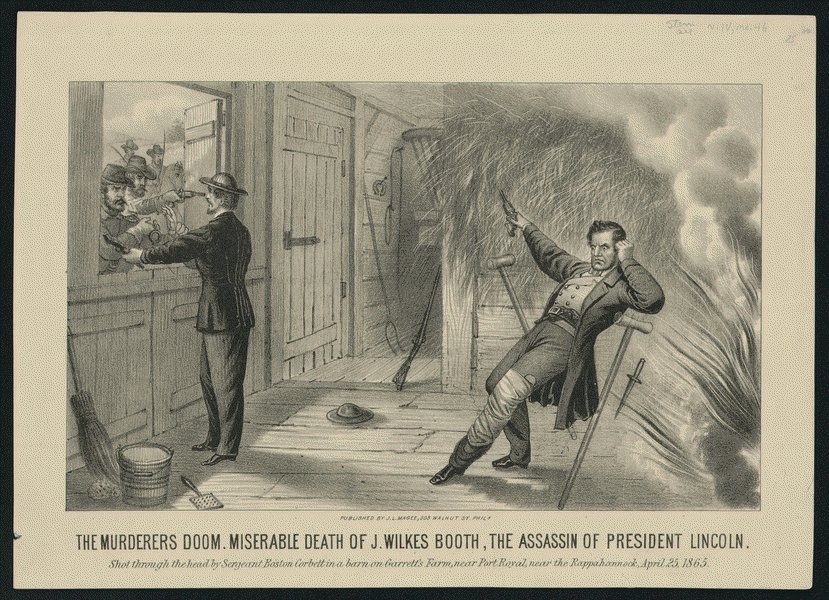
On the night of April 14, 1865, after assassinating President Abraham Lincoln at Ford’s Theatre, John Wilkes Booth vanished into the darkness of Washington. He crossed the Navy Yard Bridge into Maryland, his leg broke from the leap to the stage. Within hours, Secretary of War Edwin Stanton launched one of the largest manhunts in U.S. history. Telegraphs carried his description to surrounding states and mounted patrols sealed the capital. Rewards of $100,000 prompted tips, rumors, and informants. For days, Union forces pursued Booth and his accomplice David Herold across Maryland and Virginia. Cavalry swept roads, infantry scoured forests, and scouts tracked footprints through barns, and swamps. Detectives questioned locals, tavern keepers, and ferrymen, compiling leads that shifted squads across counties. At Surratt’s Tavern, Booth and Herold collected a carbine (gun), whiskey, and field glasses (portable telescopes for observing distant roads), left earlier, evidence later used against Mary Surratt. Farther south, they bartered for food and supplies, which locals soon reported. At Dr. Samuel Mudd’s home, Booth’s broken leg was set, as patrols pressed closer. The chase became a deadly game of anticipation. False sightings and misdirections tested Union coordination, but telegraph lines kept updates flowing. Cavalry patrolled roads, foot soldiers scoured farms, and units redeployed with every lead. Booth’s options dwindled as the net tightened, forcing him deeper into Virginia. The pursuit ended on April 26 at Richard Garrett’s farm near Port Royal. Lieutenant Edward Doherty’s cavalry surrounded the barn. Herold surrendered, but Booth refused, declaring he would never be taken alive. Soldiers torched the structure. Booth came to the door, raised his gun, and was struck in the neck by a bullet fired by Sergeant Corbett. He lingered for five hours before dying at dawn. The twelve-day manhunt was over. #USHistory #History #USA #America #Virginia #AmericanHistory

Finding an Assassin: The Manhunt for John Wilkes BoothFinding an Assassin: The Manhunt for John Wilkes BoothFinding an Assassin: The Manhunt for John Wilkes BoothFinding an Assassin: The Manhunt for John Wilkes Booth
You've reached the end!