Tag Page HistoricalContext

#HistoricalContext
LataraSpeaksTruth

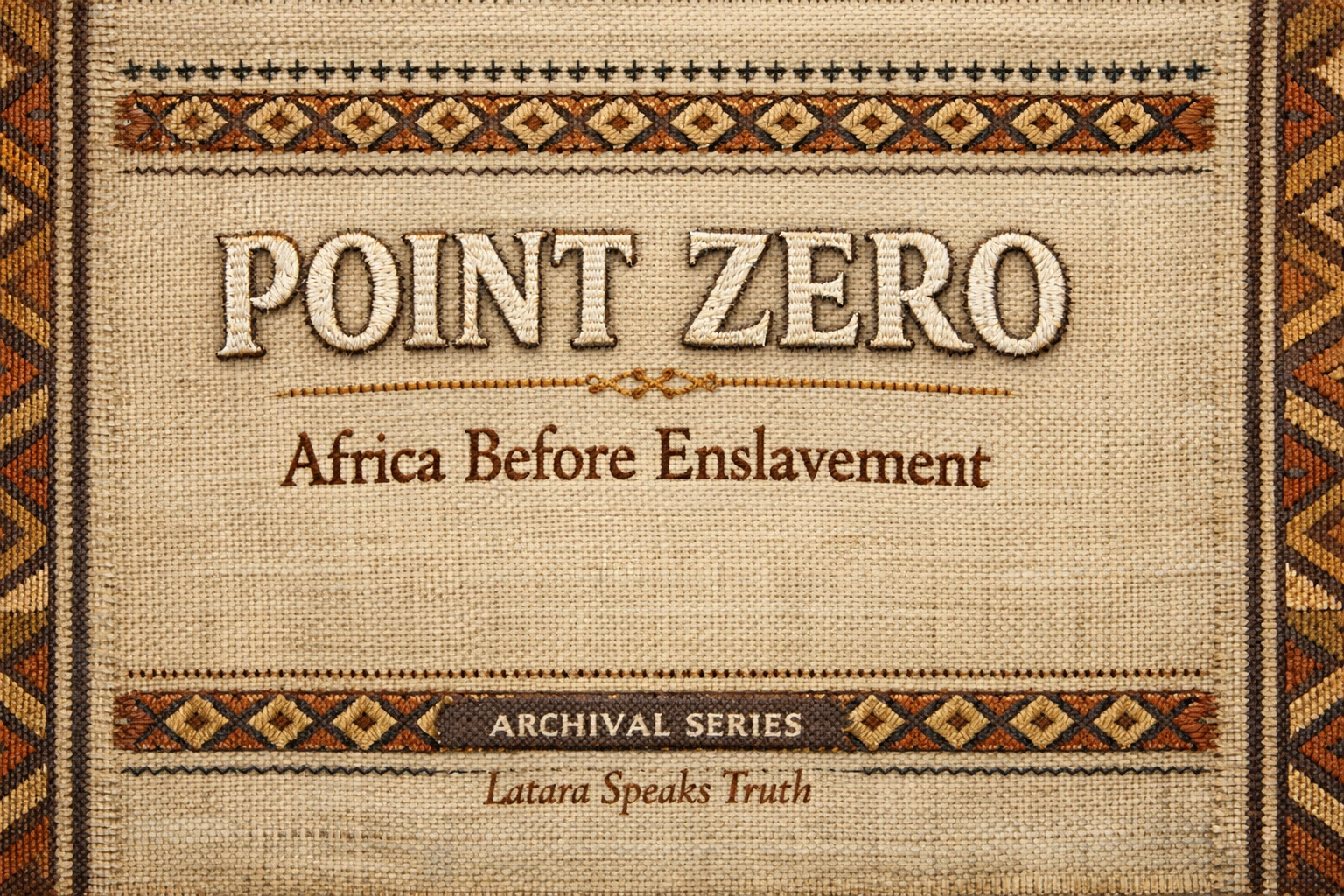
Point Zero. Before transatlantic slavery, before European colonies in the Americas, Africa was already home to structured societies with governance, trade networks, legal systems, and spiritual traditions. Regions of West and Central Africa included empires such as Mali, Songhai, Benin, Kongo, and others, each with distinct political organization and cultural life. These societies engaged in agriculture, regional and international trade, education, and diplomacy long before sustained European intervention. Early European contact began through commerce, not enslavement. Trade relationships initially focused on goods such as gold, ivory, and textiles. Over time, as European expansion intensified and labor demands increased in the Americas, those trade systems shifted. Human beings were gradually absorbed into commercial exchange through coercion, warfare, and policy. This transition was not accidental. It was documented, regulated, and enforced by emerging colonial economies. Africans taken into the transatlantic system did not arrive without identity or culture. Identity was deliberately dismantled during capture, transport, and sale. The Middle Passage functioned as an organized system of confinement and control, designed to sever language, kinship, and memory. Survivors carried fragments of cultural knowledge that later shaped communities across the Americas, even as legal structures sought to erase their origins. This context forms the foundation for understanding enslavement in the Americas, interactions between Africans and Indigenous nations, and the emergence of mixed identities under colonial rule. Subsequent chapters do not stand alone. They extend from this point. #PointZero #AfricaBeforeEnslavement #HistoricalRecord #ArchivalSeries #LataraSpeaksTruth #BlackHistoryDocumented #AfricanHistory #BeforeTheShips #BeforeTheChains #HistoricalContext #UnfilteredHistory

LataraSpeaksTruth

December 8 marked another shift in the nation’s pandemic response as updated vaccine guidance continued moving across the country. Health officials pushed for broader access, especially in communities where misinformation, limited resources, and a long memory of broken trust were already shaping outcomes. The urgency was real… Omicron was gaining speed, and experts warned the impact wouldn’t fall evenly. That’s why December 9 mattered just as much. The NAACP stepped in with a national virtual town hall that brought medical experts, faith leaders, and community advocates together on one screen. They broke down the latest data, explained what was actually known about the new variant, and answered the questions mainstream coverage kept skipping past. They spoke plainly about the unequal weight communities were carrying… frontline exposure, higher rates of chronic illness, limited access to quality care, and the history that shaped hesitation. But the town hall wasn’t doom or panic. It was clarity. It was empowerment. It was everyday people getting real information instead of rumors, noise, or fear. Together, December 8 and 9 showed a moment when national policy and community conversation finally met in the middle. One moved the science forward. The other made the science make sense. And both days underscored a simple truth… information only matters when it reaches the people who need it most. #LataraSpeaksTruth #OnThisDay #HistoricalContext #HealthEquity #PublicHealth

LataraSpeaksTruth

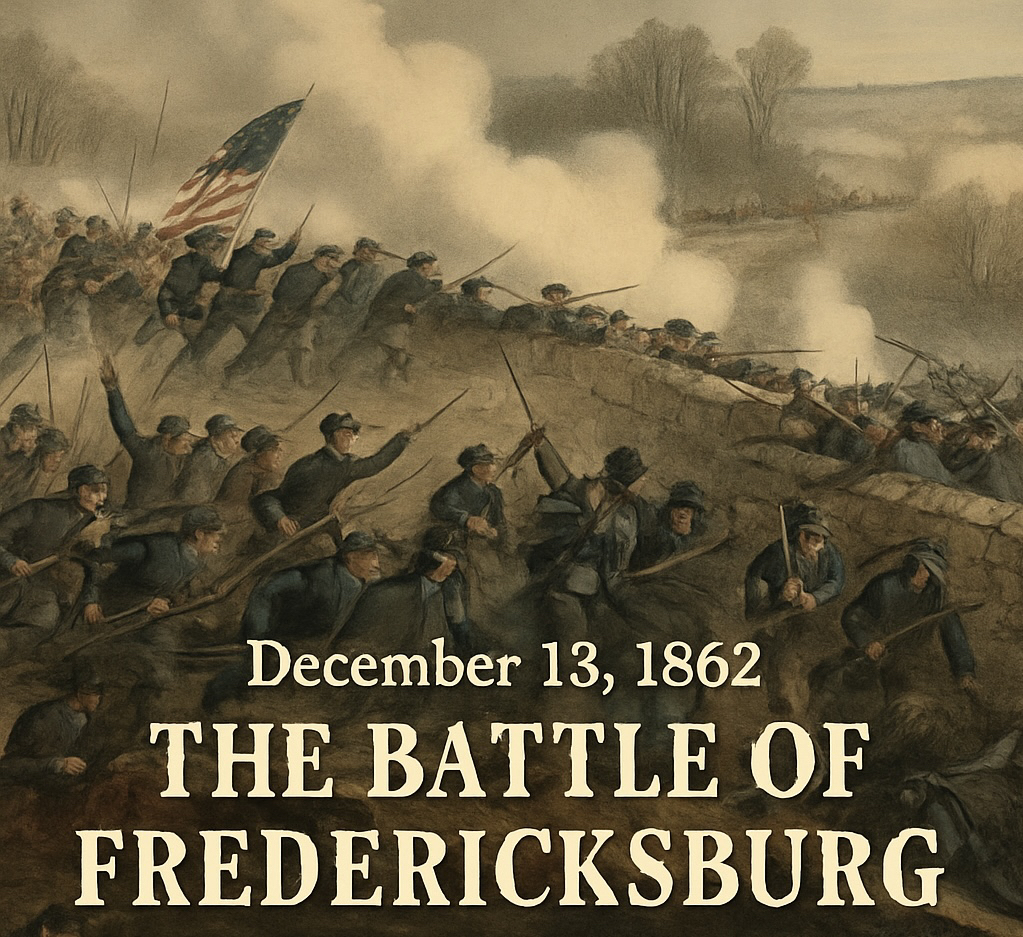
The Battle of Fredericksburg on December 13, 1862 unfolded during one of the most consequential pauses in American history. The Emancipation Proclamation had been announced but would not take effect for another three weeks, placing this battle squarely in the gap between declared freedom and enforced freedom. That timing matters. Although the soldiers fighting at Fredericksburg were overwhelmingly white, the consequences of the Union’s defeat fell heavily on enslaved people. Every failed campaign delayed the collapse of the Confederacy, extending the lifespan of slavery in the South. Union losses did not just cost lives on the battlefield, they prolonged bondage beyond it. Enslaved Black people in Virginia were also directly entangled in this campaign. They were forced to build fortifications, transport supplies, cook, clean, and provide labor for Confederate forces. They were not passive observers of the war. They were coerced infrastructure sustaining it. Fredericksburg’s staggering casualties intensified Northern pressure on Union leadership. Repeated bloodshed made emancipation less of a political abstraction and more of a moral and strategic necessity. That shift helped open the door to Black enlistment in 1863, altering the direction of the war and the meaning of freedom itself. Fredericksburg was not a Black-led battle, but it was part of the chain reaction that led to Black soldiers fighting for their own liberation and the formal destruction of slavery. History is not only about who is visible in the moment, but about who bears the cost while the nation decides who it will become. #December13 #OnThisDay #CivilWarHistory #BattleOfFredericksburg #AmericanHistory #HistoryMatters #UntoldHistory #HiddenHistory #HistoricalContext

LataraSpeaksTruth

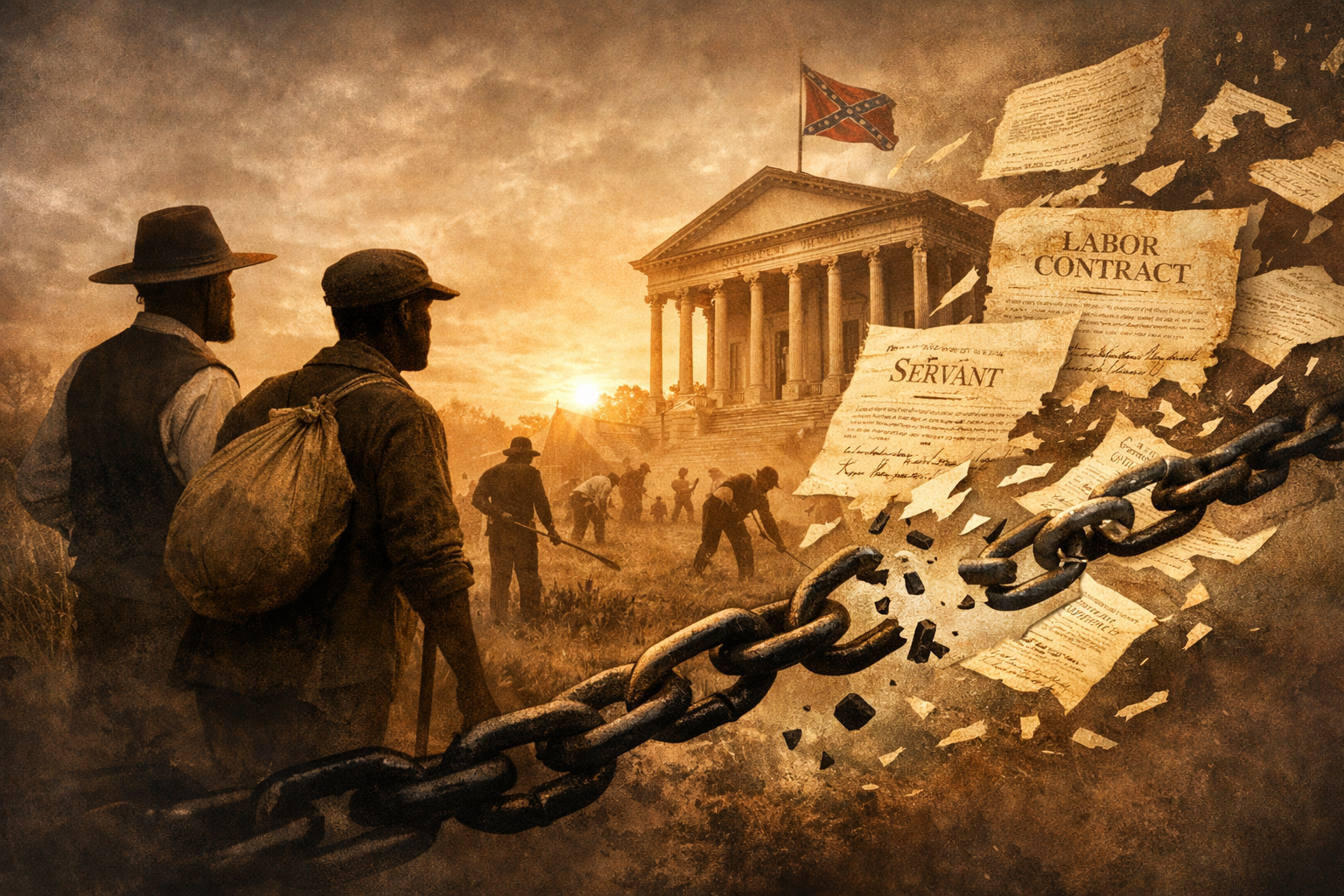
On December 19, 1865, South Carolina passed a law that replaced slavery with forced labor under a different name. Slavery had been abolished, but this law required newly freed people to sign labor contracts that locked them into exploitative conditions. Workers were labeled “servants,” while white employers were officially designated as “masters.” Those who refused to sign faced arrest, fines, or forced unpaid labor. On paper, the law existed under Reconstruction. In practice, it functioned as a mechanism to preserve control over labor and daily life after emancipation. Freedom was tolerated only if economic dependence and social hierarchy remained intact. Formerly enslaved people and community leaders immediately recognized the danger. They understood that freedom meant choice. Choice in where to work, how to live, and how to shape a future. This law stripped that choice away and pushed many back into conditions that closely resembled bondage. South Carolina was not an outlier. Across the South in 1865, similar Black Codes criminalized unemployment and so called vagrancy. Those charges were then used to funnel people into plantation labor through the criminal justice system, reinforcing control through punishment rather than chains. The impact of these laws did not end in the nineteenth century. Their influence can still be seen in labor inequality, policing disparities, and economic systems that limit access to opportunity. Remembering December 19, 1865 is not about assigning blame. It is about recognizing how systems of control evolved and why the pursuit of genuine freedom remains unresolved. #ReconstructionHistory #AmericanHistory #SouthCarolina1865 #BlackCodes #LaborHistory #Justice #HistoricalContext #Freedom

You've reached the end!