Tag Page HealthTalk

#HealthTalk
Health.Insights News

Health Talk - Am I Experiencing Norovirus?! It's your favorite StoryTelHER, here to engage you with an essential health talk segment aimed at boosting awareness and understanding of Norovirus because knowing how to protect ourselves and our loved ones is vital for our well-being! 

We’re diving into a topic that might be lurking just beneath the surface of our everyday lives, a topic that is both alarming and essential for our health. Imagine this: you're preparing a lovely meal for your family, laughter fills the air, and suddenly, someone in the room begins to feel nauseous. What happens next can affect everyone. 

Today, we’re uncovering the mystery behind Norovirus, a highly contagious virus that has recently seen a resurgence across the country. With cases doubling in the past few months, it's critical for all of us to understand how this "stomach bug" or “stomach flu” operates, how it spreads, and most importantly, how we can protect ourselves and our loved ones. 

Symptoms can include nausea, vomiting, stomach pain, and diarrhea, along with fever, headaches, and body aches. Importantly, symptoms typically develop 12 to 48 hours after exposure, but norovirus generally resolves quickly, lasting only one to three days in most healthy adults. The virus is highly contagious and can spread easily through contaminated food, water, surfaces, and person-to-person contact. Even after symptoms resolve, individuals can still spread the virus for up to two days. This makes hygiene and safe food handling practices critical. #HealthNews #HealthTalk#Norovirus #News #BreakingNews #HotTopic #IsItNorovirus #NorovirusAwareness #HygieneMatters #NewsUpdate #TikTok #SubstackScoop #Lemon8Diary #SubscribeNow #FollowTheNews #getinspired #Inspiration #Motivation #NorovirusImpact 


Health.Insights News

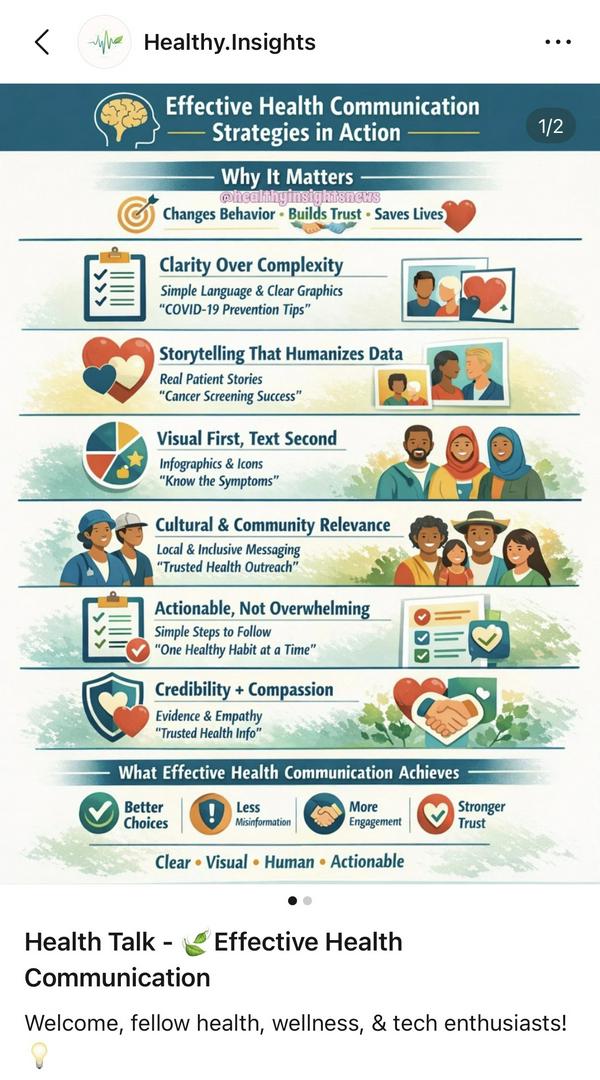
Health Talk - How to Turn HEALTH Naysayers into Fuel?! Fuel for better more proactive HEALTH. It’s your favorite storyTelHER with health talk segment focuses on understanding patient autonomy and medical intervention. This is the lastest and greatest hot topic. 
In the world of healthcare, providers often face situations where patients refuse medical interventions that may seem critical to them. It's essential to approach these situations with empathy and understanding, recognizing the complexities that contribute to a patient's decision-making process. 
1. It is vital to respect a patient’s right to make their own medical decisions, even when we disagree with them. Each patient's preferences and beliefs shape their choices.
2. Building a rapport with patients can help bridge understanding. Effective communication is key in ensuring patients feel heard and respected.
3. Dive into a patient’s medical and personal history. Understanding their past experiences can provide insight into their current decisions and concerns.
4. Often, fear drives patients to refuse interventions. Identifying and addressing these fears can pave the way for better decision-making.
5. As healthcare providers, we are not only caregivers but also educators. It is our responsibility to help patients understand the implications of their choices without coercion.
6. Provide clear, compassionate explanations about medical interventions, emphasizing both benefits and potential risks to empower patients to make informed decisions.
7. Patients should feel safe to share their feelings, fears, and cultural beliefs surrounding medical interventions. This trust can improve overall outcomes.
8. Encourage a partnership where patients feel involved in their care plans. This collaborative approach can lead to richer discussions and potentially reconsideration of their refusals. #HealthTalk #LetsTalkHealth #BreakingNews #BelieveInYourHealthJourney #EmpoweringHealthDecisions #HotTopic #NewsCoverage

Health.Insights News

Health Talk - Infant Hepatitis B Vaccine Debate Welcome to this edition of StoryTelHER! I’m thrilled to be your favorite for this important Health Talk segment. Today, we're tackling a highly debated topic that affects the youngest members of our society: vaccine recommendations for infants. 
In this segment, we’ll delve into the intricacies of the ongoing discussions, exploring the implications, controversies, and expert opinions surrounding the current vaccination guidelines. Join me as we unpack what’s at stake for child health and family choices in this critical subject! 
 In a significant turn of events, the Advisory Committee on Immunization Practices (ACIP) is poised to vote on whether to change the longstanding recommendation that all newborns receive the hepatitis B vaccine. The panel's decision comes after multiple postponements and a notably contentious meeting, intensifying the discussion around childhood vaccinations in the U.S. 
For your awareness, this information is the current recommendation. The hepatitis B vaccine has been recommended for all infants within 24 hours of birth for over three decades. This vaccine is crucial for preventing hepatitis B infection, which can lead to severe liver damage. To date, it has been administered to approximately 1.4 billion individuals globally. #HealthNews #Health #HealthTalk #heakthinsights #HealthAwareness #VaccineNews #VaccineUpdate #VaccineHesitancy #HHSChaos #SubscribeNow #MoreIsMore #VaccinationDilemma #ShouldIBeVaccinated

You've reached the end!
Tag: HealthTalk | LocalHood