Tag Page GreatMigration

#GreatMigration
LataraSpeaksTruth

In July 1917, violence erupted in East St. Louis after months of rising racial tension fueled by labor competition, housing pressure, and inflammatory propaganda. During a labor strike, Black workers were hired by local industries, a move white labor leaders and newspapers framed not as employment, but as invasion. That framing mattered. It lit the match. On July 2, white mobs flooded Black neighborhoods. Homes were set on fire. Families were chased into the streets. People attempting to flee were shot, beaten, or forced back into burning buildings. Some tried to escape across bridges or hide in rail yards. Many did not make it. While estimates vary, historians agree that dozens were killed, hundreds were injured, and thousands were left homeless in a single day. Accountability never followed. Few arrests were made. Even fewer convictions occurred. Property losses went largely uncompensated. Officials minimized the violence, and survivors were expected to rebuild without justice. The message was clear, even if it was never written down. The massacre did not occur in isolation. It unfolded during the Great Migration, when Black families moved north seeking work and safety, only to face organized resistance once they arrived. East St. Louis became a warning. Opportunity was conditional. Safety was not guaranteed. That same month, thousands marched silently through New York City in the Silent Protest Parade, dressed in white and refusing to shout. Their quiet said what the country would not. This was not a riot. It was an attack. And it followed a pattern. Remembering East St. Louis is not about reopening wounds. It is about naming what happened so it does not disappear behind softer language. History becomes slippery when discomfort decides what is remembered. #EastStLouis #1917 #AmericanHistory #LaborHistory #GreatMigration #HistoricalMemory #UntoldHistory #USHistory

LataraSpeaksTruth

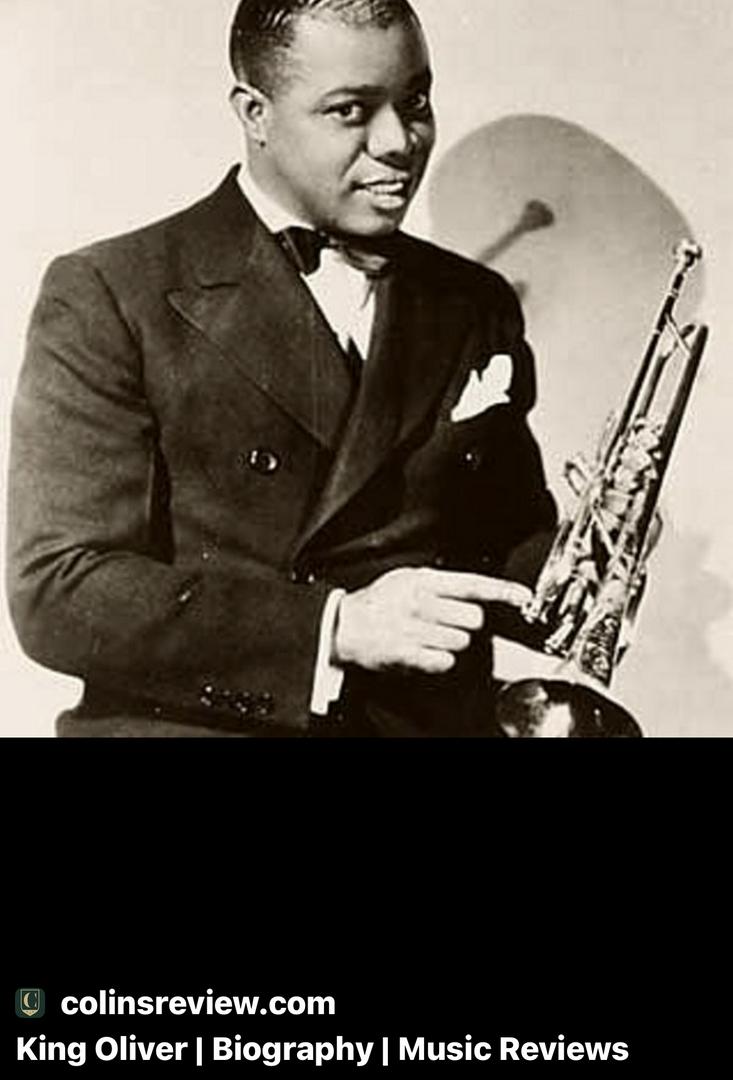
In the late 1910s, cornetist Joe “King” Oliver left New Orleans for Chicago, a move that became part of a much larger shift happening across the country during the Great Migration. As Black families moved north in search of opportunity and safety, musicians carried their sound with them. New Orleans jazz did not stay rooted to one city. It traveled with the people who created it. Chicago quickly became one of the most important destinations for this music. King Oliver’s presence there helped establish the city as an early jazz capital, shaping what audiences across the nation would come to recognize as the New Orleans jazz style. His leadership and musicianship influenced a generation, including Louis Armstrong, who later joined Oliver’s band and carried that sound even further. This movement was not a single moment or one man acting alone. It was a gradual cultural migration, built through train rides, nightclubs, and crowded dance halls. Jazz spread the same way people did… step by step, city by city. What began in New Orleans found new life in northern cities, changing American music forever. The story of King Oliver’s move is a reminder that culture doesn’t just stay put. It moves with people. And when it moves, it reshapes the nation. #KingOliver #NewOrleans #ChicagoHistory #JazzHistory #GreatMigration

You've reached the end!
Tag: GreatMigration | LocalAll