May 12, 1970… Augusta, Georgia was left carrying the weight of one of the most painful uprisings of the civil rights era.
The anger began after the death of 16-year-old Charles Oatman, a Black teenager who died while being held in the Richmond County Jail. His death shook Augusta’s Black community because people were not just grieving, they were demanding answers.
By May 11, hundreds gathered outside the Municipal Building calling for a real investigation. What followed was unrest across the city, but the aftermath exposed something even deeper than property damage. It exposed the force used against Black residents when grief turned into protest.
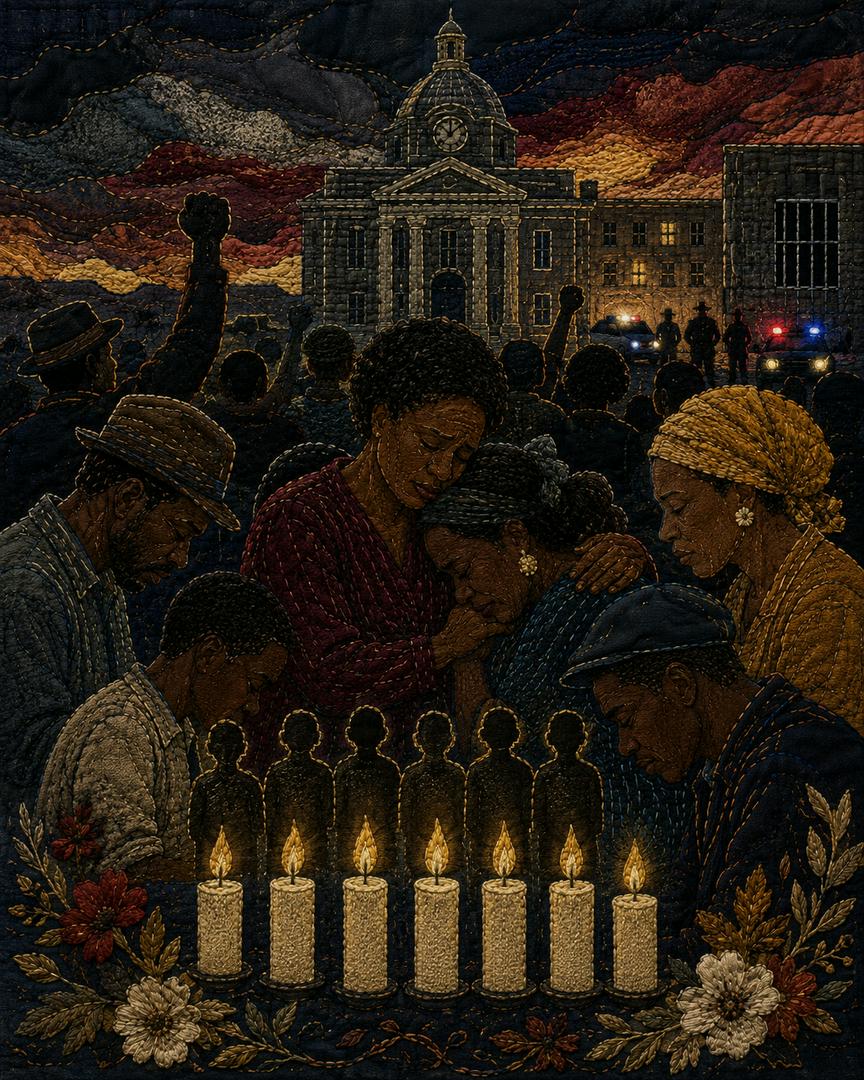
Six Black men were killed: Charlie Mack Murphy, William Wright Jr., Sammie McCullough, John Stokes, John Bennett, and Mack Wilson. According to historical accounts, all six were unarmed and shot in the back. At least 60 others were wounded by police, and about 300 Black residents were arrested.
That detail matters because stories like this are often reduced to the word “riot,” as if that one word explains everything. It does not explain Charles Oatman’s death. It does not explain why the community felt ignored. It does not explain why six men ended up dead. And it does not explain why accountability remained so hard to find.
The Augusta uprising was not just about one night of chaos. It was about years of pressure, pain, mistreatment, and silence reaching a breaking point. When people say history repeats itself, this is the kind of history they mean.
Some stories are uncomfortable to tell, but burying them only protects the wrong people. Remember Charles Oatman. Remember the Augusta Six. Remember what happened in Georgia.
#BlackHistory #AugustaGeorgia #CharlesOatman #TheAugustaSix #CivilRightsHistory #GeorgiaHistory #HiddenHistory