Tag Page EntertainmentHistory

#EntertainmentHistory
LataraSpeaksTruth

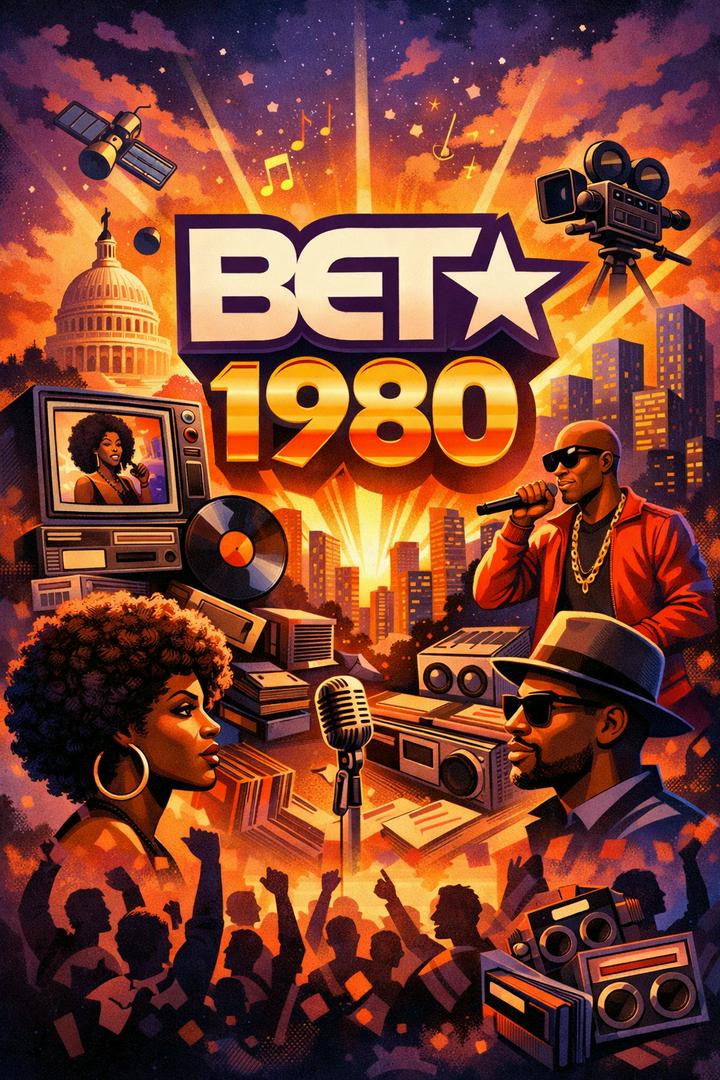
January 25, 1980 marks the launch of Black Entertainment Television, better known as BET. What began as a small cable experiment would grow into one of the most influential media platforms in American cultural history. BET was founded by Robert L. Johnson at a time when cable television was expanding, yet representation was scarce and often filtered through networks that were not built with Black audiences in mind. The channel initially aired just a few hours of programming per day, relying heavily on music videos, reruns, and public affairs content. It was modest by design, but intentional in purpose. The significance of BET’s launch was not about scale. It was about access. For the first time, a cable network centered Black voices, Black music, Black interviews, and Black stories as its core audience rather than an afterthought. It created a national platform for artists, journalists, comedians, and public figures who otherwise struggled for consistent visibility on mainstream television. Over time, BET evolved into a cultural gatekeeper. Shows like Video Soul, BET News, Rap City, and later award programs became reference points for generations. The network documented shifting musical eras, political conversations, fashion trends, and social debates as they unfolded in real time. BET did not just reflect culture…it archived it. While the network has faced criticism and controversy across different eras, its existence changed the media landscape permanently. BET proved that Black-centered programming was not niche, not temporary, and not optional. It was viable, influential, and deserving of space. January 25, 1980 stands as more than a launch date. It marks a moment when representation moved from limited windows to a dedicated channel, setting a precedent that reshaped cable television and cultural storytelling for decades to come. #OnThisDay #January25 #BET #MediaHistory #TelevisionHistory #CulturalHistory #BlackMedia #EntertainmentHistory #AmericanHistory

LataraSpeaksTruth

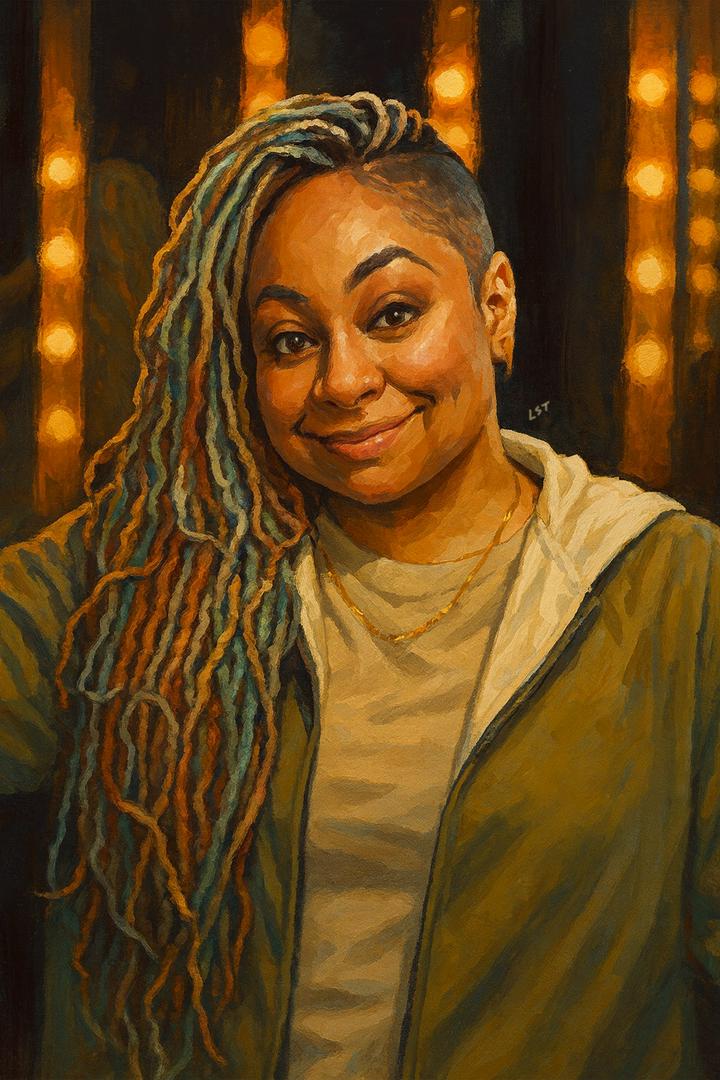
On December 10, 1985, Raven-Symoné entered the world, and television quietly braced itself. By three years old she was lighting up The Cosby Show. She delivered punchlines like she had an ancient comedian whispering in her ear. No caricature, no shrinking. She was simply a little Black girl taking the room by storm at a time when the industry barely imagined such brilliance without a box waiting for it. As she grew, the spark only sharpened. The early 2000s crowned her with That’s So Raven, a show that did more than entertain. It shifted something. Loud, joyful, unpredictable, and deeply real, it let a Black teenage girl be the sun of her own solar system. She was messy, magical, dramatic, creative, and human in ways young Black girls were rarely allowed to be on screen. For countless kids watching after school, she was not just a character. She was a blueprint. A permission slip. A sign that they could take up space without apology. Her career stretched easily across sitcoms, music, voice work, hosting, and producing. She showed that a child star could grow without burning out. She chose intention over frenzy. She chose longevity over noise. That steady clarity is part of why her presence still feels solid decades later. Her impact runs deeper than performance. Representation is not a trend. It is a mirror. Raven-Symoné offered a generation a reflection they had been denied for too long. She centered young Black girls in a world that often forgot them. She stood fully in her light and quietly said: See yourself. You belong here. As she celebrates another year of life, her legacy continues to echo. From scene-stealing child to industry veteran, she helped widen the doorway. The kids who once looked up to her now walk through it with a little more confidence in their stride. #RavenSymone #ThisDayInHistory #EntertainmentHistory #RepresentationMatters #NewsBreakCommunity #CultureAndLegacy

LataraSpeaksTruth

Obba Babatundé Born on This Day in 1951

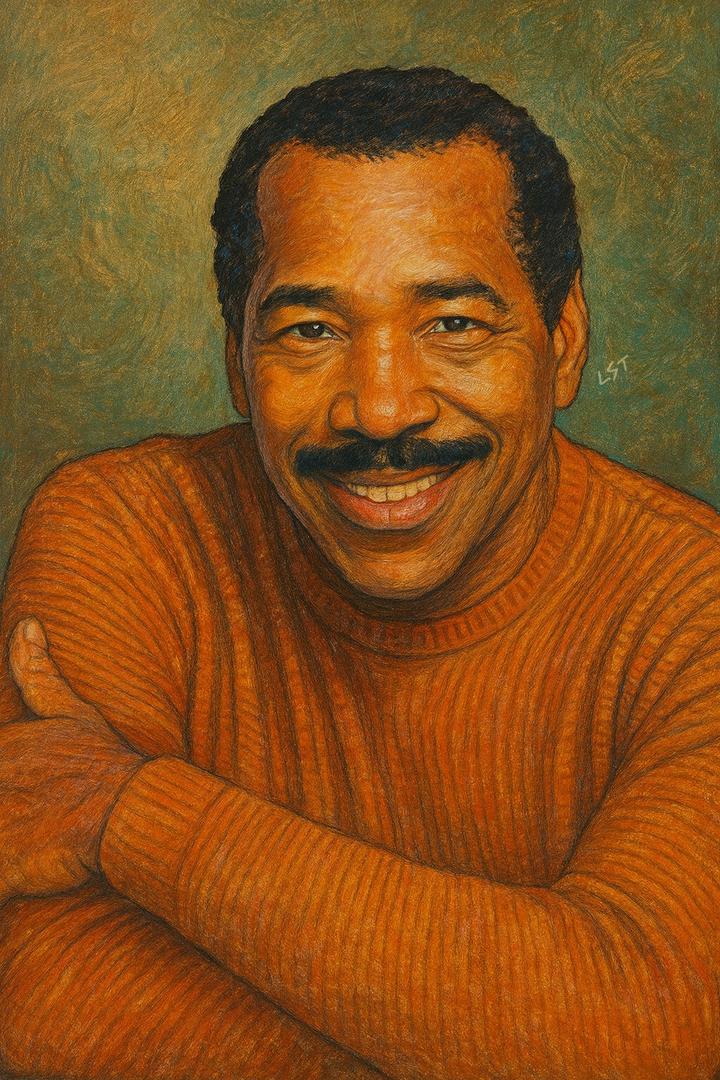
From Broadway stages to classic films, he built a career defined by range and longevity. On December 1, 1951, Obba Babatundé was born in Queens, New York. His path from a kid with talent to a nationally respected actor shows what happens when discipline and versatility work hand in hand. He began in local performances and quickly stood out as someone who could master any role placed in front of him. Audiences on Broadway watched him rise in the original production of Dreamgirls where he played C. C. White. The role earned him a Tony Award nomination and made it clear that he belonged in the ranks of top stage performers. His work reached well beyond the theater. Babatundé became a recognizable force in film and television, taking on roles that required both emotional depth and sharp comedic timing. One of his most memorable pop culture appearances came in the movie How High where he played Dean Cain, the stressed and uptight administrator shocked by the chaos unfolding around him. It was a small role but the impact was immediate. His delivery, presence, and comedic control added another layer to the film and showed how effortlessly he could shift from drama to humor. Babatundé built a career rooted in dedication, heritage, and range. His birthday marks the rise of a performer who continues to influence stages, screens, and generations of actors who follow after him. #ObbaBabatunde #OnThisDay #BlackHistory #EntertainmentHistory #Dreamgirls #HowHigh #FilmAndStage #ActingLegend #NewsBreakCommunity

Obba Babatundé Born on This Day in 1951
You've reached the end!