Tag Page Engineering

#Engineering
justme

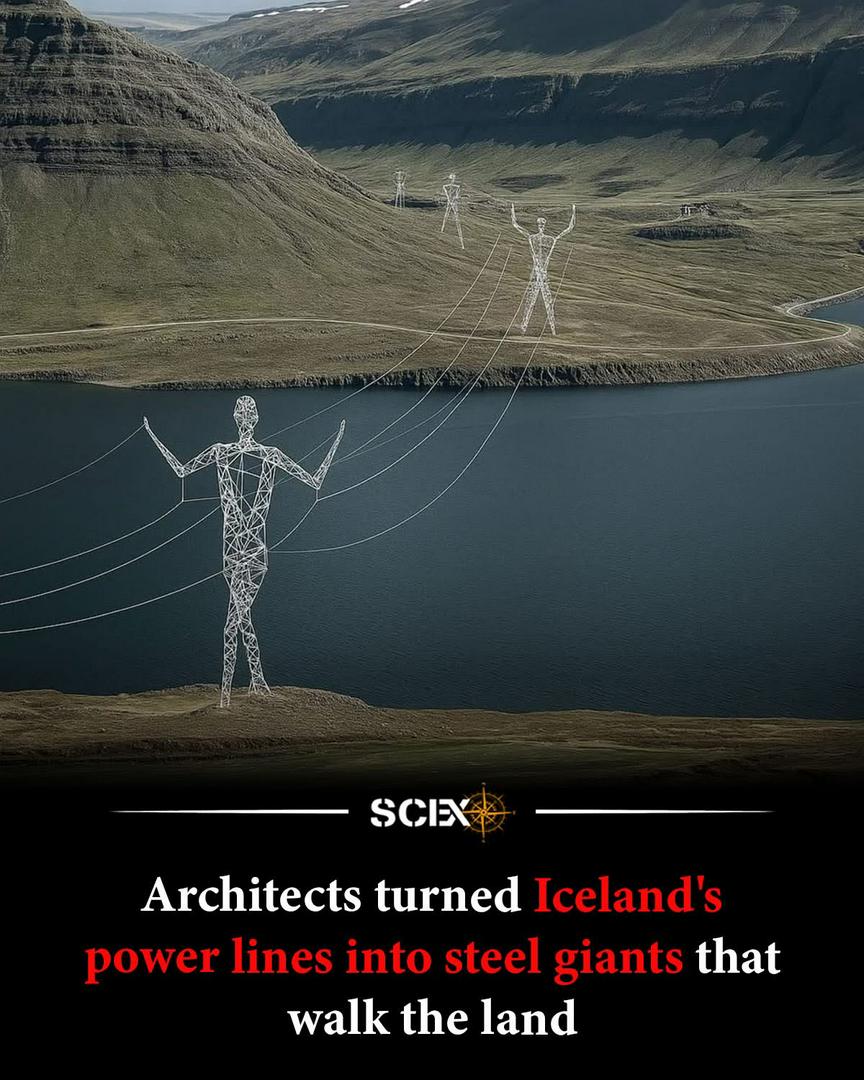
⚡ Iceland’s Power Lines, Reimagined as 150-Foot Steel Giants What if infrastructure wasn’t something we tried to hide—but something we celebrated? That question inspired Choi+Shine Architects to transform ordinary electrical pylons into towering human figures that stride across the Icelandic landscape. Their visionary project, The Land of Giants, rethinks high-voltage transmission towers as 150-foot (45-meter) steel sculptures. Instead of repetitive gray frameworks, these structures take on expressive human poses—walking, bowing, crouching, or climbing—while still performing the same technical function as conventional pylons. With only subtle adjustments to standard lattice tower engineering, the architects proved that utility and imagination can coexist. The concept was deeply tied to Iceland’s dramatic geography. Each “giant” could respond to its surroundings—bending respectfully near towns, stretching confidently across open plains, or appearing to scale rugged hills. The intention was never just visual spectacle. It was about reshaping public perception: turning energy infrastructure from a visual burden into a source of cultural identity and pride. First gaining international recognition between 2008 and 2010, the project has since been exhibited at the prestigious Victoria and Albert Museum, featured in leading architecture publications worldwide, and installed as a permanent model at the Canada Science and Technology Museum. Though conceptual, it continues to spark global conversations about how art, engineering, and environmental design can merge. Much like modern steel counterparts to the ancient moai statues of Easter Island, these imagined giants challenge us to see power not as an intrusion—but as an expression of human creativity woven into the natural world. #Architecture #DesignInnovation #Iceland #SustainableDesign #PublicArt #EnergyInfrastructure #UrbanDesign #Engineering #CreativeArchitecture #ChoiAndShine Source: Choi+Shine Architects — The

The Story Behind...

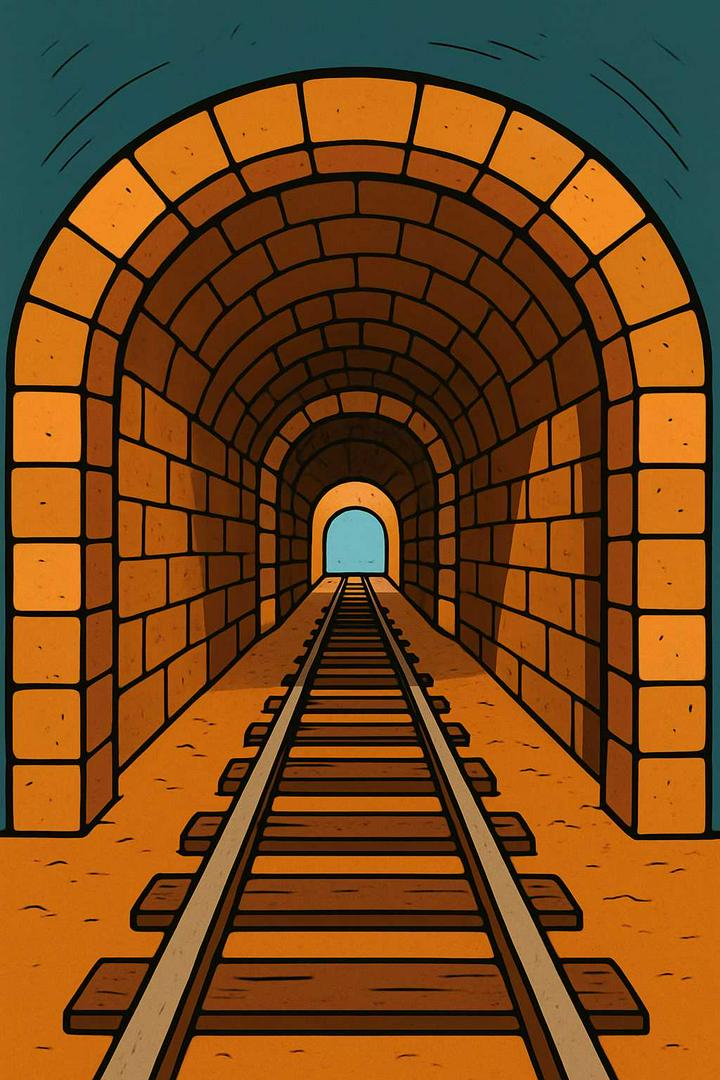
Tunnels are one of the oldest human engineering tricks. Long before trains or highways, ancient people carved tunnels to reach water, hide from enemies, and store food where the temperature stayed cool. The earliest known tunnels go back more than 4,000 years, built by civilizations in the Middle East who used simple tools to dig through rock just so their cities could survive. As time went on, tunnels became a symbol of power and protection. In ancient Rome, underground passages connected temples, homes, and baths. Some were built to move water… others to move soldiers. Medieval Europe used tunnels for escape routes during invasions. Secret pathways ran beneath castles so royalty could disappear before attackers reached the gates. The industrial era changed everything. Stronger tools made it possible to dig longer and deeper, turning tunnels into highways for progress. Railroads carved through mountains. Mines sank deep underground. Cities began building tunnels for sewage, electricity, and eventually, subways. The first underground train system, built in London in the 1860s, shocked the world… people were riding through the earth instead of over it. Today, tunnels are everywhere even when we don’t notice them… beneath freeways, under rivers, beneath entire neighborhoods. Some are massive engineering marvels built with giant machines. Others are small, rough, hand-dug paths used by workers, migrants, rebels, or people trying to survive dangerous conditions. No matter the purpose, tunnels have always represented one thing… the human instinct to push through obstacles instead of going around them. Tunnels changed the way we travel, survive, and build our world. #TheStoryBehind #Tunnels #HistoryFacts #Engineering #UndergroundWorld #DidYouKnow

You've reached the end!
Tag: Engineering | LocalAll