Tag Page EarlyAmerica

#EarlyAmerica
LataraSpeaksTruth

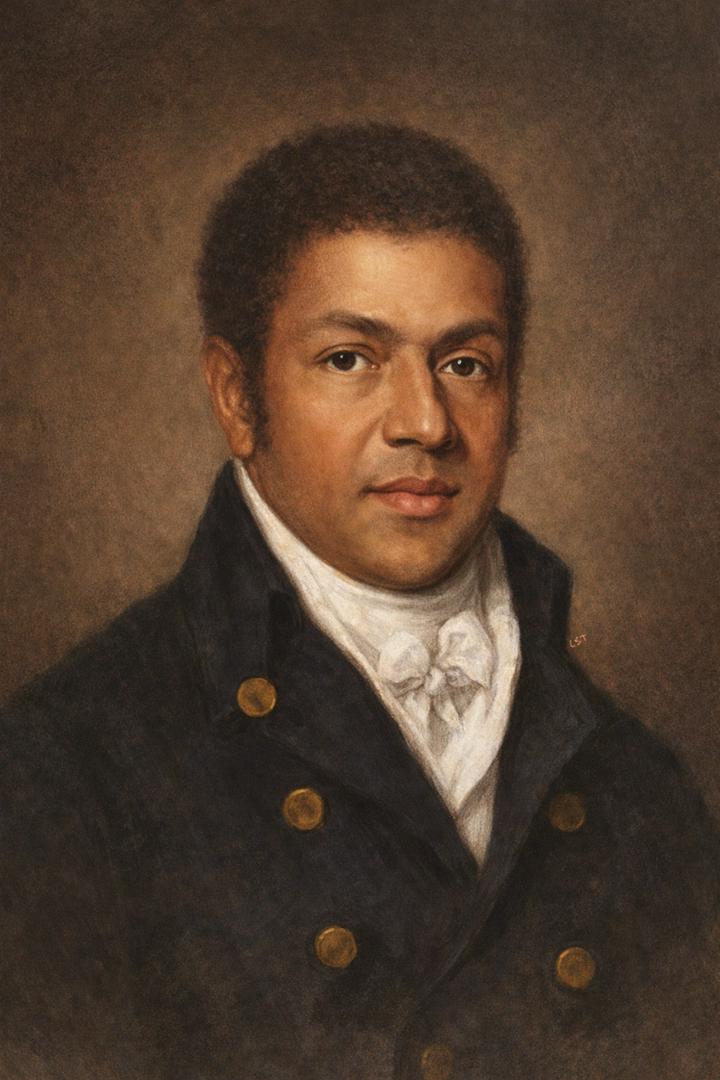
January 17, 1759 marks the birth of Paul Cuffee, a man who quietly rewrote the rules long before the word civil rights ever existed. Born to a formerly enslaved African father and a Native American mother, Cuffee grew up in a world that insisted he stay small. He did the opposite. He taught himself navigation and business, became a skilled shipbuilder, and rose to prominence as a successful merchant captain at a time when most people who looked like him were legally boxed out of power, property, and possibility. Cuffee did not just accumulate wealth. He treated it as a responsibility. In Massachusetts, he helped establish one of the earliest integrated schools in the region, believing education should not be gated by race or class. This was not symbolic. It was practical. He wanted future generations prepared to govern themselves, earn independently, and move through the world with dignity rather than permission. His vision stretched beyond American borders. Deeply influenced by ideas of self determination, Cuffee supported Black-led efforts to resettle free Black people in West Africa, helping finance an early return to Sierra Leone. Unlike later colonization schemes imposed by others, Cuffee imagined this as a voluntary path toward autonomy, economic stability, and global connection for people denied full belonging in the United States. What makes Paul Cuffee remarkable is not just what he believed, but how early he believed it. Long before emancipation. Long before integration was law. Long before freedom was even promised. He lived proof that leadership, intellect, and global vision were already present, even when history tried to pretend otherwise. #PaulCuffee #BlackHistory #EarlyAmerica #MaritimeHistory #Entrepreneurship #EducationMatters #SelfDetermination #ForgottenFigures #HistoryMatters

1776 Patriot

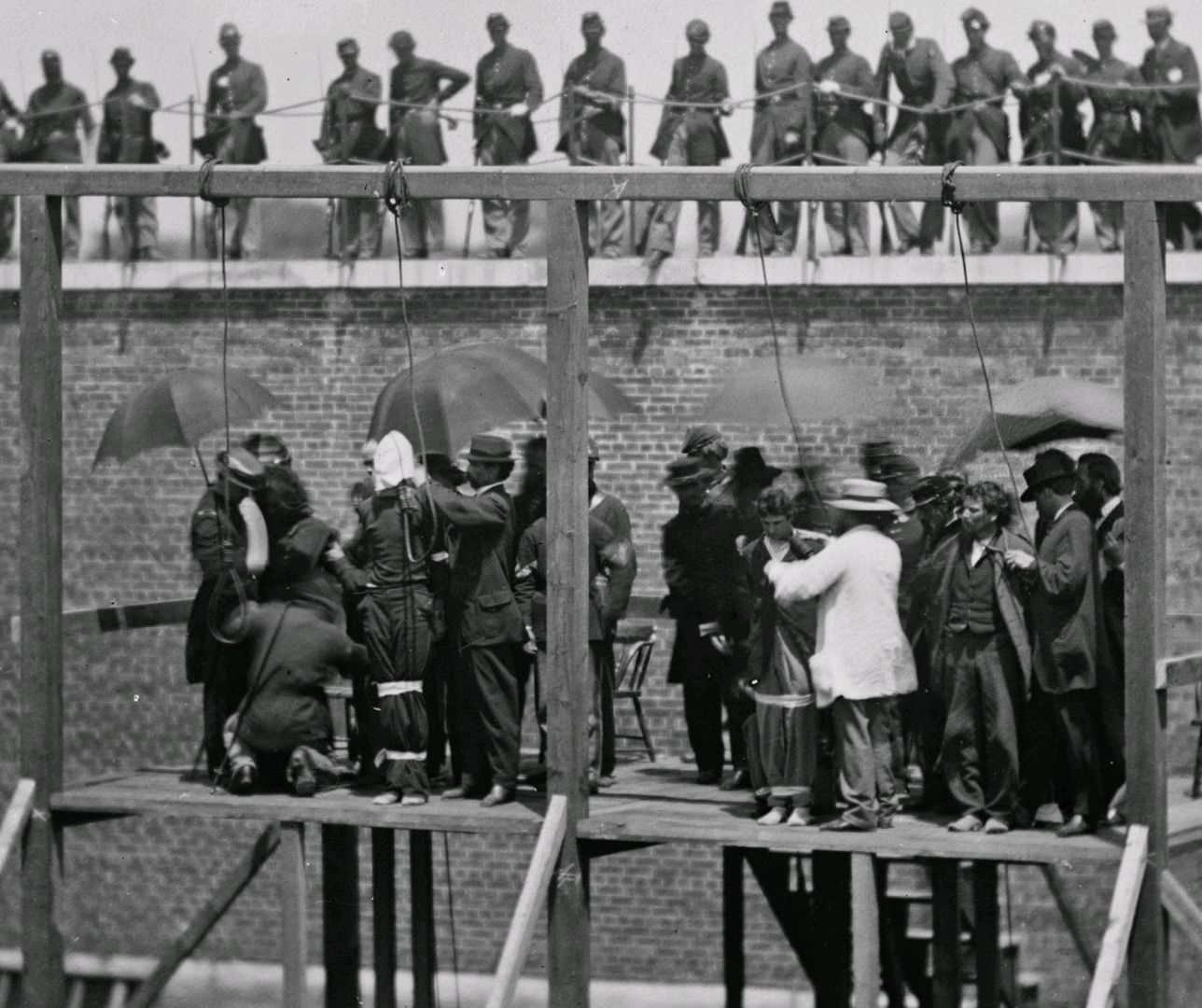
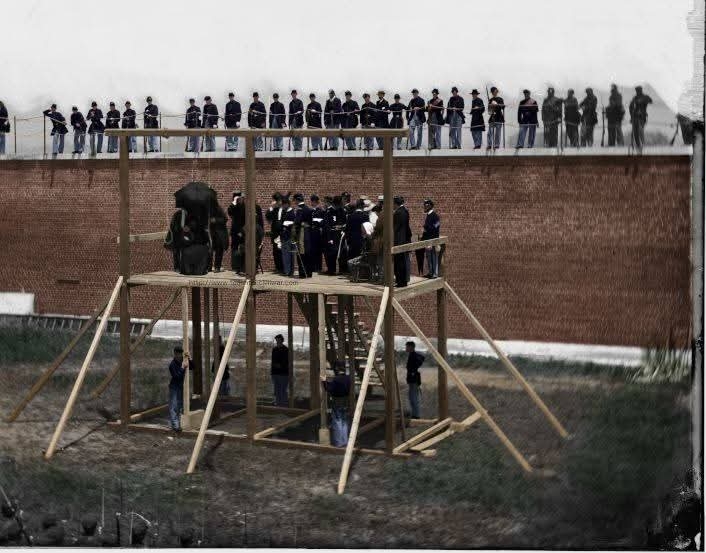
The Gallows Await: Lincoln’s Conspirators Meet Their Fate

After President Abraham Lincoln was shot on April 14, 1865, a military commission tried eight conspirators, including Mary Surratt, Lewis Powell, David Herold, and George Atzerodt. The trial began on May 9, 1865, in Washington, D.C., under strict guard. Witnesses described Booth’s movements in Ford’s Theatre and the coordination among the conspirators. Letters and receipts confirmed the plot. Mary Surratt’s boarding house had hosted secret meetings, and testimony revealed she delivered messages and supplied resources. Powell’s attack on Secretary Seward and Atzerodt’s failed attempt on Vice President Johnson were recounted in shocking detail. After weeks of testimony, the commission sentenced Surratt, Powell, Herold, and Atzerodt to death by hanging. The courtroom had been tense, every word measured. On July 7, 1865, the executions took place at the Washington Arsenal. Each prisoner was led individually to the gallows in the early morning. Soldiers kept strict silence while physicians inspected the ropes and knots. Mary Surratt, calm but solemn, stepped onto the platform first, becoming the first woman executed by the United States federal government. Powell followed, appearing tense but composed. Herold trembled and hesitated before stepping to the edge, while Atzerodt’s face was pale, lips tight. The wind stirred lightly, carrying an eerie quiet. Every step onto the platform seemed to stretch time. The hangings proceeded with precise military procedure, each drop ending in immediate death. Officers, physicians, and select journalists observed, noting the differing reactions of the condemned. Powell held himself stiffly until the last second, Herold shook visibly, and Surratt maintained a haunting dignity. Atzerodt’s fear was clear as he fell. The morning was silent except for the finality of the moments, leaving a lasting impression. The echoes of the trap lingered, a grim reminder of the cost of conspiracy. #USHistory #History #America #Lincoln #EarlyAmerica

The Gallows Await: Lincoln’s Conspirators Meet Their FateThe Gallows Await: Lincoln’s Conspirators Meet Their Fate
1776 Patriot

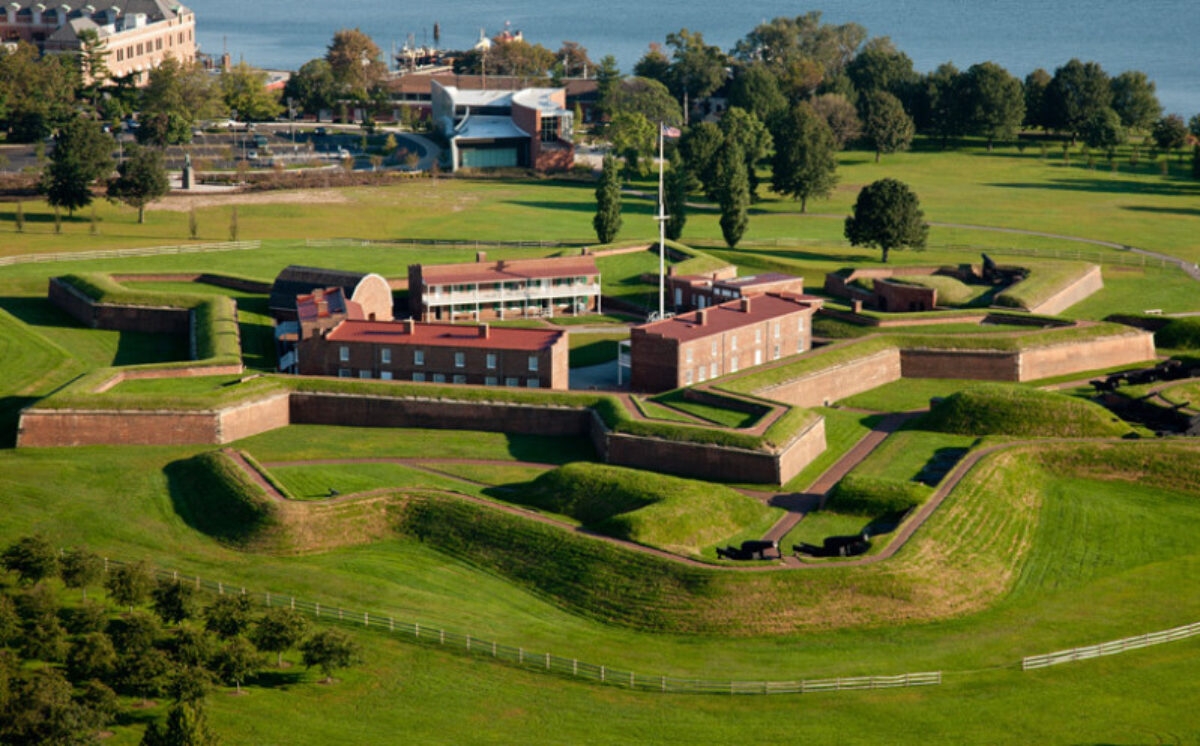
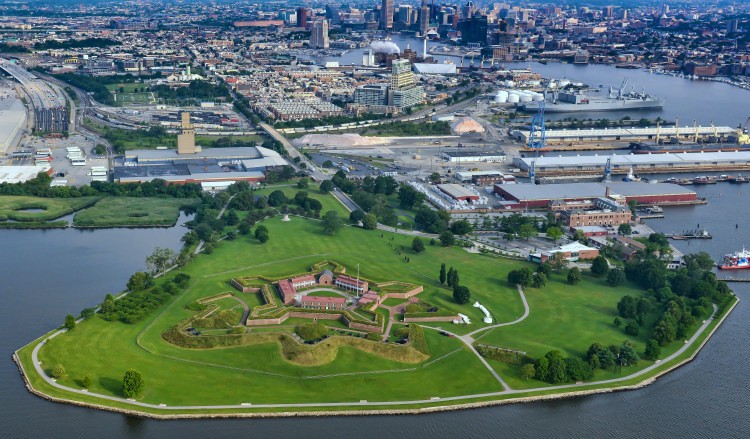
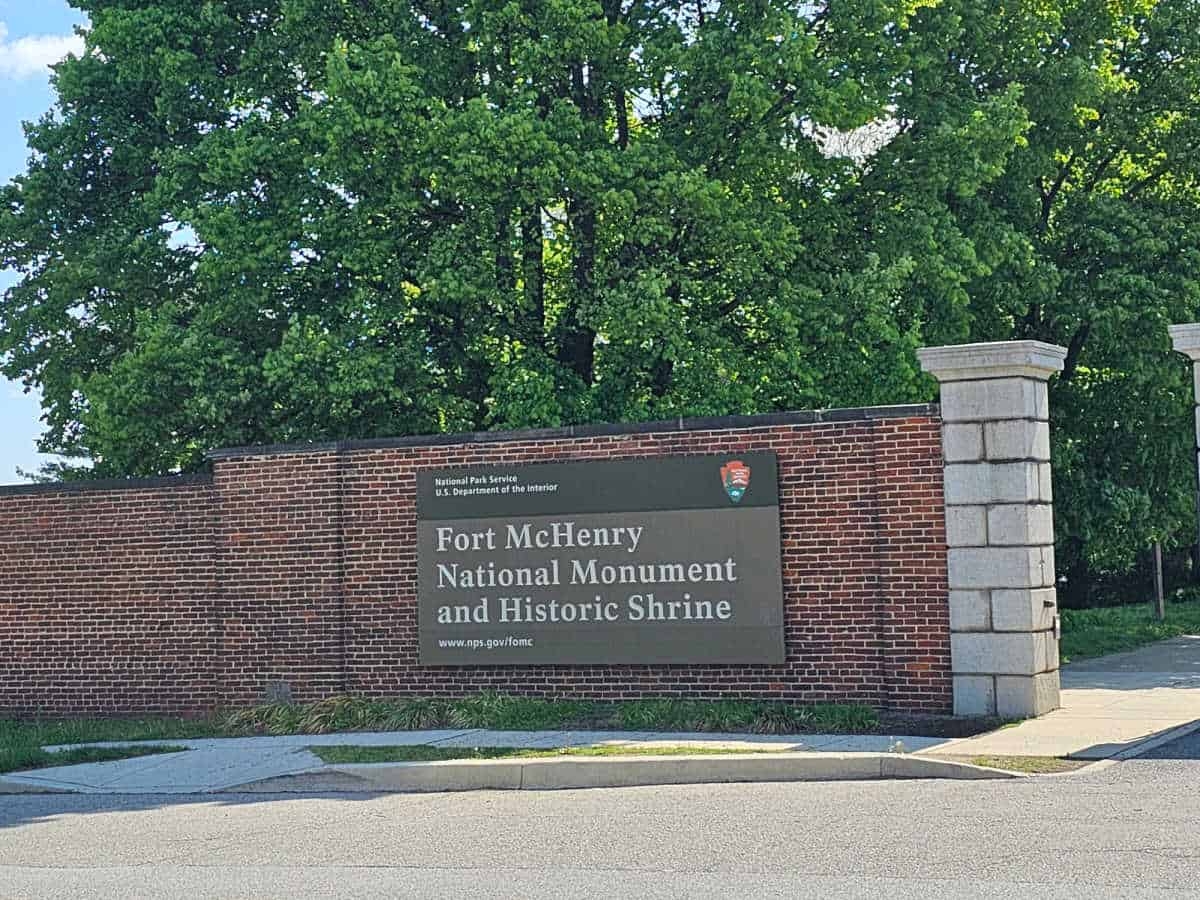
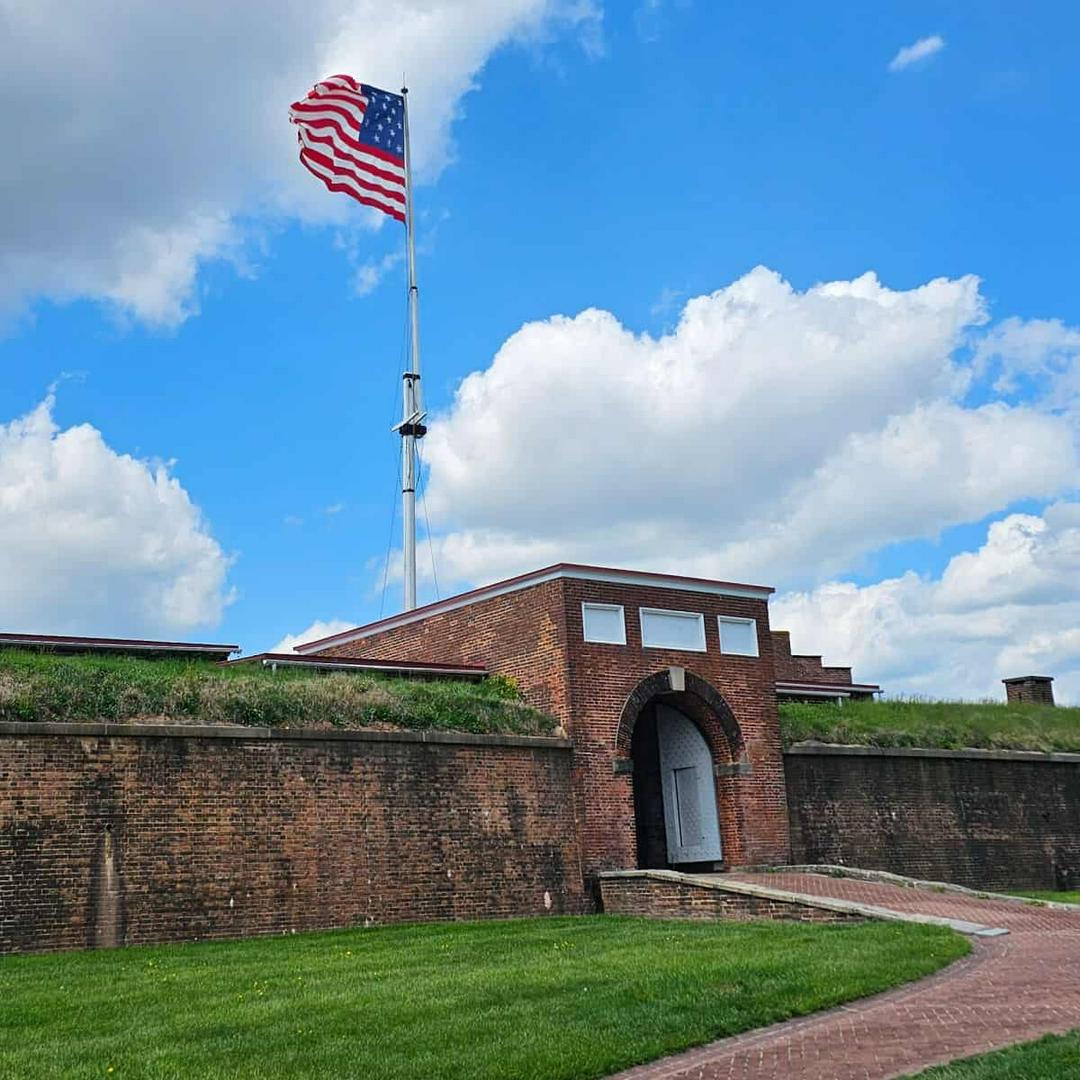
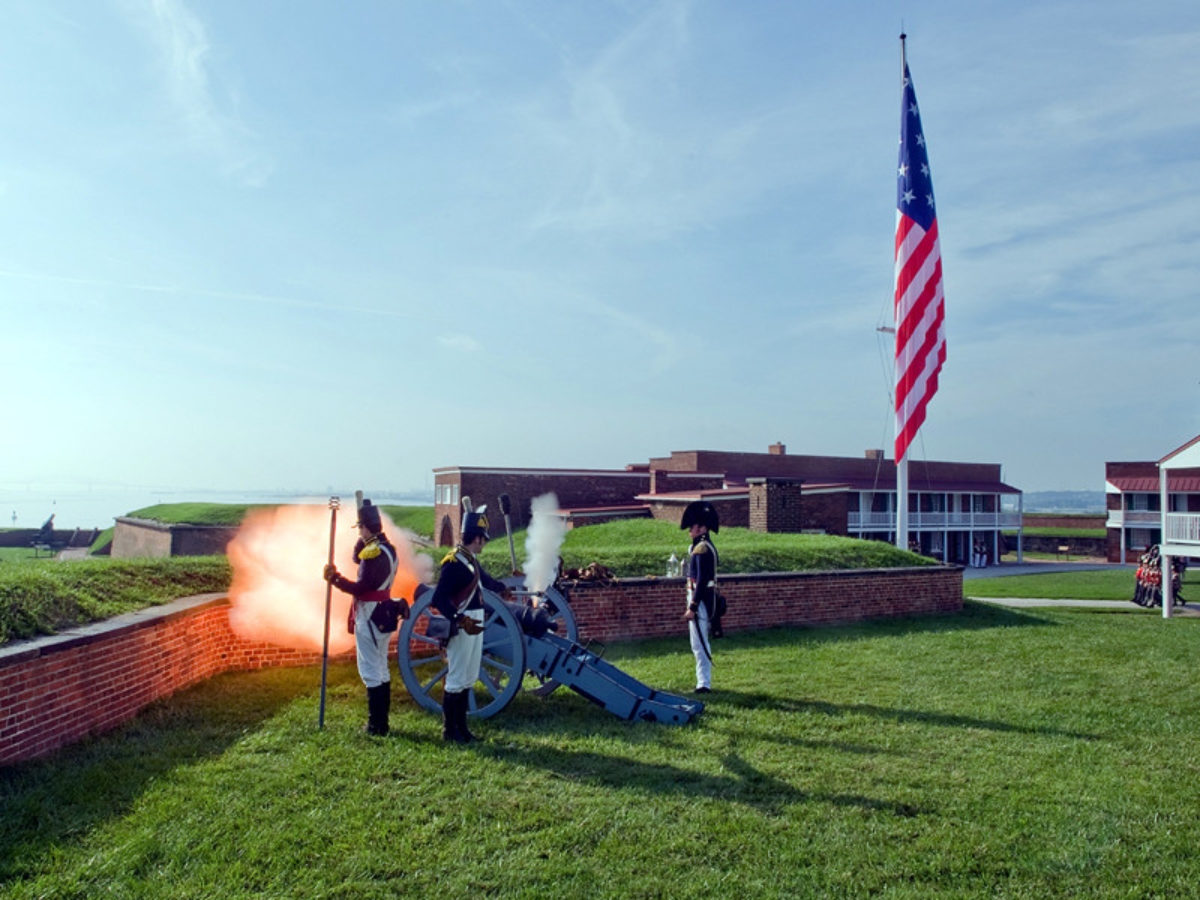
25 Hours That Shook America: The Siege of Fort McHenry The Siege of Fort McHenry, fought September 13 to 14, 1814, during the War of 1812, was one of the most decisive fort engagements in American history. The fort, located in Baltimore Harbor, Maryland, defended the city against a British force that had burned Washington, D.C., a month earlier. Fort McHenry was a five pointed star shaped masonry and earth fort, housing about 1,000 American defenders under Major George Armistead. Its artillery included over 150 guns, ranging from 42 pounder long guns to 6 pounders, positioned to cover the harbor channels. The British expeditionary force, led by Vice Admiral Sir Alexander Cochrane and Major General Robert Ross, included 4,000 troops and a naval squadron of 30 warships carrying over 1,000 cannons. The siege began with a continuous bombardment that lasted 25 hours, the longest in United States history. The British fired around 1,500 shells and rockets at the fort. Thick earthworks absorbed much of the damage, leaving minor breaches. American gunners returned fire continuously, targeting ships at up to 1,500 yards, showing accuracy and discipline under pressure. American casualties were low considering the scale, with about four dead and 24 wounded. British crews suffered higher losses from counterfire and rough seas. The fort’s defenders prevented a landing of British troops, forcing the attackers to retreat. At dawn, the large American flag still flew over the fort, inspiring Francis Scott Key to write the poem that became the U.S. national anthem. The siege demonstrated the value of well placed fortifications and disciplined artillery. British commanders underestimated the range and resilience of American guns. Accurate return fire disrupted their coordination. Fort McHenry’s defense became a symbol of national resilience, showing how smaller forces could repel superior numbers through fort design, artillery placement, and morale. #USHistory #EarlyAmerica #USA

You've reached the end!
Tag: EarlyAmerica | LocalAll