Tag Page DiscoverTheUniverse

#DiscoverTheUniverse
justme

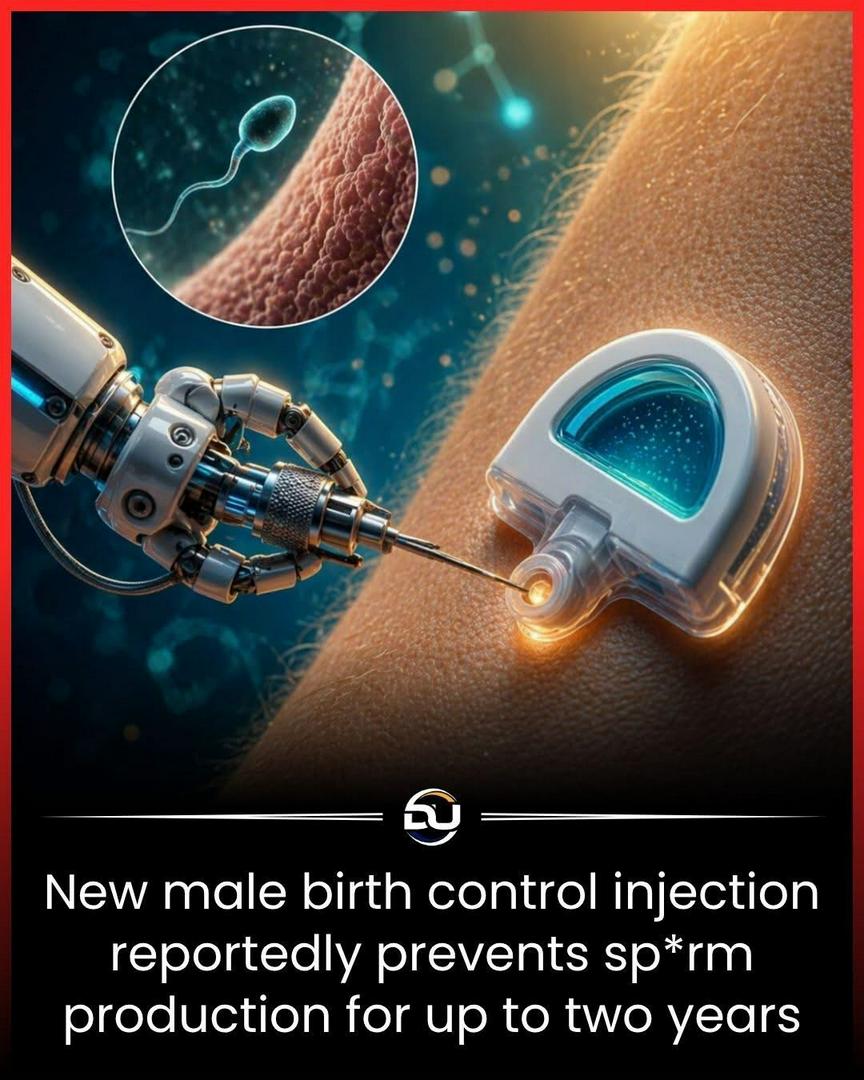
Male birth control injection offers long term reversible fertility control In a major development in reproductive science, researchers have been testing a new male birth control injection that may be able to significantly reduce sp*rm production for an extended period, potentially lasting up to two years, while remaining reversible in many cases. The goal of this research is to provide men with more options for family planning beyond condoms and permanent procedures like vasectomy. Unlike traditional methods that act as physical barriers or surgical solutions, this approach focuses on temporarily altering the biological process of sp*rm production in the reproductive system. Early clinical studies suggest that hormonal and non hormonal formulations can influence the signals responsible for sprm development in the testes. By adjusting these biological pathways, the injection may reduce or pause sprm production without permanently damaging reproductive function, although research is still ongoing to confirm long term safety and effectiveness. Compared to existing male contraceptive options, this innovation could offer a more convenient and long lasting alternative if approved. However, scientists emphasize that it is still in experimental stages, and widespread availability will depend on further clinical trials, regulatory approval, and long term monitoring of side effects and reversibility. This development also highlights a shift in reproductive science, where responsibility for contraception is becoming more balanced between partners. Researchers hope that future breakthroughs like this could expand choice, improve family planning options, and reduce unintended pregnancies globally. #DiscoverTheUniverse #Discover #fblifestyle #MaleBirthControl #ScienceBreakthrough

justme

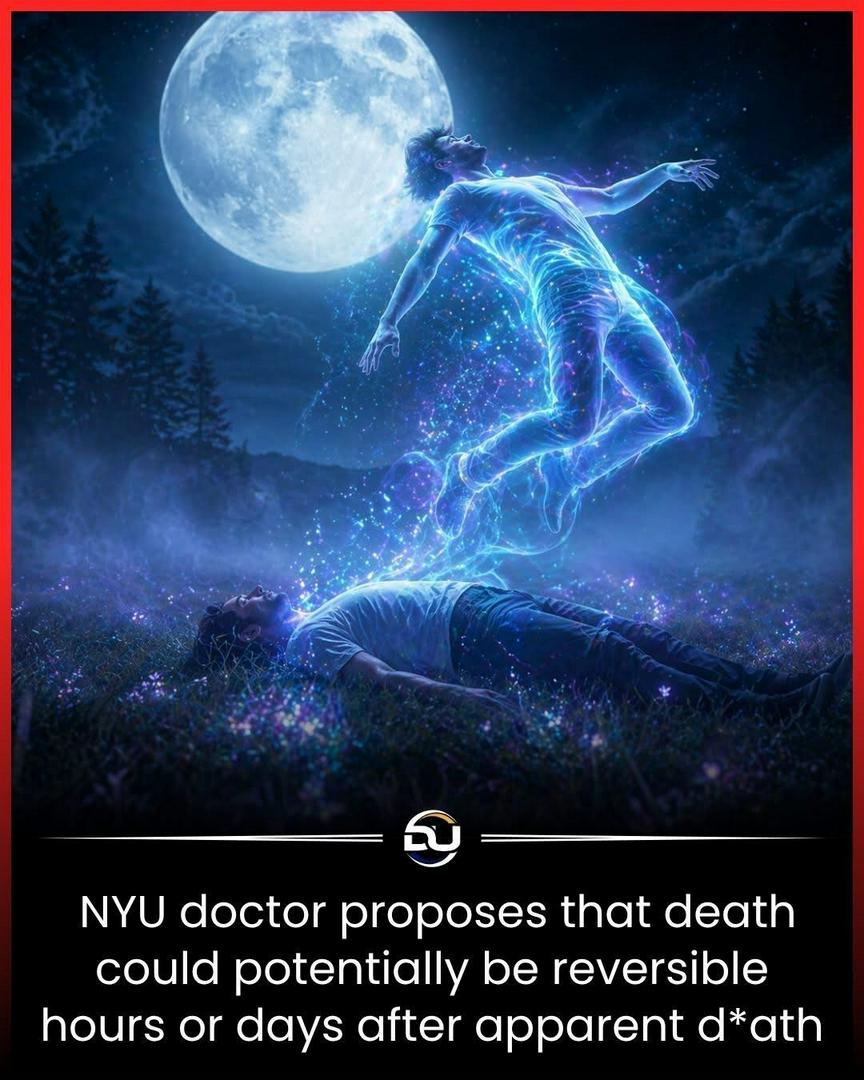
Doctors suggest d*ath may not be final biological endpoint Doctors suggest de*th may not be final biological endpoint. A controversial statement linked to emerging discussions in critical care medicine has sparked global attention after an NYU-affiliated doctor highlighted that what we often call death may, in some cases, be a reversible biological process within a limited time window after cardiac arrest. Researchers emphasize this does not mean true death is reversible, but rather that the boundary between life and death is more complex than traditionally understood. In medical science, there are rare documented phenomena such as delayed return of circulation after failed resuscitation attempts, sometimes called the Lazarus phenomenon, as well as discoveries showing that certain brain cells can retain measurable activity for minutes to even hours after oxygen loss. These findings have led scientists to carefully redefine what biological death means at the cellular level, separating irreversible organism death from temporary clinical states. However, experts caution that such observations do not indicate a way to reverse death in the everyday sense, and they are strictly limited to highly controlled medical environments, often involving intensive life support, temperature regulation, and rapid intervention after cardiac arrest. The distinction between clinical death and biological irreversibility remains a critical area of ongoing research. This evolving understanding does not change the reality of death, but it expands scientific knowledge about how fragile and dynamic the transition from life to death truly is. If further validated, such research could improve emergency medicine, resuscitation techniques, and survival outcomes, offering new hope in situations once considered irreversible. #DiscoverTheUniverse #Discover #fblifestyle #MedicalScience #Neuroscience #ResuscitationResearch

justme

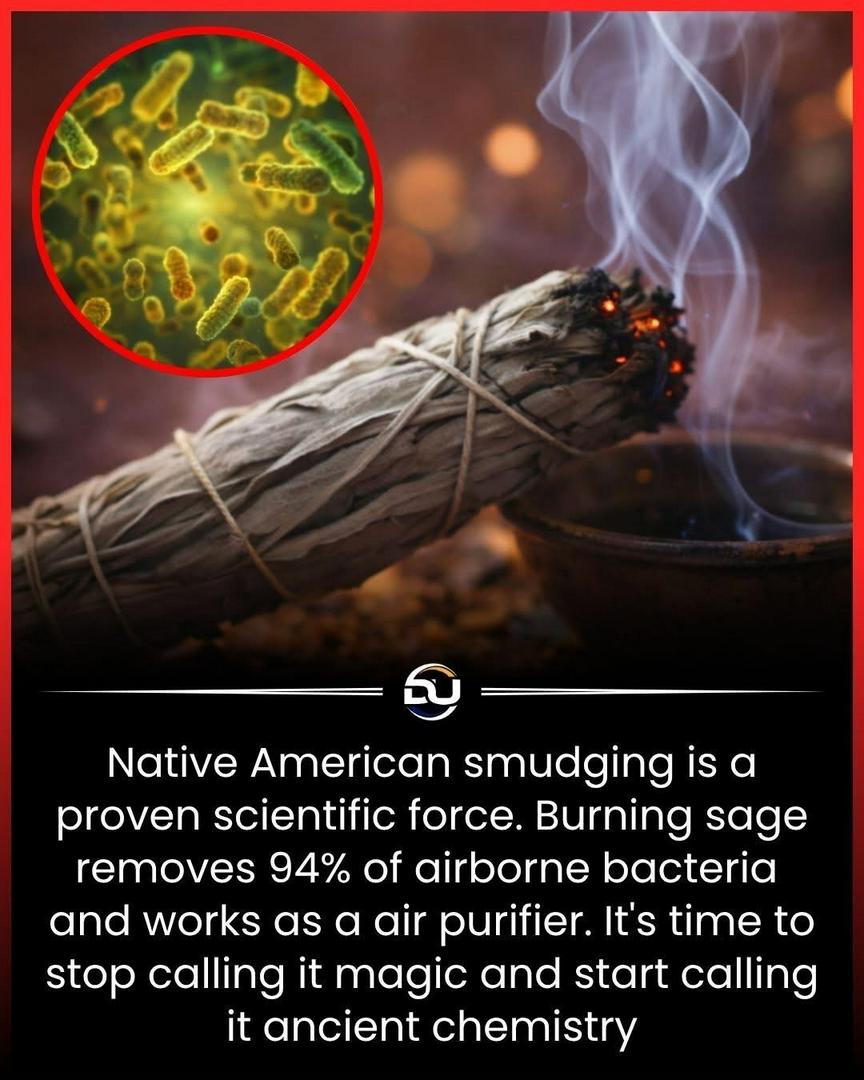
Scientific studies reveal burning sage reduces airborne bacteria For generations, the practice of burning sage, often called smudging, has been used in various Indigenous cultures as a spiritual ritual. While it has often been dismissed as symbolic or mystical, modern science is beginning to uncover something remarkable behind the smoke. Research suggests that burning certain medicinal plants, including sage, can significantly reduce airborne bacteria, in some cases by up to 94 percent in enclosed spaces. This effect comes from the natural compounds released when the plant burns. These compounds, including antimicrobial oils, disperse into the air and interact with bacteria, disrupting their structure and reducing their ability to survive. In simple terms, the smoke does not just carry a scent, it carries active particles that can purify the surrounding environment. Traditionally, air purification has relied on chemical sprays or mechanical filters. But this natural method offers a fascinating contrast. Instead of trapping or masking contaminants, it actively neutralises them using plant based chemistry that has been understood intuitively for centuries. It shows that ancient practices were often grounded in real world effects, even if the science behind them was not yet explained. The potential implications are meaningful. Understanding how these natural compounds work could inspire safer, more sustainable ways to clean indoor air, especially in areas with limited access to modern technology. It may also encourage a deeper respect for traditional knowledge systems that have long been overlooked. As science continues to explore these connections, one thing becomes clear. Sometimes, the wisdom of the past holds answers for the future. What was once called ritual may, in fact, be a quiet form of science waiting to be understood. #DiscoverTheUniverse #Discover #fblifestyle #AirPurification #AncientScience

justme

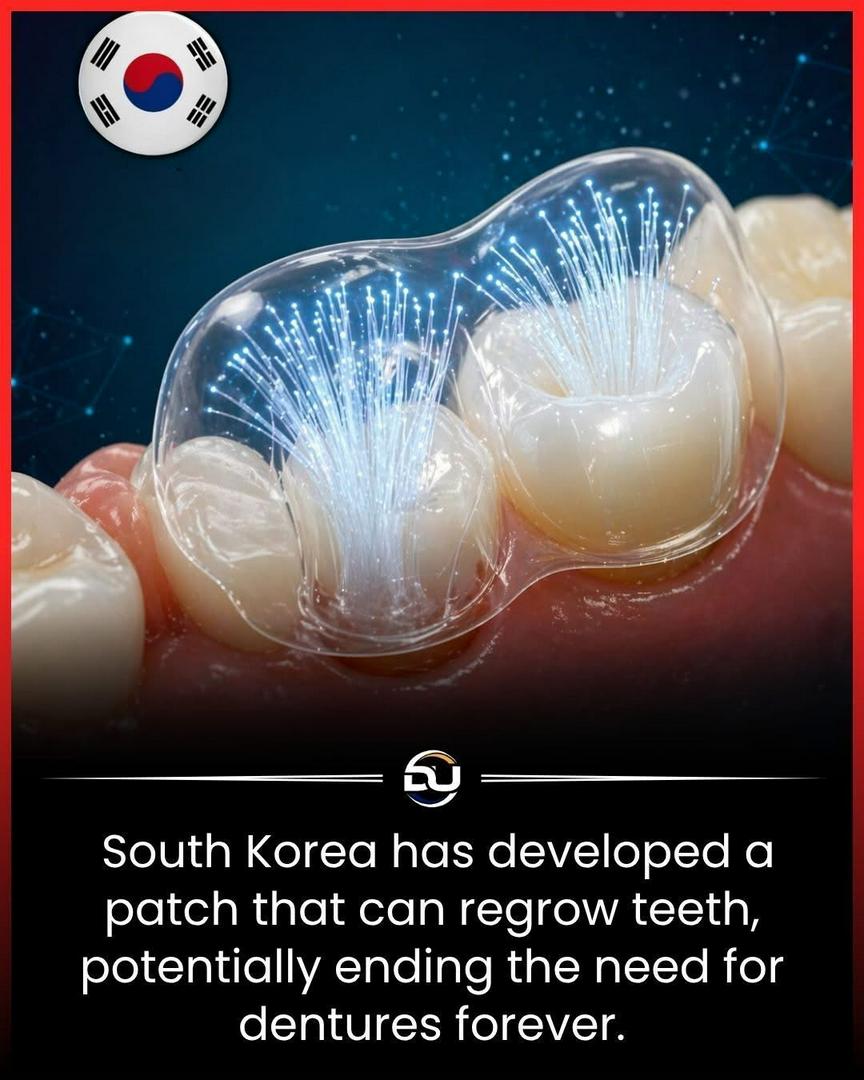
A tiny patch could end dentures forever South Korean scientists have unveiled a revolutionary dental breakthrough: a patch that can regrow teeth naturally, potentially ending the need for dentures forever. Unlike traditional dental prosthetics, which replace missing teeth but never restore natural sensation or growth, this innovative patch encourages your own teeth to regenerate directly in your gums. The patch works using advanced bioactive compounds that stimulate stem cells in the jaw. When applied to areas with missing teeth, it signals the body to grow new tooth structures, including enamel and dentin. Over time, patients could see fully functional teeth emerge, complete with natural strength and sensation. No surgery, no implants, and no artificial materials are required. Traditional solutions like dentures or implants restore appearance and chewing ability but cannot replicate the sensory feedback or biological function of real teeth. This patch changes everything. Imagine biting into a hot slice of pizza or feeling the texture of fresh fruit with completely natural teeth, even if you lost them years ago. Beyond convenience, the implications for oral health are massive. Regrown teeth reduce the risk of gum disease, improve nutrition by restoring proper chewing, and eliminate the discomfort and maintenance challenges of dentures. It’s a leap forward in regenerative medicine that combines biology, technology, and dental science in a simple, non-invasive form. While clinical trials are ongoing, the potential is undeniable. If widely available, this technology could transform dentistry, giving people back their natural smiles and function without relying on artificial replacements. The dream of regrowing teeth is no longer science fiction—it’s becoming reality. #DiscoverTheUniverse #Discover #DentalInnovation #MedicalBreakthrough #fblifestyle

justme

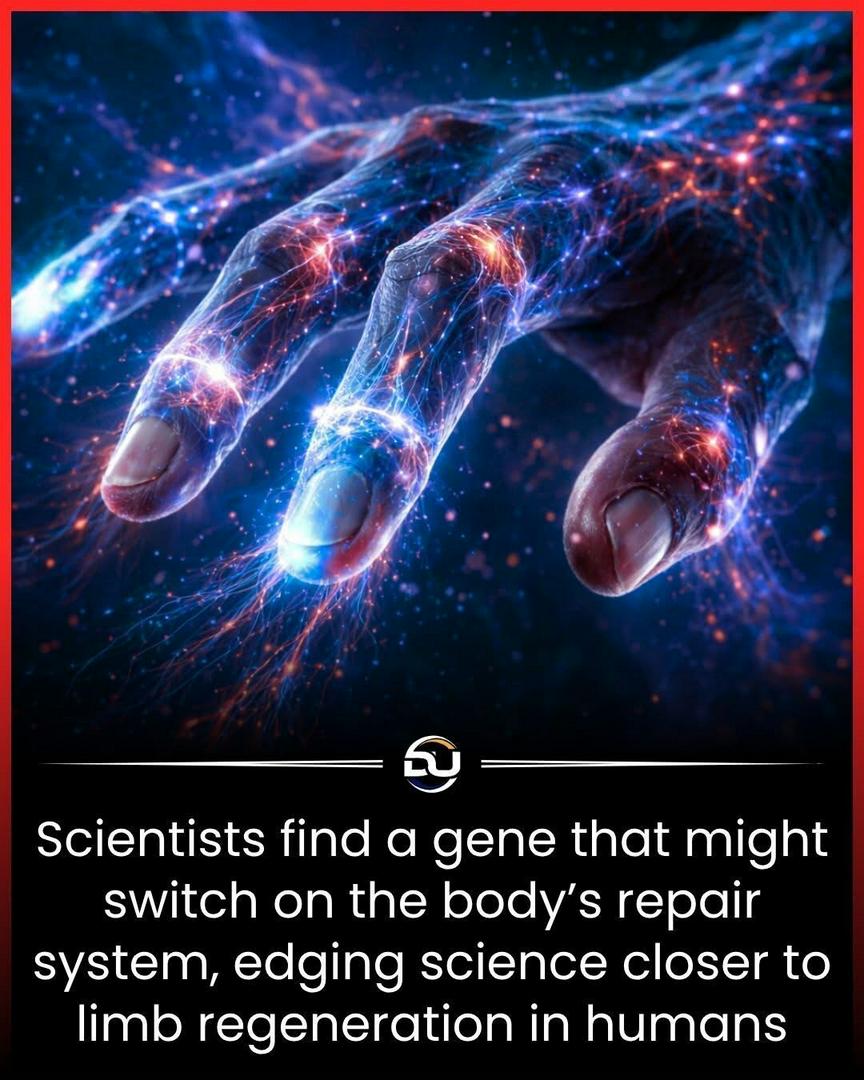
Scientists uncover gene switch that may unlock human regeneration In 2025, researchers studying regeneration have identified a gene network that could one day help the human body repair itself in ways once thought impossible. Unlike traditional healing, which mainly focuses on closing wounds and limiting damage, this discovery points to a deeper biological “reset” system that may reactivate growth patterns normally seen only in early development or certain animals. Some species, like salamanders and zebrafish, can regrow lost limbs or damaged organs. For a long time, scientists believed humans permanently lost this ability. However, recent studies suggest that dormant genetic pathways still exist in our bodies, but they are switched off after infancy. The newly studied gene mechanisms appear to influence how cells communicate, multiply, and reorganise during healing. Instead of forcing the body to patch injuries with scar tissue, this system may encourage true tissue regeneration, where nerves, muscles, and even blood vessels could potentially rebuild in a more complete way. Compared to conventional medicine, which often manages symptoms or repairs damage externally, this approach works by guiding the body to heal itself at the cellular level. The implications are enormous. If scientists can safely control these genetic switches, it could transform recovery from severe injuries, burns, or degenerative diseases. It may also reduce long term disability and change how we think about ageing and physical repair. However, researchers are cautious. Activating growth pathways must be precisely controlled, because unchecked cell growth can lead to serious risks. That is why most of this work is still in early experimental stages. Even so, the discovery opens a remarkable possibility. The human body may not be limited to healing, but capable of rebuilding in ways we are only beginning to understand. #DiscoverTheUniverse #Discover #fblifestyle #GeneticBreakthrough #Regen

You've reached the end!