Tag Page Defense

#Defense
Edwin French

Rudy Gobert has been DPOY level this season

The Wolves started shaky, but they’ve climbed back to top-5 in the west — and the constant is still Rudy Gobert anchoring everything on defense. Per Cleaning the Glass on/off + shot-profile tracking, Gobert’s impact this year has been absurd: the defense improves by roughly 14 points per 100 with him on the floor, opponents take way fewer rim attempts when he’s out there, their efficiency drops, and he’s even suppressing free throws — plus his rebounding has ramped up in December. He’s 33, still vacuuming boards, still erasing the paint, still making Minnesota’s entire scheme viable — all while the DPOY conversation about him feels weirdly quiet. Are people just tired of giving him credit? #NBA #Timberwolves #RudyGobert #DPOY #Defense #NBAStats #BasketballTalk

Rudy Gobert has been DPOY level this season
Curiosity Corner

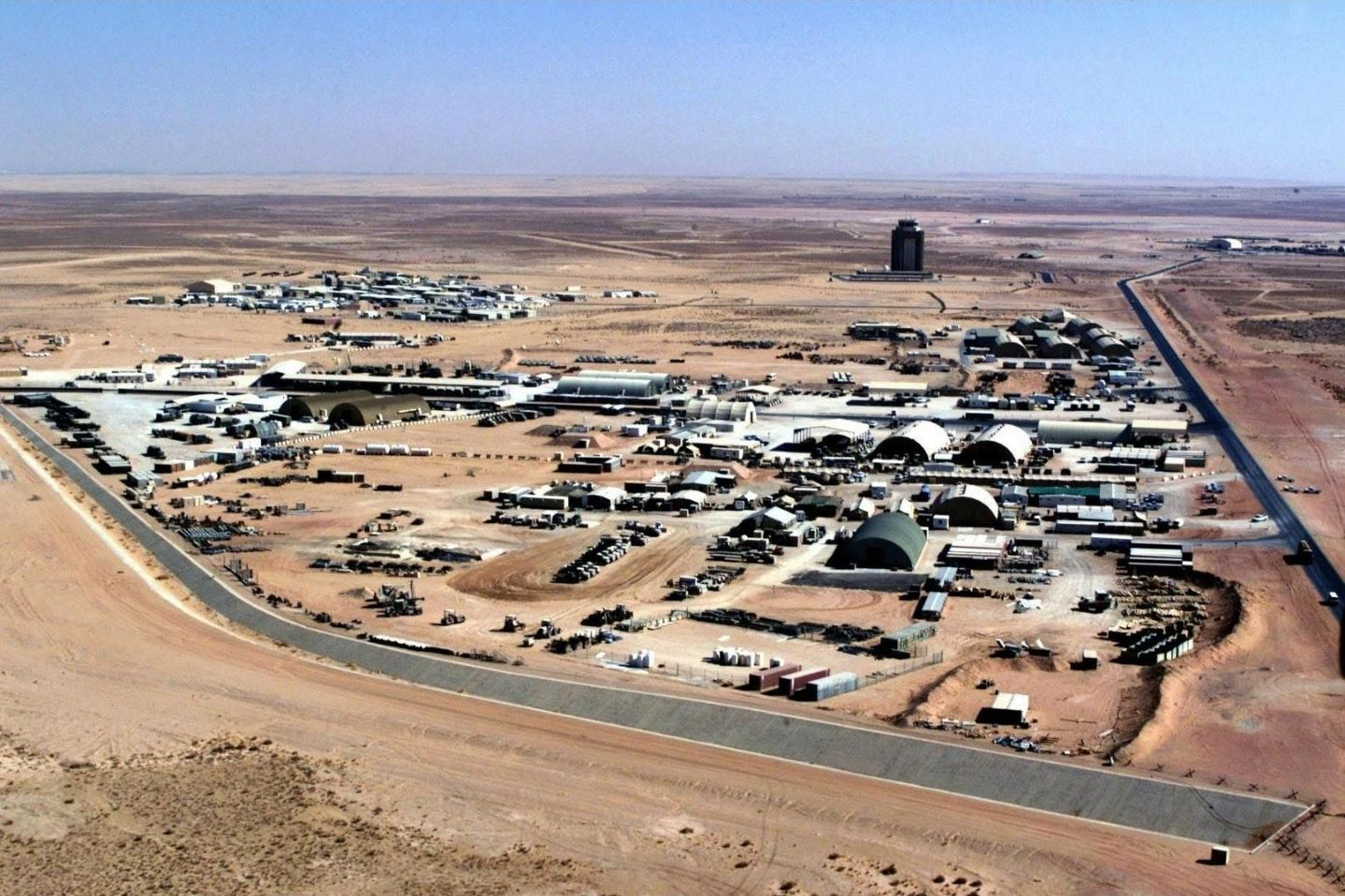
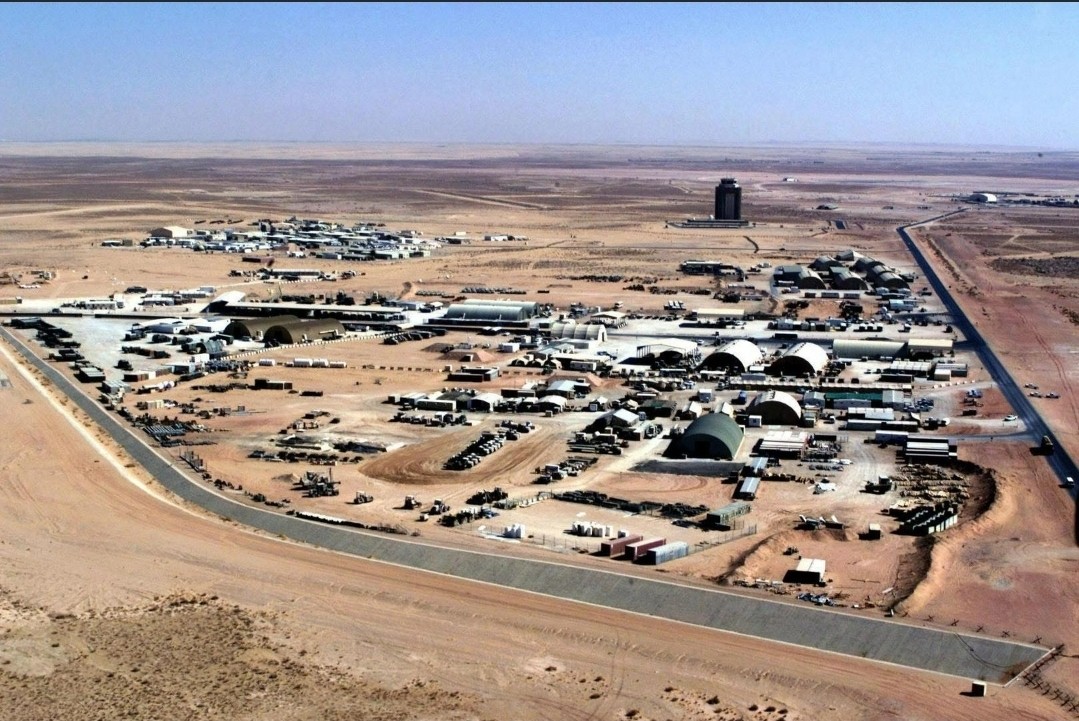
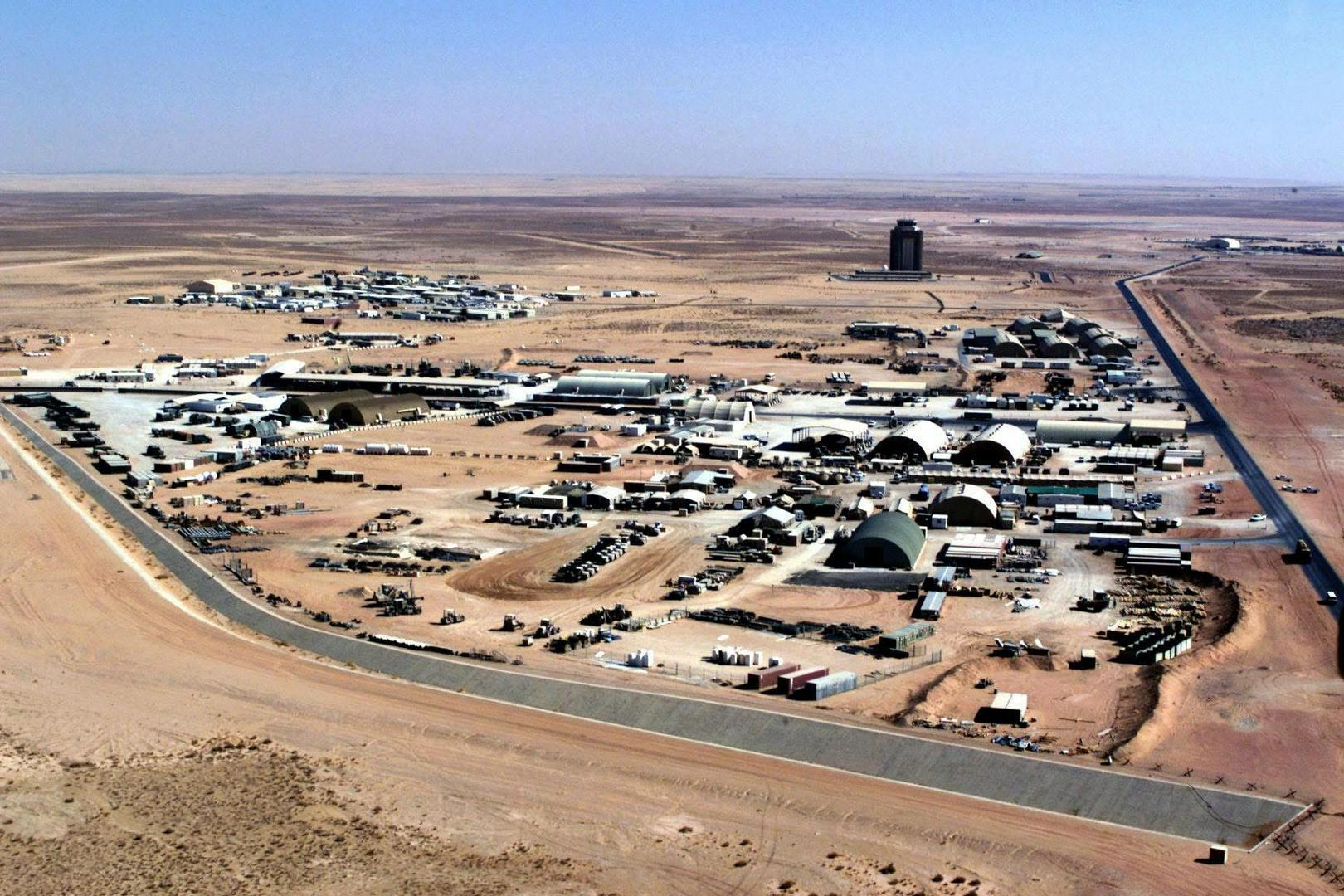
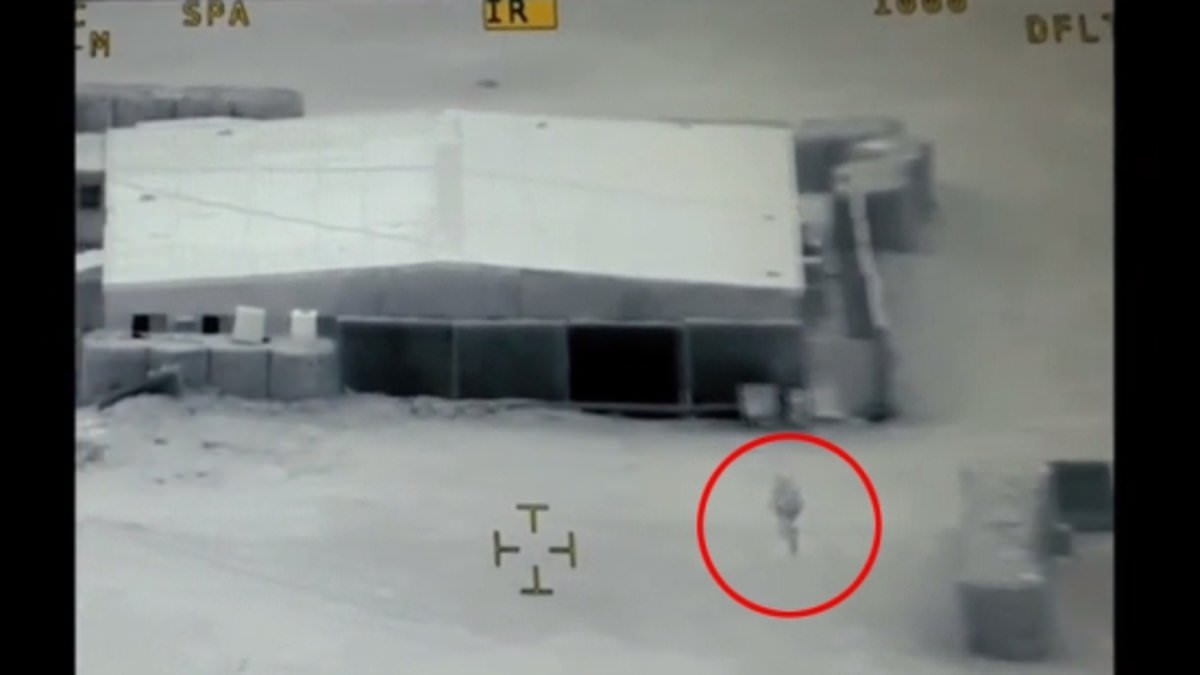
The Iraq Jellyfish UAP: Scientific Analysis – What Is This Object? A widely circulated infrared video recorded near Al Taqaddum Air Base in Iraq shows a dark, rounded aerial object with multiple trailing appendages hovering above a U.S. installation. The footage was captured by a forward looking infrared FLIR sensor, which detects thermal contrast rather than visible light, mounted on a tethered aerostat, a balloon based surveillance platform operating at about 1,000 feet. The roughly 17 minute video shows no visible propulsion, and the object appears to maintain altitude despite variable wind conditions. U.S. Marines reported visual contact. One described it as “hovering there, completely silent,” unlike known aircraft. Another said the appendages “didn’t move like a helicopter or drone” and appeared “almost alive,” increasing uncertainty because the object did not match familiar profiles. Analysis centered on sensor physics and atmospheric effects. FLIR systems display temperature differences rather than physical structure, so uneven heating can create apparent appendages or motion. Image stabilization can exaggerate minor drift, making thin or flexible materials appear animated. Wind shear, turbulence, and thermal inversion layers further distort shape and movement. Temperature differences under one degree Celsius can produce pronounced infrared artifacts. The All-Domain Anomaly Resolution Office (AARO), reviewed similar Middle East footage and concluded with about 95 percent confidence that the objects were balloon clusters, based on full motion video analysis, pixel tracking, sensor calibration, and wind modeling. As a government entity, AARO’s conclusions also carry inherent plausible deniability regarding an actual UAP government program. With that in mind, do you believe AARO’s conclusion that these were balloons? #UFO #UnexplainedPhenomena #Science #Mystery #Physics #Military #Defense
1776 Patriot

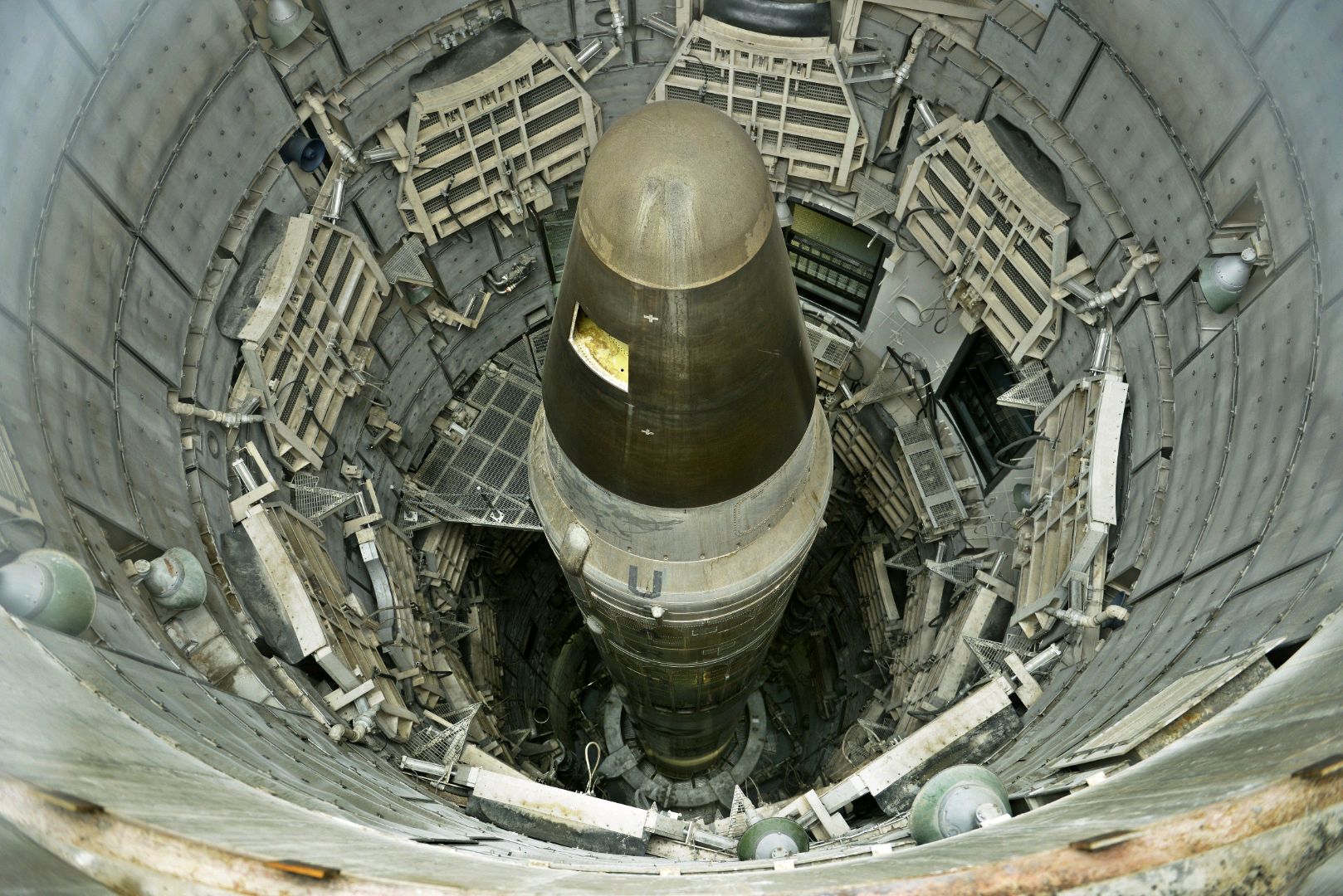
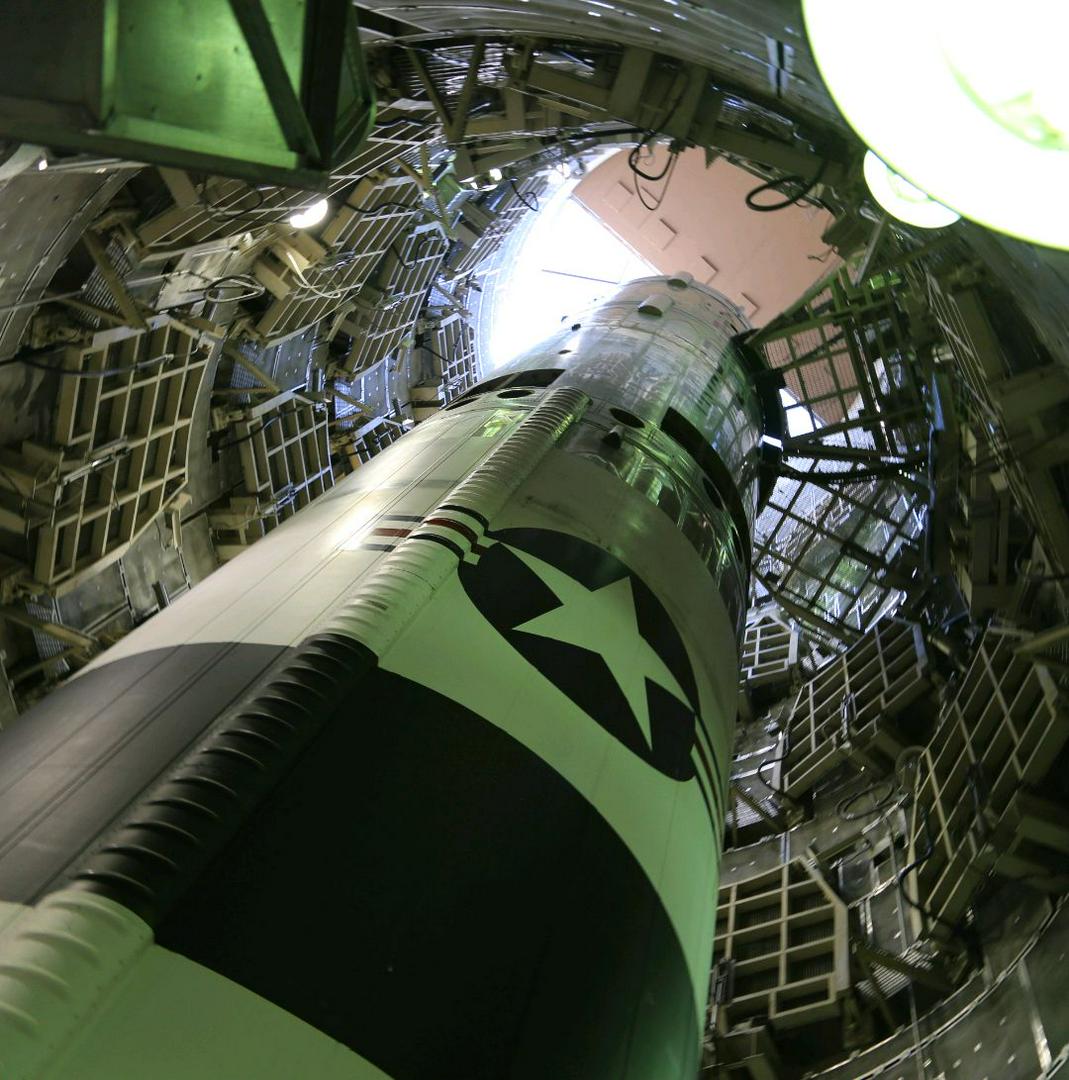
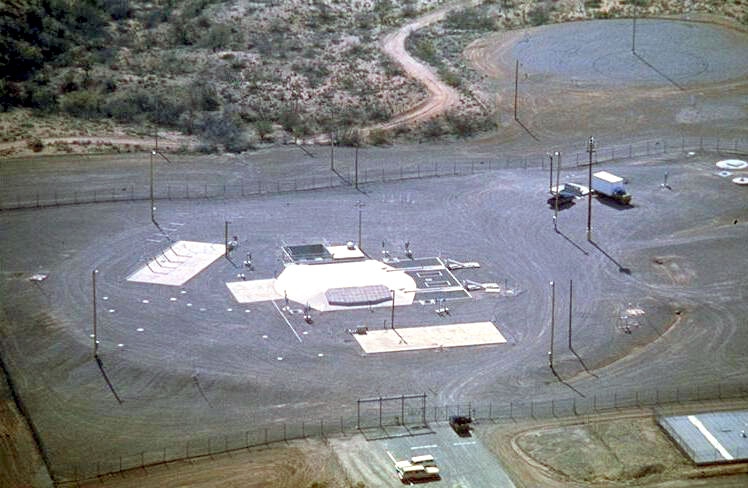
Arkansas ICBM Silo Accident: When A Titan II Almost Went Nuclear

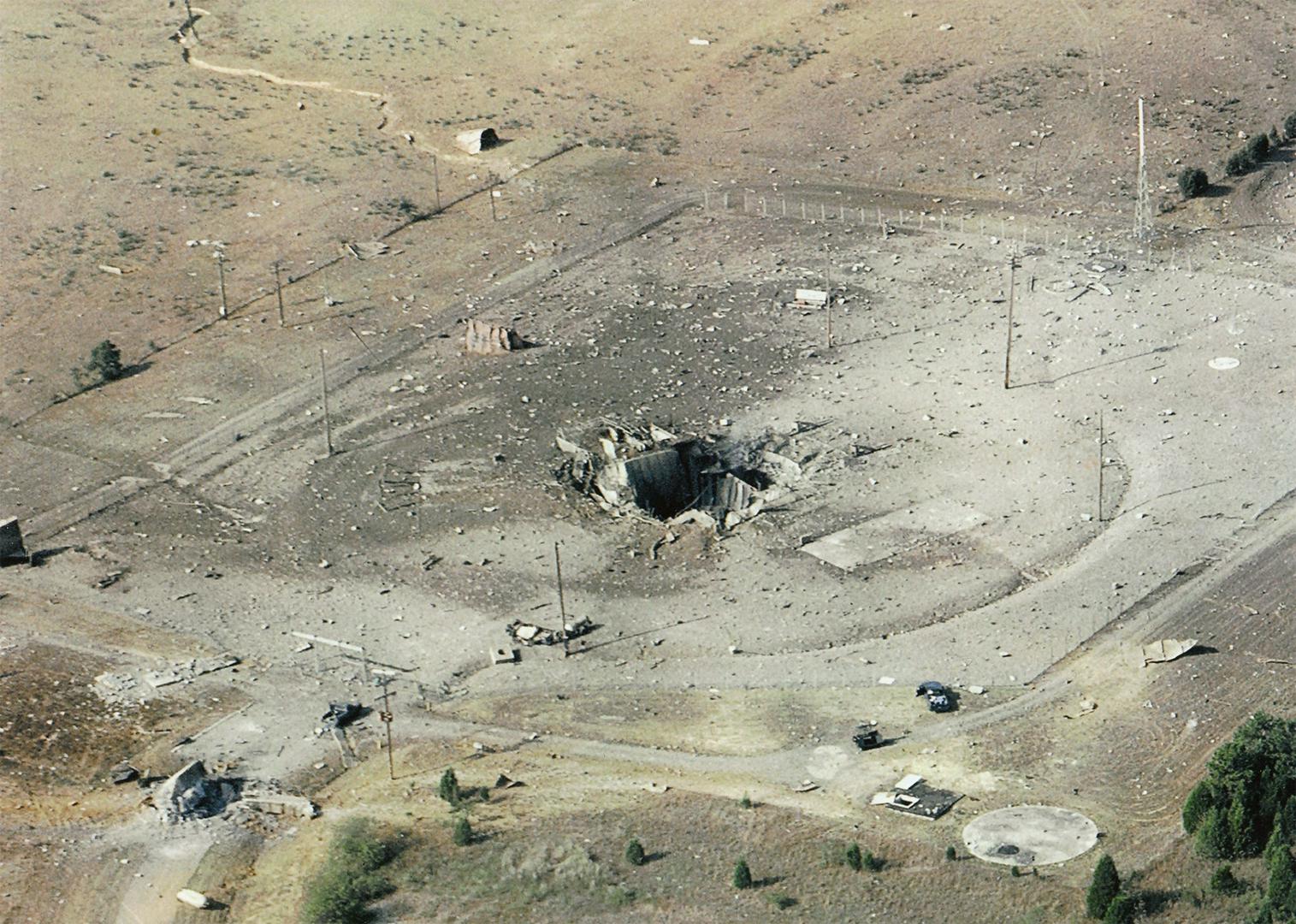
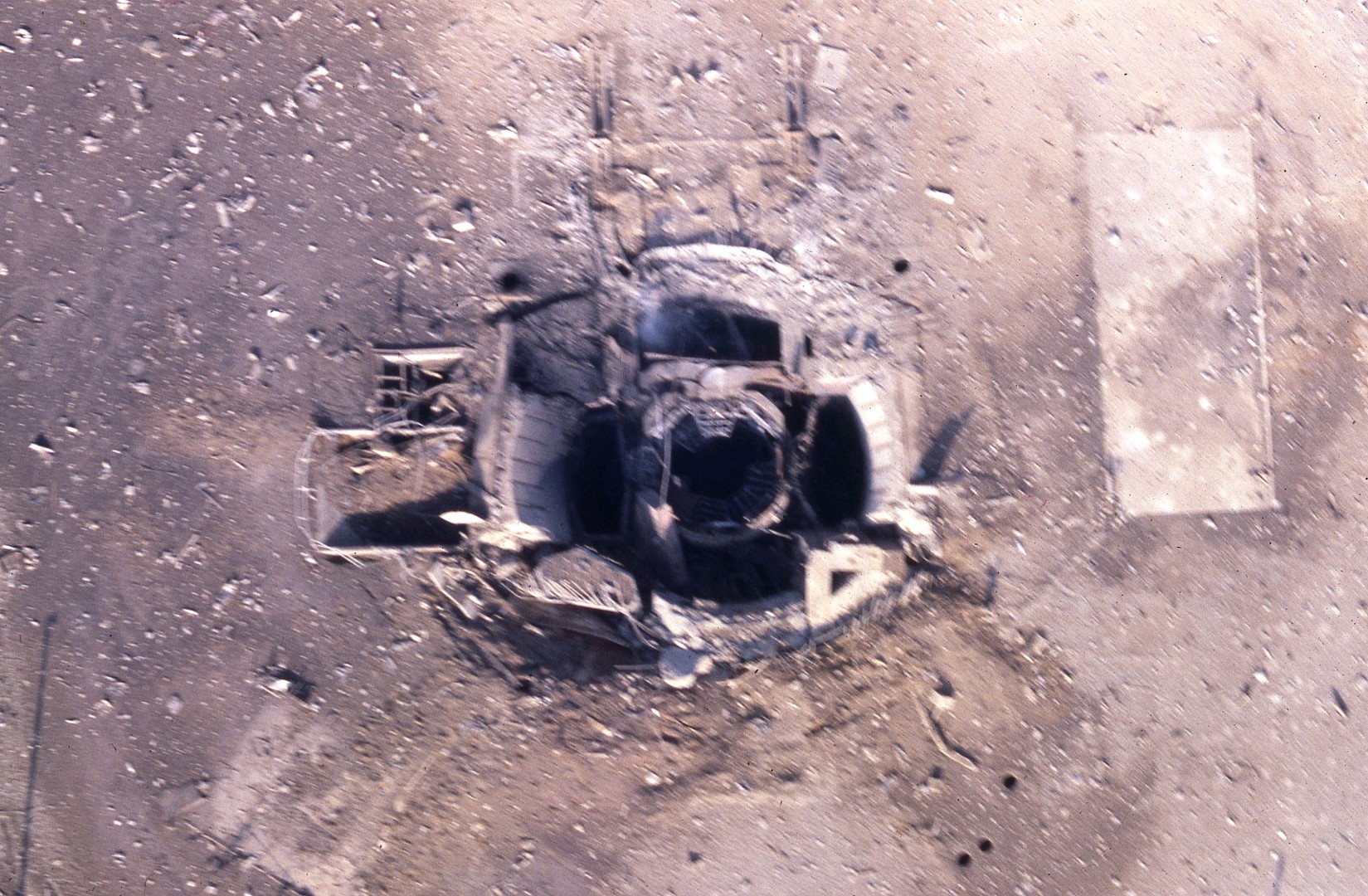
On September 18, 1980, a routine maintenance operation at Titan II Missile Complex 374-7 near Damascus, Arkansas, escalated into one of the most serious nuclear accidents in U.S. history. Airmen were performing detailed maintenance on the missile, which stood 103 feet tall, weighed 33 tons, and housed a W-53 thermonuclear warhead capable of 9 megatons, enough to destroy an entire city. During the operation, an airman accidentally dropped an 8-pound socket wrench. The tool fell roughly 80 feet, bounced off a steel thrust mount, and punctured the missile's first-stage fuel tank, releasing Aerozine 50, a highly flammable liquid propellant that reacts instantly with dinitrogen tetroxide. The silo, buried deep and designed to withstand conventional blasts, became a volatile trap. The Air Force evacuated personnel and began emergency containment. Crews attempted to pump water into the silo to dilute fuel vapors and vent pressure, but the chemical reaction persisted. Overnight, the situation worsened, and the combination of leaking fuel and oxidizer created a constant threat of fire or explosion. Around 3:00 a.m. on September 19, a massive explosion occurred, launching the 740-ton silo door hundreds of feet away. The missile and its W-53 warhead were ejected intact. Safety mechanisms prevented a nuclear detonation or radioactive release, but the blast destroyed the silo and nearby equipment. One airman was killed and 21 others injured, mostly emergency responders from Little Rock Air Force Base. Senior Airman David Livingston died, while others suffered burns, broken bones, and shock. The images of the blast became a stark symbol of the Titan II program's dangers. The Damascus accident revealed serious weaknesses in missile maintenance and emergency safety protocols. It showed how a minor error could almost trigger a nuclear catastrophe and prompted the Air Force to review safety measures across the missile program. #USHistory #History #USA #America #Missiles #Defense

Arkansas ICBM Silo Accident: When A Titan II Almost Went NuclearArkansas ICBM Silo Accident: When A Titan II Almost Went NuclearArkansas ICBM Silo Accident: When A Titan II Almost Went NuclearArkansas ICBM Silo Accident: When A Titan II Almost Went NuclearArkansas ICBM Silo Accident: When A Titan II Almost Went Nuclear
You've reached the end!
Tag: Defense | LocalAll