Tag Page CulturalHistory

#CulturalHistory
LataraSpeaksTruth

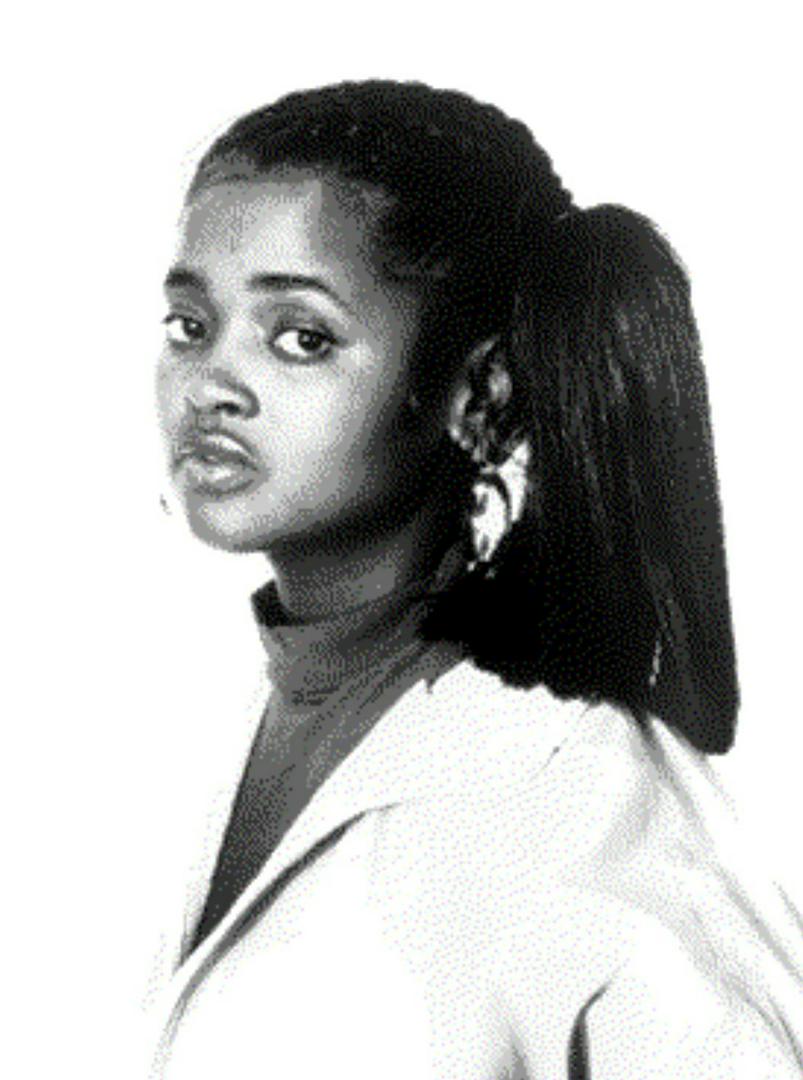
December 24, 1989 sits inside a cultural shift that was already gaining momentum. Around this period, Sister Souljah was emerging into national visibility as part of a wave of Black women whose political voices were becoming impossible to ignore in media, hip hop, and public debate. This was not overnight attention. It was the result of sustained organizing, sharp analysis, and a refusal to dilute language for comfort. By the late 1980s, hip hop had become more than music. It was a public forum, and the media was struggling to manage voices that spoke outside approved boundaries. Sister Souljah entered that space fully aware of the consequences. She spoke plainly, challenged dominant narratives, and refused to perform respectability to be heard. What unsettled audiences was not only her message, but her presence as a young Black woman asserting intellectual authority in spaces that were not built for her leadership. December 1989 reflects a threshold moment. Conversations about power, accountability, and representation were becoming more visible and more confrontational. Black women were no longer content to be supporting voices in movements shaped by others. They were naming realities in real time and forcing public engagement. Sister Souljah’s rise during this period signaled that shift clearly. This moment matters because history does not move only through laws or elections. It moves through voices that refuse silence when silence is expected. December 24, 1989 stands inside that awakening, when speaking boldly became an act of record, not rebellion. #OnThisDay #December24 #1989 #CulturalHistory #MediaAndPower #WomenInHistory #PoliticalVoice #HipHopEra #HistoryMatters

LataraSpeaksTruth

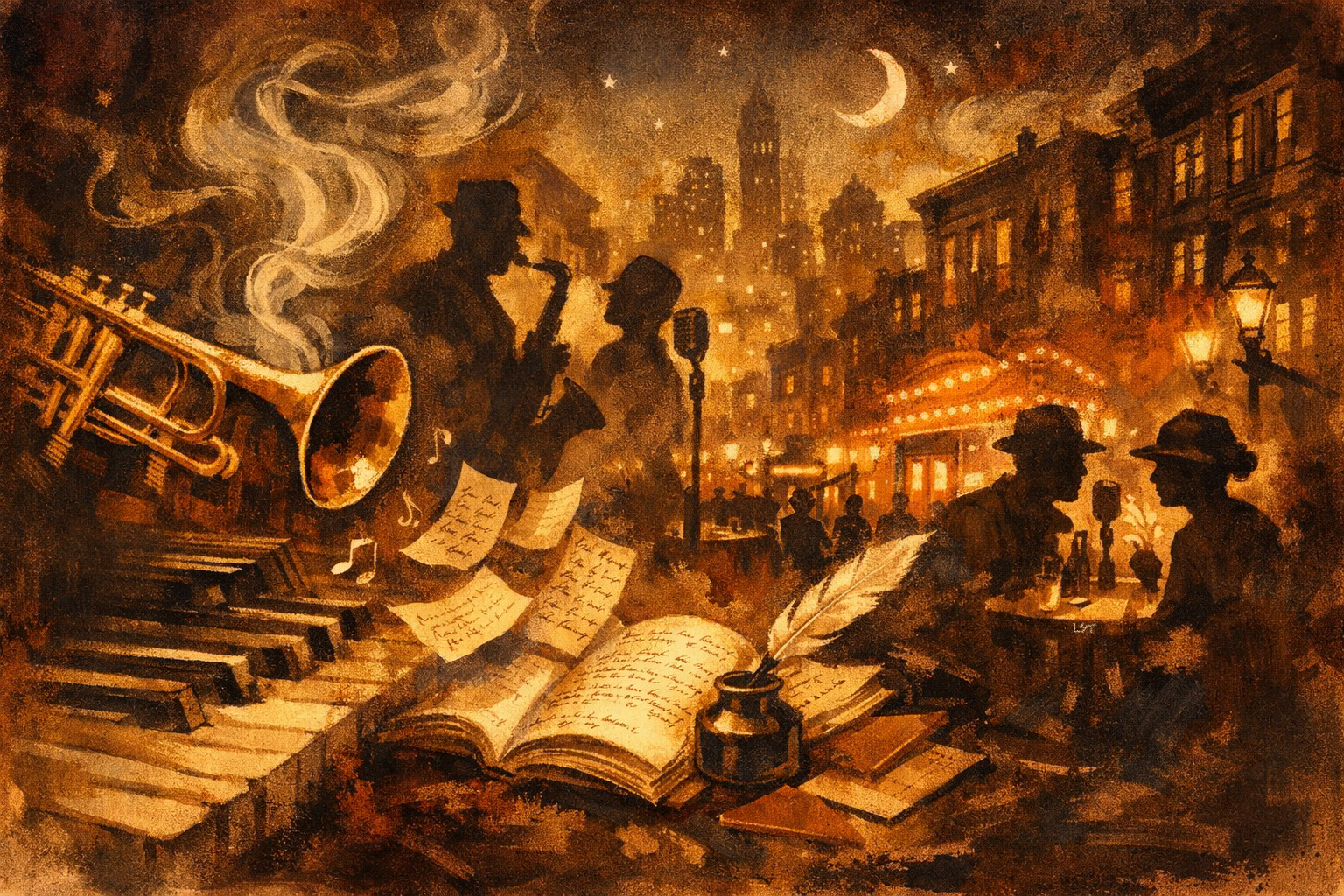
December 1924 sits right in the thick of a cultural takeover that did not ask for permission. Harlem was alive. Not just busy, but alive with ideas, music, arguments, and ambition. The Harlem Renaissance was not a single moment you could circle on a calendar. It was a season of collision where Black writers, artists, musicians, and thinkers decided they would define themselves instead of being defined. December, often treated as a quiet closing month, was anything but quiet in Harlem. It was a continuation of momentum. During this period, figures like Langston Hughes, Zora Neale Hurston, and Duke Ellington were shaping a new cultural language. Literature challenged stereotypes. Music moved beyond entertainment into statement. Art reflected pride, frustration, joy, and complexity without apology. These creators were not trying to be respectable by outside standards. They were trying to be honest. December 1924 represents endurance. The Renaissance was not a party that burned out quickly. It was work. Magazines were being published. Essays were being debated. Poetry was being read aloud in crowded rooms thick with cigarette smoke and opinion. Political thought was sharpening alongside creative expression. Black identity was being examined, questioned, and affirmed in real time. This matters because the influence did not stay in Harlem. It traveled. It shaped how Black life was written about, performed, and understood across the country and eventually the world. December reminds us that movements do not pause for holidays. They continue quietly, loudly, and persistently. The Harlem Renaissance was not a moment. It was a turning of the page that never fully closed. #HarlemRenaissance #BlackHistory #CulturalHistory #AmericanHistory #DecemberHistory
LataraSpeaksTruth

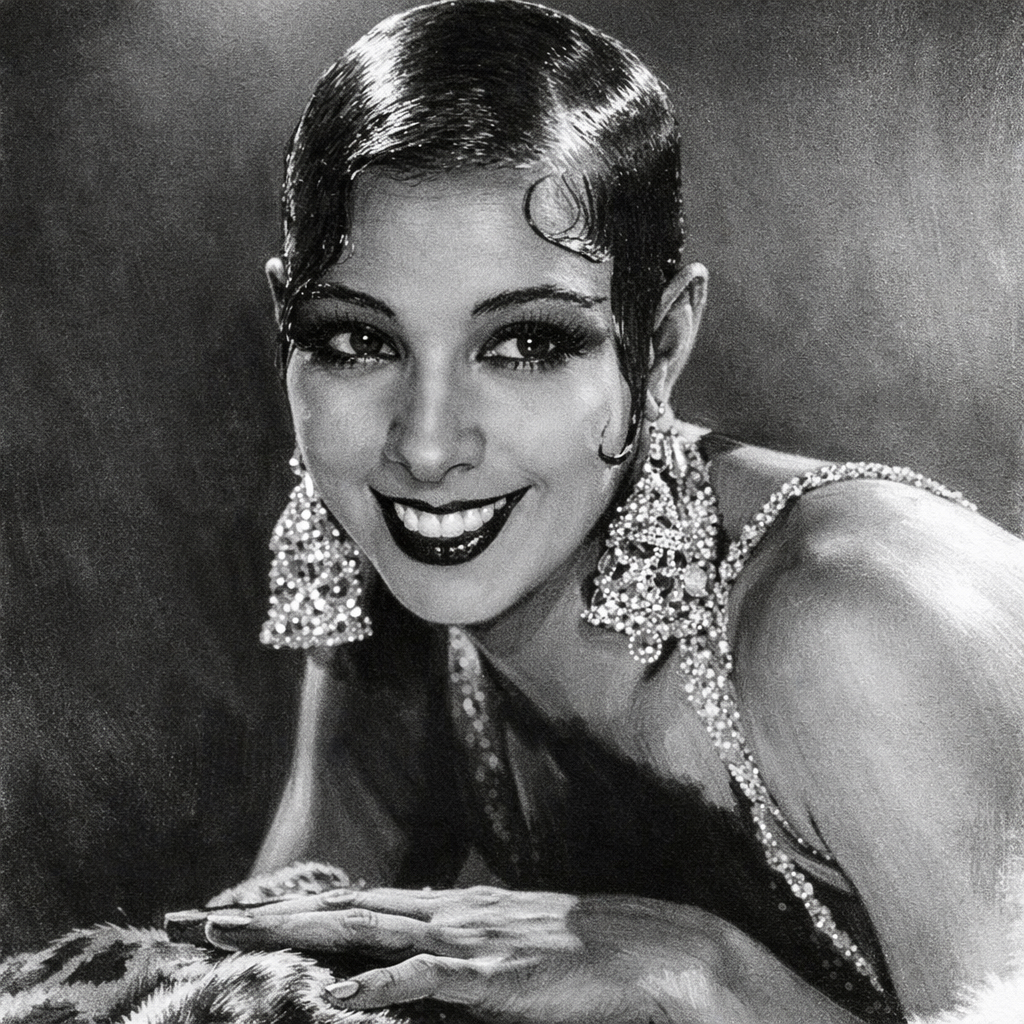
December 24, 1906. On this day, Josephine Baker was born, and history quietly underestimated her. Born into poverty in St. Louis, she came of age in a nation that craved her talent but denied her dignity. America wanted her onstage smiling, dancing, entertaining but not respected, protected, or treated as fully human. So she made a radical choice. She left. In France, Baker found what the United States refused to offer her at the time: freedom alongside fame. She became one of the most recognizable performers in the world, commanding European stages and redefining what it meant to be a Black woman in the spotlight. But sequins were never the whole story. During World War II, Baker served as an agent for the French Resistance, using her celebrity as cover to gather intelligence, conceal messages in sheet music, and transport information across borders. She risked her life fighting fascism. No costume patriotism. Real resistance. What stings is not only what she achieved, but what she had to leave behind to do it. Baker did not abandon America out of spite. She outgrew a country unwilling to grow with her. Even after global success, she confronted racism head on, refused to perform for segregated audiences, and later stood alongside civil rights leaders, including speaking at the March on Washington. December 24 marks more than a birthday. It marks the arrival of a woman who proved that talent does not need permission, dignity is not negotiable, and sometimes the loudest protest is choosing a life that refuses to shrink. She did not just escape limitations. She exposed them. #OnThisDay #December24 #JosephineBaker #HiddenHistory #WorldWarIIHistory #CulturalHistory #Resistance #Legacy #BlackExcellence #AmericanHistory #HistoryThatMatters

LataraSpeaksTruth

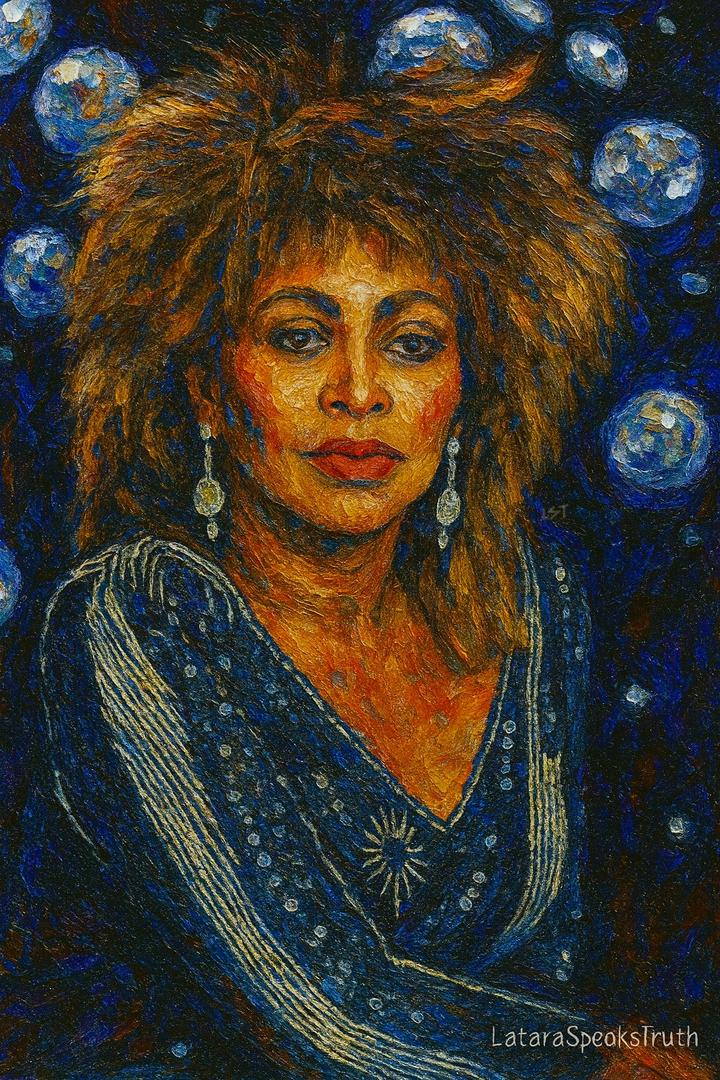
Tina Turner: Born November 26, 1939

Tina Turner was born in Nutbush, Tennessee, in 1939. She grew up in a rural community and stepped into music at a young age, eventually becoming one of the most influential performers of her era. Her early years in the industry placed her in the center of a sound that blended rock, soul, and rhythm, and her presence quickly became known for intensity and precision. Her later solo career reshaped her trajectory. In the 1980s she released songs that reached global audiences and helped establish her as a major figure in popular music. Her concerts, visuals, and voice became central to her image and contributed to her recognition across generations. Her life story is often associated with resilience, personal change, and reinvention. Tina Turner remains a significant figure whose influence can still be traced in music, performance style, and cultural memory. #TinaTurner #BornOnThisDay #MusicHistory #RockAndSoul #AmericanIcons #OnThisDay #LegendaryVoices #CulturalHistory #LataraSpeaksTruth

Tina Turner: Born November 26, 1939
LataraSpeaksTruth

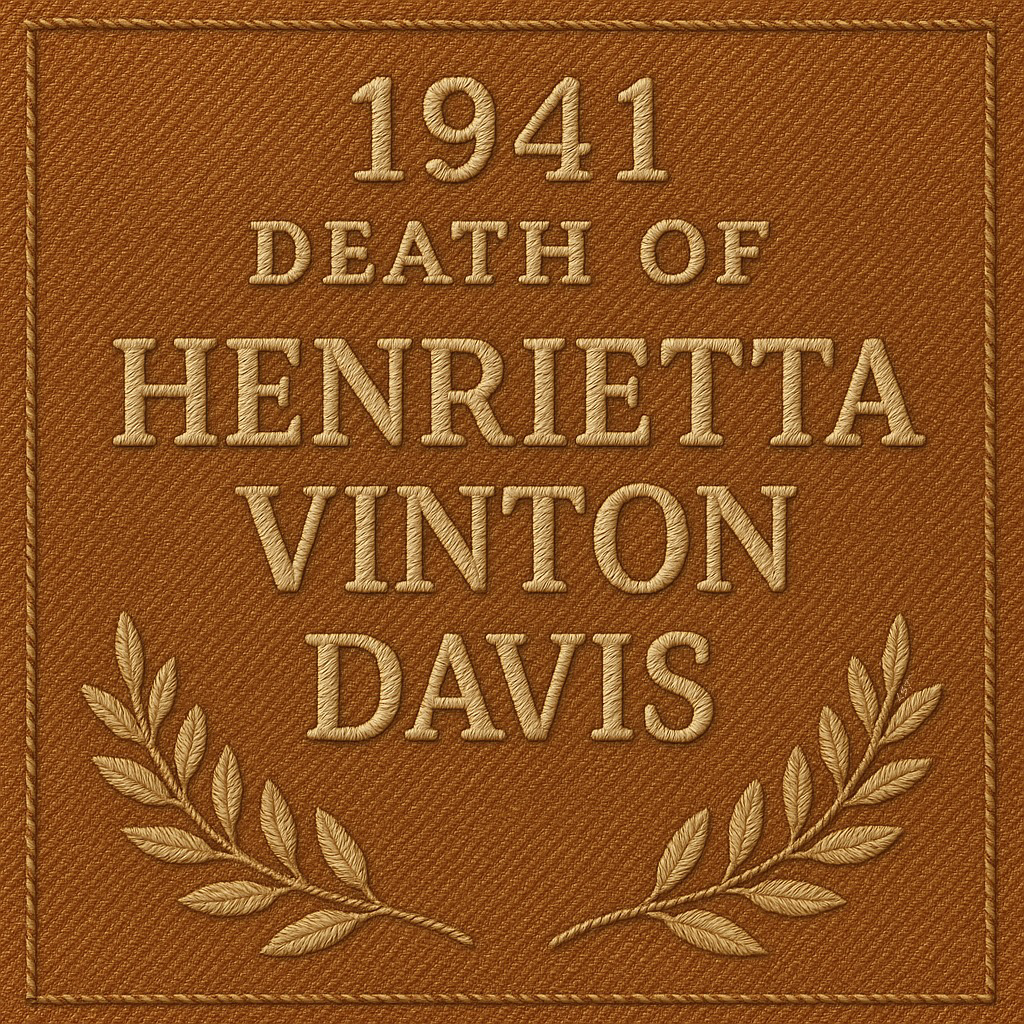
1941… Death of Henrietta Vinton Davis

Henrietta Vinton Davis, a groundbreaking actress, elocutionist, and international advocate, died on November 23, 1941 in Washington, D.C. Her career blended performance and activism during a period when opportunities for Black artists were limited. Davis became widely known through her stage work and later emerged as a prominent figure in the Universal Negro Improvement Association. She traveled, organized, and spoke publicly on issues related to unity, cultural pride, and global awareness among people of African descent. Her passing marked the end of a career that influenced both the performing arts and early twentieth century Black political life. Davis is now recognized as an important figure whose work reached across borders and generations. #BlackHistory #HenriettaVintonDavis #UNIAHistory #CulturalHistory #OnThisDay #PerformingArtsHistory #HistoricFigures #GlobalHistory #AmericanHistory #HistoryMatters

1941… Death of Henrietta Vinton Davis
LataraSpeaksTruth

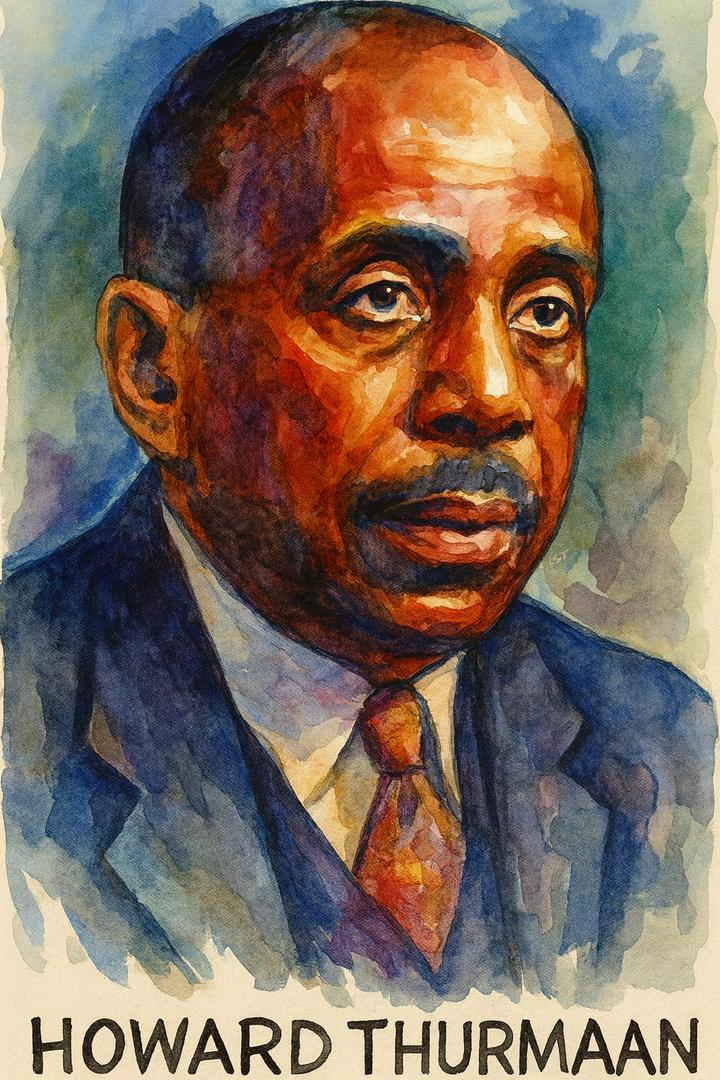
Howard Thurman, Born Around This Time In 1899, Became One Of The Quiet Architects Of A Movement

Howard Washington Thurman entered the world in late November of 1899 in Daytona Beach, Florida, during a time when Black spiritual leadership was still fighting for its full voice. He would grow into one of the most influential theologians of the twentieth century, guiding generations through a faith rooted in dignity, nonviolence, and moral clarity. Thurman later served as dean of Rankin Chapel at Howard University and Marsh Chapel at Boston University, using both spaces to shape conversations that reached far beyond religion. His writings on nonviolence became essential reading for young seminarians in the 1950s, including Martin Luther King Jr., who carried Thurman’s work into marches, pulpits, and national debates. Thurman rarely sought headlines, but his influence threaded through the movement like a steady hand. His life reminds us that the people who change history are not always the ones at the microphone. Sometimes they are the thinkers whose words steady the crowd. #HistoryMatters #OnThisDay #CulturalHistory #FaithHistory #CivilRightsLegacy #NewsBreakCommunity #LataraSpeaksTruthp

Howard Thurman, Born Around This Time In 1899, Became One Of The Quiet Architects Of A Movement
You've reached the end!
Tag: CulturalHistory - Page 2 | LocalAll