Tag Page CivilRightsMovement

#CivilRightsMovement
LataraSpeaksTruth

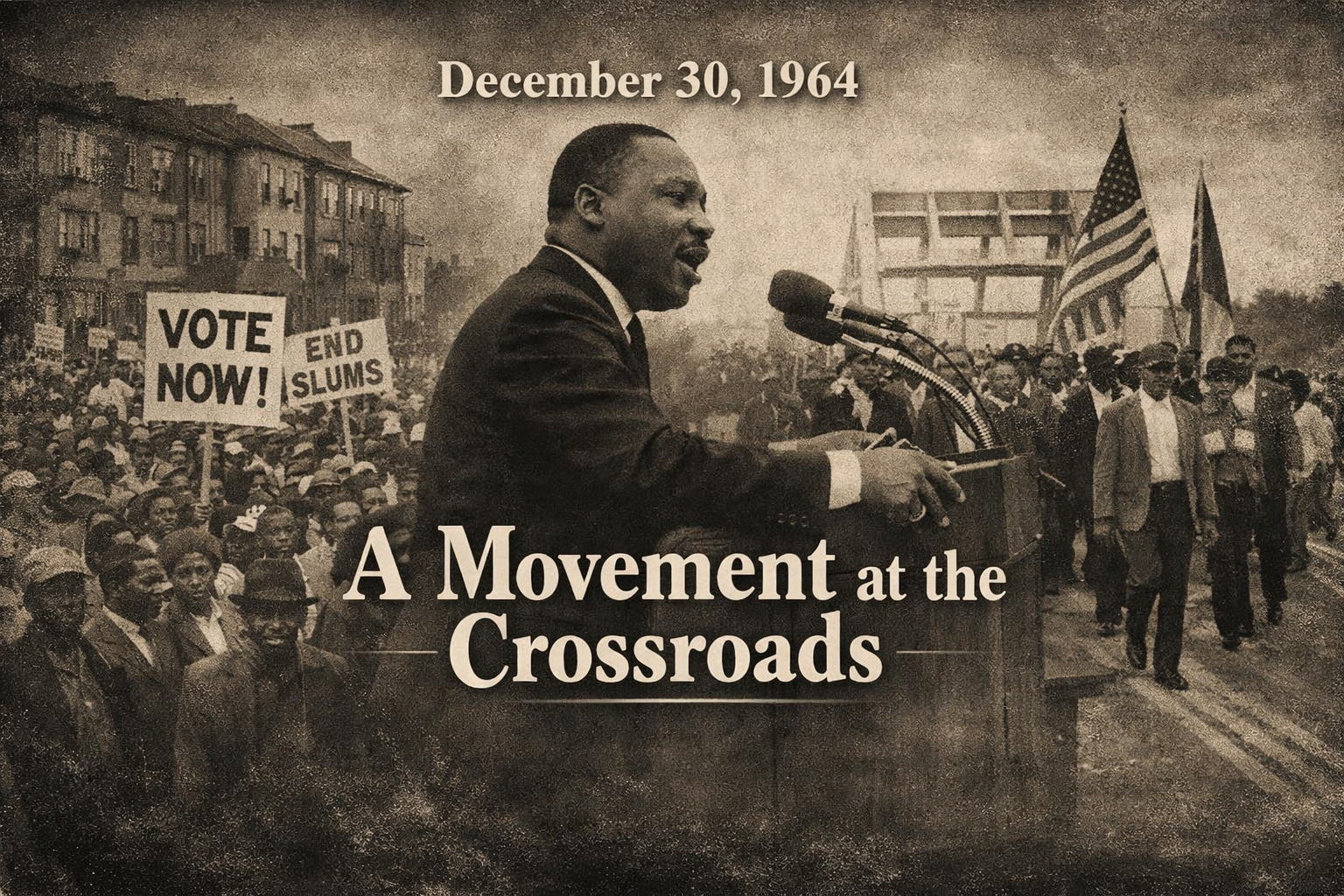
December 30, 1964 marked a moment of transition for the modern civil rights movement. In late December, Martin Luther King Jr. delivered one of his final major public addresses of the year as the movement stood between legislative victory and unresolved reality. The Civil Rights Act had been signed months earlier, yet resistance to enforcement remained widespread, underscoring that legal change had not automatically produced social or economic equality. King used his end of year speeches to signal where the struggle was headed next. While segregation laws had been formally dismantled, economic inequality, barriers to voting access, and entrenched segregation in Northern cities were becoming increasingly visible. He warned that discrimination was no longer confined to the South or expressed solely through explicit statutes, but embedded in housing patterns, employment practices, education systems, and political participation nationwide. By December 1964, King was placing greater emphasis on the connection between racial justice and economic justice. He spoke openly about poverty, unemployment, and the limits of symbolic progress when millions remained excluded from opportunity. Voting rights, still obstructed through intimidation and administrative barriers, emerged as a central priority, setting the stage for the campaigns that would define 1965. This period marked a shift in tone and strategy. The movement was moving beyond confronting visible segregation toward challenging structural inequality, a transition that would intensify public debate and resistance. King’s late December address reflected a movement no longer focused solely on passing laws, but on transforming the deeper conditions shaping American life. #History #USHistory #CivilRightsMovement #MartinLutherKingJr #VotingRights #EconomicJustice #AmericanHistory #SocialChange

LataraSpeaksTruth

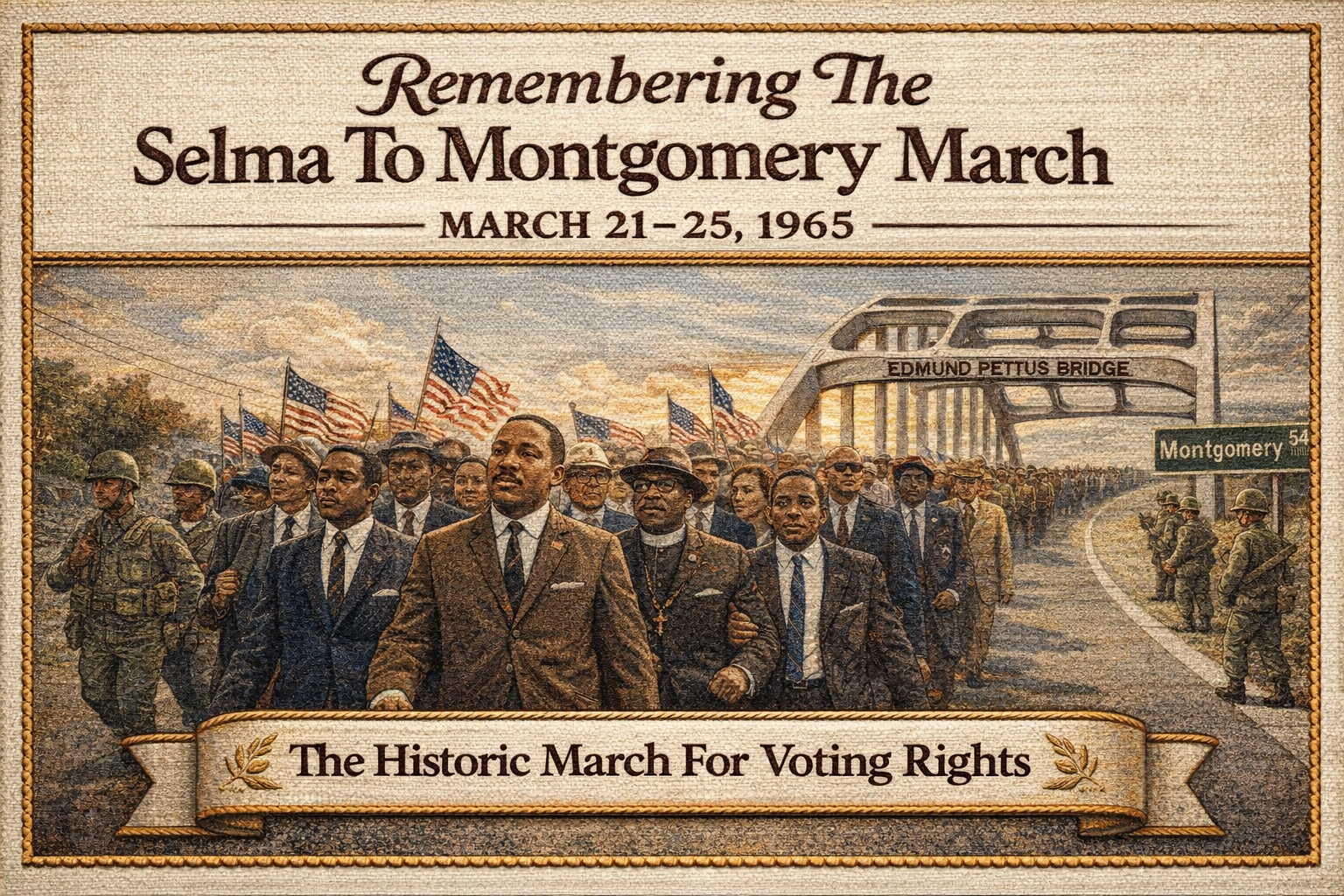
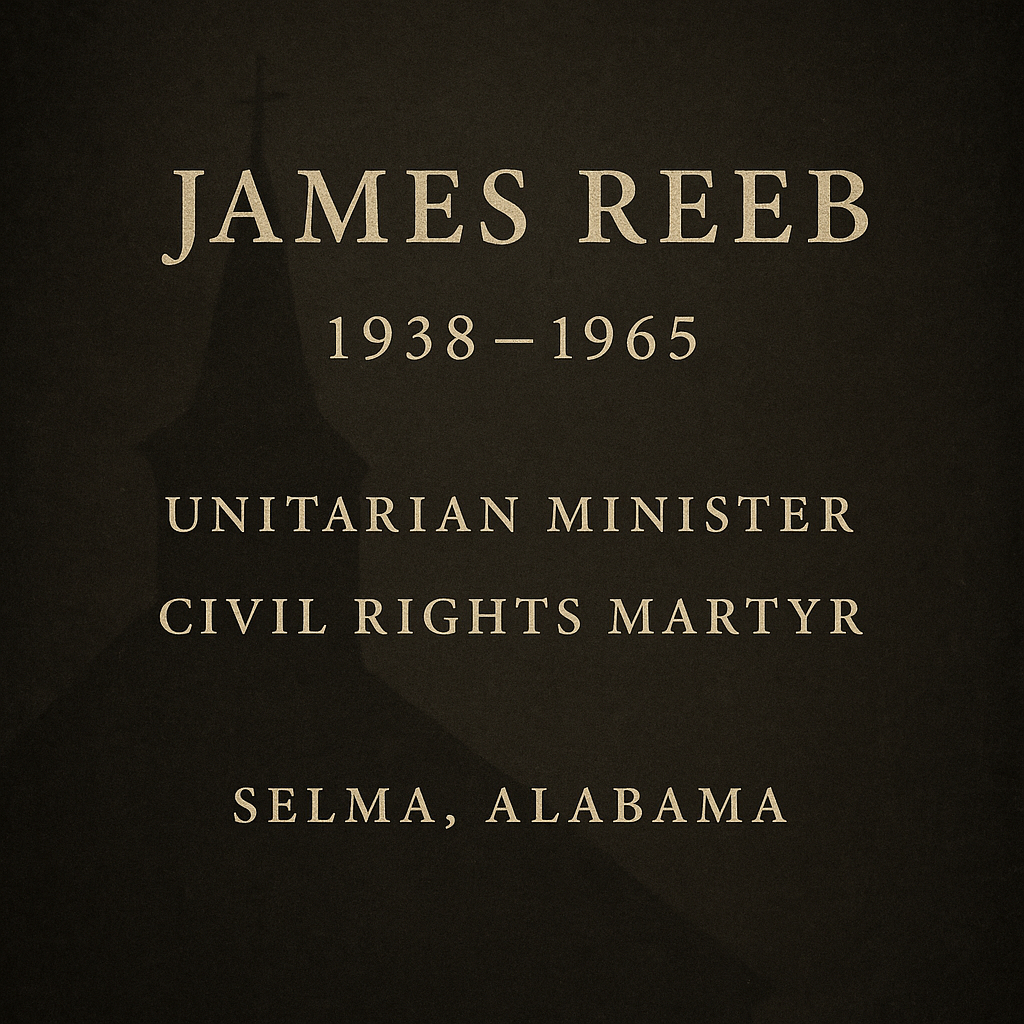
James Reeb was a white Unitarian Universalist minister from Boston who answered Dr. King’s call after Bloody Sunday in Selma in March 1965. He didn’t have to go. Nobody forced him. He chose to show up anyway, knowing exactly how violent Alabama was toward civil rights workers at that moment. On March 9, 1965, after leaving a restaurant with two other ministers, Reeb was attacked by white segregationists armed with clubs. He was struck in the head, collapsed, and died two days later on March 11. He was 38 years old. Here’s the part people like to gloss over. His murder wasn’t accidental. It wasn’t random. It was targeted racial terror meant to send a message. And the response to his death tells you everything. Hospitals initially refused to treat him properly. The men charged with his murder were acquitted by an all-white jury. No justice. Just like that. Reeb’s death shocked the nation precisely because he was white. That’s uncomfortable, but it’s true. His killing helped push public pressure that led directly to the passage of the Voting Rights Act of 1965. Not because his life mattered more, but because America suddenly paid attention when the violence crossed a line it had been ignoring for centuries. So when people try to argue that white allies didn’t sacrifice anything, James Reeb stands right there in the historical record saying otherwise. Sacrifice doesn’t require shared oppression to be real. It requires choice, risk, and consequence. He chose to stand where hatred was loud, and it cost him his life. #JamesReeb #Selma1965 #VotingRightsHistory #CivilRightsMovement #FreedomStruggle #HistoryMatters #UntoldHistory #RememberSelma

LataraSpeaksTruth

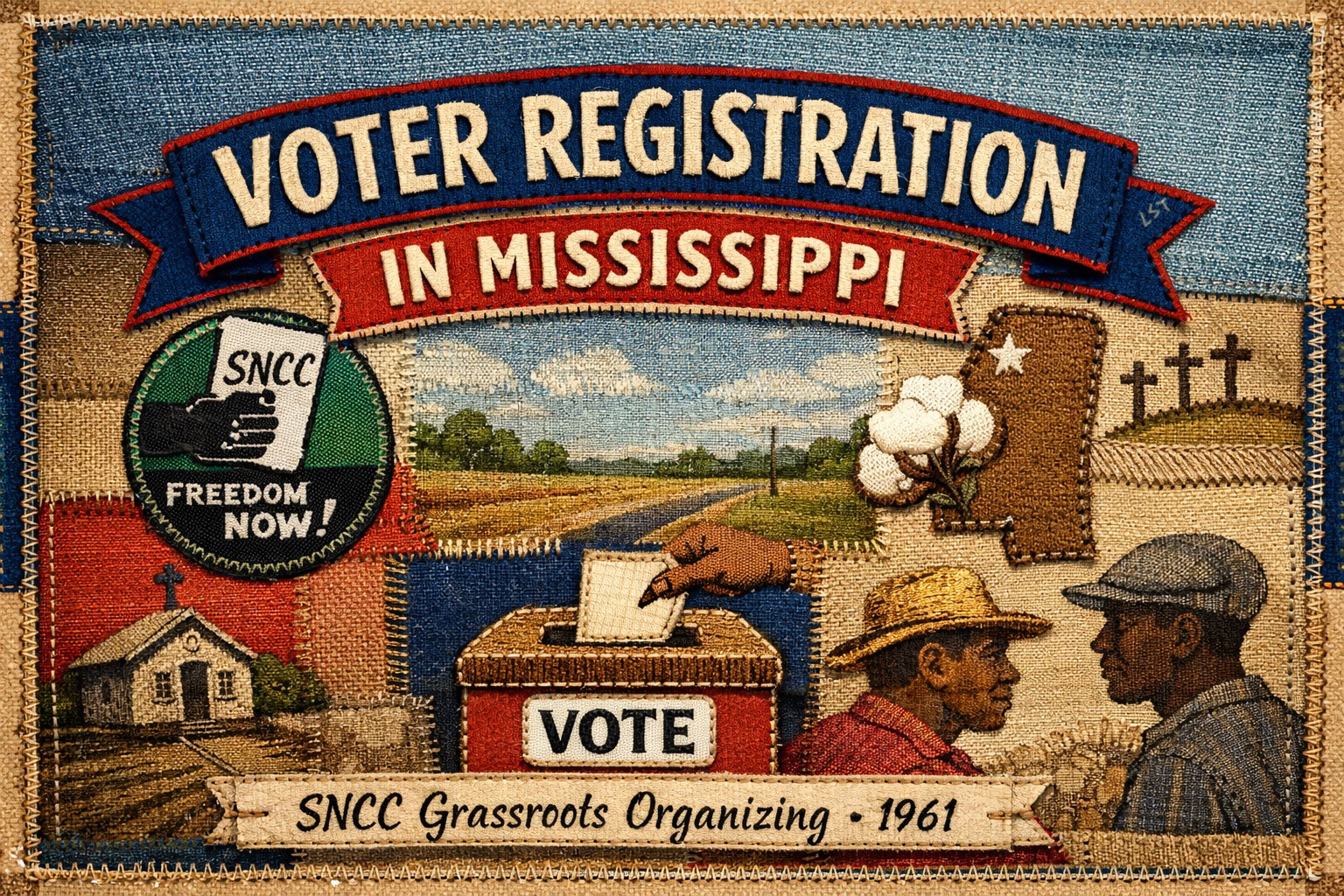
In January 1961, the work of democracy in Mississippi did not arrive with cameras or speeches. It moved along back roads, into church basements, and across kitchen tables where fear and determination sat side by side. During this period, the Student Nonviolent Coordinating Committee was already deeply engaged in voter registration efforts across the state, laying groundwork that would later fuel national change. January 17 falls within this documented campaign window, a time when organizers lived among the people they served, recorded intimidation, challenged exclusion, and encouraged political participation in places where doing so carried real risk. Mississippi remained one of the most aggressively restrictive states in the country when it came to voting access. Literacy tests, economic retaliation, surveillance, and violence were routinely used to suppress registration. SNCC’s approach differed from older civil rights organizations. It emphasized local leadership, patience, and sustained presence. Rather than brief appearances for speeches or press, organizers stayed. They listened. They taught. They documented names, stories, and patterns of suppression. This January work did not produce a single headline, but it produced something more durable. It built trust. It trained future leaders. It formed networks that would later support Freedom Summer, the Mississippi Freedom Democratic Party, and federal voting rights enforcement. What happened in early 1961 matters precisely because it was not dramatic. It was steady. It was intentional. It was dangerous. History often remembers moments. Movements are built in seasons like this one. #SNCC #VotingHistory #CivilRightsMovement #MississippiHistory #GrassrootsOrganizing

LataraSpeaksTruth

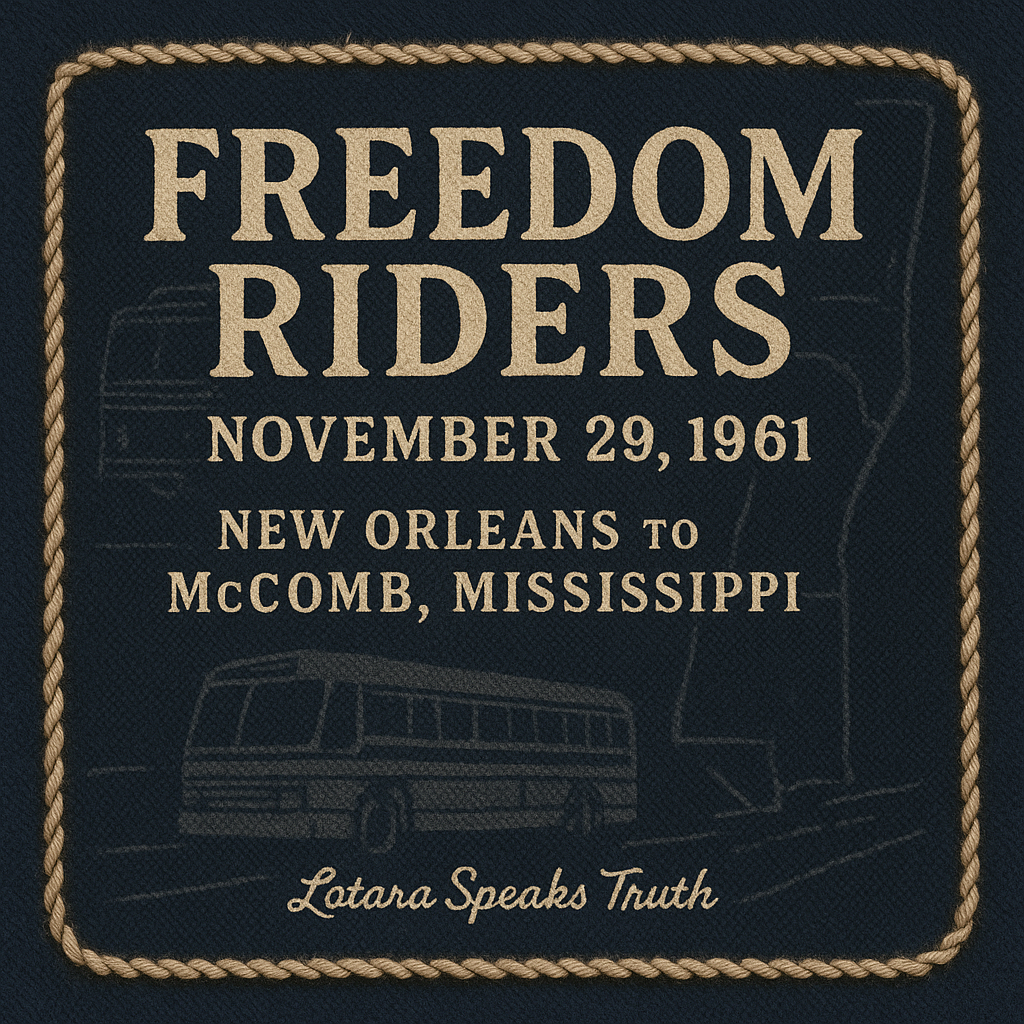
On This Day: November 29, 1961 — When the Freedom Riders Refused to Back Down

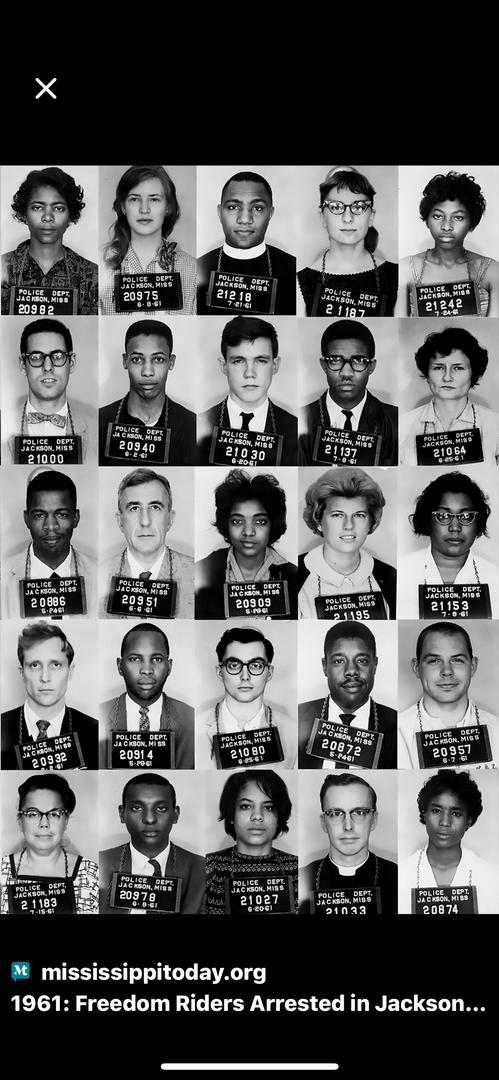
On this day in 1961, Freedom Riders were still rolling through the Deep South, long after the headlines tried to pretend the movement had “settled down.” The cameras had moved on. The danger hadn’t. Another group left New Orleans and headed straight into Mississippi, a place already infamous for jailing, beating, and shadowing anyone who dared to challenge segregation. They knew exactly what kind of storm they were walking into. And still, they stepped onto that bus. McComb wasn’t some sleepy pin on a map. It was one of the most hostile towns in the state… a place where activists were stalked, threatened, arrested, and sometimes worse, all for sitting in the wrong waiting room. That didn’t stop them. Their goal was simple: force the South to follow the law that already existed. The Supreme Court had ruled. The ICC had ordered desegregation of interstate travel. Mississippi just shrugged and said, “Not here.” These late-1961 rides didn’t come with a media circus or crowds chanting in the streets. What they did come with was quiet, stubborn courage, the kind that doesn’t need applause to stand firm. The riders were confronted, arrested, and pushed back at every turn, but they kept moving anyway. And that persistence mattered. Every arrest, every challenge, every mile traveled added pressure that eventually left the federal government out of excuses. The law was on the books. These riders made sure it was enforced. It’s a reminder that history isn’t built only from the bold moments everyone remembers. Sometimes it’s shaped by the steady footsteps of people who refuse to let injustice sit untouched. They kept riding… town by town, bus by bus… until the barriers cracked. #FreedomRiders #BlackHistory #CivilRightsMovement #OnThisDay #HistoryMatters #KnowYourHistory #LataraSpeaksTruth

On This Day: November 29, 1961 — When the Freedom Riders Refused to Back DownOn This Day: November 29, 1961 — When the Freedom Riders Refused to Back Down
You've reached the end!